'Obliterated': Trump says Iran is 'doing very, very poorly' but signals fight isn't over
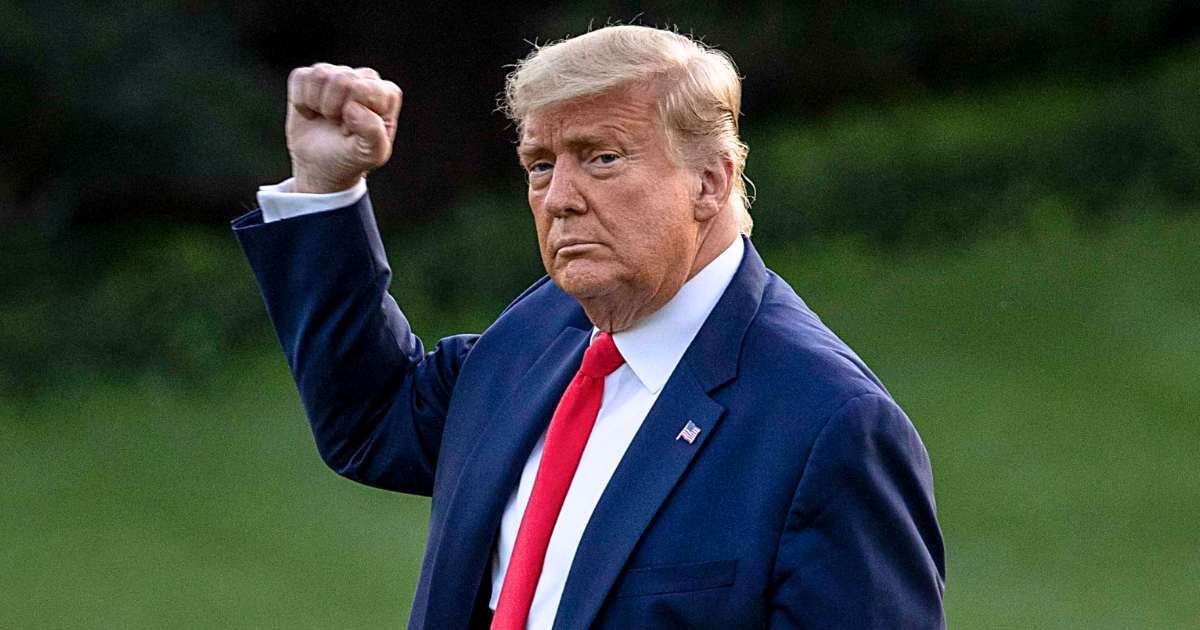
WASHINGTON, DC: President Donald Trump declared that Iran's military had been "obliterated" but insisted the campaign must continue because Tehran still retains some military capabilities.
The remarks underscored a tension in his message as he celebrated what he described as sweeping battlefield success while arguing further action remains necessary.
He repeatedly portrayed Iran as severely weakened even as he warned it had not been fully neutralized.

Trump claims Iran remains weakened
Speaking during an open Cabinet meeting at Camp David on Friday, July 31, Trump said Iran was "doing very, very poorly" and dismissed reports suggesting otherwise.
"Just in case you read incorrect stories, they're doing very, very poorly," he said. "They've been very dishonest and been very dishonorable to deal with, but that makes no difference. They're doing very very poorly."
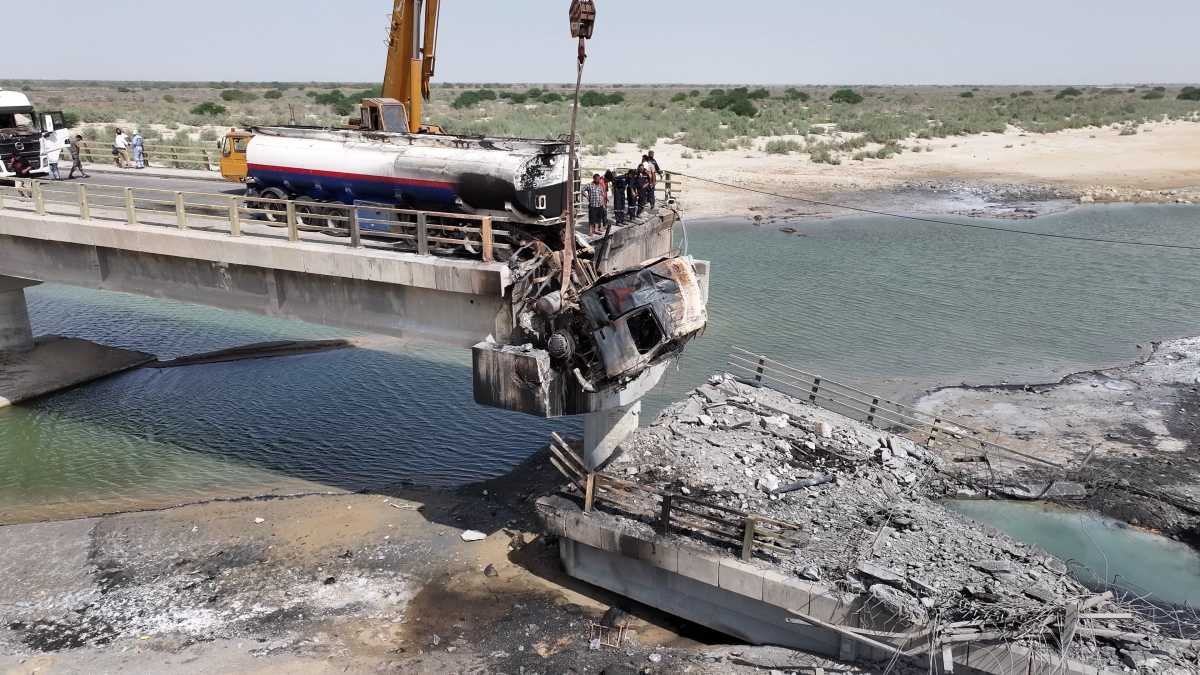
Trump argued the United States had sharply degraded Iran's military capabilities during the operation, saying, "Their navy... has been obliterated. Their air force has been obliterated. They have no planes."
Trump on Iran:
— Clash Report (@clashreport) July 31, 2026
Iran is doing very poorly. They are doing very, very poorly. They are having a very hard time.
They have been very dishonest and dishonorable to deal with.
But that makes no difference. They are doing very, very poorly. pic.twitter.com/jPhnT4HSQ6
He added that Iran's missile stockpile had been significantly reduced, though not eliminated.
"Their missiles have been largely... They have some left. They have some, but they have far fewer than they had four or five months ago," Trump said.
He also claimed Iran's manufacturing capacity was "almost gone" and that its drone program was nearly destroyed, adding, "Very few, but they have some. If they have one, that's too many, as far as I'm concerned."
Trump says operation must continue
Despite describing overwhelming success, Trump argued military operations could not yet end because Iran still possessed limited capabilities.
"We're in there for five months, and we have obliterated their military capacity," he said. "Again, they've got some left, but soon they won't have some left."
Trump contrasted the operation with previous US conflicts, saying, "If you look at Vietnam, they were in there for 20 years. You look at Afghanistan, they were in there for many years. You look at any one of the wars... We're in for five months."
Trump: "We have a war that's going on... I call it a military operation. They have no navy. Their Air Force has been obliterated. Their manufacturing capacity is almost gone. The drone capacity is almost gone. Soon they won't have some left." pic.twitter.com/HIsHpJT1lD
— TheBlaze (@theblaze) July 31, 2026
He also defended continued investment in the military, saying the administration was preparing for a $1.5 trillion defense budget next year while emphasizing that the equipment was being manufactured domestically.
"We want to keep a safe country," Trump said. "The good news is, all of that equipment is made in the USA."
Trump ties military campaign to broader agenda
Trump used the Cabinet meeting to argue that his administration had delivered major gains across multiple fronts, including border security, the economy, and prescription drug prices.
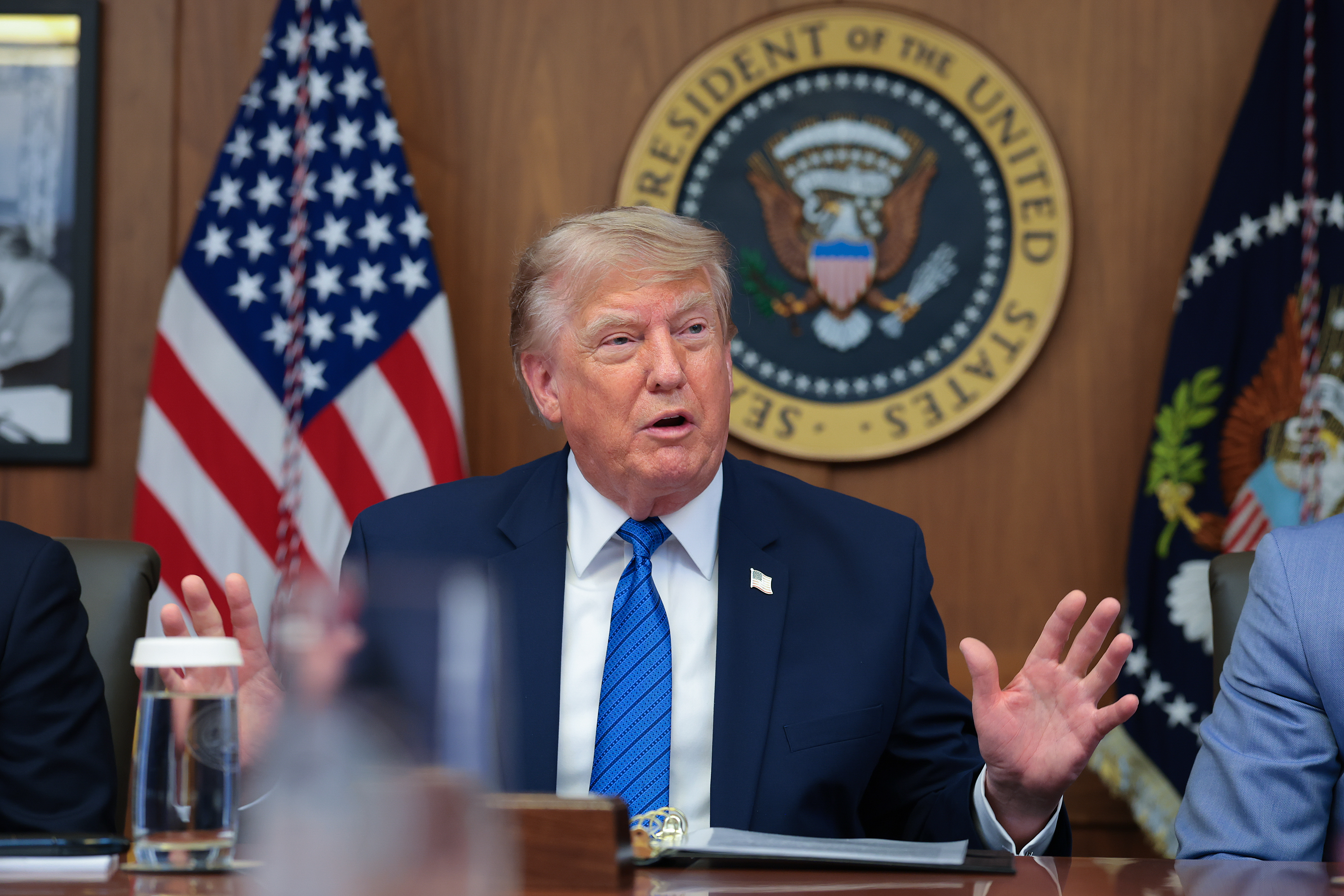
Calling the current period "the golden age of America," he said the administration had accomplished more in 18 months "than most administrations have done in eight years."
He also praised his Cabinet, calling it "one of the most talented teams ever to serve the United States," before closing the public portion of his remarks by thanking members of the media.
Trump on his cabinet:
— Clash Report (@clashreport) July 31, 2026
This is one of the most talented teams to ever serve in the U.S. government.
This is a talented group of people. pic.twitter.com/u4zqV1GeT2
"I want to thank a lot of the media people because many of you have been very, very fair," Trump said. "You've covered me this time much more fairly, I think, than the first term."