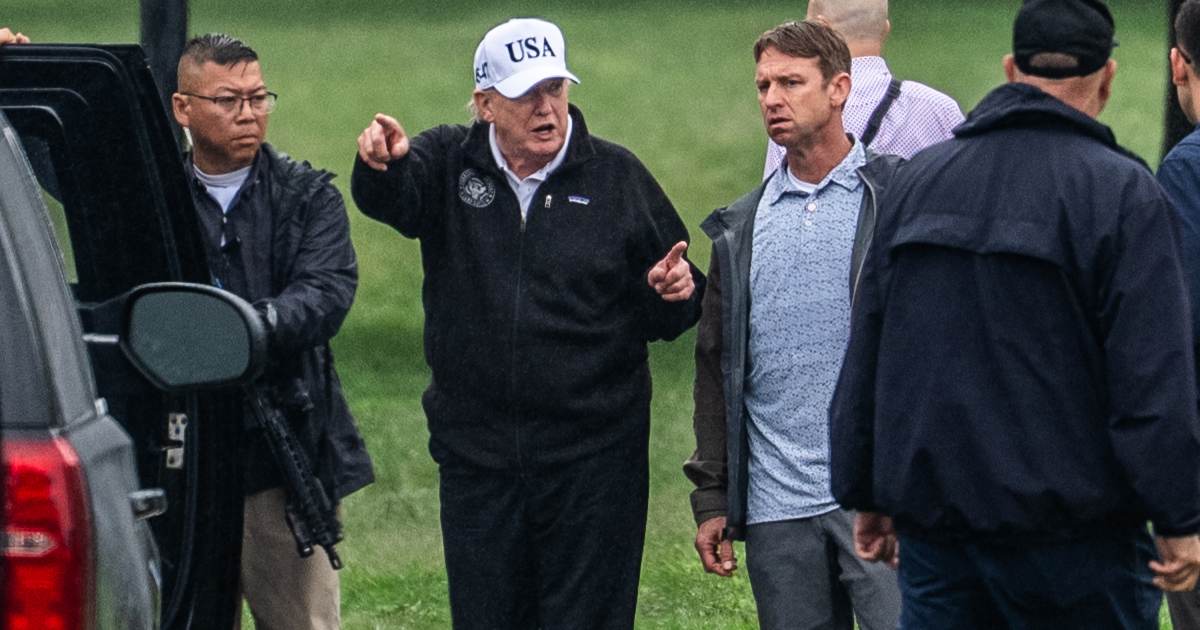
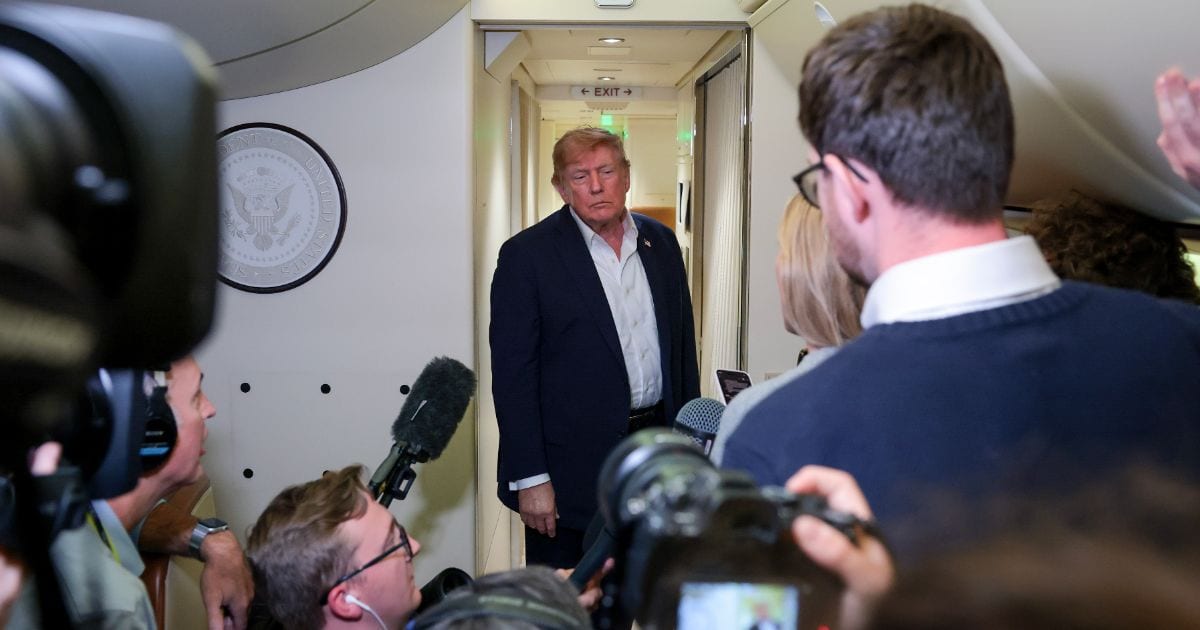
Officials say ‘Operation Epic Fury’ was urgent, calculated push against Iranian threat
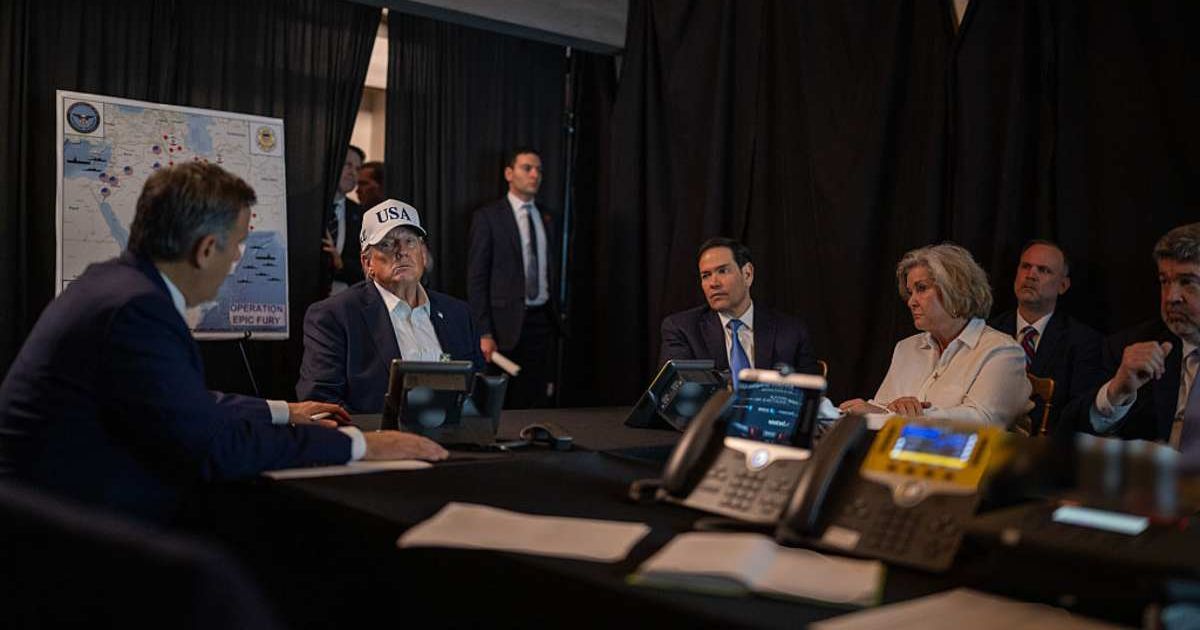
WASHINGTON, DC: Senior US officials defended the decision to launch "Operation Epic Fury."
They argued that the coordinated US and Israeli military strikes against Iran were necessary due to urgent national-security concerns.
This came after diplomatic efforts failed and Tehran continued to present a rising threat in the Middle East.
From diplomacy to military action
Senior administration officials briefed reporters on the hours leading up to “Operation Epic Fury.”
One official described Iran’s missile inventory and said it posed “an intolerable risk to the United States,” as per the New York Post.
According to senior US sources, the days before the strikes were filled with intense negotiations in Geneva.
The US reportedly offered Iran "free nuclear fuel forever" to persuade them to stop uranium enrichment. Tehran was said to have rejected this offer outright.
This refusal, along with concerns about Iran’s nuclear and missile programs, convinced Trump and his advisers that diplomatic efforts had come to an end.
“One of the things we offered — we said, we will give you free nuclear fuel forever,” the official said. “And they basically said that didn’t work for them. They needed to enrich uranium.”
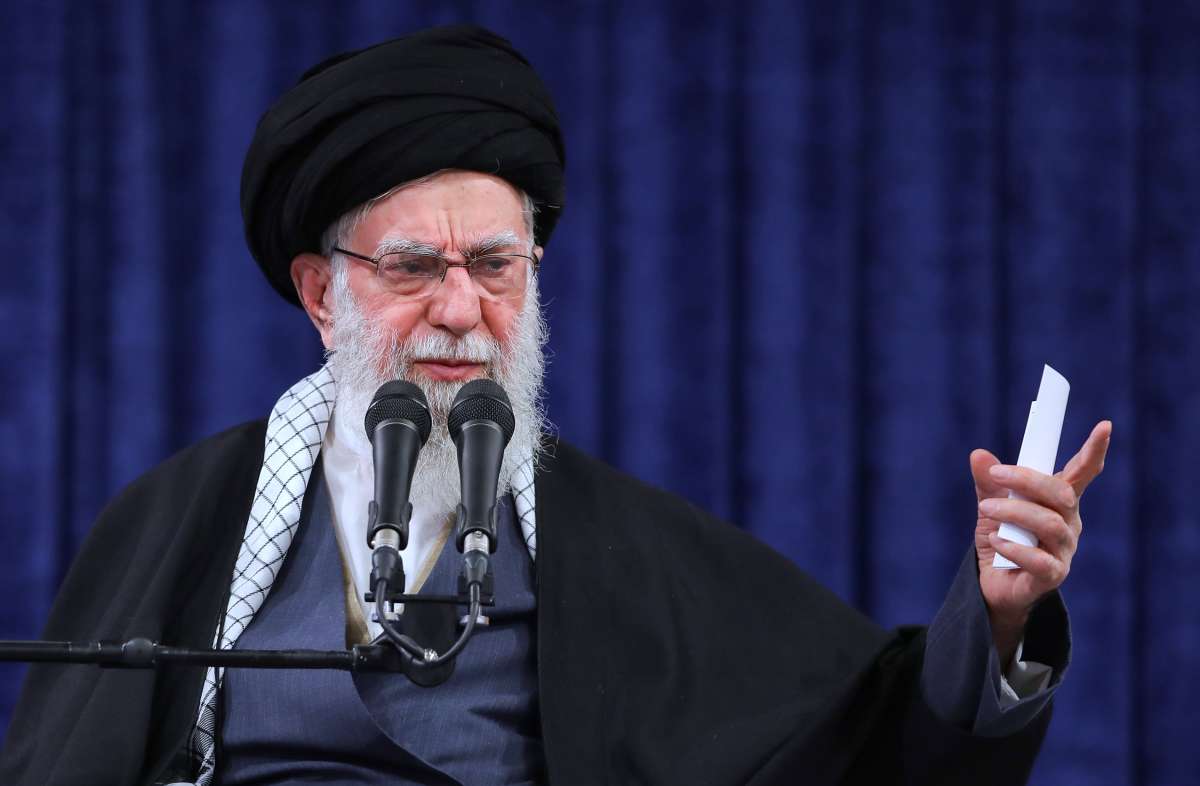
The US had ‘indicators’ that Tehran was going to launch a preemptive strike
President Donald Trump and his national security team stressed that intelligence indicated Tehran might soon target American forces and assets in the Middle East.
Officials noted that Iran’s growing missile stockpile posed an "intolerable risk."
They believed that taking action before a direct attack would likely lead to fewer US and allied casualties.
"Khamenei, one of the most evil people in History, is dead. This is not only Justice for the people of Iran, but for all Great Americans, and those people from many Countries throughout the World, that have been killed or mutilated by Khamenei..." - President Donald J. Trump pic.twitter.com/oXZTFGg5pS
— The White House (@WhiteHouse) February 28, 2026
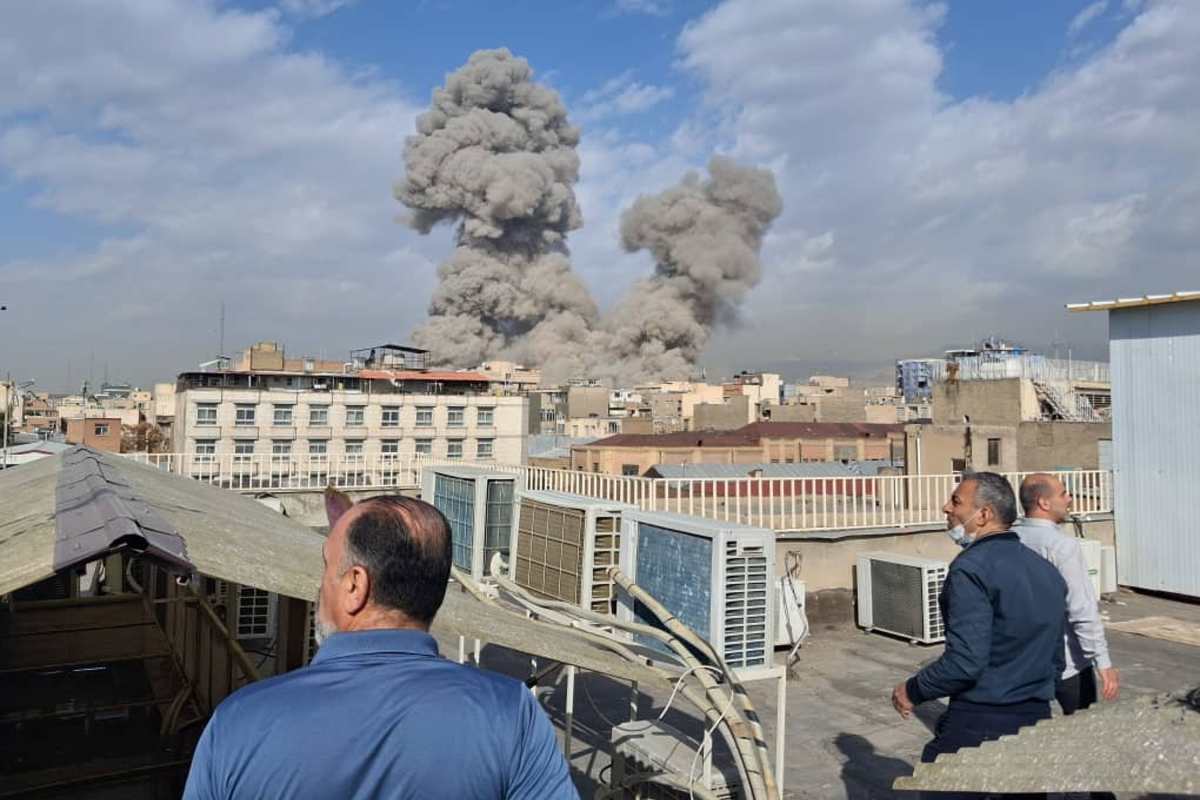
The US had "indicators" that Tehran was going to launch a preemptive strike against American assets in the region, pointing to Iran’s retaliatory strikes on US bases, including ones in Qatar, Kuwait, the United Arab Emirates, and Bahrain, as proof.
“The president decided he was not going to sit back and allow American forces in the region to absorb attacks from conventional missiles. We had analysis that basically told us, if we sat back and waited to get hit first, the amount of casualties and damage would be substantially higher than if we acted in a preemptive, defensive way to prevent those launches from occurring,” the official said.
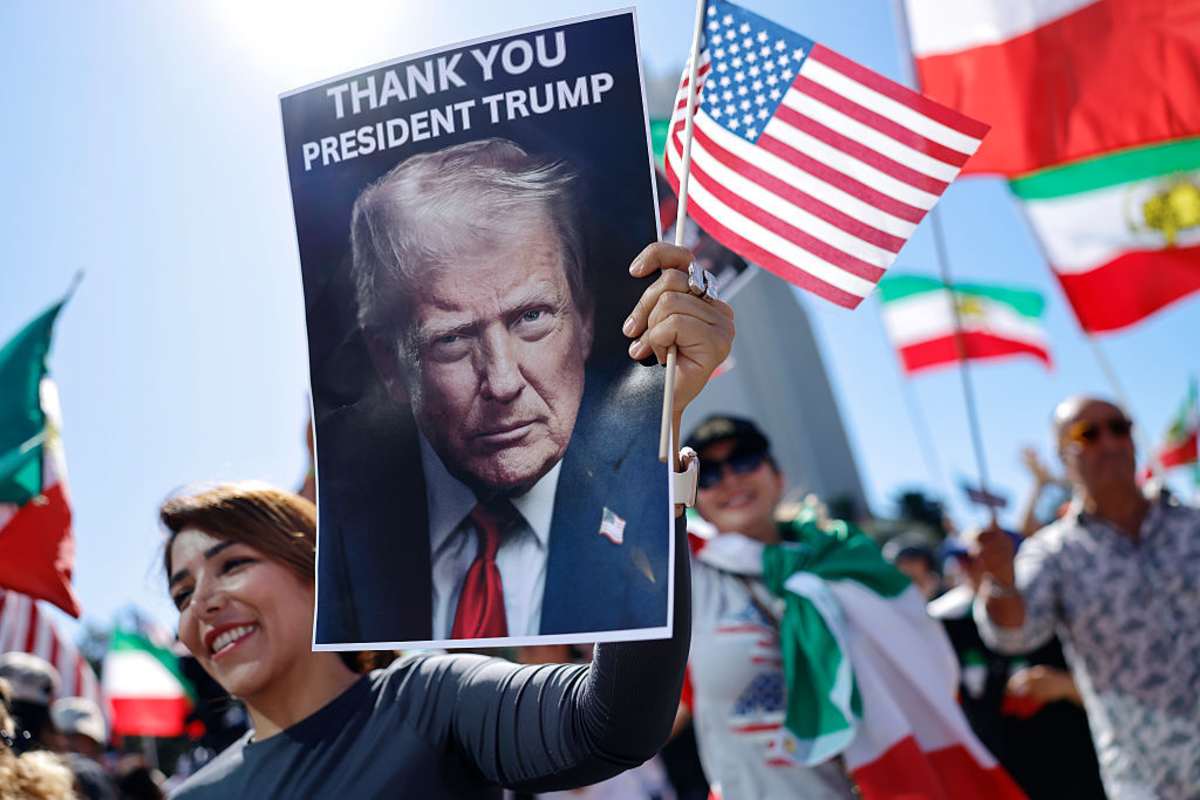
The combination of diplomatic setbacks and mounting military indicators reportedly convinced the administration that a robust response was needed.