One big reason Trump's Housing Bill could still become law despite his refusal to sign it
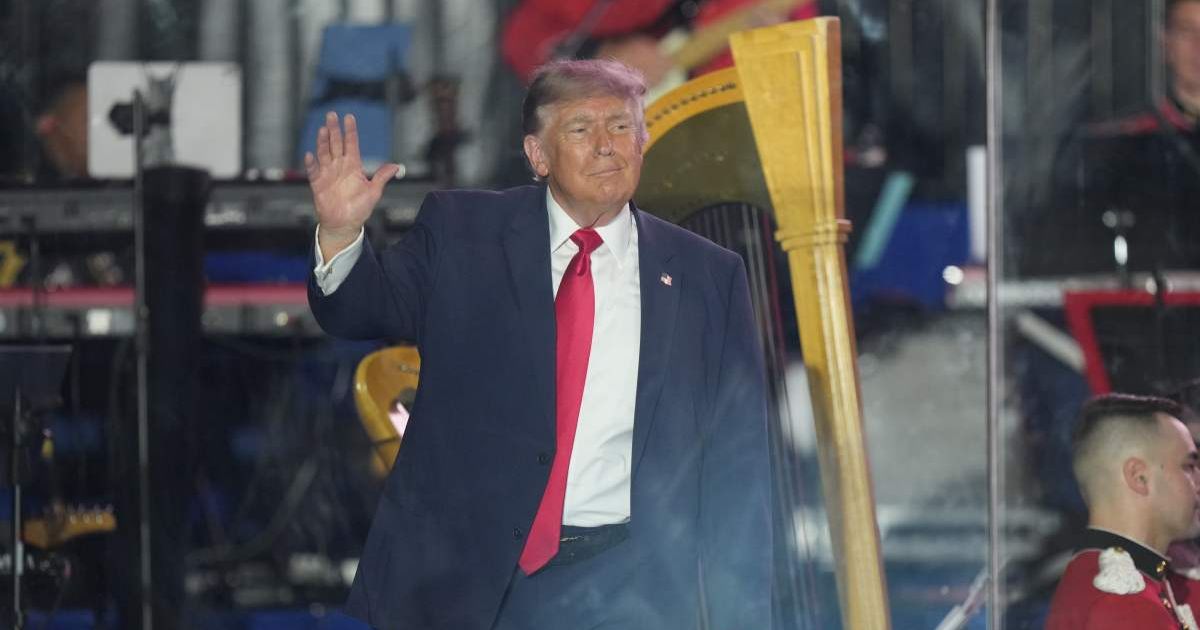
WASHINGTON, DC: President Donald Trump abruptly canceled the signing of a bipartisan housing affordability bill, but the legislation could still become law even if he refuses to put his signature on it.
Trump's move immediately stalled a measure that had cleared Congress with overwhelming bipartisan support. Yet the Constitution limits how long a president can block legislation without formally vetoing it, exposing the limits of tying the housing package to his separate push for the SAVE America Act.
Constitution leaves housing bill another path
Trump announced on Truth Social that the scheduled housing bill signing was "hereby cancelled until such time as we pass the desperately needed SAVE AMERICA ACT, which I consider to be a National Emergency."
Asked on Wednesday by the reporters whether he would negotiate over the bill, Trump remained firm.
"I said I'm not signing it. I made billions of dollars with housing. I know housing better than anybody. Lower interest rates," he told reporters in the Oval Office. Trump added, "I don't want to hurt people that own houses either."
Despite that declaration, the housing legislation is not automatically dead.
Under the Constitution's Presentment Clause, the president has 10 days, excluding Sundays, to sign or veto legislation after it reaches his desk.
If no action is taken during that period while Congress remains in session, the bill automatically becomes law without the president's signature.
A formal veto would instead send the measure back to Congress, where lawmakers could attempt to override it with two-thirds support in both chambers.
Housing bill won rare bipartisan backing
The 21st Century ROAD to Housing Act aims to increase the nation's housing supply by speeding construction, streamlining environmental reviews, and limiting the number of single-family homes owned by large institutional investors.
The measure passed the Senate 85-5 before clearing the House by a 358-32 vote, making it one of the year's strongest bipartisan legislative efforts.
Before Trump canceled the event, White House press secretary Karoline Leavitt praised it as "one of the most significant pieces of housing affordability legislation in American history."
She wrote that the bill "cuts unnecessary red tape, helps increase housing supply, and limits the ability of large institutional investors to purchase single-family homes," adding that it would help make "the American Dream of homeownership" more attainable.
Arizona Sen Mark Kelly argued Trump was putting another legislative priority ahead of immediate housing concerns.
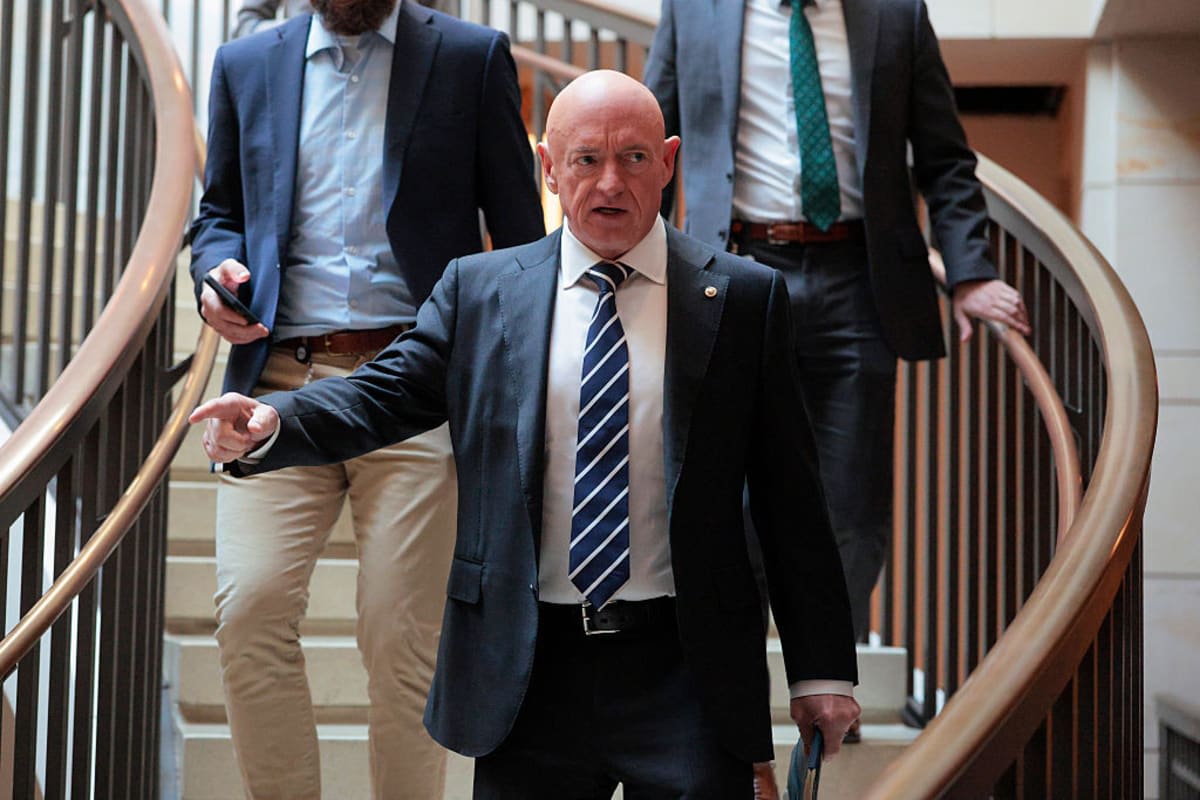
"Well, he's not prioritizing the American people," Kelly told Newsweek. "Can't afford their lives, can't afford a place to live, and that strongly bipartisan legislation... provided some relief to the American people, but Donald Trump doesn't seem to care."
SAVE America Act remains Trump's condition
Trump has linked the housing bill to the passage of the SAVE America Act, which would require documentary proof of US citizenship to register for federal elections and impose stricter voter identification requirements.
Although the Republican-backed measure passed the House earlier this year, it remains stalled in the Senate despite repeated efforts by Trump and his allies to attach it to unrelated legislation.
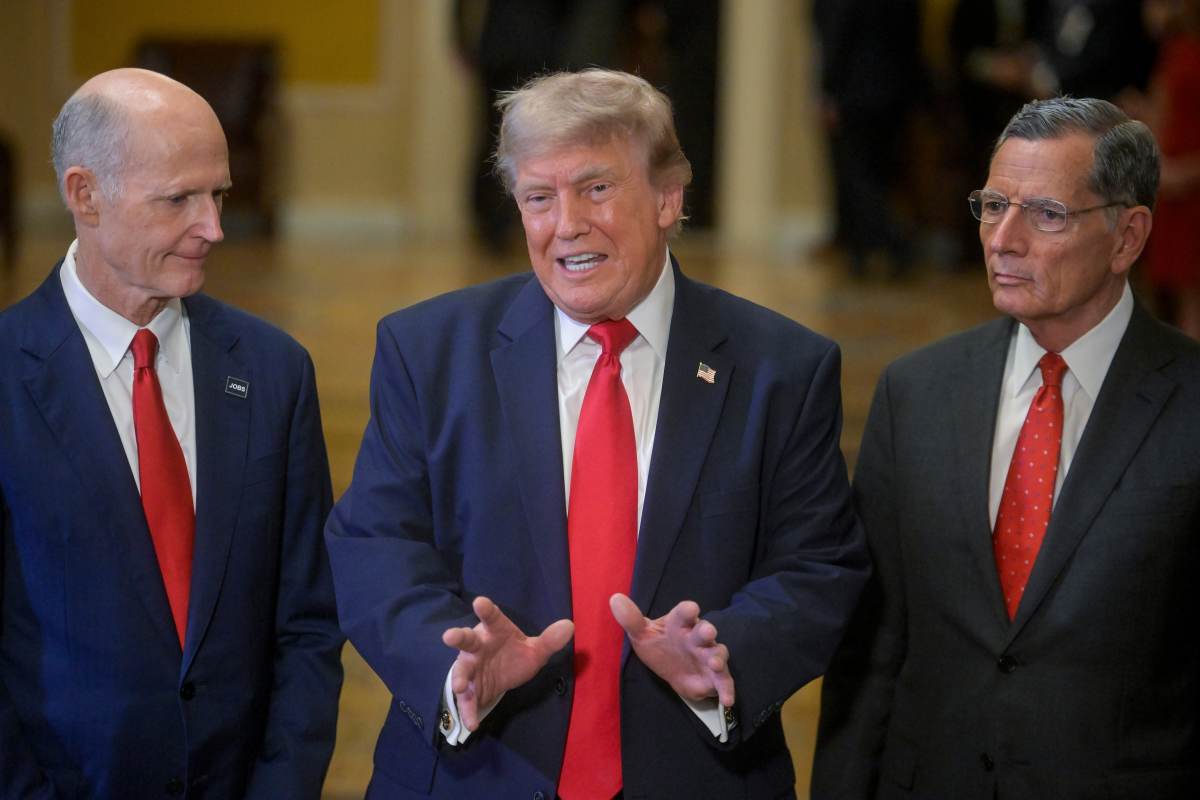
Senate Majority Leader John Thune nevertheless defended the housing package after Trump canceled the signing ceremony.
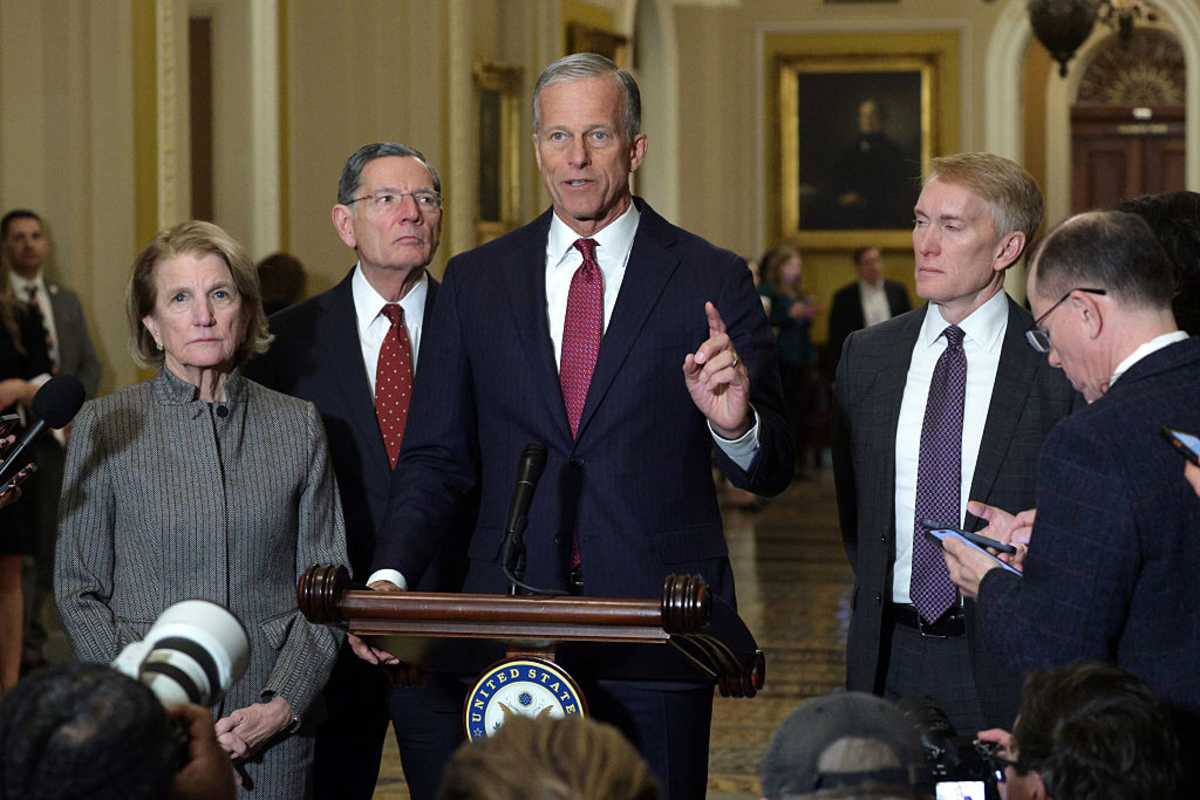
"That was his call to make," Thune said.
He added that the legislation "has been worked on for a long time" and is "a great piece of legislation that increases the supply of housing and the availability of credit for people to afford homes," before concluding, "Eventually I hope he finds a way to sign it."