Federal judge crushes Trump's voter ID plan, permanently blocks proof-of-citizenship voting rule
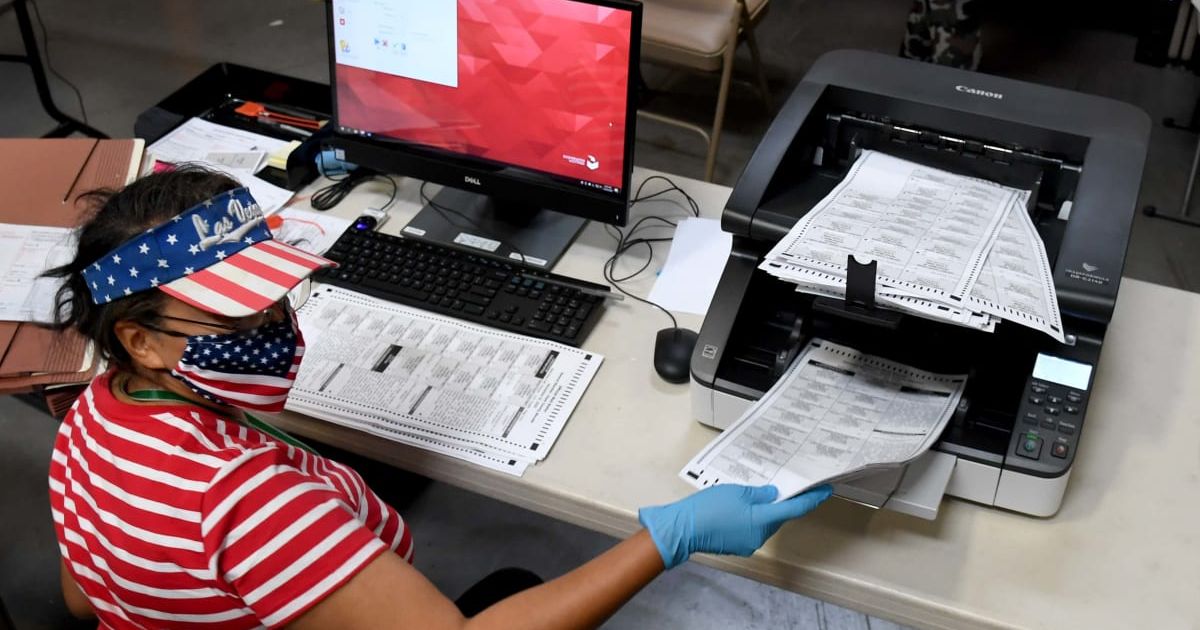
BOSTON, MA: President Donald J Trump suffered a significant legal setback Wednesday, June 24, after a federal judge permanently blocked the core provisions of his executive order aimed at reshaping how Americans register and vote in federal elections.
In a sweeping decision, US District Judge Denise Casper ruled that the Constitution does not grant presidents unilateral authority to rewrite election rules, dealing a major setback to one of Trump's signature election-integrity initiatives.
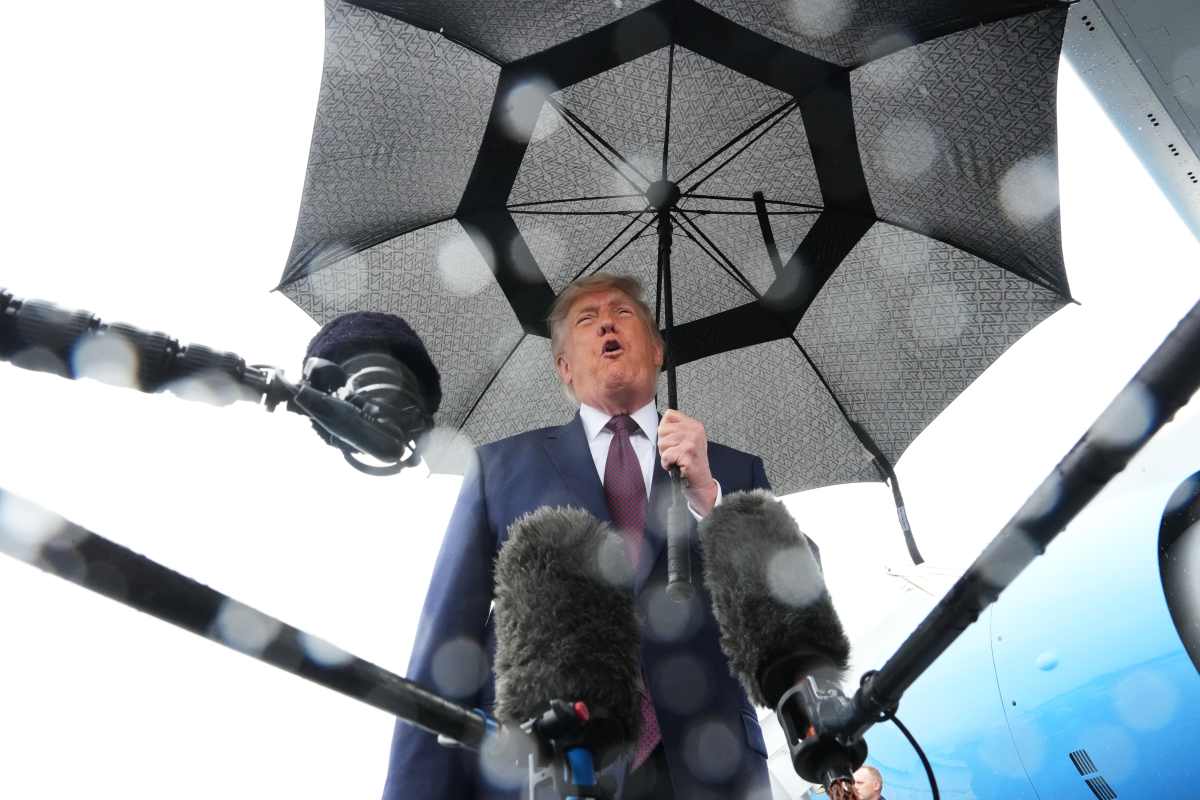
The ruling converts a preliminary injunction issued last year into a permanent prohibition, preventing the administration from enforcing several controversial voting requirements ahead of future election cycles.
The decision arrives as the White House continues pushing for stricter voter-verification standards through Congress, including the SAVE America Act, which Trump has repeatedly described as a national priority.
Court rejects executive election authority
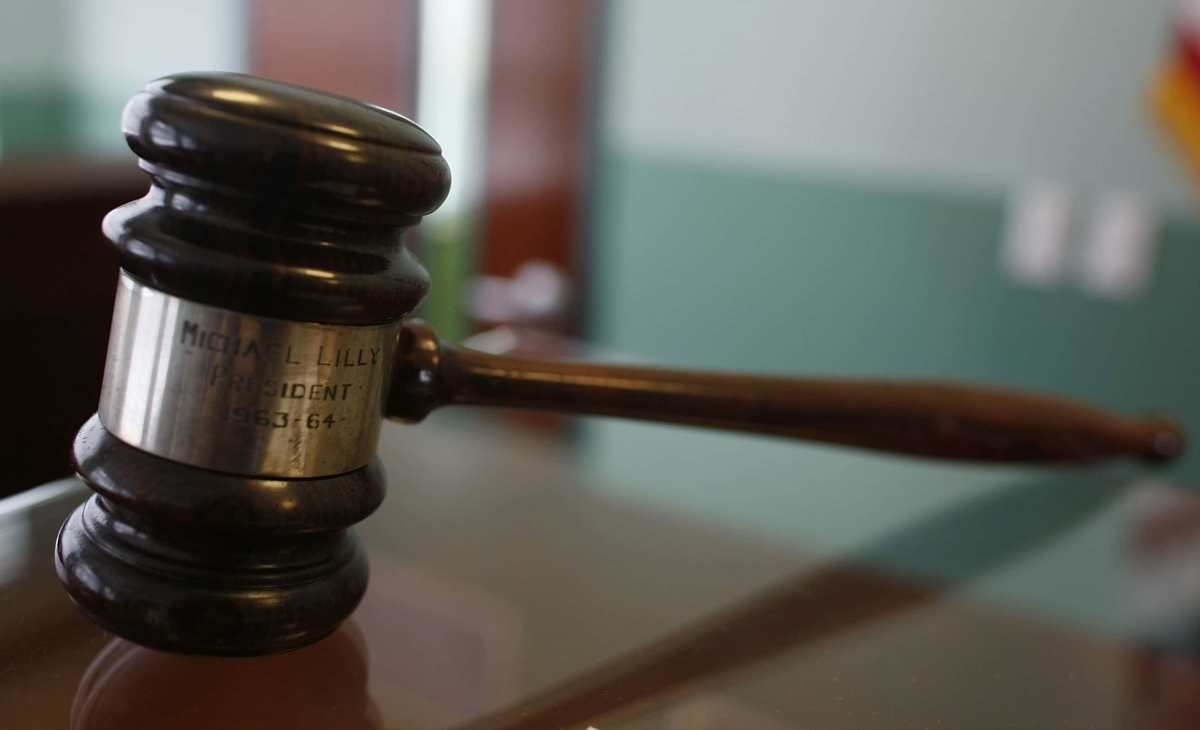
Judge Casper concluded that election administration remains primarily the responsibility of states and Congress, not the executive branch.
"The Constitution does not grant the president any specific powers over elections," the ruling stated, rejecting administration arguments that the executive order merely standardized federal election procedures.
Among the blocked provisions is a requirement that voters provide documentary proof of citizenship when registering.
BREAKING: Boston-based federal judge Denise Casper (Obama appointee) has just issued a sweeping order that bans the Trump administration from implementing most of its federal voter ID executive orders, including a proof of citizenship requirement. Judge Casper concluded the… pic.twitter.com/jAMqNhLol0
— Bill Melugin (@BillMelugin_) June 24, 2026
The court also struck down measures that sought to restrict the counting of certain mail ballots arriving after Election Day and provisions that would have allowed the federal government to withhold funding from states that refused to comply.
The administration had argued that the lawsuit was premature because the rules had not yet been fully implemented.
Casper disagreed, finding that states faced immediate legal and administrative burdens from the proposed changes.
Voting battles move to Congress

The ruling is expected to intensify the broader political fight over election laws rather than end it.
Administration allies maintain that stronger verification systems are necessary to protect public confidence in elections, while opponents argue that such requirements could create barriers for eligible voters.
The decision leaves future changes largely in the hands of Congress and state legislatures, where competing proposals over voter registration, absentee ballots and election oversight continue to dominate debate.

Although the White House is expected to appeal, the ruling marks one of the most consequential judicial rebukes yet of Trump's effort to expand executive influence over election administration, reinforcing constitutional limits on presidential authority in the voting process.