Pope Leo XIV warns AI could make humanity 'less human', demands 'disarming' tech
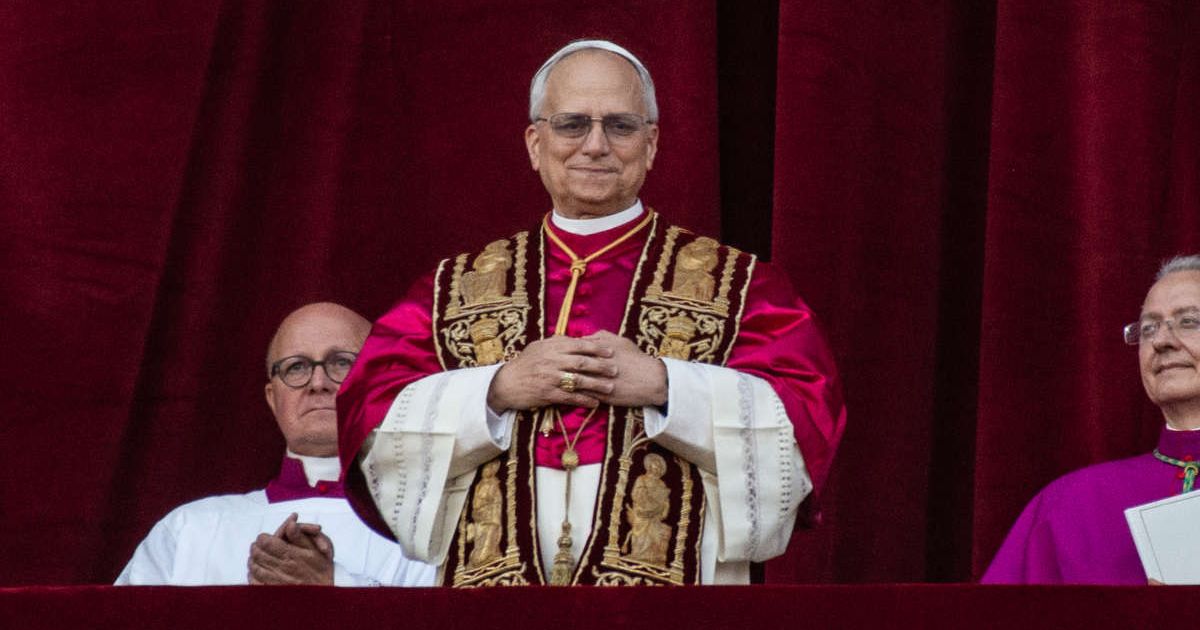
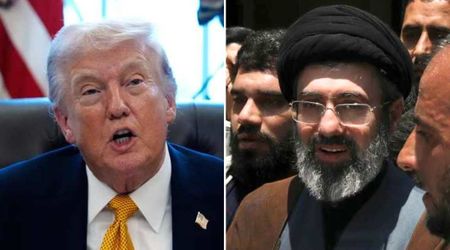
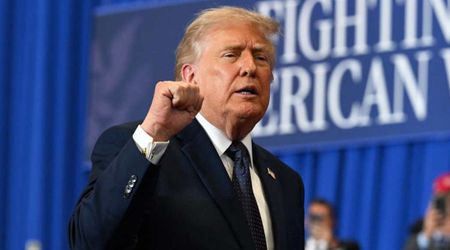
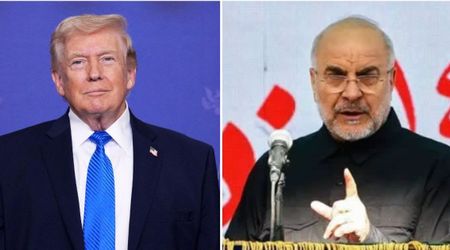
VATICAN CITY, VATICAN: Pope Leo XIV, who has recently been in a clash with President Donald Trump over Iran and US officials’ religious justification of it, urged “disarming” of AI as he warned against the implications of the rise of Artificial Intelligence on humanity.
The Bishop of Rome, on Monday, May 25, issued a major document on the impact of AI on human beings and humanity, cautioning that the rise of AI could make civilization itself "less human."
"Today, more than ever, without prejudice to the right to self-defense in the strictest sense, it is important to reaffirm that the 'just war' theory, which has all too often been used to justify any kind of war, is now outdated," he wrote in the Magnifica Humanitas (Magnificent Humanity), an 82-page teaching known as an encyclical.
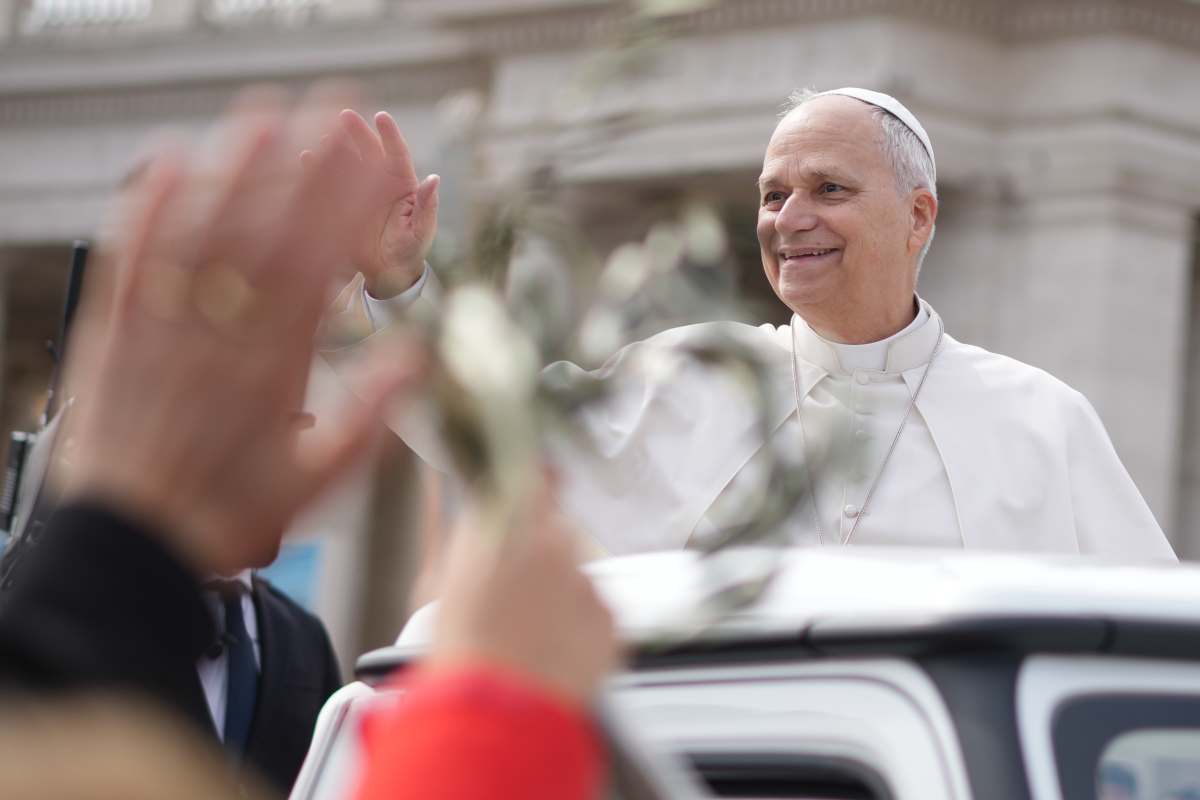
Pope Leo XIV calls for human-centered approach to AI
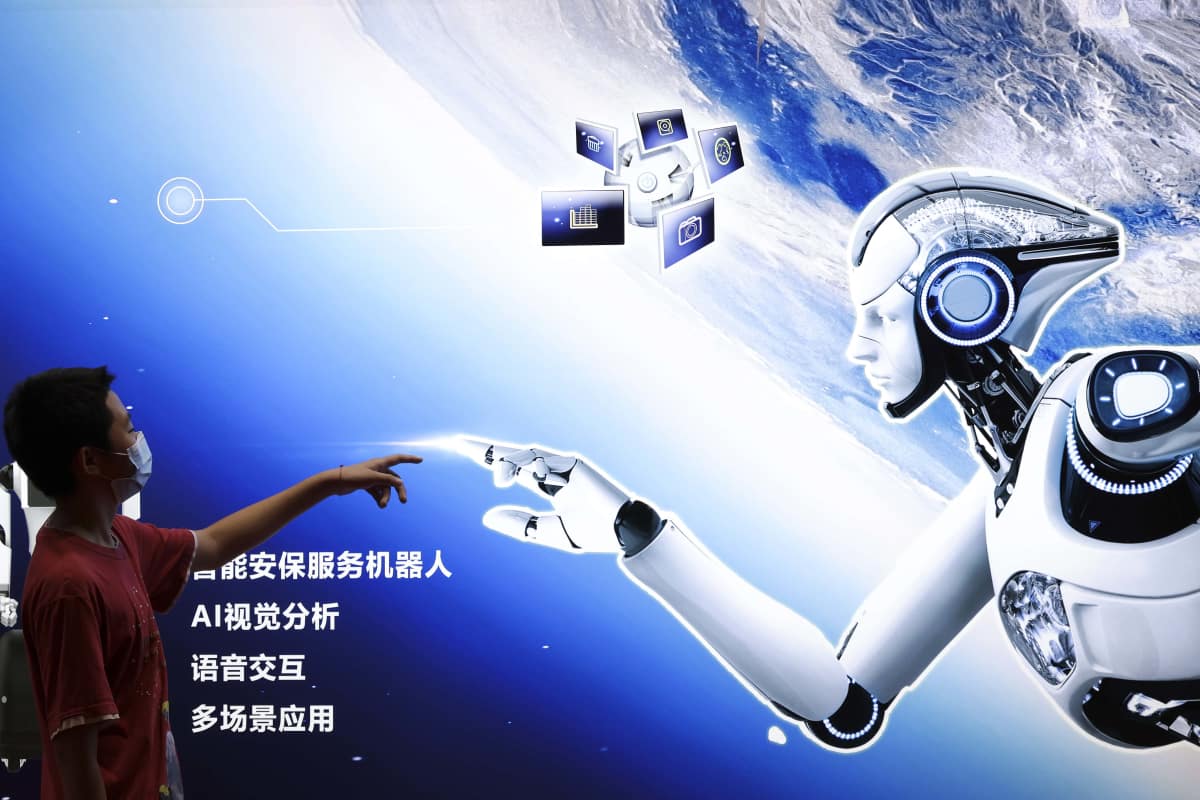
The Pope warned that the rise of AI poses a risk of making civilizations "less human" by hollowing out work, concentrating wealth, and reducing people to systems driven by data and efficiency rather than dignity and morality.
"The pressing duty," Pope Leo wrote, is "to remain profoundly human."
Pope Leo further urged the “disarmament” of AI, saying that the technology could fuel "a race for ever more powerful algorithms and larger datasets, driven by the desire to secure geopolitical or commercial dominance."
"Please note that the encyclical is not about AI," Cardinal Michael Czerny, one of the Vatican officials who helped present the document, told CBS News. "It's about the human condition during the time of AI."
In unusually blunt language for a Vatican document, Pope Leo XIV warned that large tech companies are becoming powerful enough to rival governments. At the same time, he stressed that technology itself is not bad, but how people use it matters.
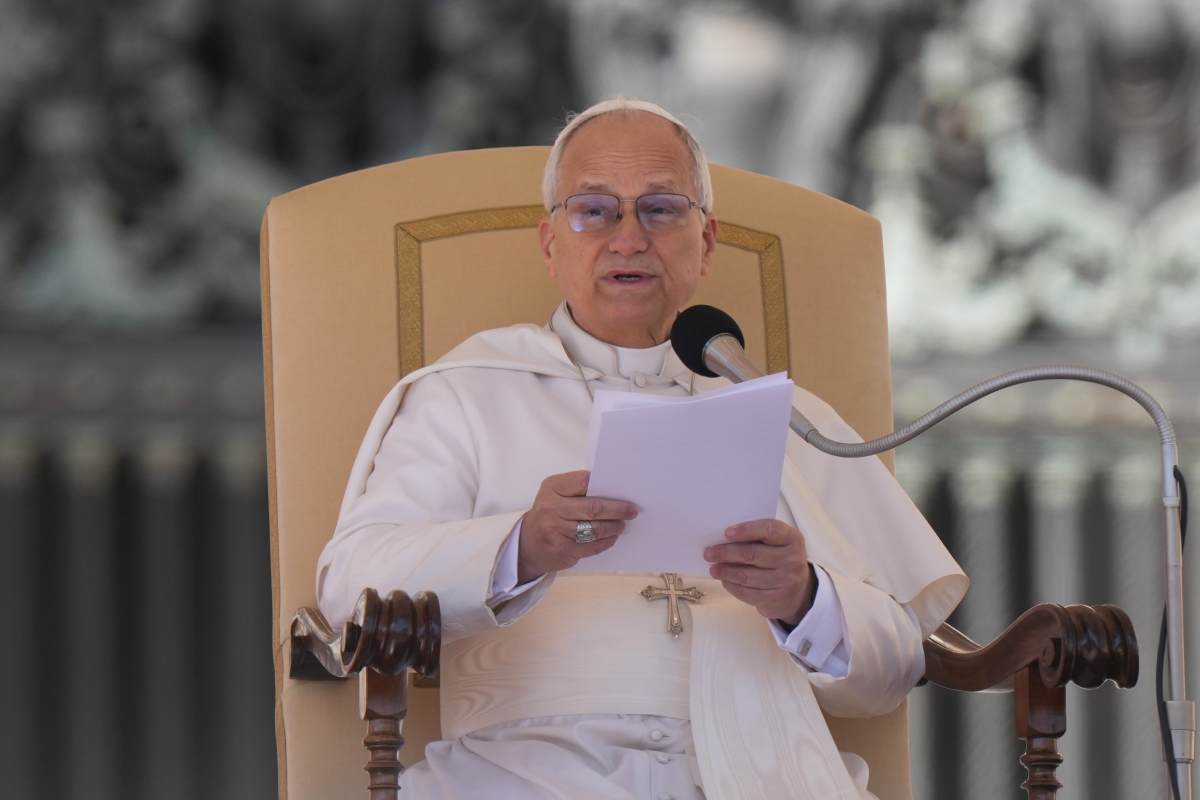
Pope Leo apologizes for Church's role in slave trade
While the paper was largely about what the Pope clearly sees as humanity's risk-laden embrace of AI, the Pontiff offered a firsthand apology for the Vatican's role in facilitating and justifying the transatlantic slave trade. He called it "a wound in Christian memory."
"For this, in the name of the Church, I sincerely ask for pardon," he wrote.
When the world’s first American-born pope, Pope Leo XIV, chose the name Leo last year, he did so to honor Pope Leo XIII, whose famous 1891 encyclical Rerum Novarum helped the Catholic Church respond to the social and economic changes brought by the Industrial Revolution.
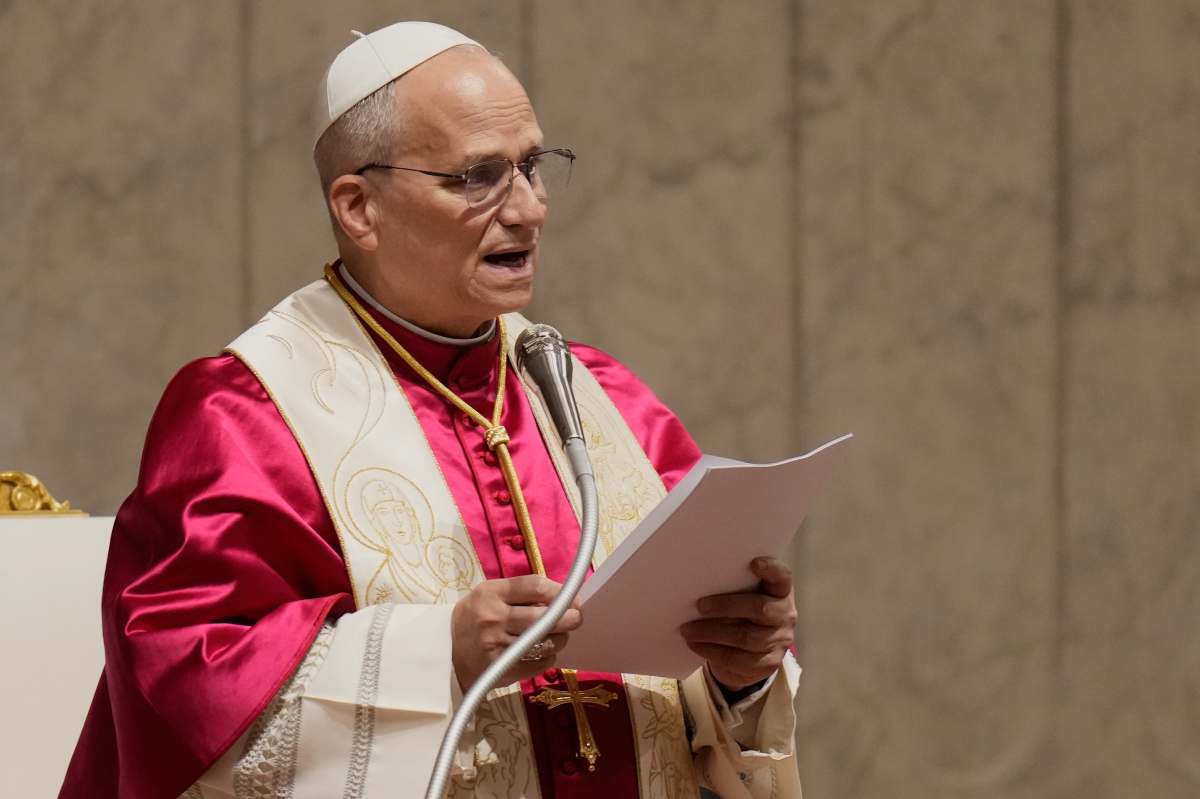
More than 100 years later, the Chicago-born pope is now trying to guide the Church through another major transformation, the rise of artificial intelligence.