Pritzker calls Supreme Court voting rights act ruling ‘attack on democracy’
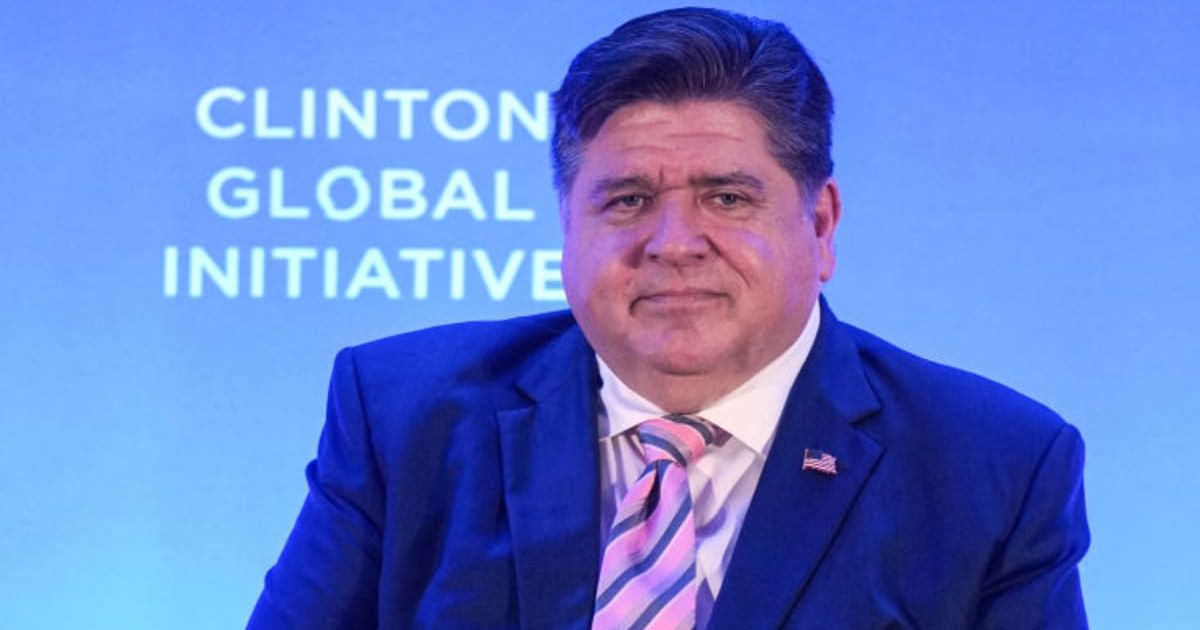
CHICAGO, ILLINOIS: Illinois Governor JB Pritzker has strongly condemned the Supreme Court’s latest ruling on voting maps, calling it a setback for democratic protections and warning that Illinois is preparing to respond.
Speaking during a press conference on Wednesday, April 29, Pritzker reacted sharply to the decision, which struck down Louisiana’s revised congressional map and has triggered a wider national political debate over redistricting and voting rights.
“It is an attack on a crown jewel of our democracy,” he said, describing the ruling in stark terms.
🚨BREAKING: Gov. JB Pritzker launches an a emergency response to the Supreme Court decision that invalidated the Voting Rights Act:
— CALL TO ACTIVISM (@CalltoActivism) April 29, 2026
“We're not gonna stand for it in Illinois. We're gonna push back… and that is under discussion with the legislature even today.” Wow. https://t.co/VyfKXWP1kW pic.twitter.com/suTT7ZGRkc
JB Pritzker calls Supreme Court voting rights ruling an ‘abomination’ and vows action
The Supreme Court ruled 6-3 that Louisiana’s addition of a second majority-Black congressional district amounted to an unconstitutional racial gerrymander.
The decision is expected to narrow how the Voting Rights Act is applied moving forward, particularly in cases involving race-based districting.
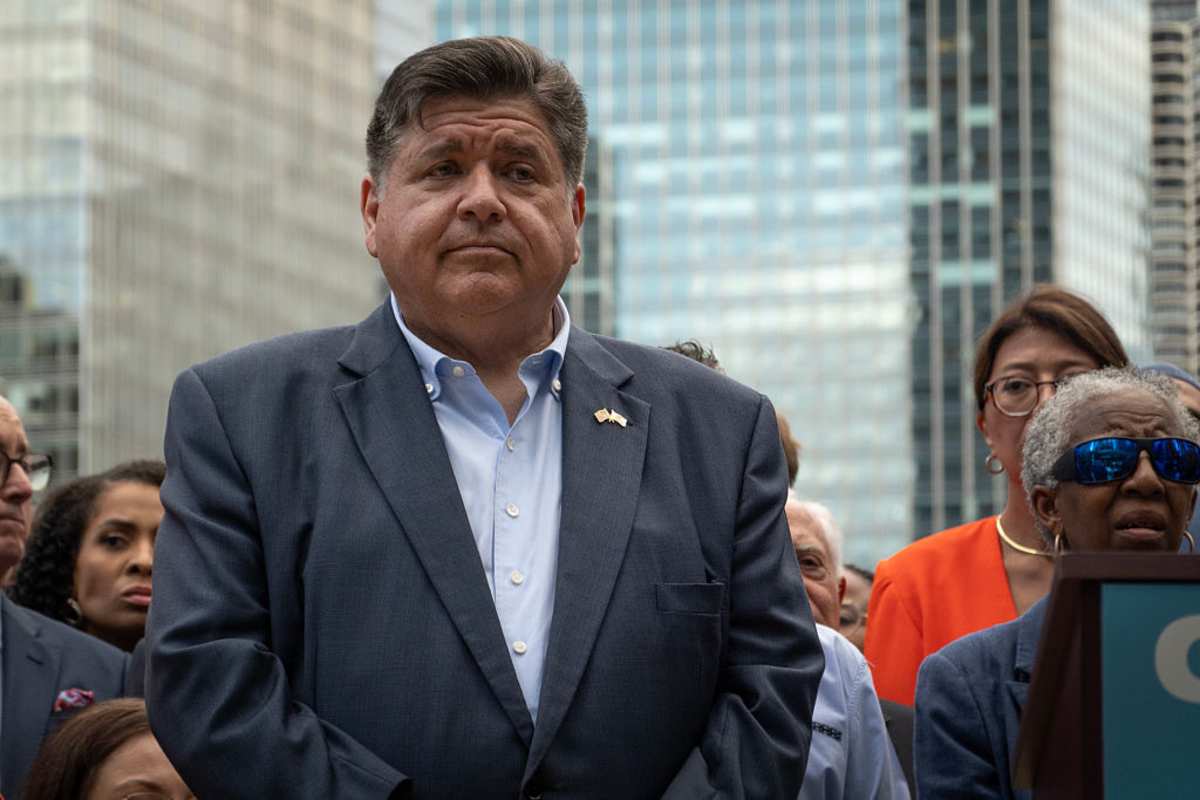
Pritzker escalated his response during the briefing, calling the ruling an “abomination” and making it clear that Illinois would not accept the outcome without a fight.
“We’re not going to stand for it in Illinois,” he told reporters. “We’re going to push back. We have options for pushing back. And that is under discussion with the legislature even today.”
Illinois lawmakers prepare response as redistricting debate intensifies
Illinois lawmakers have already begun preparing for possible responses to the ruling, with redistricting reforms moving quickly through state channels.
The Illinois House has approved a proposed amendment aimed at strengthening protections for minority representation in future electoral maps.
If advanced, the measure would still require voter approval before becoming law.
The proposal is now under consideration in the state Senate, which faces a May 3 deadline to decide whether it will appear on the November ballot.
While Illinois’ next scheduled redistricting cycle is set for 2031, the current legal shift has accelerated political maneuvering around the issue.
Democrats warn Supreme Court ruling could weaken voter protections
Pritzker’s criticism was echoed by national Democratic leaders, including Senate Minority Leader Chuck Schumer, who warned of broader consequences for voter protections.
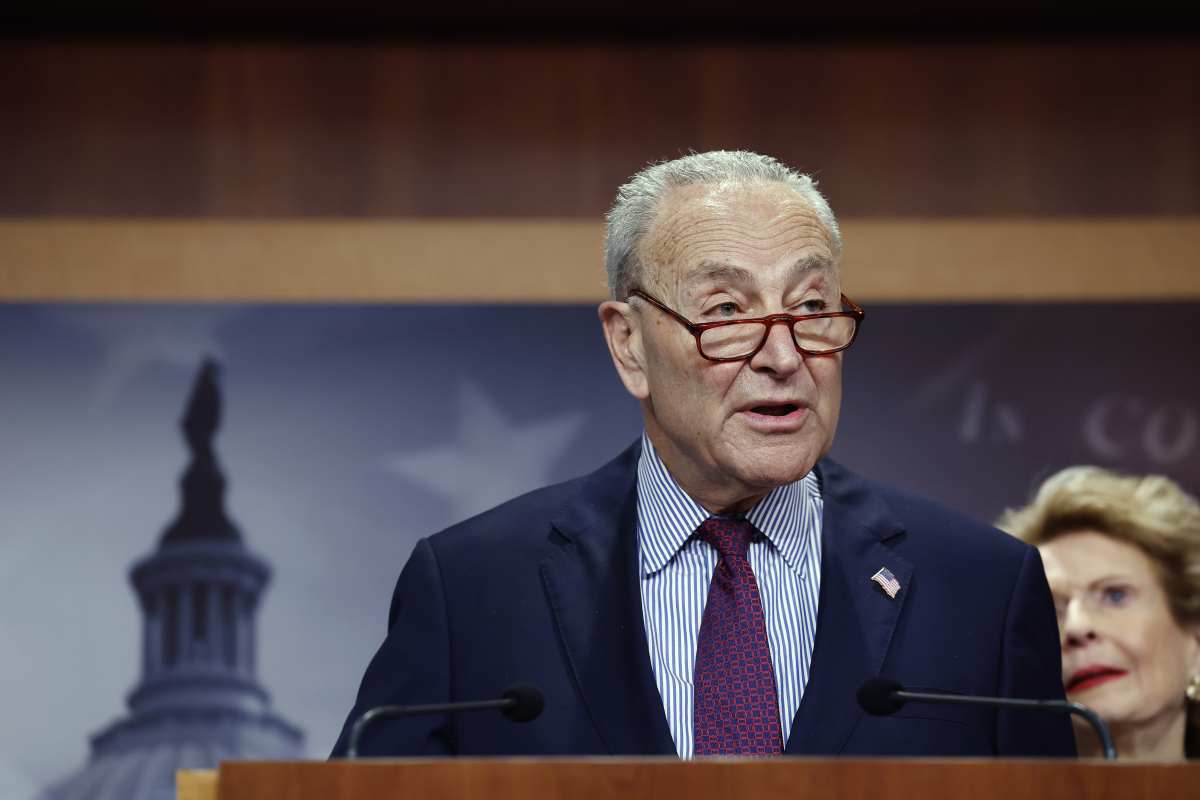
“The consequence is as clear as it is dangerous: fewer protections for voters, more power for politicians to draw maps that silence them, particularly voters historically disenfranchised,” Schumer said in a statement.
Democrats argue the ruling could weaken Section 2 of the Voting Rights Act, which prohibits racial discrimination in voting and has long served as a key legal safeguard.
Republicans defend ruling as win for states’ rights and redistricting power
Republican leaders, meanwhile, welcomed the decision as a win for states’ authority over election rules and redistricting.
Florida Governor Ron DeSantis said the ruling aligned with his state’s approach to congressional maps and ongoing redistricting efforts.
“The decision implicates a district in FL - the legal infirmities of which have been corrected in the newly-drawn (and soon to be enacted) map,” DeSantis wrote on social media.
Called this one months ago.
— Ron DeSantis (@RonDeSantis) April 29, 2026
The decision implicates a district in FL — the legal infirmities of which have been corrected in the newly-drawn (and soon to be enacted) map. pic.twitter.com/p9VbStvxf3
In Mississippi, Governor Tate Reeves said he would call a special legislative session within 21 days to address redistricting changes.
Mississippi Senate Leader Delbert Hosemann also supported the ruling, arguing that states are capable of managing their own election maps without federal intervention.