'Promise made, promise kept': Karoline Leavitt's late-night post on Housing Bill didn’t age well
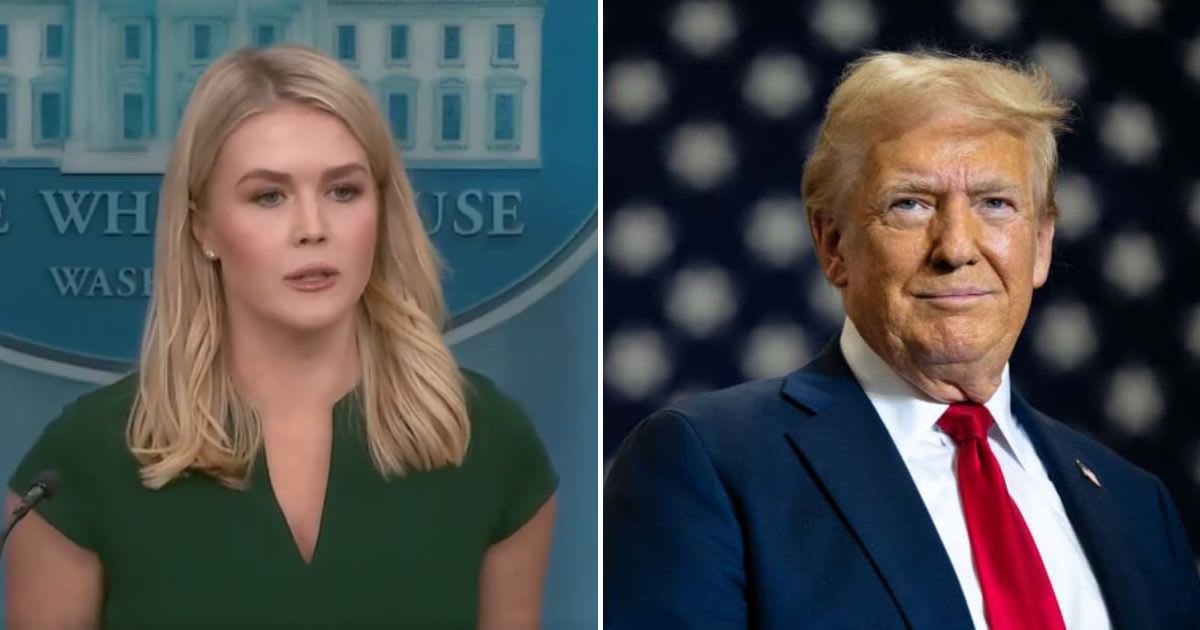
WASHINGTON, DC: White House press secretary Karoline Leavitt announced on Tuesday, June 23, that President Donald Trump would sign the bipartisan 21st Century ROAD to Housing Act into law, calling it “another promise made, promise kept.”
However, hours before the scheduled ceremony, on Wednesday, June 24, Trump canceled the signing and said the event would not take place until Congress passes the SAVE America Act. The last-minute reversal came after the White House had promoted the bill as a significant step toward addressing housing affordability.
Karoline Leavitt touts historic Housing Bill, before signing is canceled
Leavitt announced the planned signing in a post on X at 9:50 pm on June 23, writing that Trump would sign the legislation at noon the following day on Capitol Hill.
“Tomorrow at 12 PM on Capitol Hill, President Trump will sign into law the 21st Century ROAD to Housing Act, one of the most significant pieces of housing affordability legislation in American history,” Leavitt wrote.
Tomorrow at 12PM on Capitol Hill, President Trump will sign into law the 21st Century ROAD to Housing Act, one of the most significant pieces of housing affordability legislation in American history.
— Karoline Leavitt (@PressSec) June 24, 2026
This bipartisan bill includes policies long championed by the President. It…
Leavitt said the legislation reflected policies supported by Trump and his position that “homes should be owned by American families, not large corporations.”
“President Trump promised to lower housing costs, and he is delivering, making it easier for every family to achieve the American Dream of homeownership,” she wrote. “Tomorrow’s historic bill signing is another promise made, promise kept.”

The bill had passed both chambers of Congress with bipartisan support and was viewed by lawmakers and housing groups as one of the most significant federal housing efforts in years. The legislation includes more than 40 provisions aimed at expanding housing availability, supporting construction, and addressing barriers that have contributed to affordability challenges.
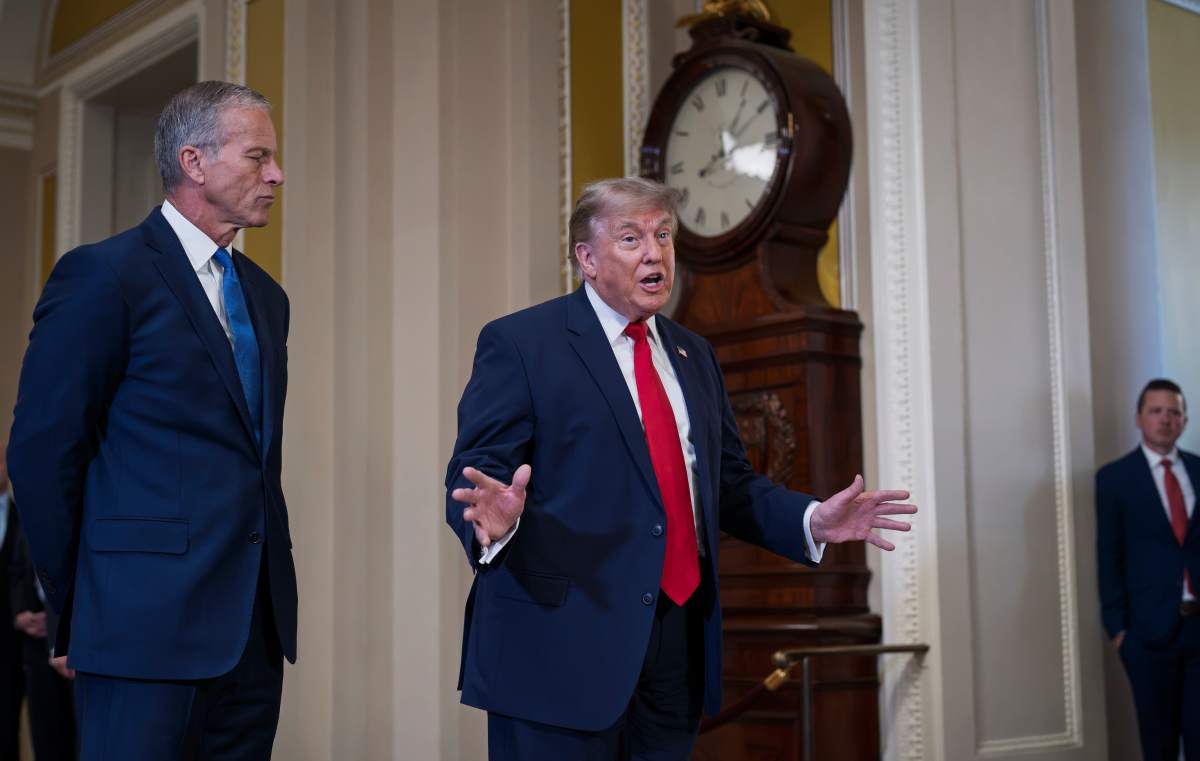
By Wednesday, June 24 morning, however, Trump canceled the scheduled event. He announced the decision in a Truth Social post, writing, “Today’s Housing News Conference and Signing is hereby cancelled until such time as we pass the desperately needed SAVE AMERICA ACT, which I consider to be a National Emergency.”
Trump says he’s canceling the signing of the housing bill. pic.twitter.com/sCaeU1CX6p
— Kaitlan Collins (@kaitlancollins) June 24, 2026
No further explanation was provided for the reversal beyond Trump’s demand that Congress first act on the SAVE America Act.
Trump pushes SAVE America demand, says interest rates hold key to housing costs
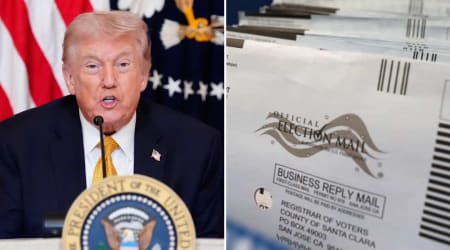
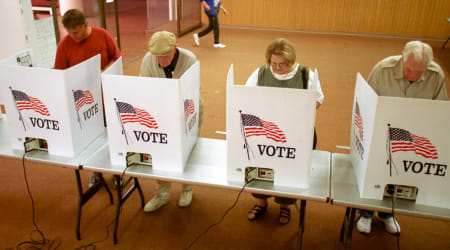
Trump’s decision tied the future of the housing bill signing to the administration’s push for the Safeguard American Voter Eligibility (SAVE) Act, which would require proof of citizenship for voter registration. The legislation has become a major priority for Trump, though Republicans in Congress have faced difficulty securing enough support to advance it.
While speaking at the White House later on Wednesday, Trump said housing affordability was closely linked to interest rates and argued that lowering borrowing costs would have the biggest impact on homebuyers.
“Lower the interest rates, you can have all the housing you want,” Trump said. “I don't want to hurt people that own houses. To these people, for the first time in their lives, they have valuable houses.”
Reporter: Would you veto the housing bill?
— Open Source Intel (@Osint613) June 24, 2026
Trump: I said I’m not signing it. I made billions of dollars with housing. I know housing better than anybody. Lower interest rates. I don’t want to hurt people that own houses either. These people, for the first time in their lives,… pic.twitter.com/E3KvVAdmiT
The decision comes as Trump continues pressing Congress to advance the SAVE America Act, a measure he has repeatedly described as a “national emergency.”