Robinson's lover says he 'wished he hadn't done it' after killing Charlie Kirk, calls him 'erratic'
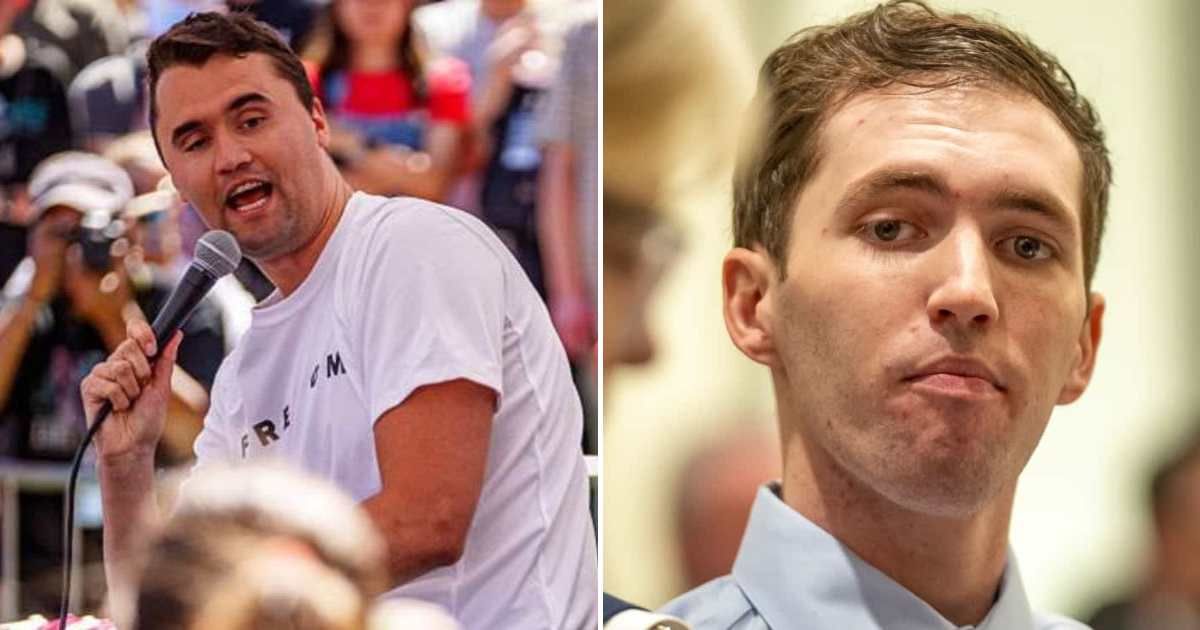
PROVO, UTAH: Prosecutors introduced another key piece of evidence on Thursday, July 9, in the aggravated murder case against Tyler Robinson, the man accused of assassinating conservative activist Charlie Kirk.
Jurors heard recorded police interviews in which Robinson's former roommate and romantic partner, Lance Twiggs, claimed the defendant admitted responsibility for the shooting, broke down in tears and said he regretted carrying it out.
BREAKING: Tyler Robinson’s roommate Lance Twiggs says Robinson was acting “erratically” and pacing around after the assassination of Charlie Kirk.
— Overton (@overton_news) July 9, 2026
Twiggs claims Robinson said that he wished he hadn’t gone through with it.
TWIGGS: “I just asked him in person if what he said was… pic.twitter.com/w10j5CDP8d
Lance Twiggs says Tyler Robinson admitted to killing Kirk
The recordings, played during Robinson's preliminary hearing, captured Twiggs describing his first encounter with Robinson after the fatal shooting.
Twiggs testified that he had confronted Robinson after receiving messages that appeared to suggest he was behind Kirk's killing.
When he asked whether the claims were true, Robinson allegedly confirmed them.
According to Twiggs, Robinson then became emotional.
"He started crying a little bit and said he wished he hadn't done it," Twiggs told investigators during the interview played in court.
Twiggs said Robinson appeared unable to remain still afterwards, repeatedly walking around their apartment instead of sitting down.
🚨 JUST IN: Tyler Robinson started "SQUIRMING" and "swinging uncomfortably in his chair" when the rifle was discussed and text messages with Lance Twiggs were shown, per Fox
— Nick Sortor (@nicksortor) July 9, 2026
Robinson's mom was also seen CRYING in the courtroom while details about Robinson using grandpa's rifle… pic.twitter.com/FEu6eDN58D
According to Fox News, Tyler Robinson appeared visibly uncomfortable in court as prosecutors presented rifle evidence and texts with Lance Twiggs, while his mother was seen crying during the proceedings.
Lance Twiggs details Tyler Robinson's behavior
Describing Robinson's behavior, Twiggs said the defendant spent much of the meeting moving through the apartment, seemingly trying to occupy himself.
The witness told investigators Robinson looked distracted and restless throughout the conversation.
Twiggs testified that he eventually left because Robinson said he planned to surrender to authorities.
"I didn't want to be there regardless of what went down," Twiggs explained. Robinson later turned himself in to police.

Thursday's testimony built on evidence prosecutors introduced earlier, including text messages allegedly exchanged between Robinson and Twiggs shortly after the shooting.
Prosecutors have also presented testimony about a handwritten note they say Robinson left behind before his arrest.
According to investigators, the note stated: "I had the opportunity to take out Charlie Kirk, and I took it."
The prosecution argues that the messages, the note, and Twiggs' testimony together form a direct admission of guilt.
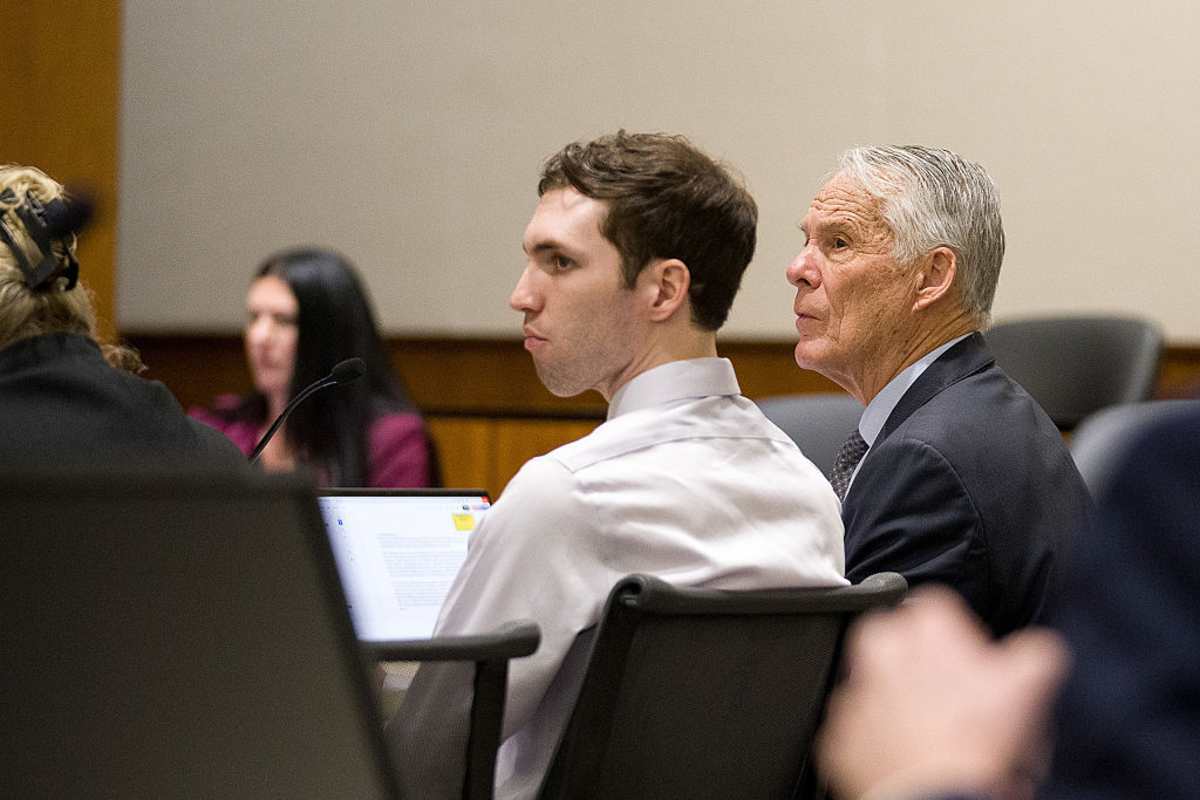
Defense opposed release of recordings
The recordings became public after Robinson's attorneys unsuccessfully argued against releasing them during the preliminary hearing.
Defense lawyers maintained that airing the interviews before trial could prejudice potential jurors because prosecutors would characterize the statements as a confession.
Attorneys representing media organizations and Charlie Kirk's family pushed for greater transparency.
🚨 UPDATE: In a visibly jarring moment, the judge in the Charlie Kirk assassination trial of Tyler Robinson suddenly flinches after graphic footage of the incident is played
— Eric Daugherty (@EricLDaugh) July 6, 2026
THAT'S how bad it really was.
And Robinson has no remorse.
Pray for Erika Kirk and Charlie's family, we… pic.twitter.com/Osn3SeZT2h
Jeffrey Neiman, representing Kirk's widow Erika Kirk, argued that publicly presenting the evidence was essential after the family had waited nearly 10 months for the hearing.
Judge Tony Graf declined to release every exhibit without restriction, saying the court must balance public access with the defendant's right to a fair trial.
Portions of Thursday's recordings remained redacted.