Rubio defends NATO in Rome while accusing a European ally of blocking a US military mission
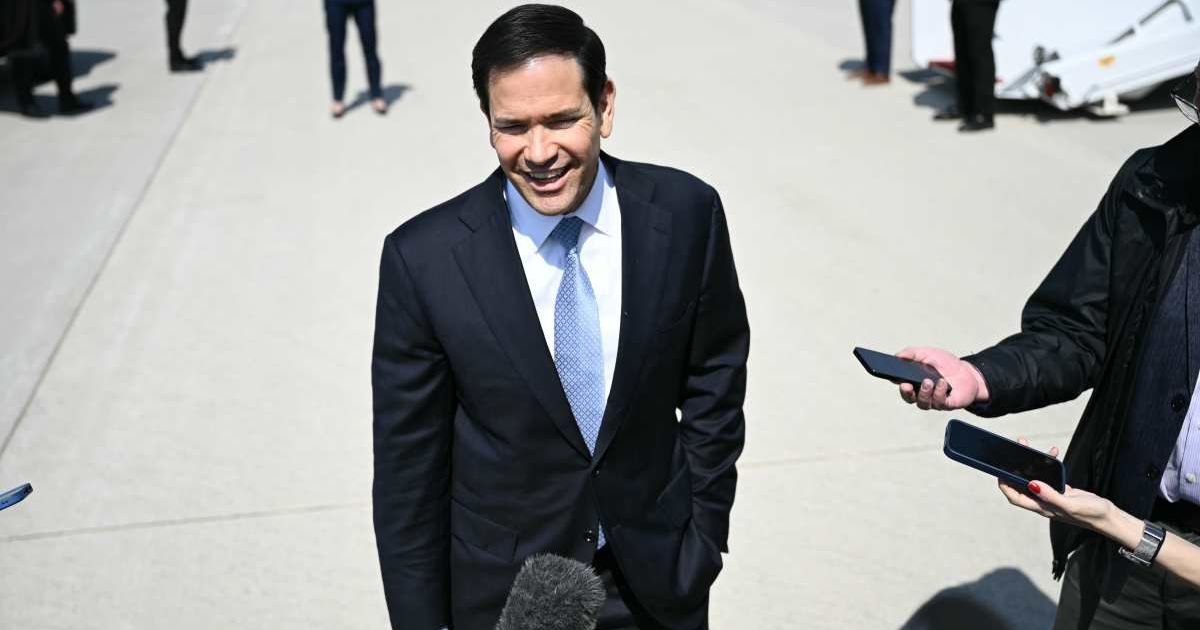
ROME, ITALY: Secretary of State Marco Rubio took to the world stage in Italy on Friday, May 8, to address the mounting friction within the North Atlantic Treaty Organization, describing himself as a "strong supporter of NATO" despite the intensifying rhetoric from the Trump administration.
Speaking to reporters following a high-level meeting with Italian Prime Minister Giorgia Meloni, Rubio attempted to balance his career-long advocacy for the alliance with the harsh realities of recent military non-cooperation that has left the White House questioning the utility of the bloc.
NEW: Secretary of State Marco Rubio explains why he and President Trump made the decision to go to war with Iran.
— FOX & Friends (@foxandfriends) April 1, 2026
The explanation comes as President Trump is reportedly strongly considering pulling the U.S. out of NATO, describing the alliance as a "paper tiger." pic.twitter.com/RyfJgXXBr3
The secretary’s visit comes at a time of profound tension, as the administration re-evaluates its security commitments in the Mediterranean.
President Trump has recently referred to the alliance as a "paper tiger," a sentiment fueled by the refusal of certain European partners to support recent American military actions in the Middle East.
While Rubio sought to reassure his hosts of his personal support, he did not shy away from the grievances that have brought the alliance to its current breaking point.
Alliance purpose questioned during recent conflicts
NEW: Marco Rubio calls out NATO countries who denied the United States access to key bases in order to carry out military missions:
— Fox News (@FoxNews) May 8, 2026
"We had a contingency. And some countries in Europe, some countries in Europe, like Spain, as an example, denied us the use of those bases for a… pic.twitter.com/N0RYxVecFW
Secretary Rubio emphasized that the fundamental purpose of NATO membership is for allies to provide assistance during "contingencies," a standard he suggests was not met during the recent US strikes against Iran.
"We had a contingency," Rubio noted, highlighting a significant breakdown in the collective security framework.
He argued that the alliance is built on mutual support, and the lack of a unified front during recent operations has forced a recalculation of how much the United States can rely on its European partners when American interests are directly threatened outside the continent.
Base access denials impeded vital missions
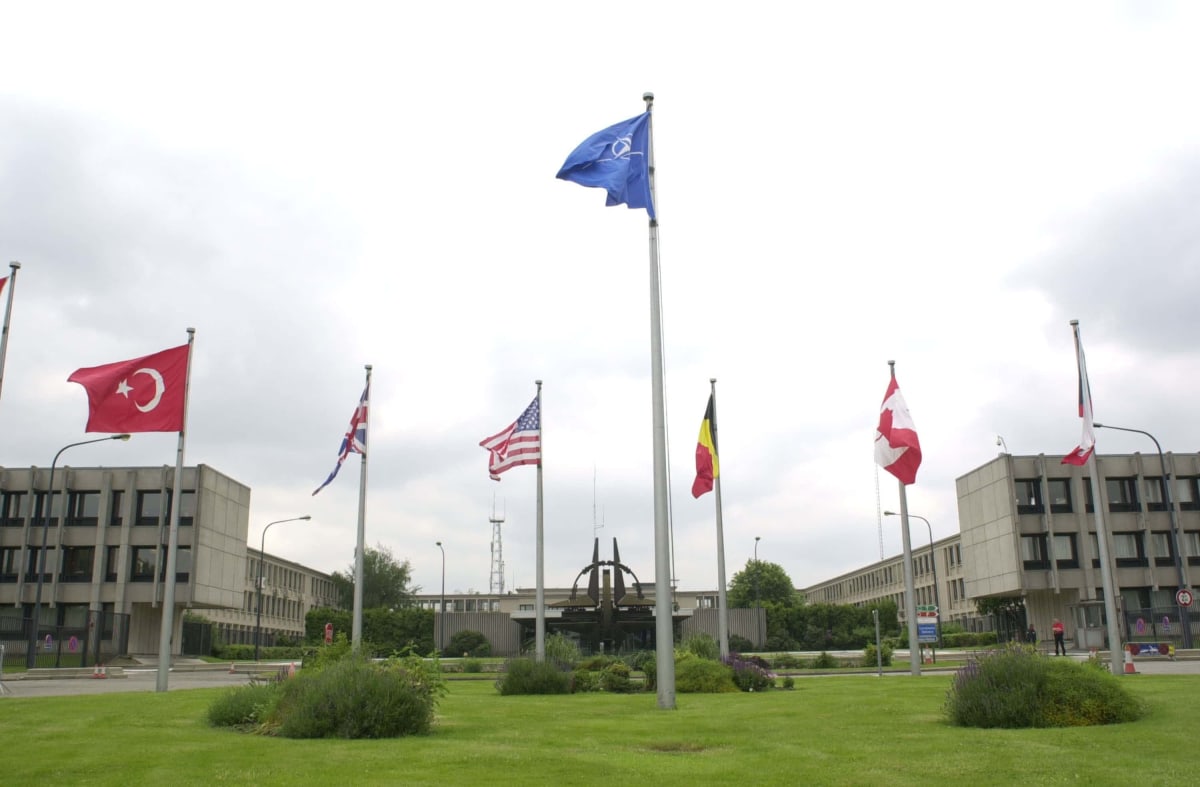
In a direct critique of specific alliance members, Rubio revealed that the mission against Iran was actively hampered by diplomatic roadblocks within Europe.
"Some countries in Europe – some countries in Europe like Spain, as an example – denied us the use of those bases for a very important contingency," the secretary stated.
He further asserted that these denials "actually impeded the mission," creating logistical hurdles that complicated the US military's response.
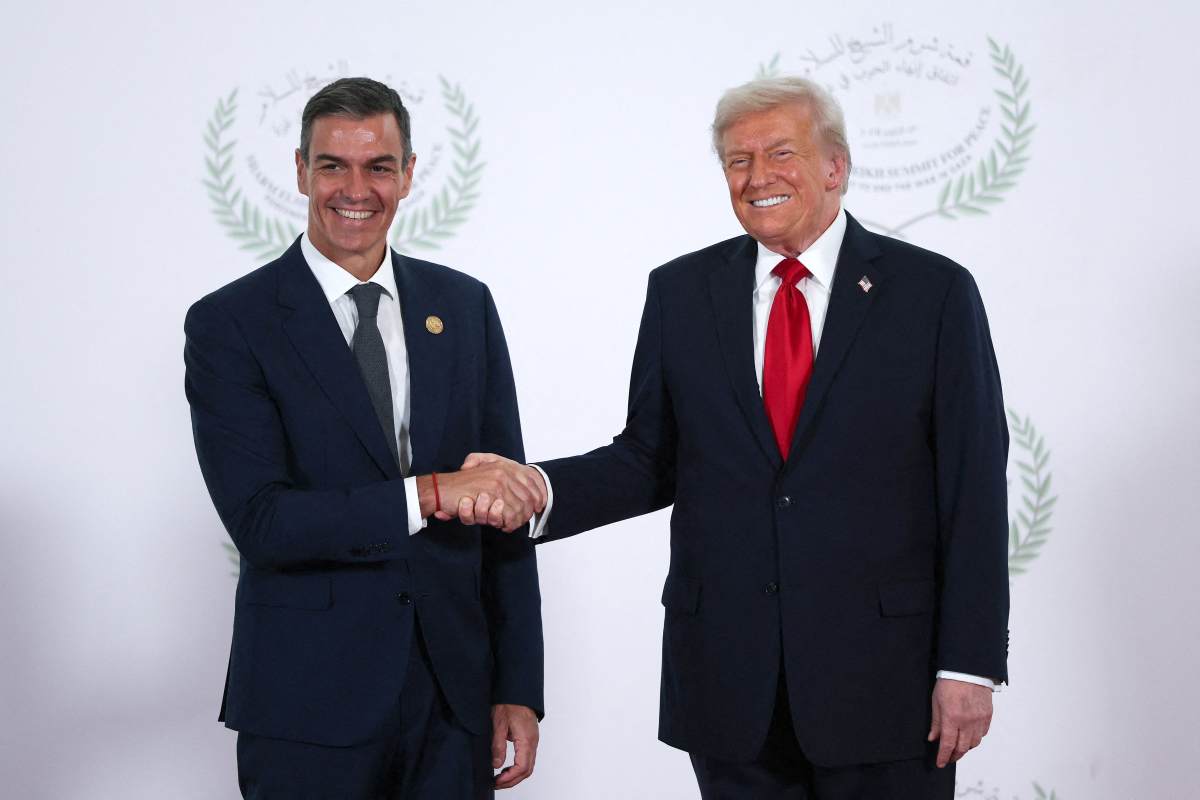
This lack of access to critical infrastructure has become a central point of contention, leading the administration to view certain memberships as purely nominal rather than functional.
Trump weighs withdrawal of American forces
The fallout from these diplomatic frictions has led to explicit threats of US military retrenchment. President Trump has threatened to withdraw American troops from both Italy and Spain, viewing the base denials as a violation of the spirit of the alliance.
When pressed on the future of these deployments, Rubio stated he had no official announcements to make, clarifying that the ultimate fate of American forces remains the president’s decision.
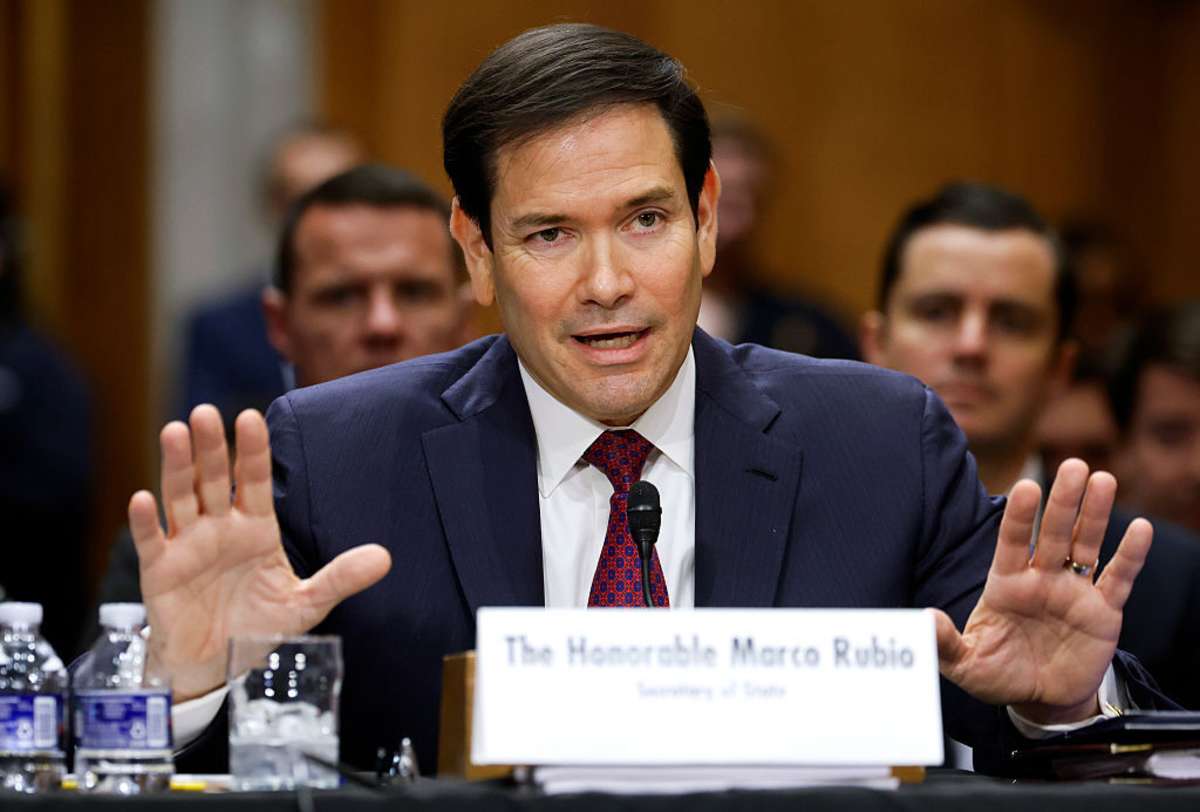
The secretary's comments leave the future of the Mediterranean security architecture in a state of uncertainty, as the White House continues to demand that allies "step up to the plate" in tangible ways or face a total exit of US protection.