Rubio says Iran regime 'weaker than ever' as economy collapses
🇺🇸🇮🇷 Secretary of State Marco Rubio claims Iran is “weaker than ever” pic.twitter.com/yXnaRiAJaJ
— HOT SPOT (@HotSpotHotSpot) January 28, 2026
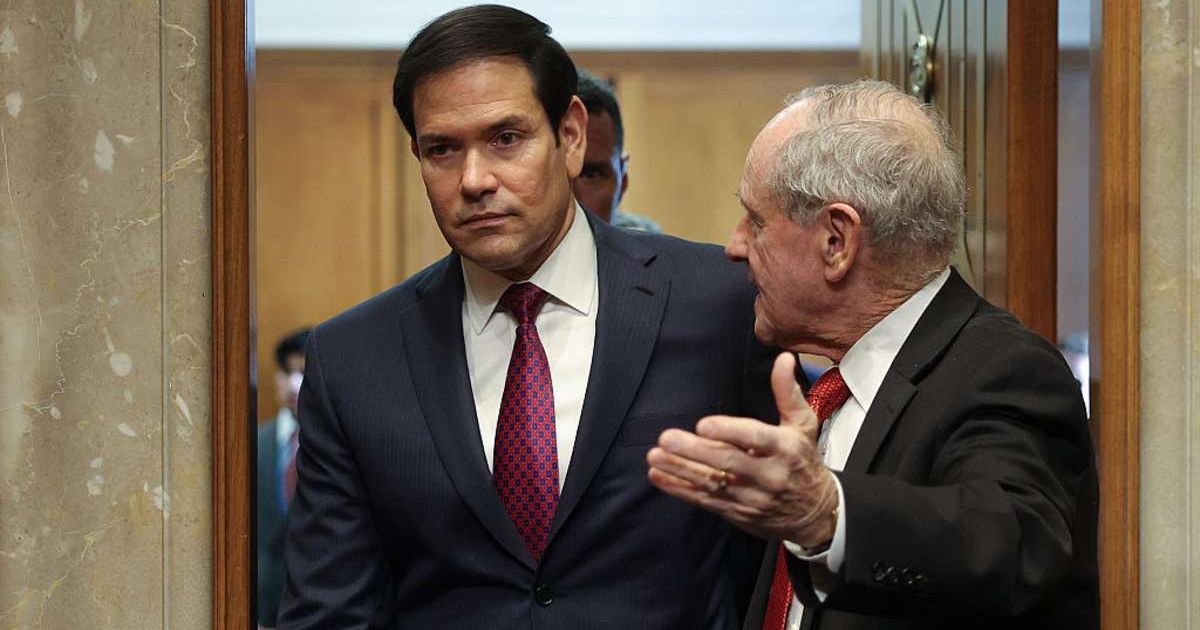
WASHINGTON, DC: Secretary of State Marco Rubio delivered a stark assessment of Iran’s leadership on Wednesday, telling the Senate Foreign Relations Committee that the regime “is probably weaker than it has ever been.” Testifying on Capitol Hill, Rubio described a government unable to meet basic needs at home and resorting to lethal force to maintain control.
The remarks came amid heightened tensions, days after Donald Trump warned that military action remains on the table if Tehran refuses to engage in a nuclear deal. Rubio said the regime is now defined by fragility, driven by economic collapse and an inability to contain unrest without violence.
Economy in collapse due to sanctions
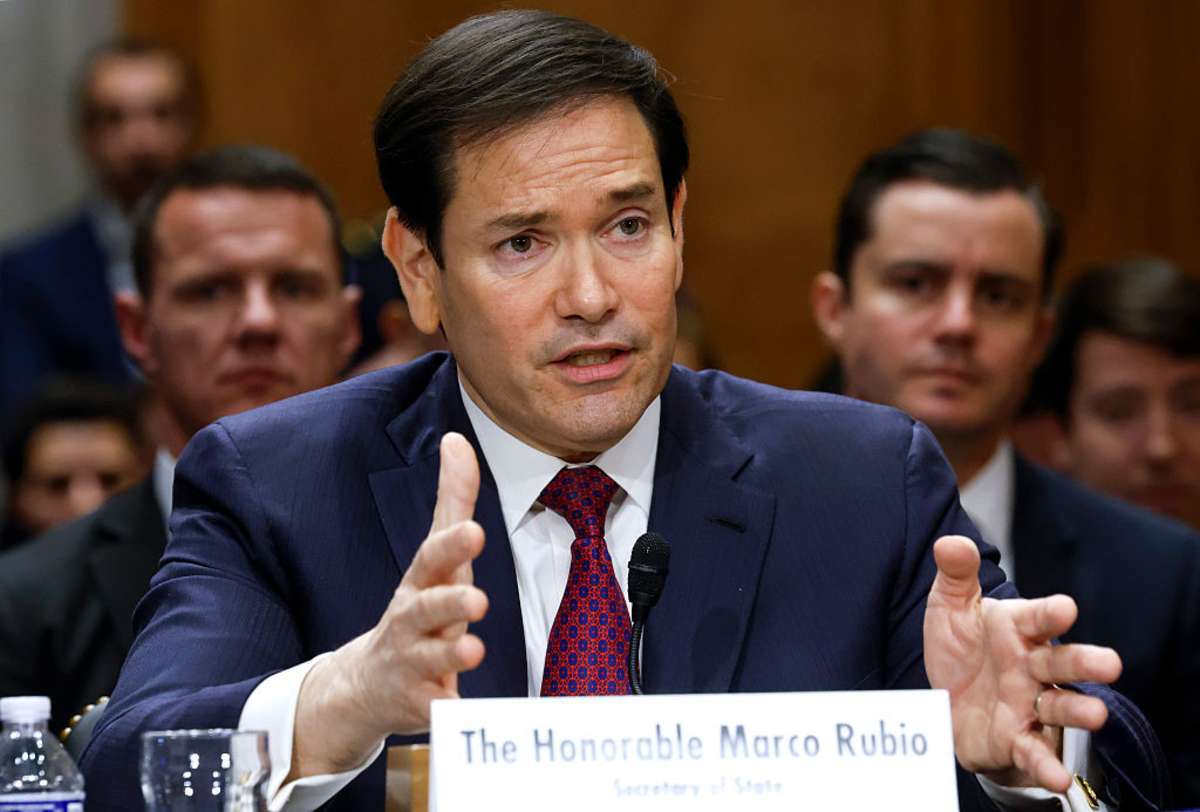
Rubio said Iran’s vulnerability stems from a broken economy. He told lawmakers that the country is “in collapse,” worsened by sanctions but ultimately driven by the regime’s own choices.
“They don’t have a way to address the core complaints of the protesters, which is that their economy is in collapse,” Rubio said. Instead of investing in domestic needs, he argued, the government spends “all their money and all their resources building weapons and sponsoring terrorist groups around the world.”
That imbalance, Rubio said, leaves Tehran with no peaceful way to channel public anger. Unlike past protests tied to isolated grievances, he told the committee, the current unrest is driven by structural economic failure.
Snipers used to crush dissent
Secretary of State Marco Rubio on the Iranian protests:
— TabZ (@TabZLIVE) January 28, 2026
The death toll is in the thousands, for certain.
I think regimes, including that one in Iran, have learned. that when you start shooting people in the head with snipers, it's effective. I mean, it works. And they've done… pic.twitter.com/d7VbvIvWj9
With no economic relief to offer, Rubio said the regime has turned to force, estimating deaths from recent demonstrations are “in the thousands.”
“I think regimes, including that one in Iran, have learned that when you start shooting people in the head with snipers, it’s effective,” Rubio said. “I mean, it works, and they’ve done it. It’s horrifying, and that’s what we’ve seen.”
He argued that resorting to lethal force against civilians reflects a lack of legitimacy and a narrowing set of options for those in power.
‘No one knows’ if regime falls, who follows Khamenei

Rubio cautioned lawmakers that the end of Iran’s current leadership would raise unanswered questions about what comes next. “No one knows” who would take over if Supreme Leader Ayatollah Ali Khamenei is removed, he said, calling the scenario “far more complex” than recent transitions elsewhere and one that would “require a lot of careful thinking.”
He outlined Iran’s power structure as divided among the supreme leader, the Islamic Revolutionary Guard Corps, and quasi-elected officials who ultimately answer to Khamenei. “That’s an open question,” Rubio said of succession. “No one knows what would take over.”
Rubio also argued that the United States must maintain a regional force posture capable of responding - and, if necessary, acting preemptively - to protect American troops and allies. “I think it’s wise and prudent to have a force posture within the region that could respond and potentially… preemptively prevent the attack against thousands of American servicemen and other facilities in the region,” he told the committee.
He said he hoped such action would not be required, but warned that Iran has amassed the capability to strike. Any transition, Rubio added, would be “even far more complex” given how long the regime has been in place, and would demand “a lot of careful thinking” if that eventuality ever arises.
Iranian presence causes real destabilisation
"We are having serious, counternarcotic talks with Venezuelan authorities about going after narcotics organizations. For the first time in 20 years, we are having serious conversations about eroding and eliminating the Iranian presence, the Chinese influence, the Russian presence… pic.twitter.com/KuDBiIDv1n
— Department of State (@StateDept) January 28, 2026
The hearing also addressed Iran’s footprint in the Western Hemisphere. Responding to Senator Dave McCormick, Rubio said it is not in Venezuela’s interest to host an “Iranian presence” or permit the “sale of Iranian weaponry into their country.”
He described the past relationship between Caracas and Tehran as “a deal with the devil,” saying that the entry of “criminal elements” has produced “real destabilisation” over time. Cutting those ties, Rubio argued, is essential for Venezuela’s long-term stability.
US offers better partnership opportunity
⚠️ Important
— Open News© (@OpenNewNews) January 28, 2026
Co-operating with the US is in Venezuela's interest, Rubio says
Rubio says co-operation with the US is in line with Venezuela's interests. The US will be a "far better partner" for a future Venezuelan government - and even for the current authorities - than some… https://t.co/FK9DvCThTO pic.twitter.com/reH0xkrA6k
Rubio framed alignment with Washington as the alternative. He told lawmakers that the United States would be “a far better partner” for a future Venezuelan government - and “even for the current authorities” - than the partners Caracas has relied on.
By contrasting Iran’s role with what he characterized as the stability offered by the US, Rubio said cooperation with Washington is “in line with Venezuela’s interests.” His testimony underscored a broader strategy aimed at isolating a weakened Iran beyond the Middle East and limiting its reach globally.