Venezuela's interim President Delcy Rodríguez rejects continued US influence over national politics
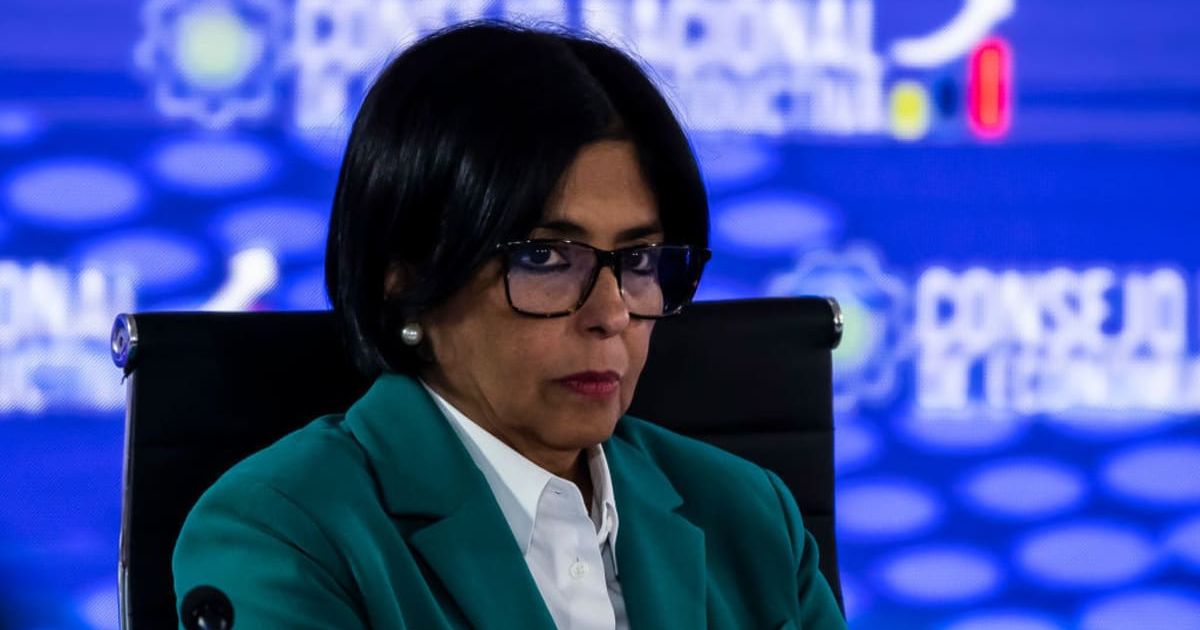
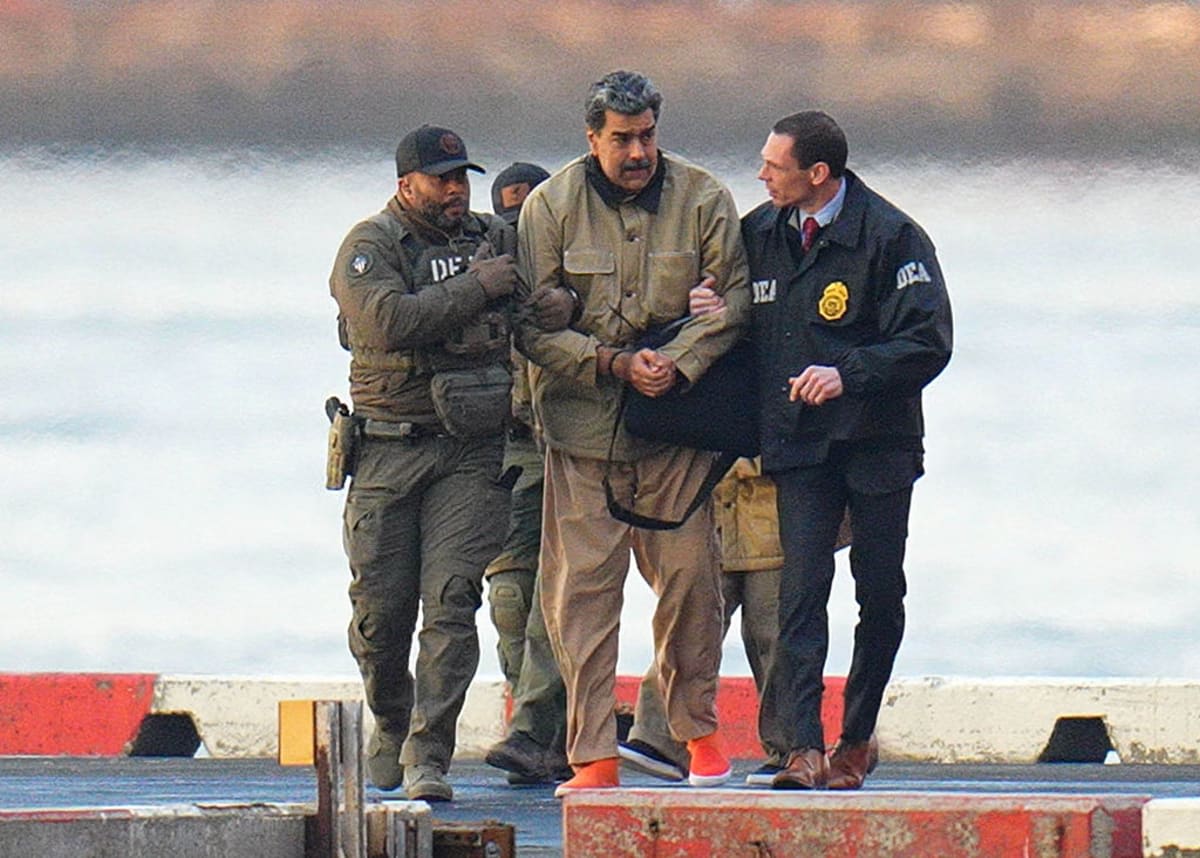
CARACAS, VENEZUELA: Venezuela’s acting President Delcy Rodríguez said on Monday, January 26, that she has had “enough” of orders from Washington, signaling a more assertive stance toward the United States nearly a month after the capture of former leader Nicolás Maduro by US forces.
Rodríguez, who assumed the interim presidency with US backing, made the remarks during an address to oil workers in the eastern port city of Puerto La Cruz.
Her comments came amid continued US pressure on Caracas over oil production, foreign policy alignment, and domestic political reforms.
Delcy Rodríguez rejects US orders while calling for internal unity
Speaking at an event broadcast on state-run Venezolana de Televisión, Rodríguez said that Venezuela should resolve its political differences without foreign direction.
“Enough already of Washington’s orders over politicians in Venezuela,” she told the crowd. “Let Venezuelan politics resolve our differences and our internal conflicts.”
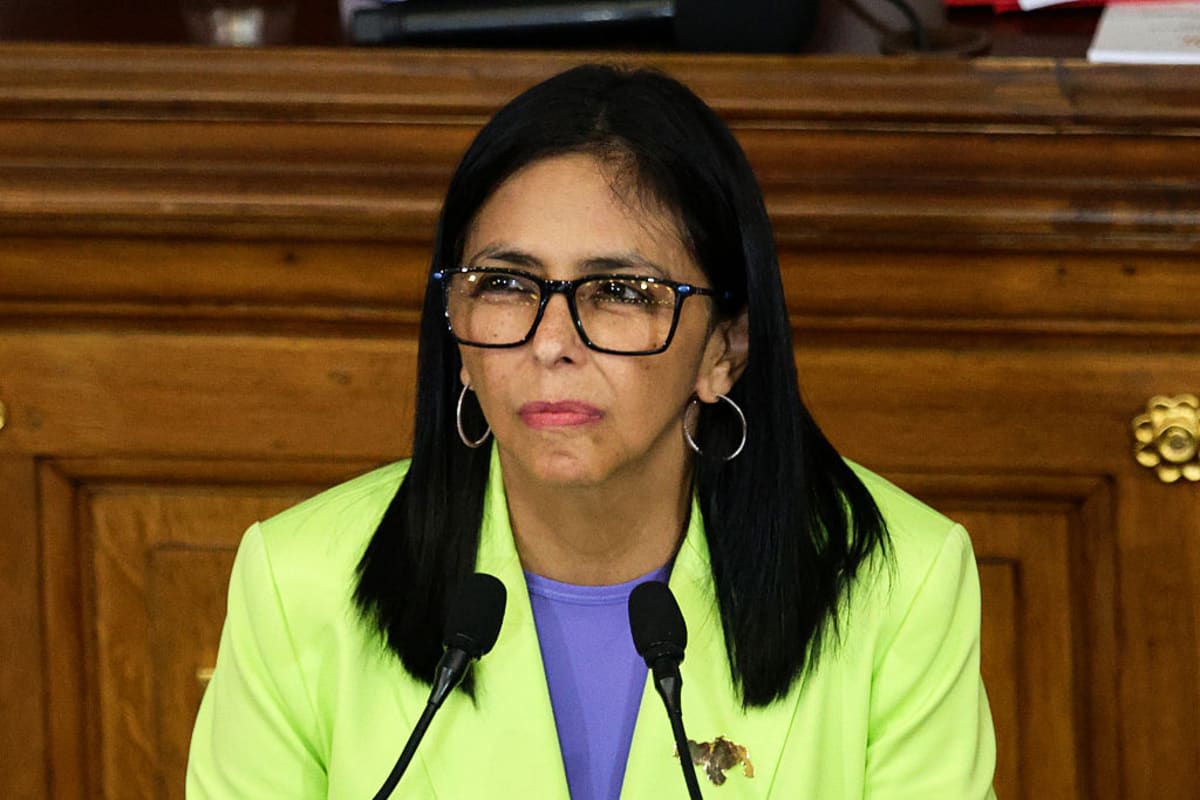
Rodríguez added that Venezuela paid a heavy price for prolonged political strife.
“This Republic has paid a very high price for having to confront the consequences of fascism and extremism in our country,” she said.
She later struck a confident tone, saying that the country should remain focused on peace and stability. “We are not afraid, because what must unite us as a people is guaranteeing peace and stability for this country,” she said, according to state and international media reports.
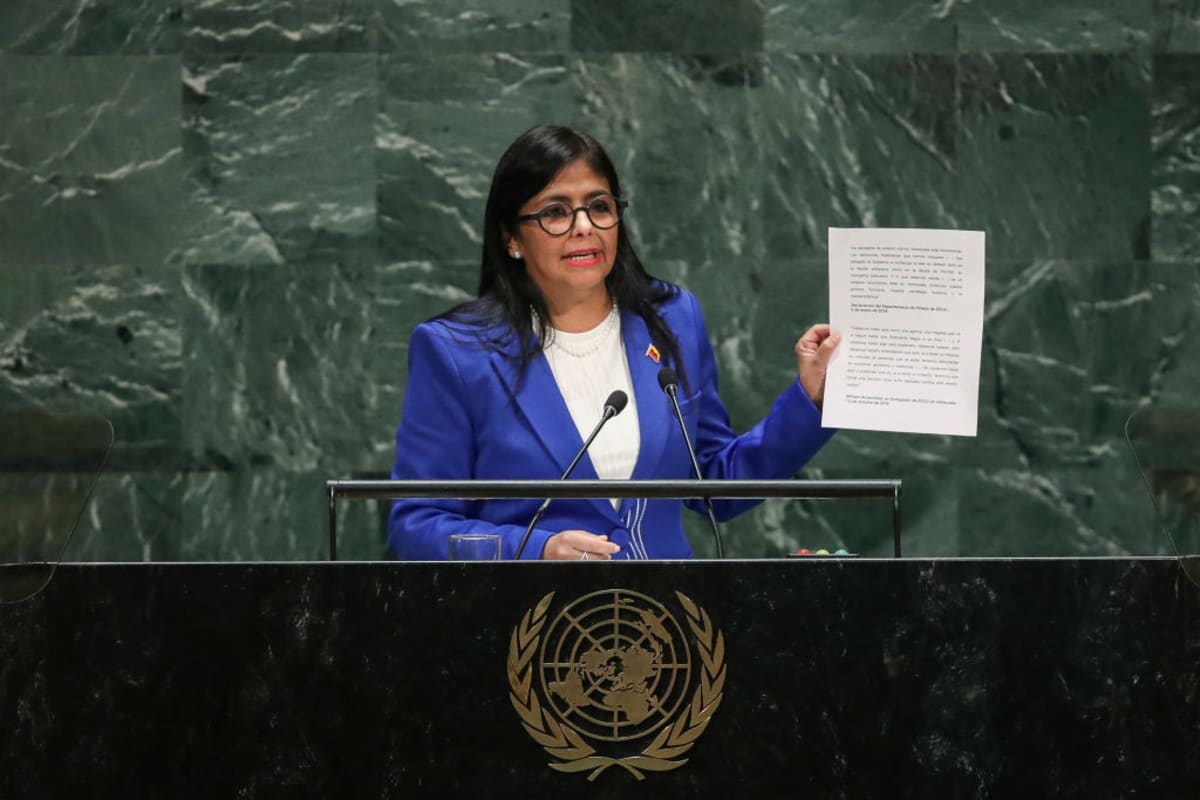
The acting president sought to balance competing pressures since taking office.
Backed by Washington following Maduro’s capture in an early January raid, Rodríguez also worked to retain the support of Maduro loyalists and other factions inside Venezuela.
In recent weeks, she repeatedly stated that the US did not govern Venezuela, while stopping short of direct confrontation with the White House.
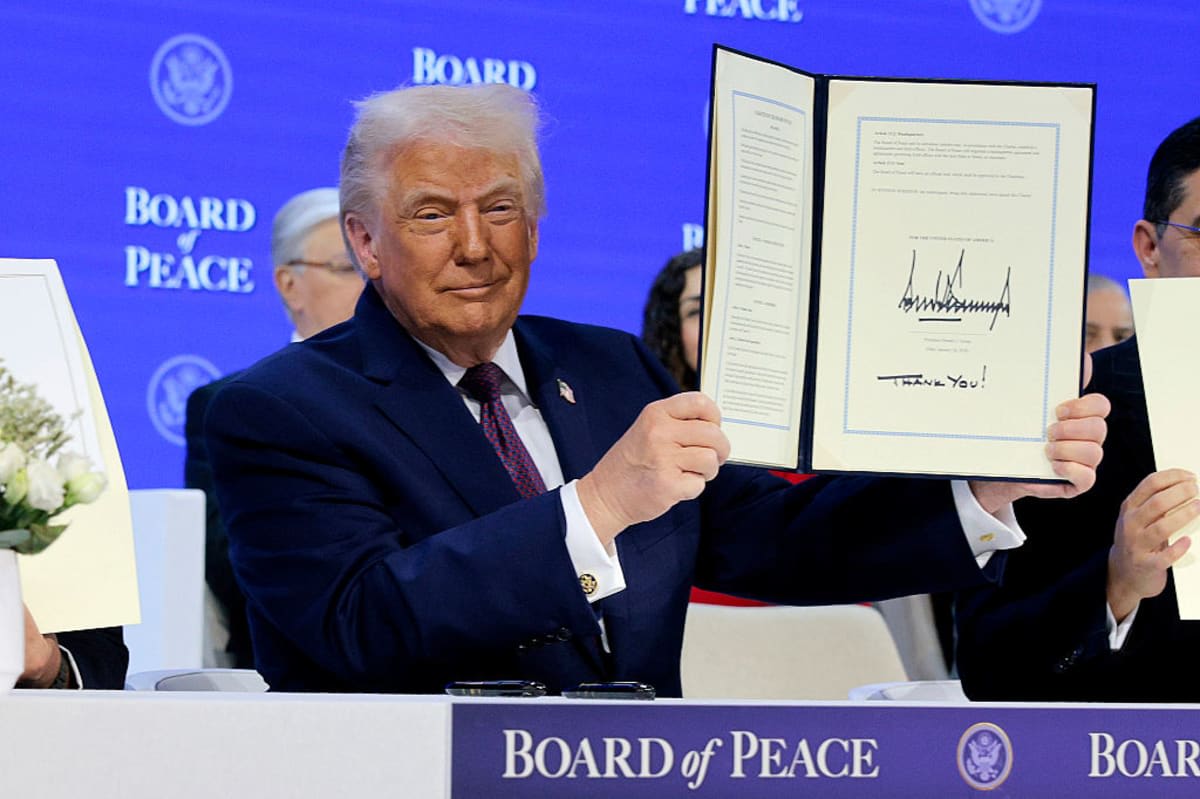
President Donald Trump initially claimed that the United States was “going to run” Venezuela after Maduro’s arrest, before later endorsing Rodríguez as interim leader.
US pressure and oil policy shifts
Rodríguez’s comments came as Washington pressed Caracas on a range of issues following Maduro’s removal.
For decades, oil-rich Venezuela had been in near-constant confrontation with the US. Now, after deposing Maduro, the Trump administration sought to secure a stable governing authority in Caracas.
According to two senior White House officials, the administration outlined several demands in the days after US strikes on Caracas in early January. These included cutting ties with China, Iran, Russia, and Cuba, and prioritizing partnerships with US oil companies.
Oil remained Venezuela’s primary economic driver.
The country held the world’s largest reserves of extra-heavy crude, which requires complex refining but is compatible with US refineries.
Venezuela’s legislature had begun debating a loosening of state control over the oil sector, marking a significant shift from the policies of late leader Hugo Chávez.
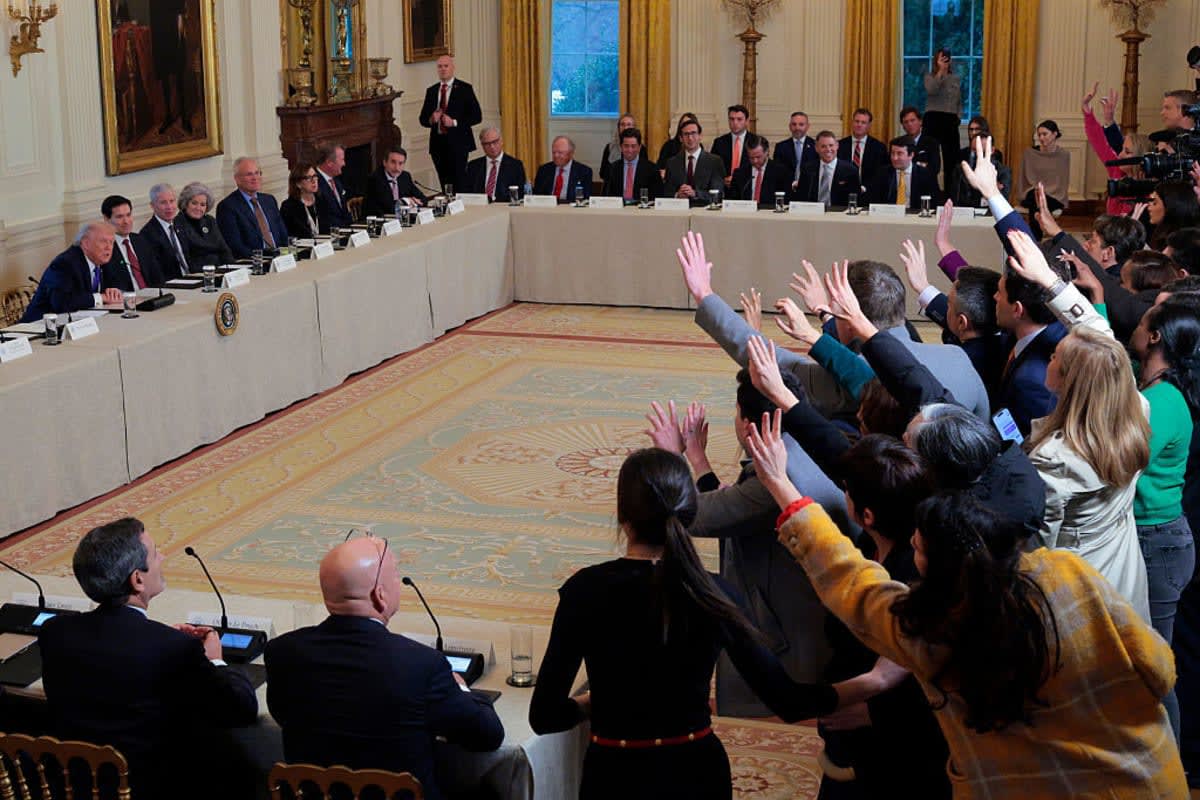
Separately, Venezuela had also begun releasing political prisoners under US pressure.
The non-governmental organization Foro Penal said on Sunday that it had verified the release of 104 political prisoners that day, revising an earlier figure of 80.
“This figure is not yet definitive and could increase as we proceed with verifications,” said Foro Penal attorney Gonzalo Himiob.
Authorities said that 626 detainees had been freed since December, though Foro Penal has recorded roughly half that number.