Rubio threatens to 'end the ICC' as Trump hits court with fresh sanctions in sovereignty fight
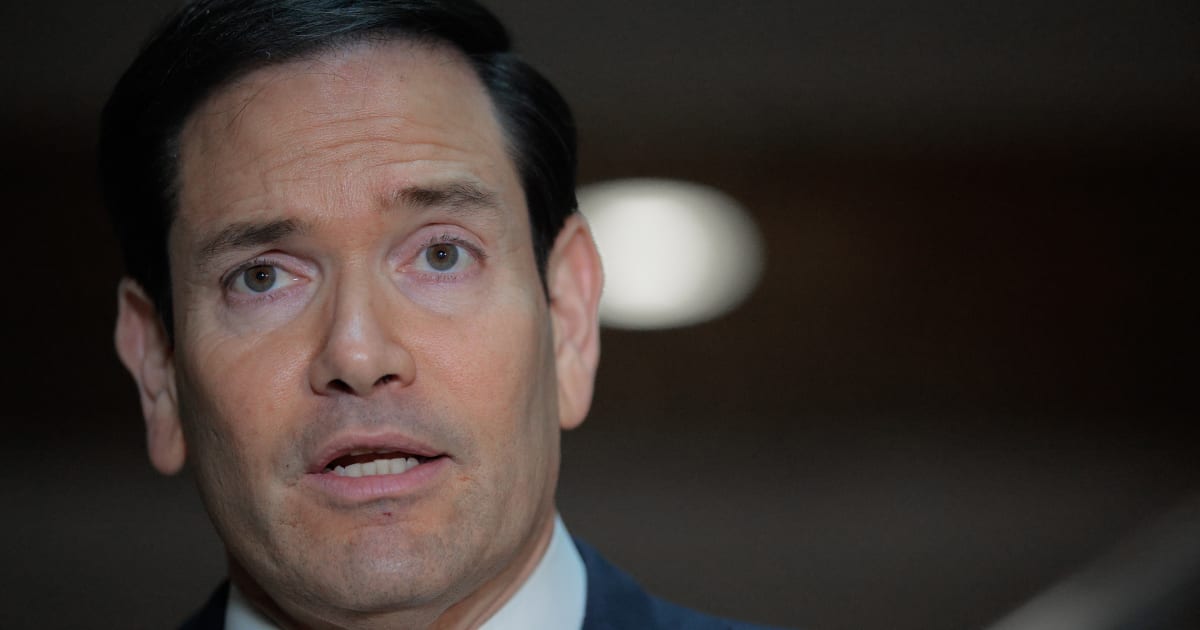
WASHINGTON, DC: The Trump administration, on Friday, October 9, escalated its confrontation with the International Criminal Court, threatening to dismantle the institution if it continues pursuing cases Washington considers an infringement on American sovereignty.
Secretary of State Marco Rubio announced a sweeping new financial restriction against the court, urging US allies to help curb its authority.
The move has drawn sharp objections from ICC officials and backing from Israeli Prime Minister Benjamin Netanyahu.
Today, the Trump Administration is sanctioning the ICC. This action should encourage our Allies within the Court to work for solutions to end this threat to U.S. sovereignty forever. https://t.co/D86dCqLUaZ
— Secretary Marco Rubio (@SecRubio) October 9, 2026
Rubio announces sanctions against ICC
Rubio made clear that Washington wants the court to abandon any attempt to exercise jurisdiction over American citizens, military personnel or political leaders.
In a video statement posted on X, the secretary of state argued that the United States had never joined the “rogue” ICC and therefore rejected its authority over Americans.
“We don’t need that court. And we don’t want it,” Rubio said.
He accused international officials of seeking greater powers at the expense of national sovereignty and said President Donald Trump would not permit the court to prosecute Americans.
Rubio delivered his sharpest warning at the end of his statement, presenting the administration's campaign against the institution as an ultimatum.
“Either the ICC will end its threats, or we will end the ICC,” he said.
He also called on countries that belong to the court to use their influence to rein in its activities.
Rubio argued that some of those nations depend on American military support for their security and should therefore help Washington challenge the institution.
The administration's latest action bars transactions with the ICC, while a temporary authorisation from the US Treasury Department gives individuals and organisations six months to wind down certain dealings.
The 180-day general licence permits limited activities during that period, including specified information technology services, pension-related matters and certain work involving people detained by the court.

Why Washington is targeting ICC
The latest confrontation reflects longstanding opposition in Washington to the court's ability to investigate conduct involving citizens of countries that have not accepted its jurisdiction.
The United States has particularly objected to ICC proceedings involving American military personnel over actions in Afghanistan.
The court has said it has deprioritised its investigation into those allegations.
Washington has also criticised the ICC over arrest warrants issued for Israeli officials, including Prime Minister Benjamin Netanyahu, in connection with the war in Gaza.
The Trump administration maintains that the court's actions threaten national sovereignty and could expose American officials and service members to proceedings they believe the institution has no authority to pursue.

The confrontation unfolded on the same day that former ICC judge Navanethem Pillay was awarded the Nobel Peace Prize for her work advancing accountability for grave international crimes.
The award recognised efforts to prosecute serious violations of international law, placing renewed attention on the role of judicial institutions in addressing atrocities.
ICC vows to continue work
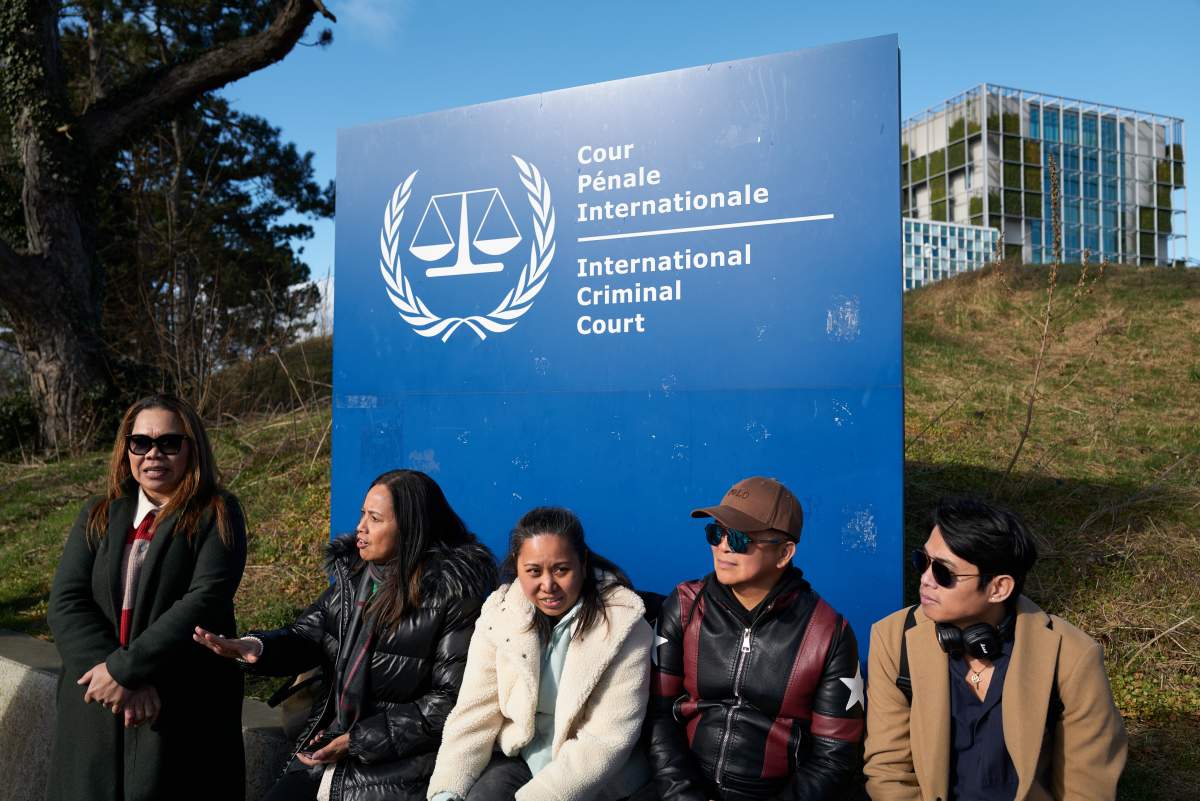
The court rejected the latest US measures, describing them as an unprecedented attack on an international judicial institution.
ICC President Tomoko Akane, who was herself sanctioned by the Trump administration in August, also insisted that the institution would not abandon its responsibilities.
She said the court would continue carrying out its mandate independently and impartially, relying on the law and evidence.
The ICC urged its member countries to help safeguard its ability to function despite the American restrictions.
Its statement warned that the response to the sanctions would have implications beyond the institution itself.
“No one should be punished for serving the cause of justice. History will judge this moment,” the court said.
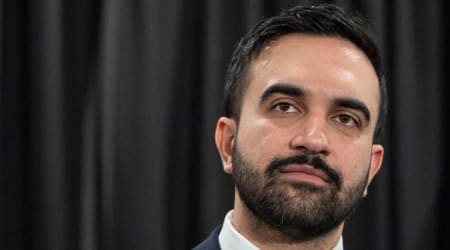
Deputy Prosecutor Khan also told Reuters that the sanctions “must be condemned,” arguing that they threatened international legal protections and the work of an independent court.
“Our work will continue across all our situations, our investigations and our prosecutions,” Khan said.
Prime Minister Benjamin Netanyahu: I commend President @realDonaldTrump and @SecRubio for taking this critical decision to sanction the ICC. The ICC is not a court. It is a political body that poses a mortal threat to law abiding democracies worldwide and to the very idea of national sovereignty. Thank you for your leadership.
— Prime Minister of Israel (@IsraeliPM) October 9, 2026
Netanyahu welcomes Trump move
Netanyahu praised the US decision, aligning himself with the administration's argument that the court threatens the sovereignty of democratic nations.
“I commend President Trump and Secretary Rubio for taking this critical decision to sanction the ICC,” the Israeli prime minister said.
He dismissed the institution's claim to judicial independence, describing it instead as a political body that posed a serious danger to countries that respect the law and to national sovereignty.
Netanyahu ended his statement by thanking Trump and Rubio for their leadership.
His response highlights the connection between the US sanctions and Washington's objections to the ICC's actions involving Israeli leaders.