Rubio's warning to China over Taiwan after Trump-Xi meeting: 'There would be repercussions'
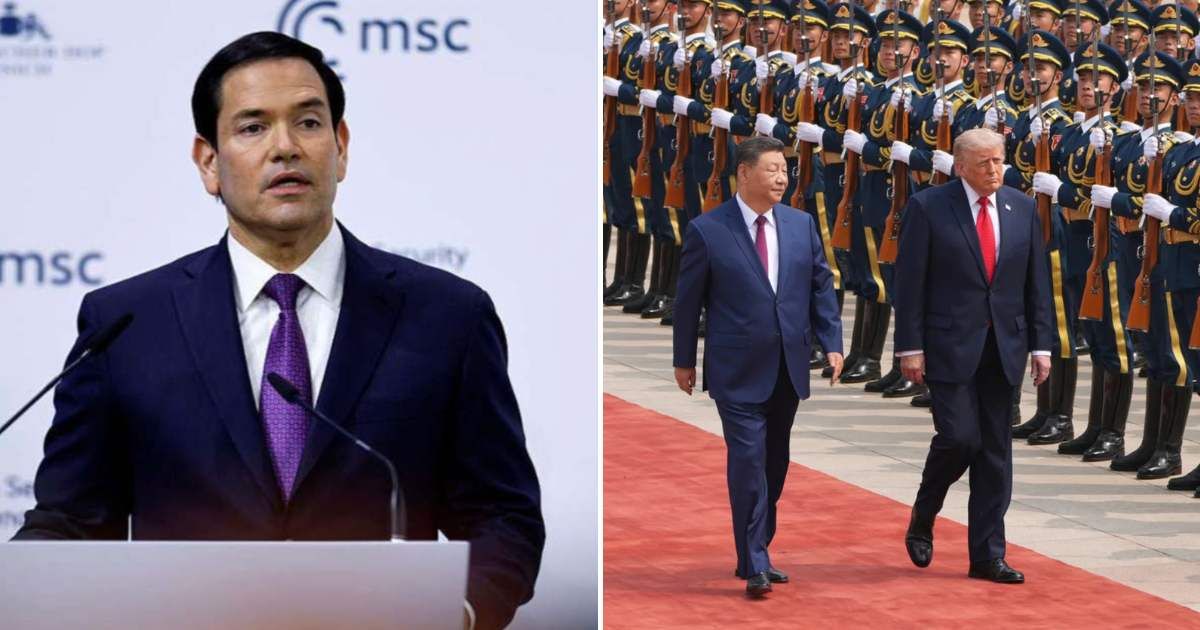
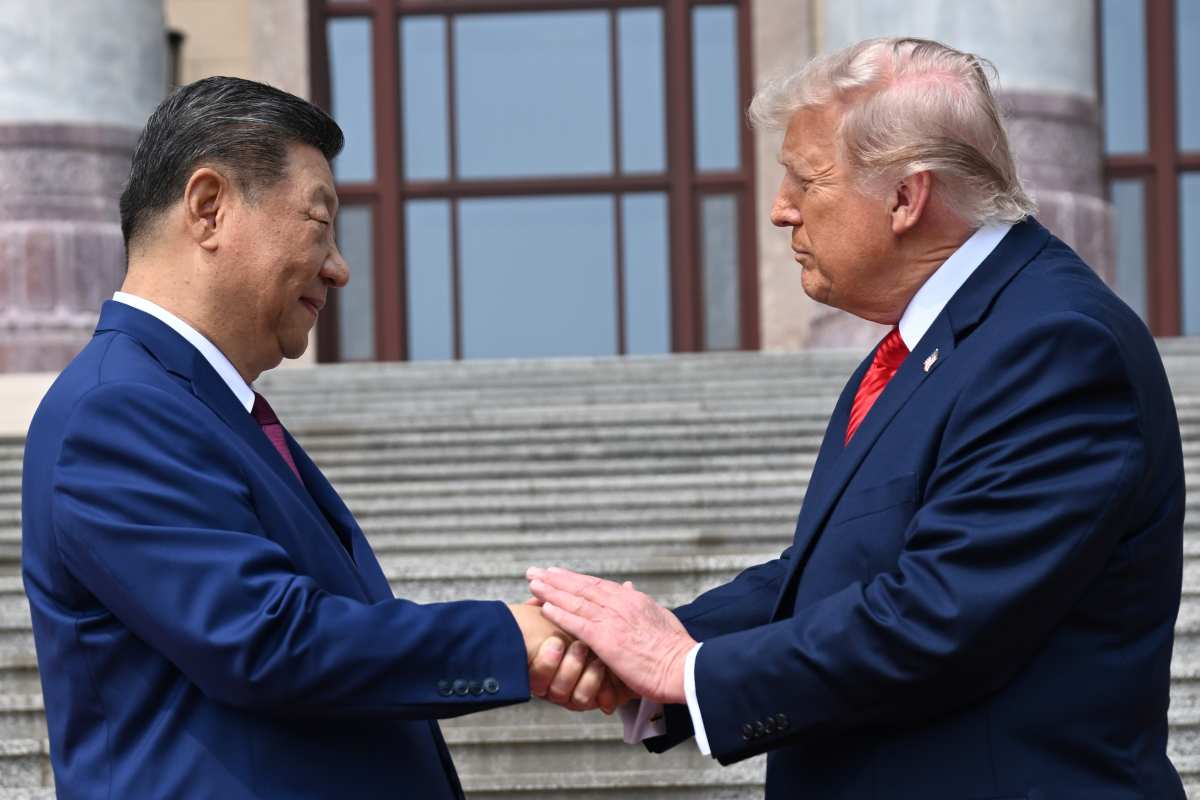
WASHINGTON, DC: President Donald Trump’s high-profile summit with Chinese President Xi Jinping in Beijing on Thursday, May 14, publicly opened with warm remarks and displays of cooperation, but Taiwan quickly emerged as a major point of tension behind closed doors.
Chinese officials later said Xi repeatedly raised the issue during the bilateral meeting, warning that the future stability of US-China relations depends on how Washington handles Taiwan.
From the Bilateral Meeting in Beijing:
— The White House (@WhiteHouse) May 14, 2026
President Trump had a good meeting with President Xi of China. pic.twitter.com/WaH8hR1ZV3
Following the talks, the White House released a statement focused largely on economic and geopolitical cooperation but made no mention of Taiwan, even as Chinese officials publicly highlighted the issue.
Marco Rubio warns China against force and reaffirms US policy
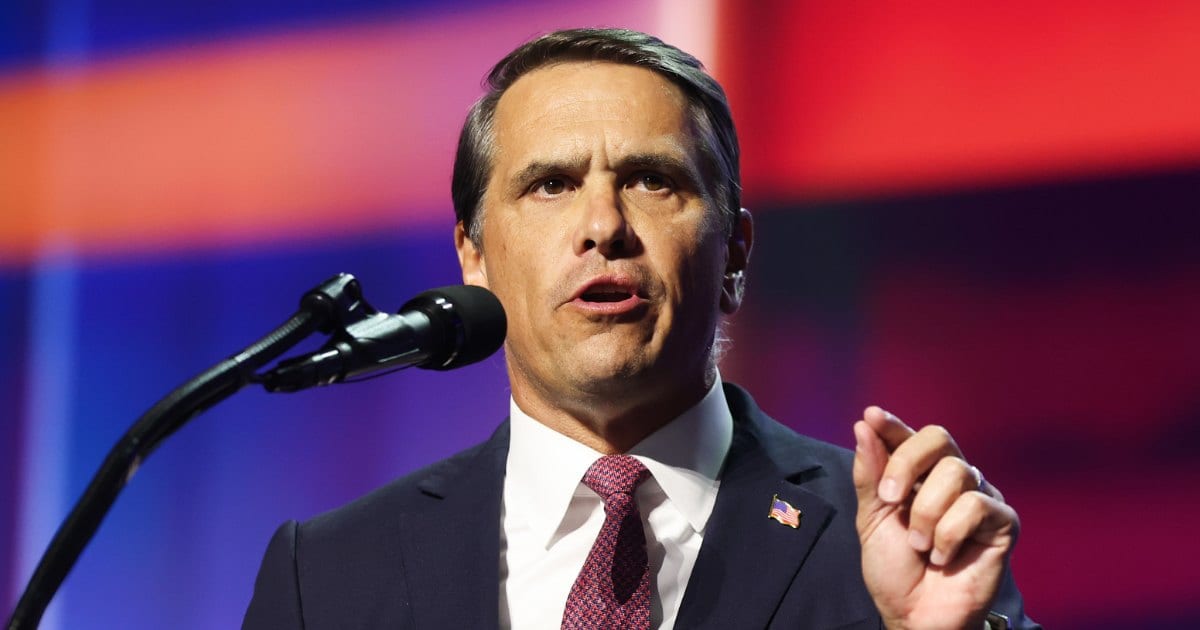
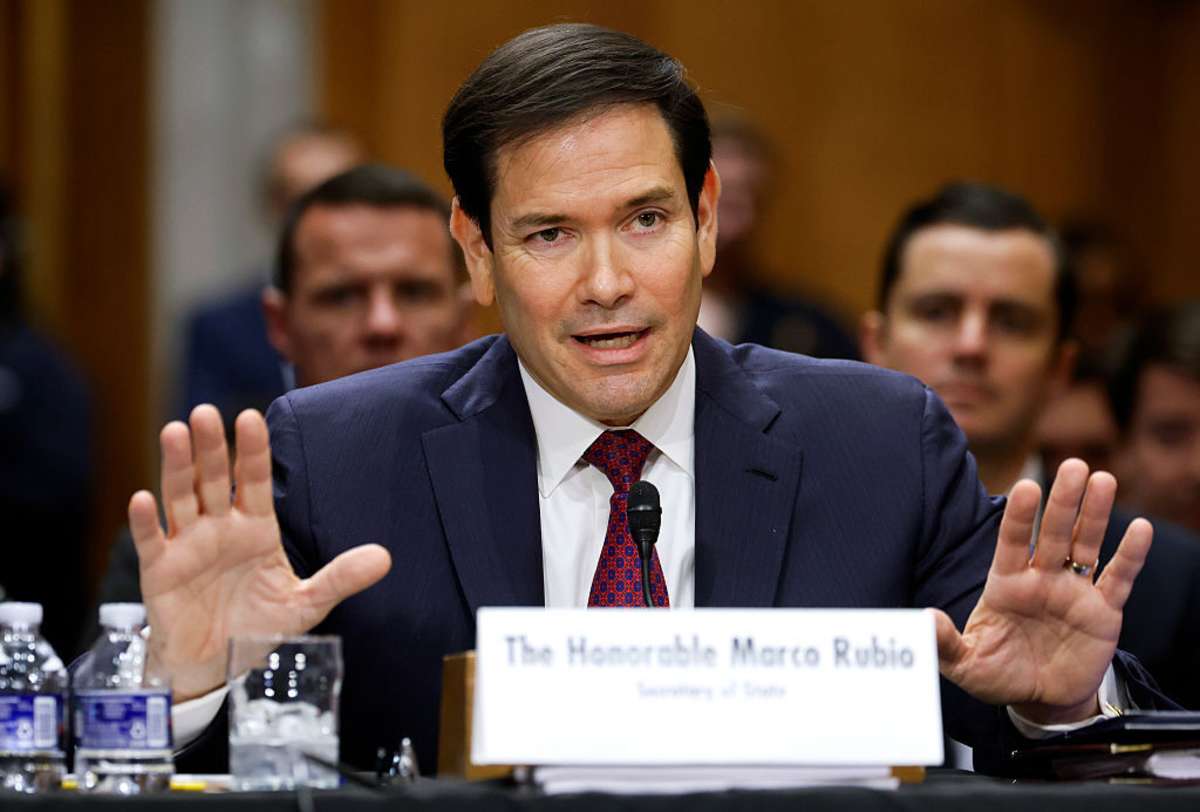
Secretary of State Marco Rubio, who accompanied Trump during the Beijing visit, said the discussions over Taiwan did not alter longstanding US policy.
“US policy on the issue of Taiwan is unchanged as of today and as of the meeting that we had here today,” Rubio told NBC News. “It was raised. They always raise it on their side. We always make clear our position, and we move on to the other topics.”
Marco Rubio:
— Clash Report (@clashreport) May 14, 2026
I think China's preference is probably to have Taiwan willingly voluntarily join them.
In a perfect world, what they would want is some vote or a referendum in Taiwan that agrees to fold in. I think that's what they would prefer.
Ultimately it's featured… pic.twitter.com/587J7mwWoM
Rubio also warned Beijing against attempting to take Taiwan by force. “There would be repercussions for that, globally, not just in the United States,” he said. “And we kind of leave it there.”
Taiwan’s Ministry of Foreign Affairs also responded to Beijing’s remarks, accusing China of continuing military pressure around the island even during the Trump-Xi summit.
“China is currently the only risk to regional peace and stability,” the ministry said, adding that Chinese military aircraft and naval vessels continued “to harass and threaten Taiwan in the region.”
Alongside Taiwan, Trump and Xi also discussed the ongoing Iran conflict and tensions surrounding the Strait of Hormuz.
Rubio said both countries agreed the strategic waterway should not be militarized. “The Chinese side said they are not in favor of militarizing the Straits of Hormuz, and they’re not in favor of a tolling system, and that’s our position,” Rubio said.
Xi warns Trump over Taiwan during closed-door talks
Soon after the meeting concluded, Chinese Foreign Ministry spokesperson Mao Ning posted details of Xi’s remarks on X, underscoring Beijing’s position on Taiwan.
President Xi stressed to President Trump that the Taiwan question is the most important issue in China-U.S. relations. If it is handled properly, the bilateral relationship will enjoy overall stability. Otherwise, the two countries will have clashes and even conflicts, putting… pic.twitter.com/gqji6lEfL7
— Mao Ning 毛宁 (@SpoxCHN_MaoNing) May 14, 2026
“President Xi stressed to President Trump that the Taiwan question is the most important issue in China-US relations,” Mao Ning wrote.
“If it is handled properly, the bilateral relationship will enjoy overall stability. Otherwise, the two countries will have clashes and even conflicts, putting the entire relationship in great jeopardy,” she added.
Mao added that “Taiwan independence and cross-Strait peace are as irreconcilable as fire and water,” while stating that “safeguarding peace and stability across the Taiwan Strait is the biggest common denominator between China and the US.”
Taiwan has remained a central issue between Washington and Beijing since the late 1970s, when the United States adopted its “One China” policy acknowledging Beijing’s position on the island while maintaining unofficial ties with Taipei.
China considers Taiwan part of its territory and has repeatedly vowed to reunify with the island, by force if necessary.
The United States remains one of Taiwan’s largest arms suppliers. In December, Trump announced an arms package for Taiwan, reportedly worth more than $11 billion.