Sonny Rollins, legendary jazz saxophonist, dies at 95
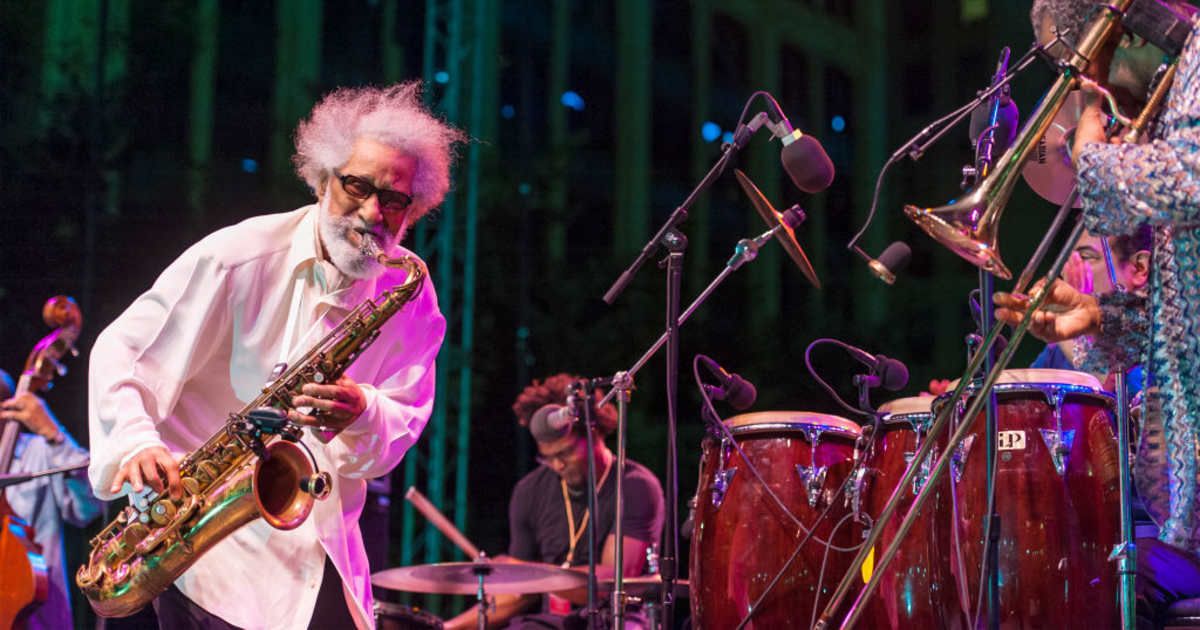
Rest in peace, Sonny Rollins…
— Melodies & Masterpieces (@SVG__Collection) May 26, 2026
Nicknamed the “Saxophone Colossus,” he reshaped modern jazz with fearless improvisation, a towering tenor tone, and timeless classics like Saxophone Colossus and The Bridge.
One of the last great bebop giants, his sound and spirit changed jazz… pic.twitter.com/o1XIVVBIT7
NEW YORK CITY, NEW YORK: Sonny Rollins, the tenor saxophonist and restless genius of Jazz, who ruled the creative world with his constant experimentation for more than 50 years, died Monday at age 95.
Revealing his death, his spokesperson, Terri Hinte, told the Associated Press that Rollins died at his residence in Woodstock, New York.
While no specific cause of the death has been revealed, Hinte said that Rollins was confined to his house for the past couple of years due to various physical problems.
Rollins called himself a work in progress
Sonny Rollins was one of the last surviving stars of the bebop era and is widely considered one of the greatest saxophonists of all time, alongside John Coltrane and Charlie Parker.
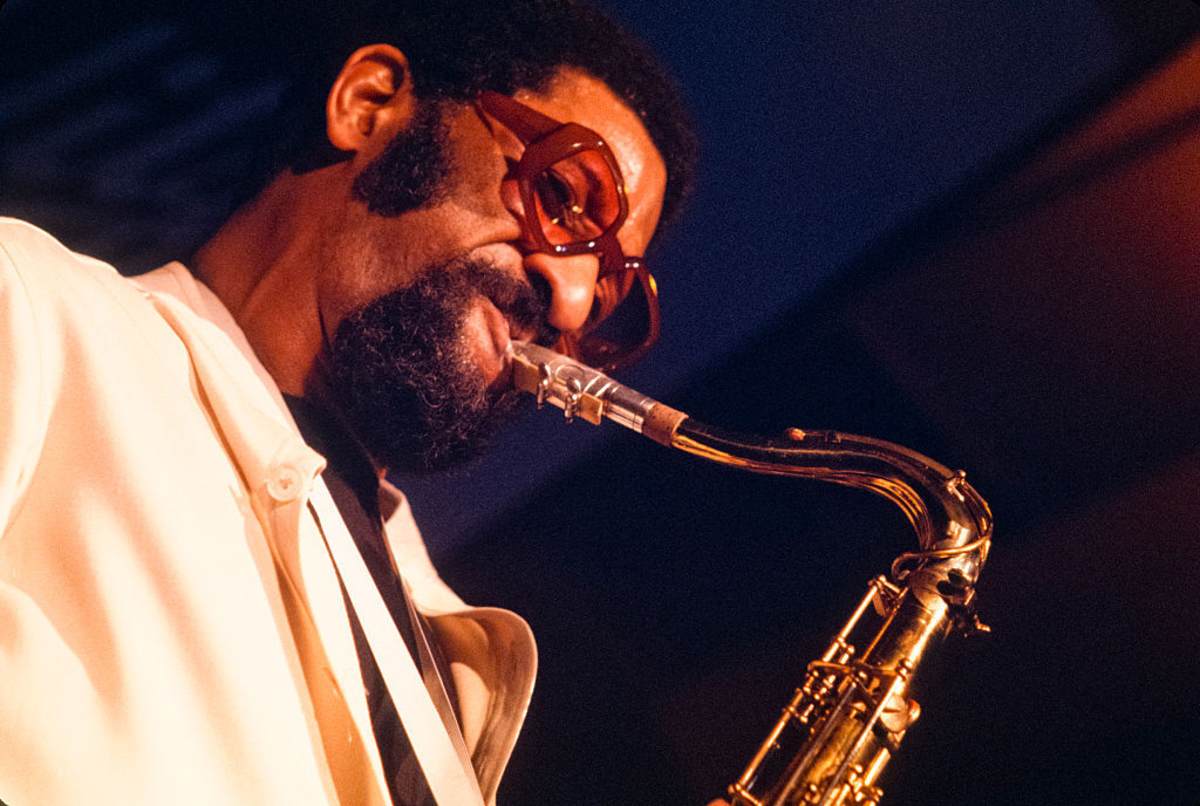
Despite his success, Sonny Rollins was rarely fully satisfied with his music. He often took long breaks from performing, experimented with different styles, and described himself as “a work in progress” because he never wanted to stick to just one way of playing.
His popular works included Tattoo You by The Rolling Stones, which featured Sonny Rollins’ wistful saxophone solo on the ballad “Waiting on a Friend,” inspired by watching Mick Jagger dance.
Although fans loved his early bebop recordings the most, Rollins preferred to keep evolving and rarely revisited his older work, once saying it was “excruciating” to hear the flaws in those recordings.
“I don’t consider myself a musician that has learned as much as I want to learn,” he told The Associated Press in 2007.
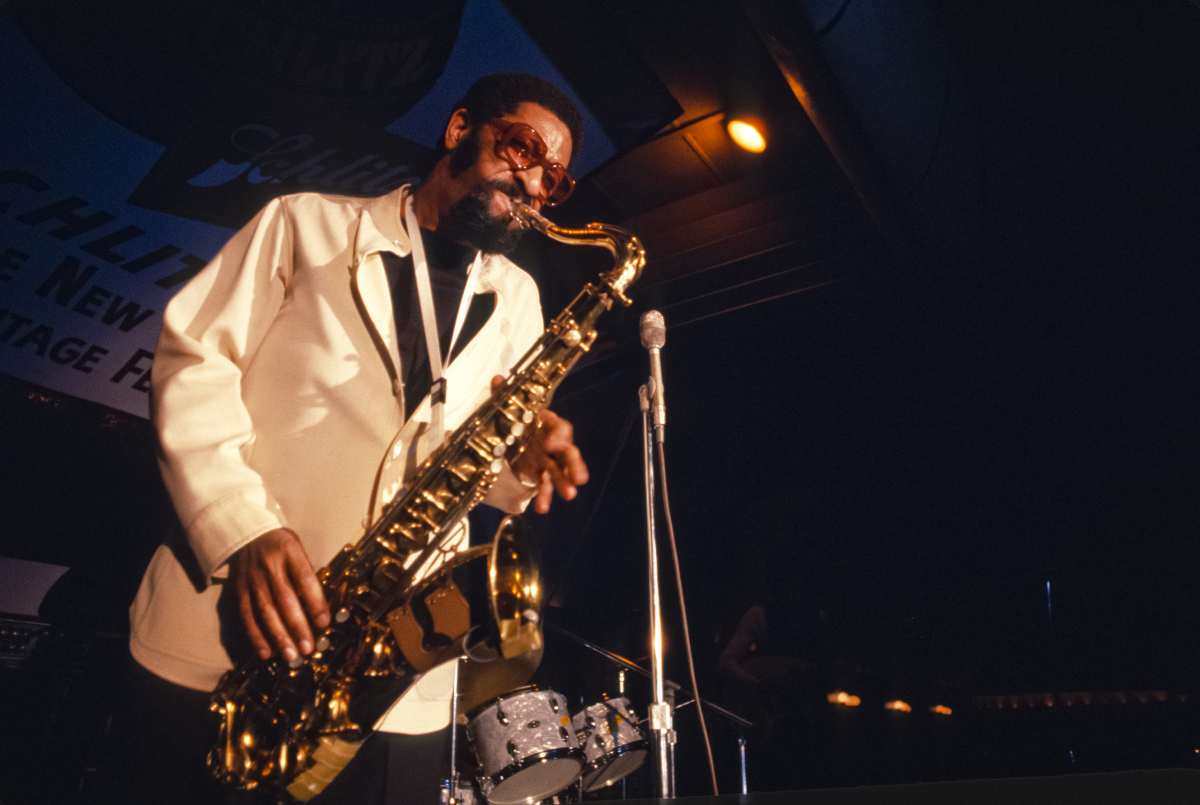
Rollins forced to retire after health decline
Sonny Rollins retired after pulmonary fibrosis damaged his lungs and made it difficult for him to perform.
He played his final concert in 2012 and stopped playing music completely in 2014.
Even in his 80s, Rollins continued touring and practicing regularly while releasing critically acclaimed albums throughout the 1990s and 2000s.
“I played a couple of concerts early on where I was out in the open in the afternoon,” He told the New York Times in 2020. “I was able to look up in the sky, and I felt a communication; I felt that I was part of something. Not the crowd. Something bigger.”
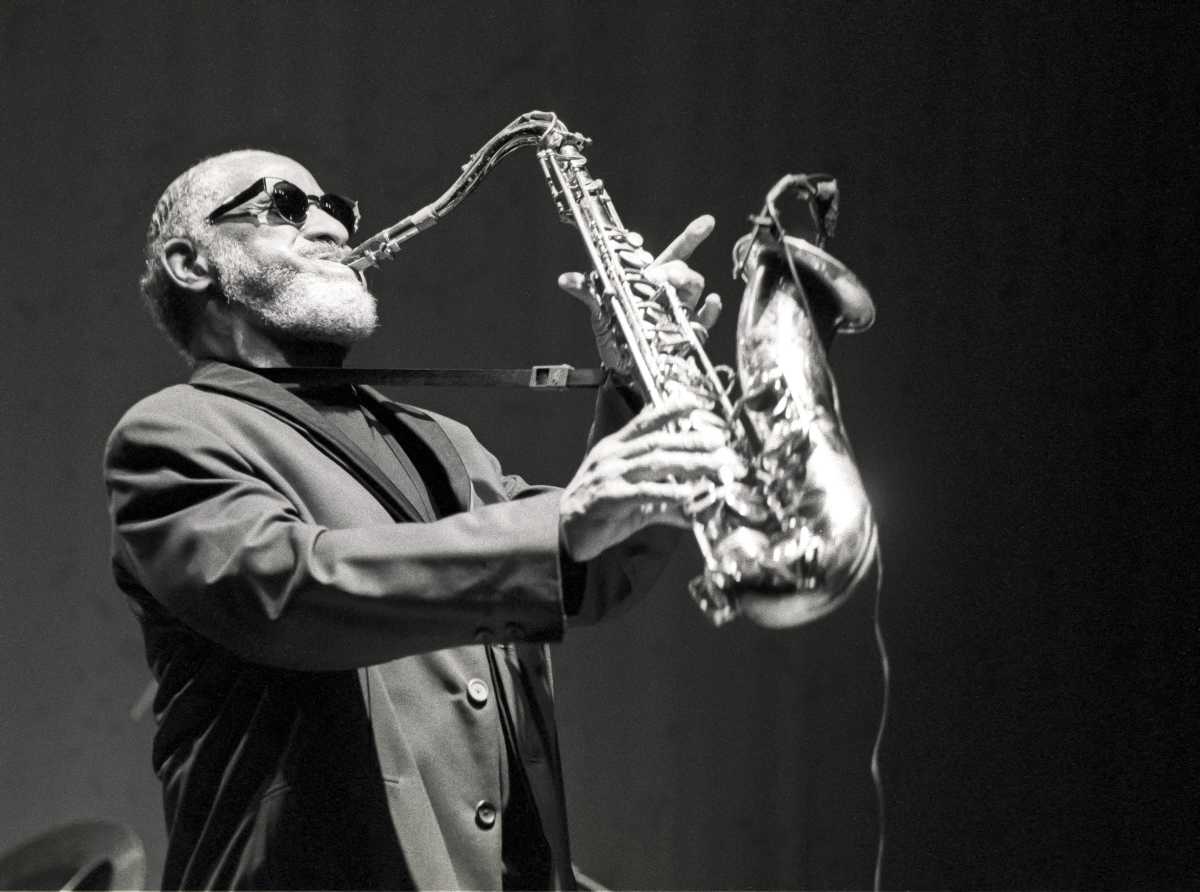
His 2001 album This Is What I Do won a Grammy for Best Jazz Instrumental Album, and he won another Grammy in 2006 for Best Jazz Instrumental Solo for “Why Was I Born?”