Supreme Court to hear case on presidential power over Trump’s firing of FTC commissioner
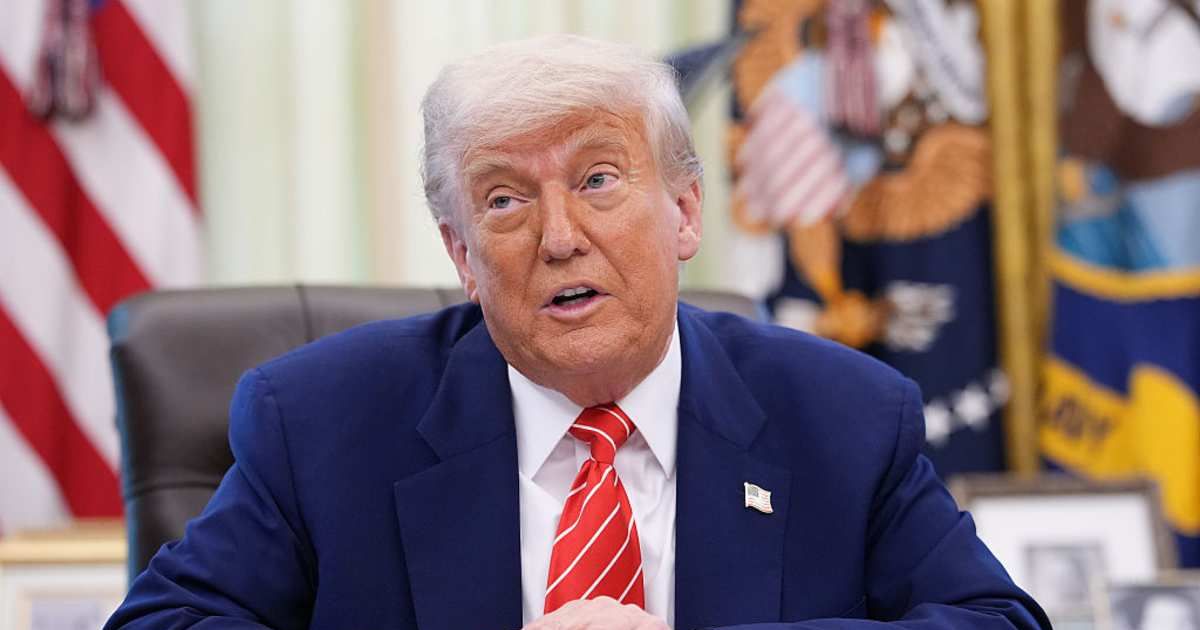
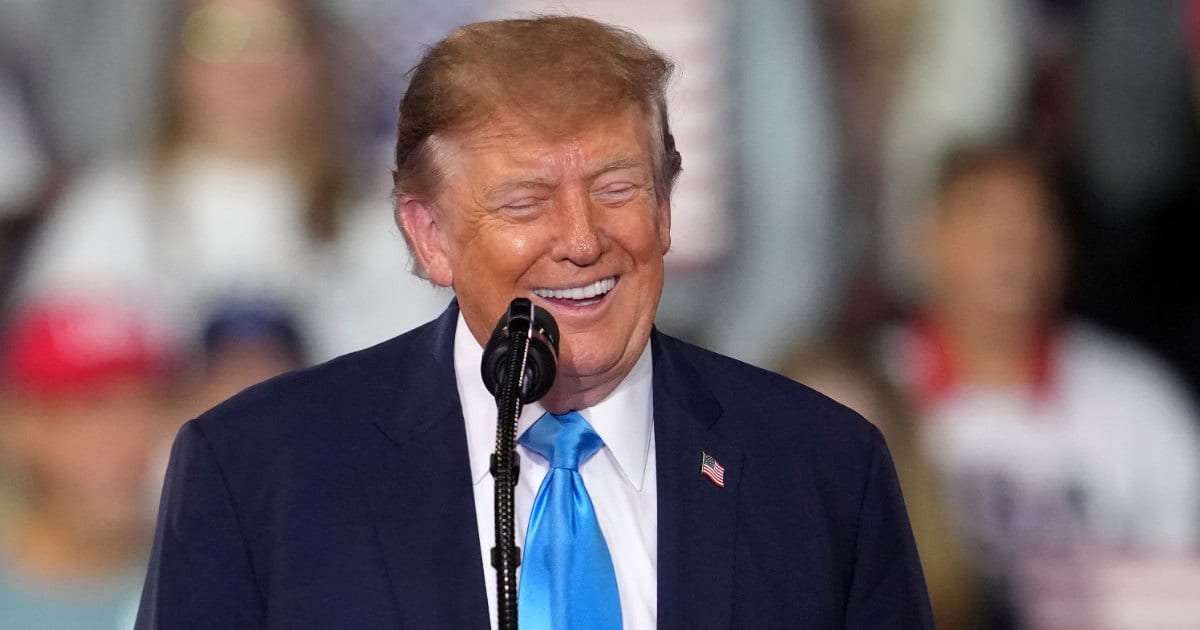
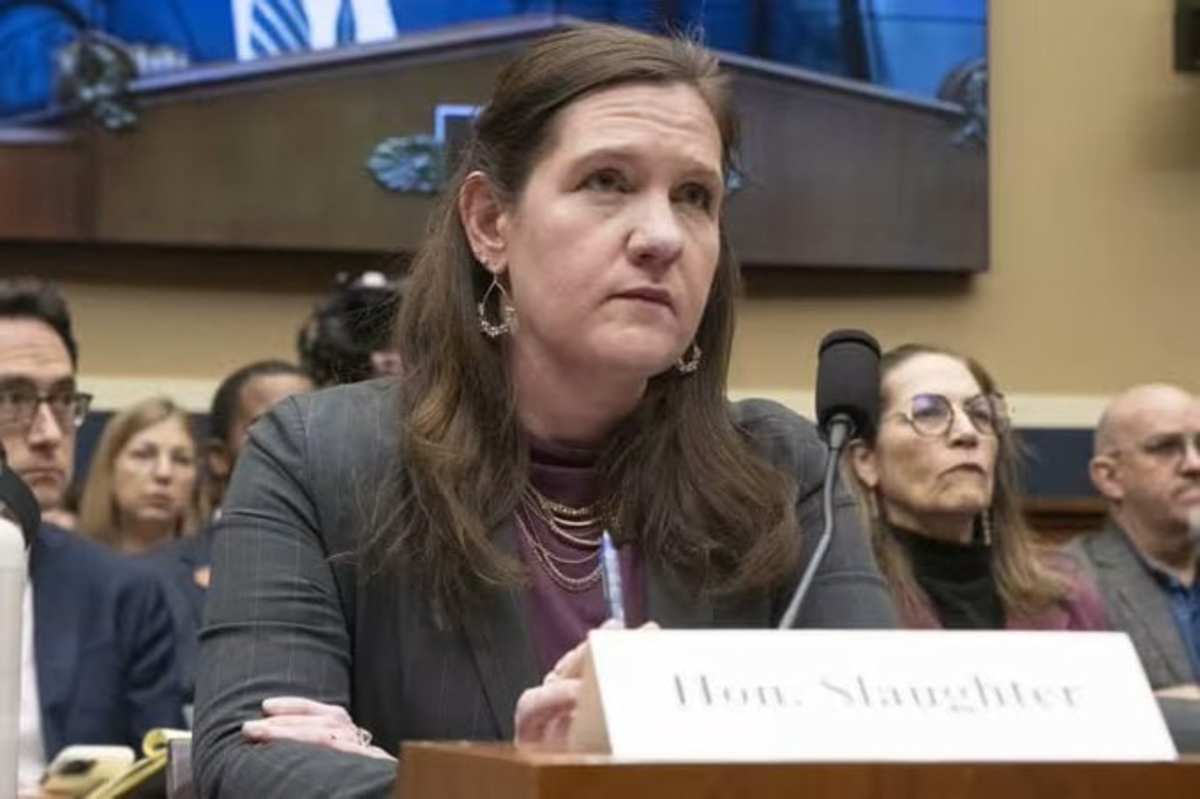
WASHINGTON, DC: The Supreme Court on Monday, December 8, will hear a monumental case that could redefine presidential authority and reshape the modern administrative state, as it weighs whether President Donald Trump acted lawfully when he fired Federal Trade Commission (FTC) commissioner Rebecca Kelly Slaughter without cause.
The case, Trump v Slaughter, stems from the president’s decision to reportedly oust Slaughter, despite federal law allowing commissioners at independent agencies like the FTC to be removed only for inefficiency, neglect of duty or malfeasance.
According to a CBS News report, the justices will now decide whether those protections violate the separation of powers and whether to overturn the 1935 landmark ruling Humphrey’s Executor v United States, which has long shielded members of multimember independent agencies from at-will removal.
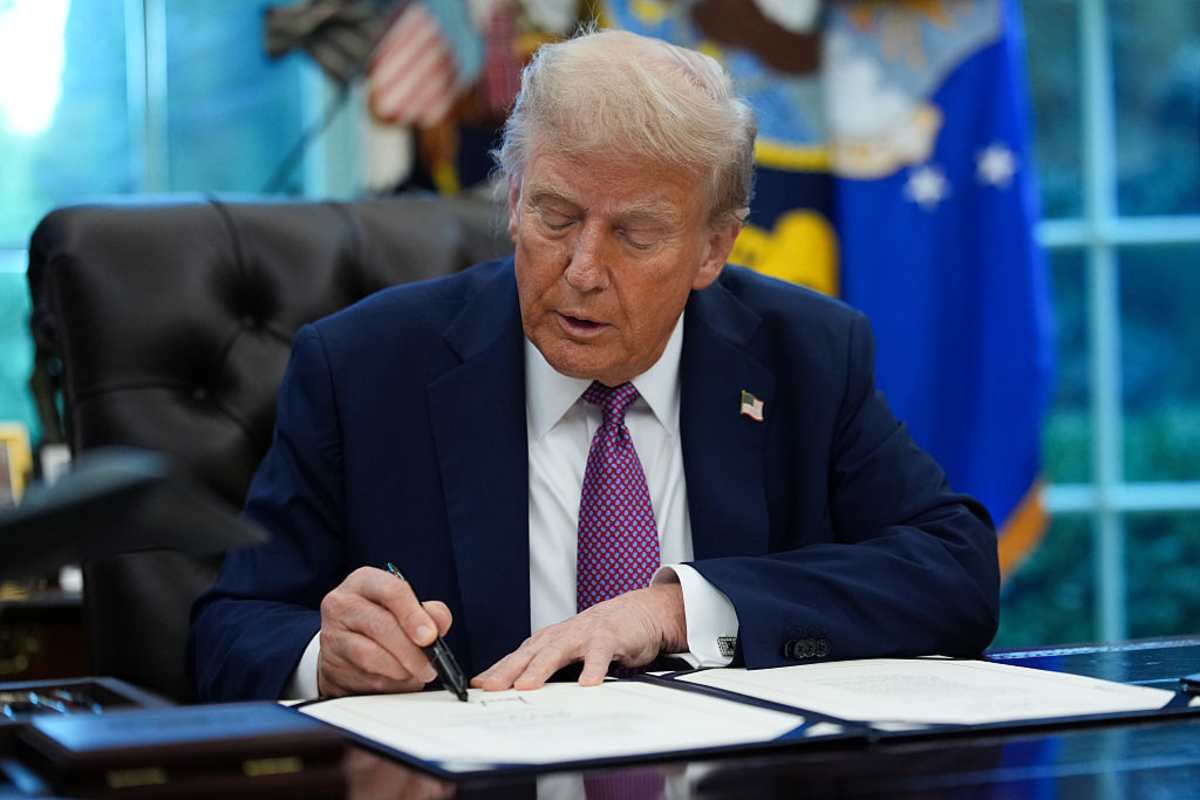
Court battles erupt after Trump ousts FTC commissioner via email
Slaughter, first appointed by Trump and later reappointed by former President Joe Biden, was fired via email in March and told that her service “is inconsistent with my Administration's priorities.”
She sued, arguing that Trump violated the statutory protections governing the FTC. A lower court agreed and ordered her reinstatement, sparking a rapid series of rehirings and re-firings as appeals courts weighed in.
Ultimately, Chief Justice John Roberts allowed her removal to stand while the Supreme Court considered the case.
Trump administration claims the president holds removal powers
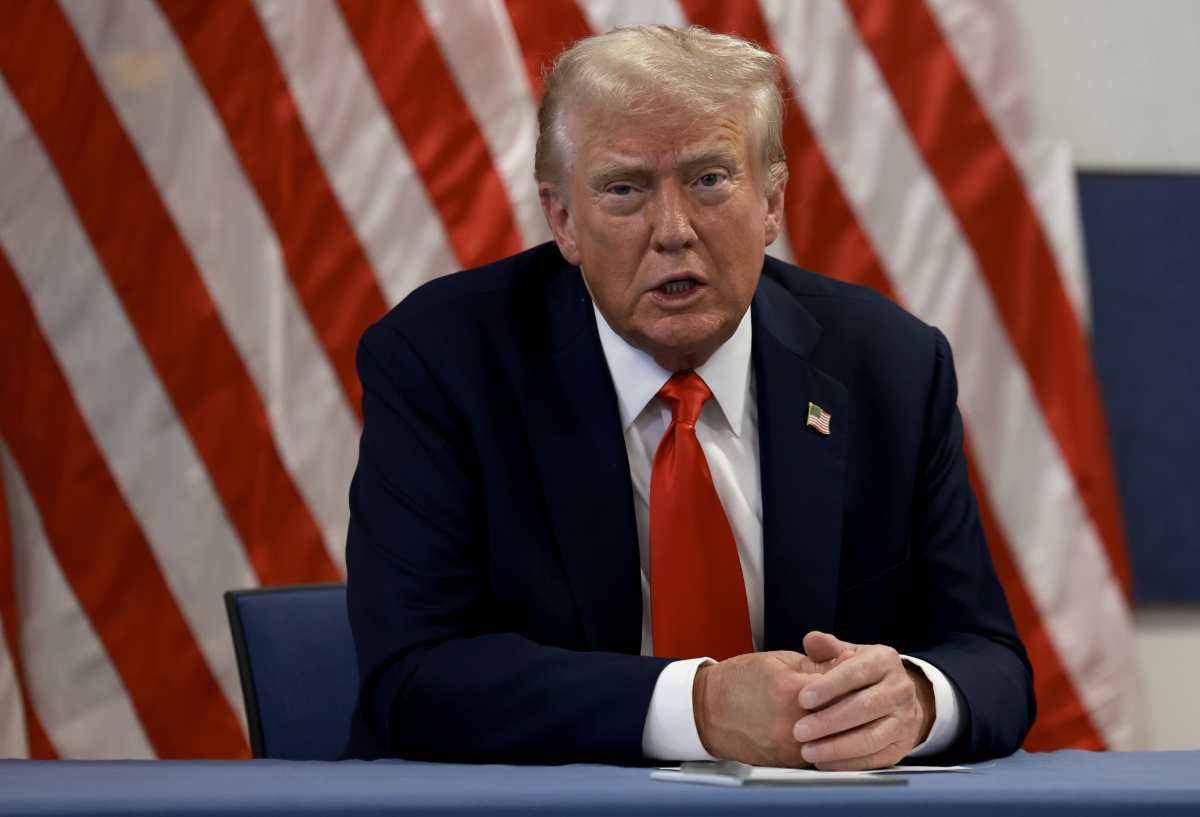
The Trump administration argues that the Constitution vests all executive power in the president, granting him sweeping authority over officers who enforce federal law.
Solicitor General D John Sauer told the court that removal restrictions leave the president “saddled with subordinate officers” who undermine his ability to ensure the laws are faithfully executed.
He contends that the modern FTC wields vast executive authority far beyond what existed in 1935, including rule-making powers, civil enforcement actions, and broad regulatory oversight, making its insulation from presidential control unconstitutional.
Humphrey’s Executor reversal threatens agency stability
Slaughter’s lawyers warn that overturning Humphrey’s Executor would upend long-standing governance structures and erode bipartisan oversight within powerful agencies.
They argue that Congress deliberately designed independent agencies to prevent presidents from politicizing regulatory enforcement or crippling agencies by firing minority-party members or eliminating quorums.
Legal scholars supporting Slaughter note that multimember boards, staggered terms, and for-cause protections foster accountability, stability and moderation, constraints they say protect individual liberty better than single-director agencies subject to political swings.
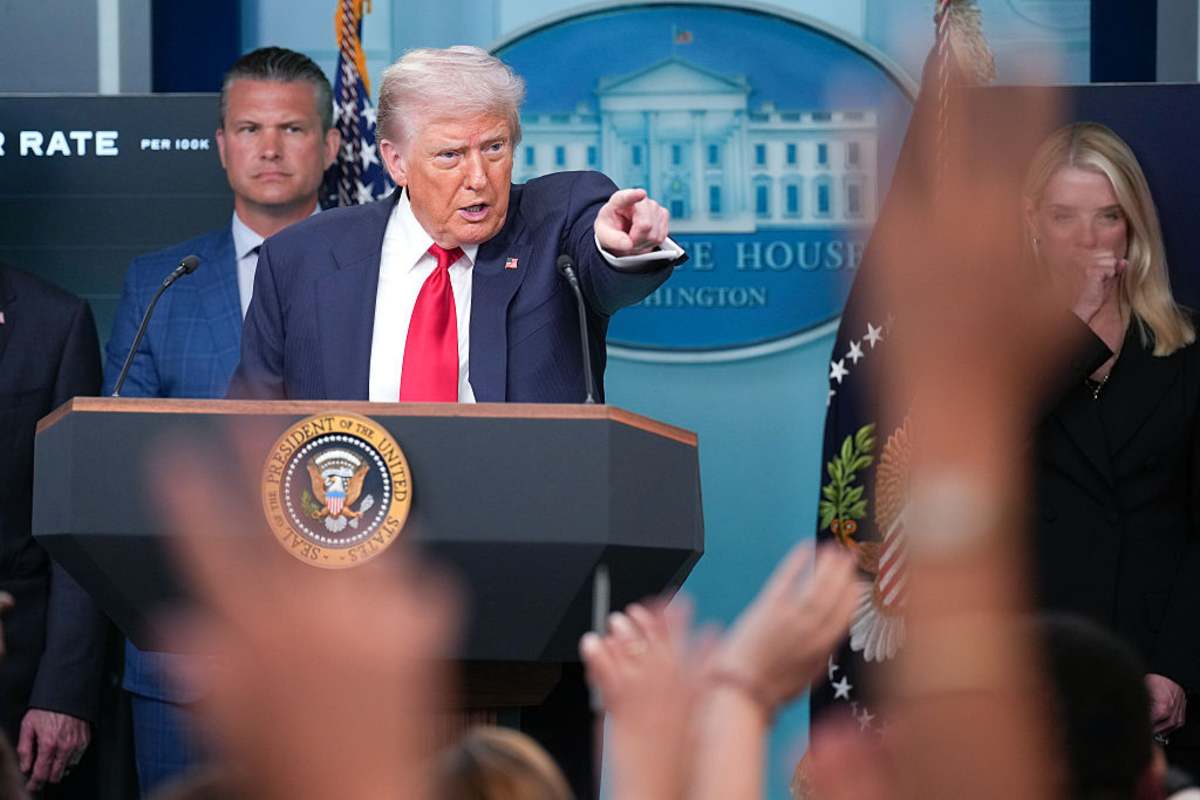
A ruling that could reshape the Federal Government
If the court strikes down removal protections for FTC commissioners, similar provisions across dozens of federal agencies could fall next.
Experts say such a ruling would dramatically expand presidential power, undermine congressional checks, and allow presidents to reshape or incapacitate independent regulators at will.
More than 200 members of Congress have urged the Court to preserve existing protections, warning that presidents able to fire regulators freely could distort markets and public trust by appearing to “pick winners and losers” in the economy.