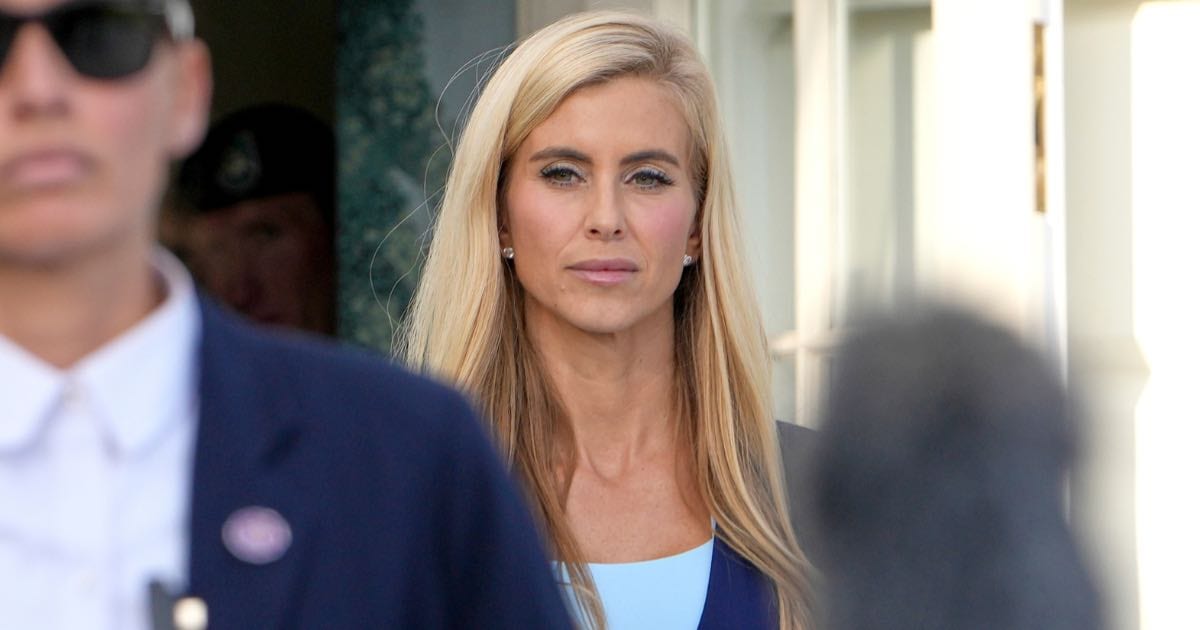
Tatiana Schlossberg, JFK’s granddaughter and Caroline Kennedy’s daughter, dies after cancer battle
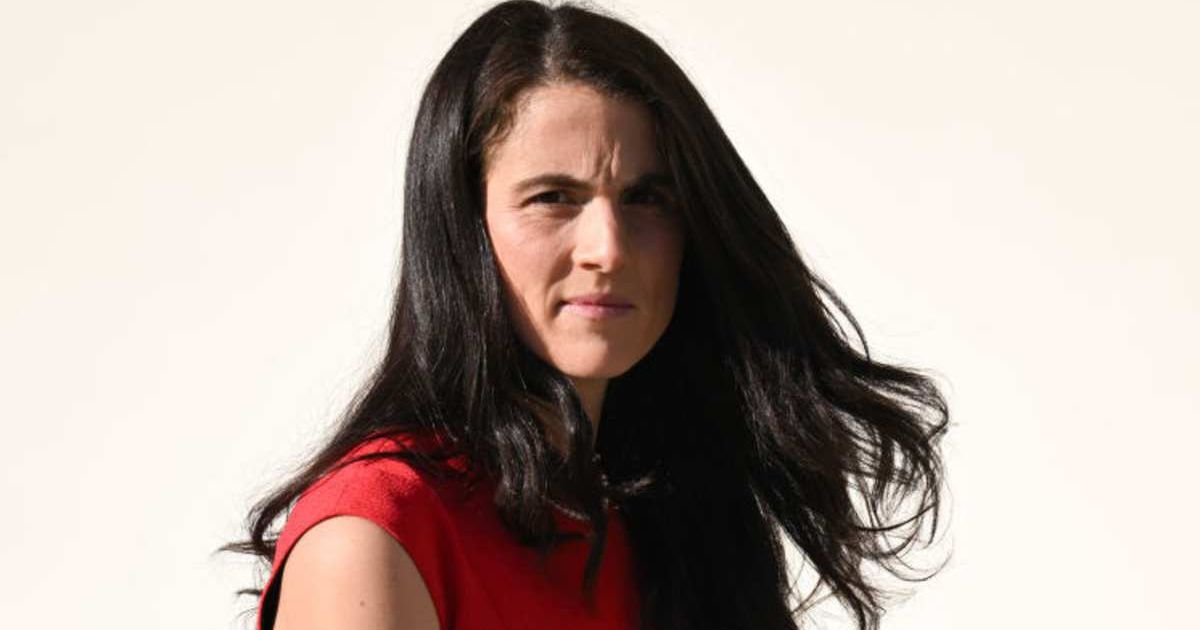
BOSTON, MASSACHUSETTS: Tatiana Schlossberg, the granddaughter of President John F Kennedy and the daughter of former US ambassador Caroline Kennedy, has died at the age of 35, the John F Kennedy Library Foundation confirmed on Tuesday, December 30.
Schlossberg, an environmental journalist and author, had publicly disclosed her terminal illness just weeks before her death in a widely read personal essay.
A diagnosis following new life

In an essay published in The New Yorker on November 22, 2025, Schlossberg revealed she had been diagnosed with acute myeloid leukemia, a rare and aggressive form of cancer.
She wrote that the diagnosis came in May 2024, shortly after the birth of her second child. According to her account, routine postpartum blood work revealed an abnormal white blood cell count, prompting further testing that led to the diagnosis.
In the essay, Schlossberg detailed her efforts to navigate illness while caring for her young children, offering a candid account of confronting mortality alongside new motherhood.
Carrying the Kennedy legacy

Schlossberg was the middle child of Caroline Kennedy and designer Edwin Schlossberg and a member of one of the most prominent families in American political history.
The John F. Kennedy Library Foundation, which supports the presidential library honoring her grandfather, confirmed her death in a statement but did not disclose additional details.
While carrying the Kennedy name, Schlossberg built her own career as a climate-focused journalist and author, contributing to major publications and continuing the family’s tradition of public engagement through writing and advocacy.
Her death marks another loss for the Kennedy family and brings to a close the life of a writer who used her platform to address environmental issues and, in her final weeks, the realities of serious illness.
Final months marked by illness, writing, and family
In her final months, Schlossberg documented the physical and emotional toll of terminal illness while raising a young family.
After being diagnosed with acute myeloid leukemia with a rare Inversion 3 mutation on May 25, 2024, she spent five weeks hospitalized at NewYork-Presbyterian Hospital before beginning chemotherapy at home and later undergoing a bone marrow transplant.
In The New Yorker essay, she revealed that doctors later told her a clinical trial might extend her life by “a year, maybe,” a prognosis that left her grappling with the fear that her children would not remember her.
Schlossberg continued writing throughout treatment, reflecting on memory, mortality, and motherhood, even as she acknowledged that time was no longer on her side.