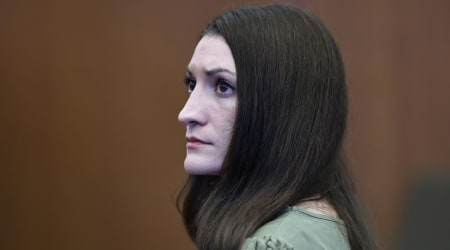
Texas board votes to require Bible passages in public school reading list for millions of students
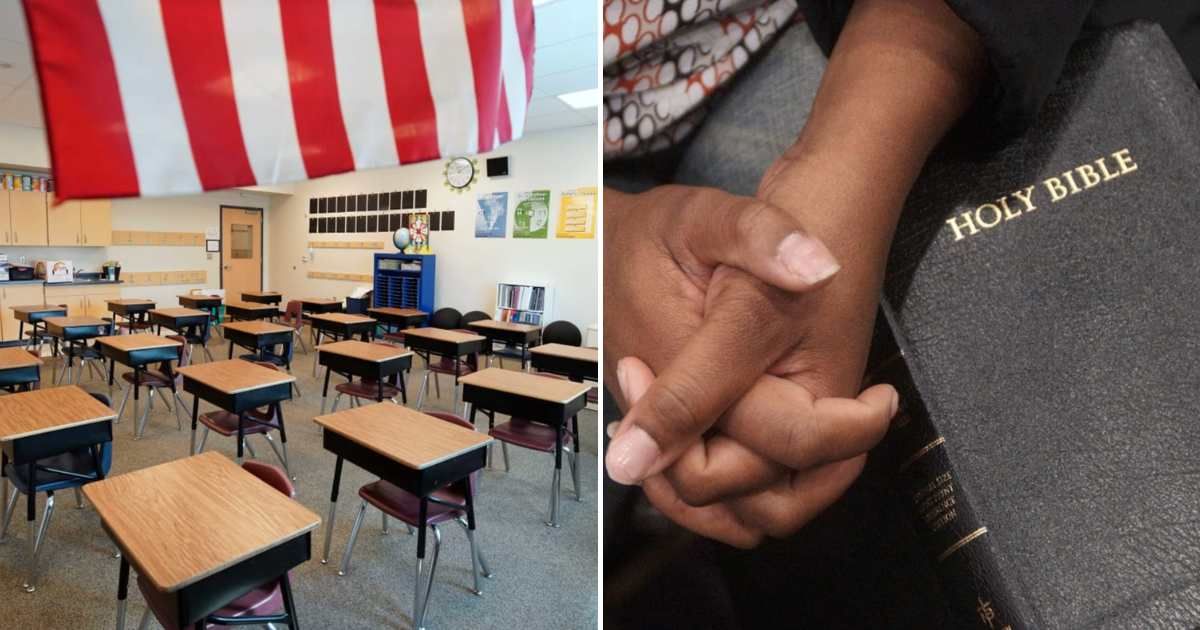
AUSTIN, TEXAS: The Texas State Board of Education voted on Friday, June 26, to require Bible passages as part of a new statewide reading curriculum that will eventually apply to more than five million public school students. The Republican-controlled board approved the measure in a 9-5 vote, with one Republican joining Democrats in opposition.
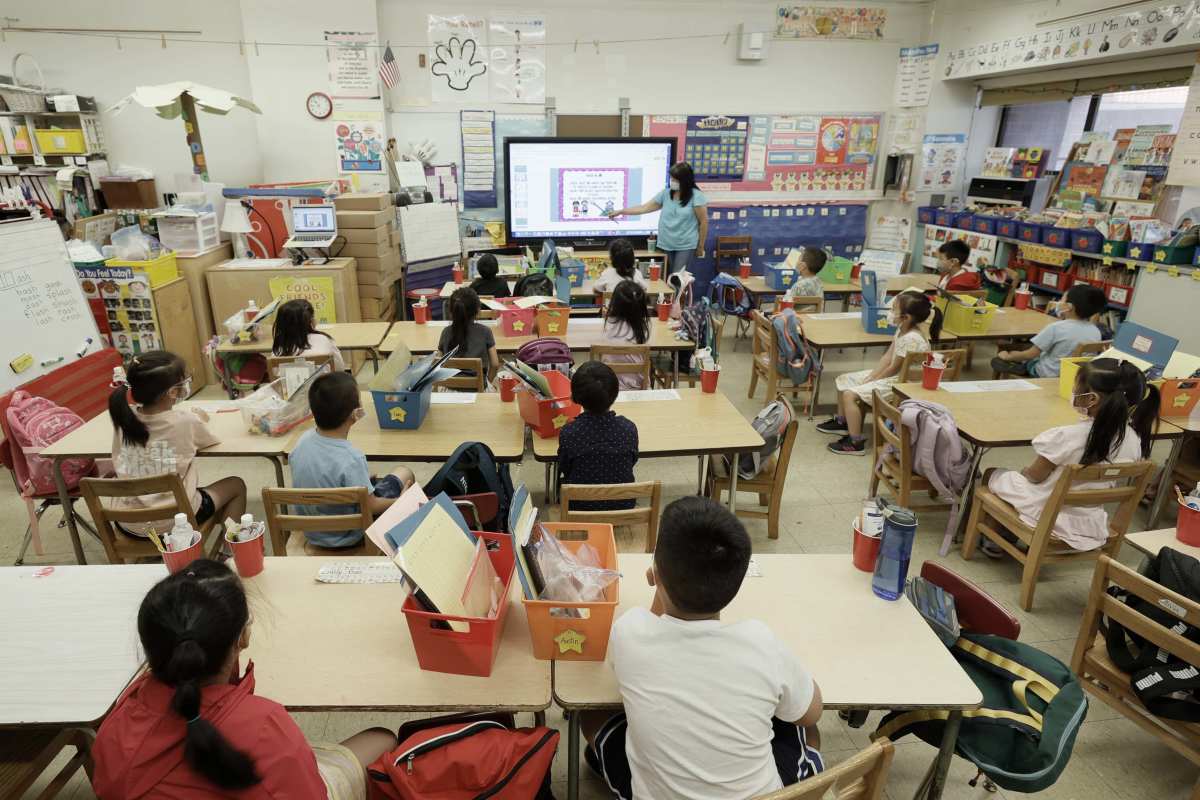
The mandatory reading list will be rolled out in phases, starting with elementary school students in 2030, becoming Texas' first statewide required reading curriculum and eventually applying to more than five million public school students.
Bible passages added alongside required literary classics
The reading list stems from a 2023 Texas law requiring state education officials to designate at least one literary work for every grade level. While teachers may assign additional books, they will be required to teach the state-approved selections alongside any supplemental material.
Beginning in seventh grade, students will read excerpts from the Books of Jonah and Psalms. Additional passages from Genesis, Lamentations, and other books of the Bible will be introduced during high school.
The required reading list also includes works such as Charles Dickens' Great Expectations, William Shakespeare's The Tragedy of Julius Caesar, Dr Martin Luther King Jr.'s "I've Been to the Mountaintop" speech, and former British Prime Minister Margaret Thatcher's eulogy for President Ronald Reagan.
Supporters argued the curriculum reflects the historical role of Judeo-Christian traditions in the United States. "We are bringing the Bible back into schools this week for the first time in 60 years," Republican board member Brandon Hall said ahead of the vote.
Last year, the state became the largest in the country to require the Ten Commandments to be displayed in every classroom, while also allowing public schools to employ chaplains to counsel students.
Trump declared the “return of religion” in the United States
— NEXTA (@nexta_tv) June 26, 2026
“Religion has returned to our country, becoming bigger and stronger than it has been in many, many years.” pic.twitter.com/oNRwW2T7WP
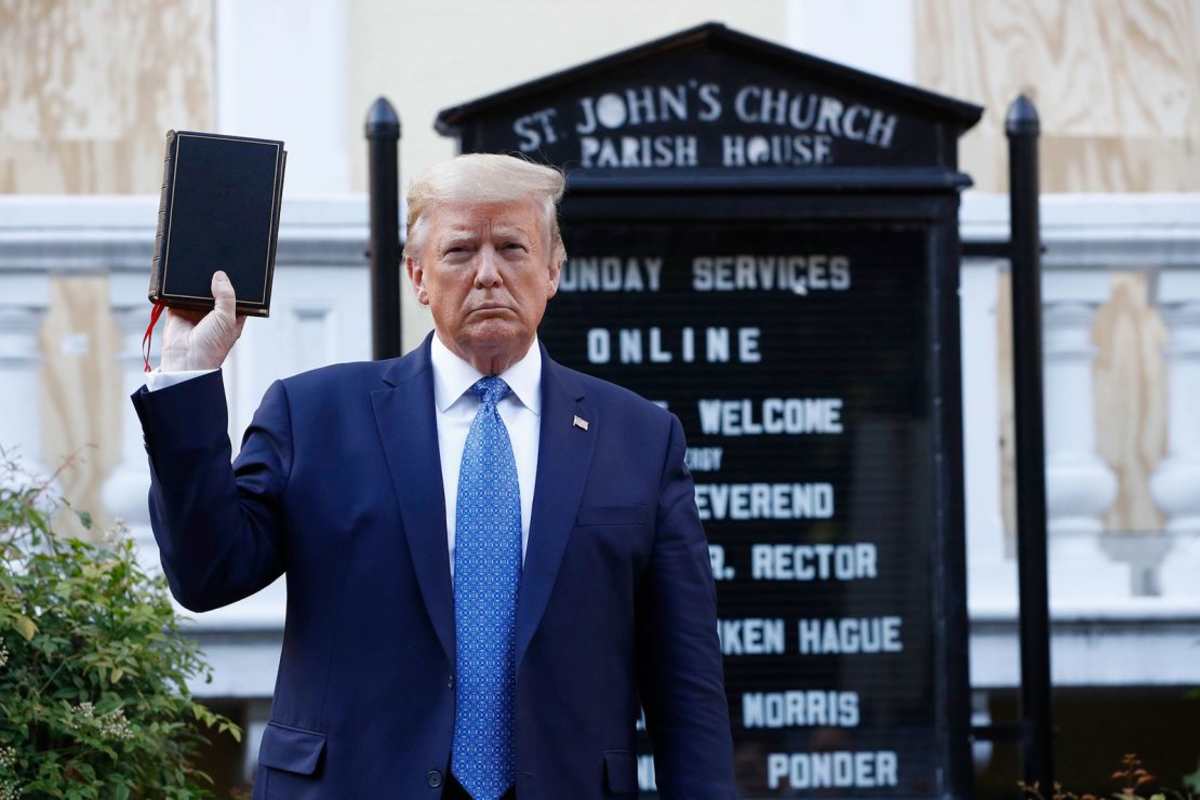
On Friday, President Donald Trump also highlighted what he described as a broader return of religious values in the country. "Religion is back in our country, bigger and stronger than it has been in many, many years," Trump said.
Critics raise church-state and diversity concerns
The curriculum has drawn criticism from education groups, civil liberties organizations, and teachers, who argue that the mandatory inclusion of Bible passages gives preference to Christianity and limits classroom flexibility.
Opponents contend the reading requirements conflict with the constitutional separation of church and state, while placing too much emphasis on Western literature and Christian texts in a state where a majority of public school students are Hispanic or Black.
"Kids of all faith backgrounds and no faith are served by Texas schools, and they should all feel welcome in Texas schools," said Elva Mendoza, legislative communications associate for the Texas Freedom Network. "But this is sending the message to children that one and only one religious text, a Christian one."
“There’s an old joke that Shakespeare is full of clichés, and it’s funny because he invented them. The same could be said for the Bible, which for centuries has furnished the English language and the Western mind with phrases, analogies and images. That’s the context for a debate…
— Aaron Kinsey (@AaronKinseyTX) June 22, 2026
Texas State Board of Education Chair Aaron Kinsey defended the inclusion of biblical passages in the curriculum, arguing that the Bible has had a lasting influence on Western literature. "That’s the context for a debate in Texas over adding biblical verses to the curriculum in public schools," Kinsey wrote on X.