'The boss wants this money': Trump's reported $800M fundraising push draws scrutiny
WASHINGTON, DC: President Donald Trump's reported hands-on fundraising operation has brought in about $800 million for his political and personal projects, according to a new report.
The report casts the fundraising effort as a highly personalized operation driven by Trump's direct involvement. It also highlights a contrast with his past pledge to avoid dependence on wealthy donors.
Wall Street Journal details Trump's fundraising strategy
According to the Wall Street Journal (WSJ) report published on Thursday, July 30, Trump speaks with his top fundraiser, Meredith O'Rourke, almost every night to ask who has contributed to his causes and how much they have given.
The newspaper reported that Trump, who has reportedly nicknamed O'Rourke the "princess of darkness," instructed her to seek much larger contributions from major corporations, with some requests reaching as high as $50 million.
When contacting executives, O'Rourke reportedly tells them, "This is very important to the president. He's asked me to call you and ask you for this donation."
In other conversations, according to the report, she is even more direct: "The boss wants this money."
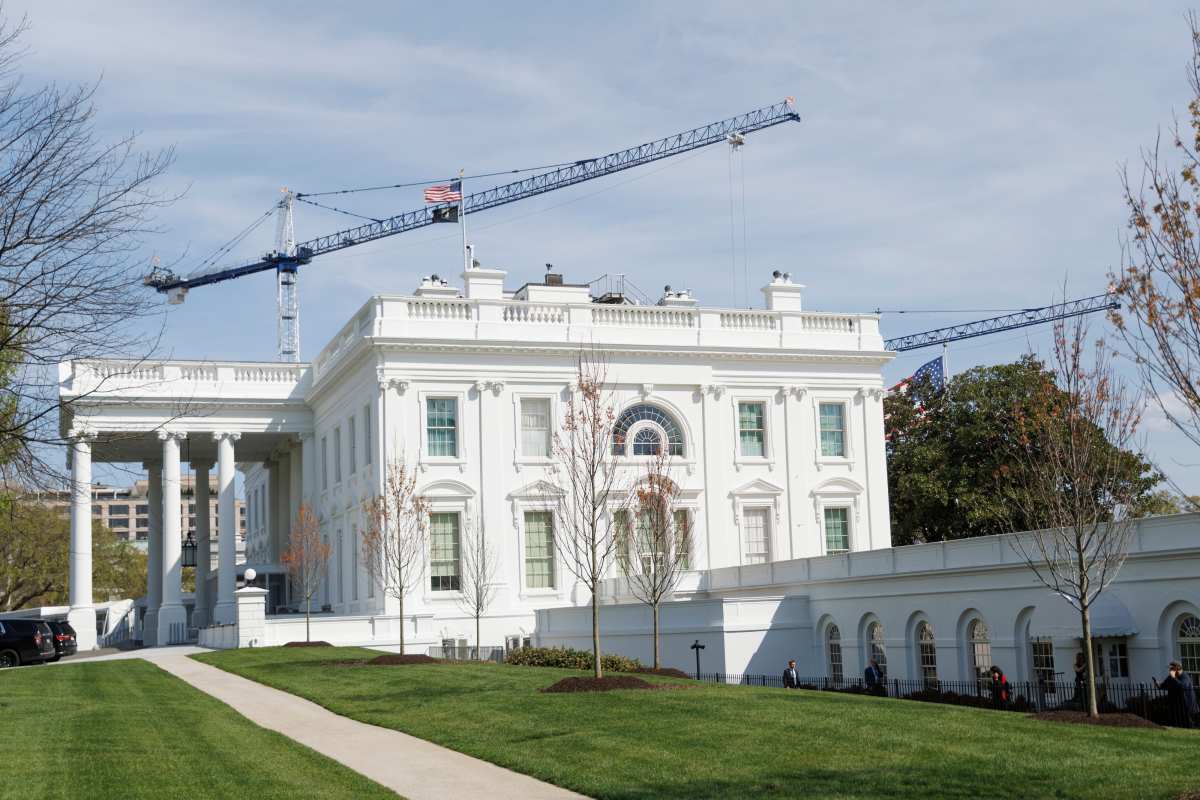
The WSJ said the strategy has helped generate roughly $800 million for several Trump-backed initiatives, including the planned White House ballroom, his presidential library, political action committees, and this summer's celebrations marking America's 250th anniversary.
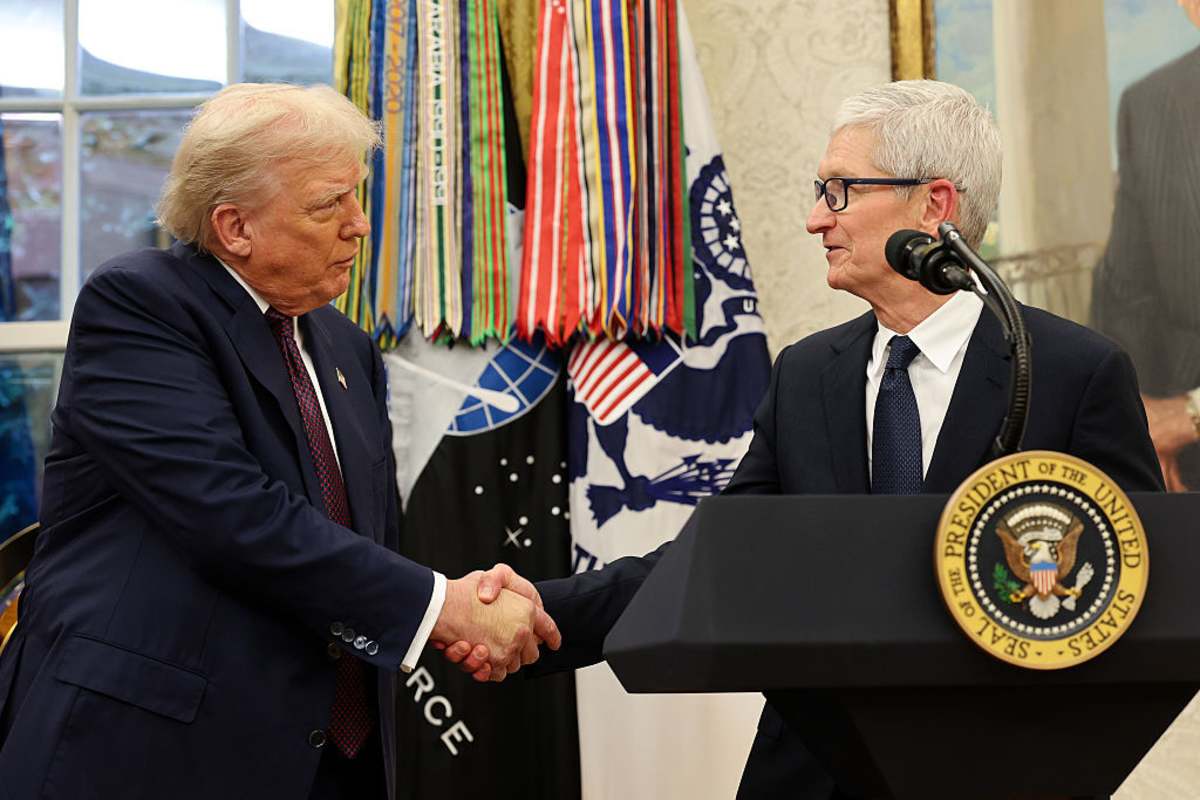
Among the largest reported donations were $50 million from SoftBank for Trump's presidential library, $25 million from Apple for the White House ballroom, $10 million each from Meta and Microsoft, and another $5 million from Amazon for a Trump-aligned political action committee.
Donors reportedly face repeated appeals
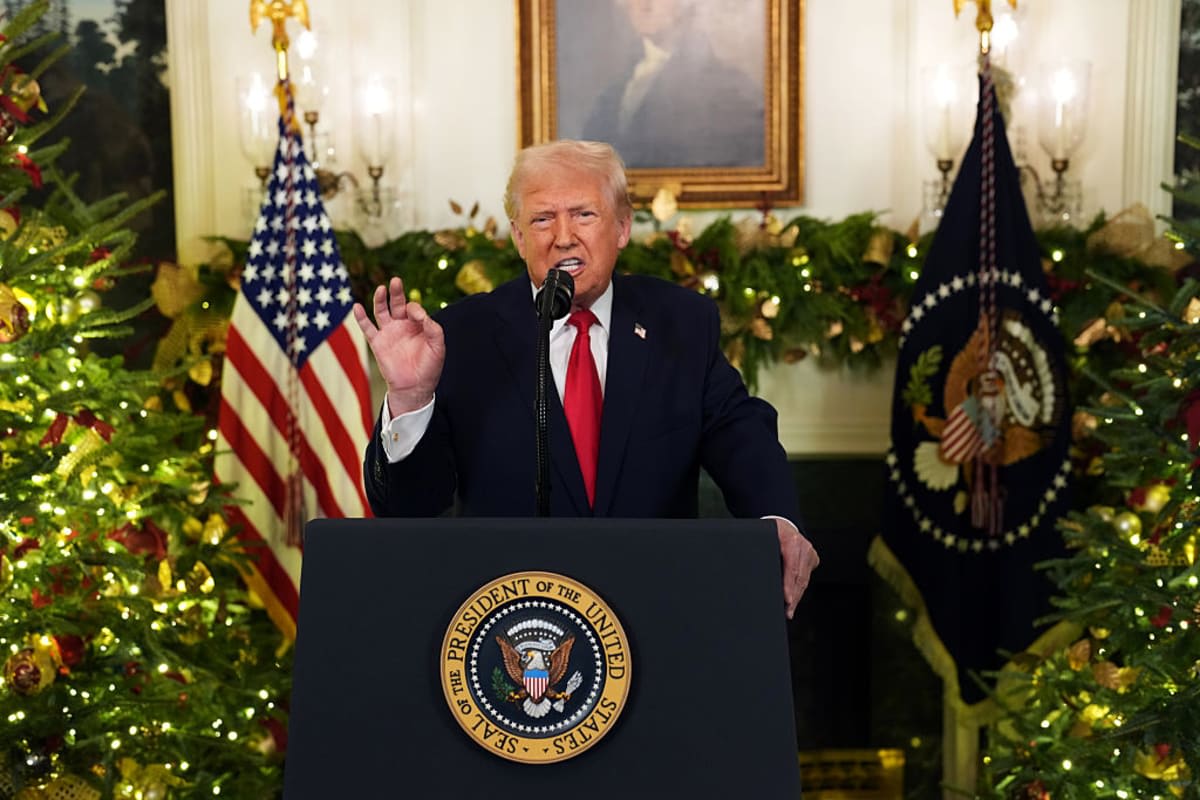
The report also said wealthy donors are frequently invited to exclusive candlelit dinners and White House events, where additional fundraising requests often follow.
One executive cited by the newspaper was reportedly asked for another $1 million only days after making a previous contribution.
Wall Street analyst Blair Levin said companies have begun referring to the fundraising environment as "The Trump Transaction Tax."
"Another way of saying it is simply that we're replacing the free market with the market for Trump's affections," Levin said.
Presidential historian Douglas Brinkley argued the scale of the fundraising effort stands apart from previous administrations.
"Trump is shattering all fundraising paradigms in regards to hitting up corporate America for donations. The scope is mind-bogglingly large," Brinkley said.
"We used to talk about the Lincoln bedroom being for sale [under Bill Clinton], but this is just a wholesale money trough that's totally different."
Trump allies defend fundraising
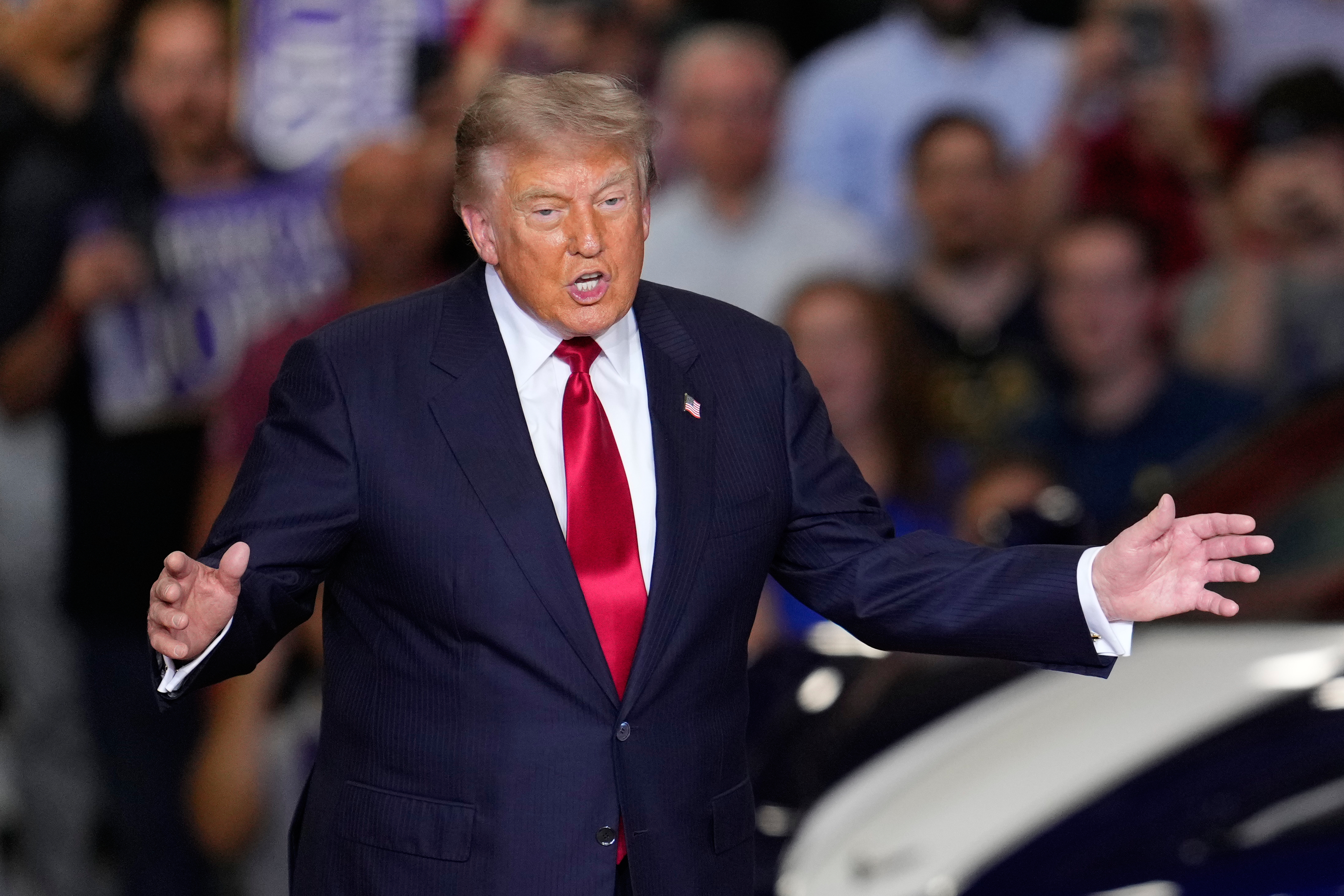
Danielle Alvarez, an outside spokeswoman for both Trump and O'Rourke, called Trump "the most successful fundraiser in modern political history."
She said the money would be used to "help Republicans win big in the midterms, build an enduring political infrastructure and continue advancing innovative private-sector initiatives."
"One thing has never changed," Alvarez added. "President Trump can't be bought."
The WSJ's report also contrasted Trump's current fundraising approach with his first White House campaign.
Marc Short, Trump's former director of legislative affairs and later chief of staff to former Vice President Mike Pence, said Trump showed little interest in fundraising during the 2016 campaign, when he dismissed political action committees as "a scam" and told supporters, "I am self-funding my campaign and therefore I will not be controlled by the donors, special interests and lobbyists who have corrupted our politics and politicians for far too long."