Trump regrets 3 Supreme Court picks as new term puts his agenda back before the justices
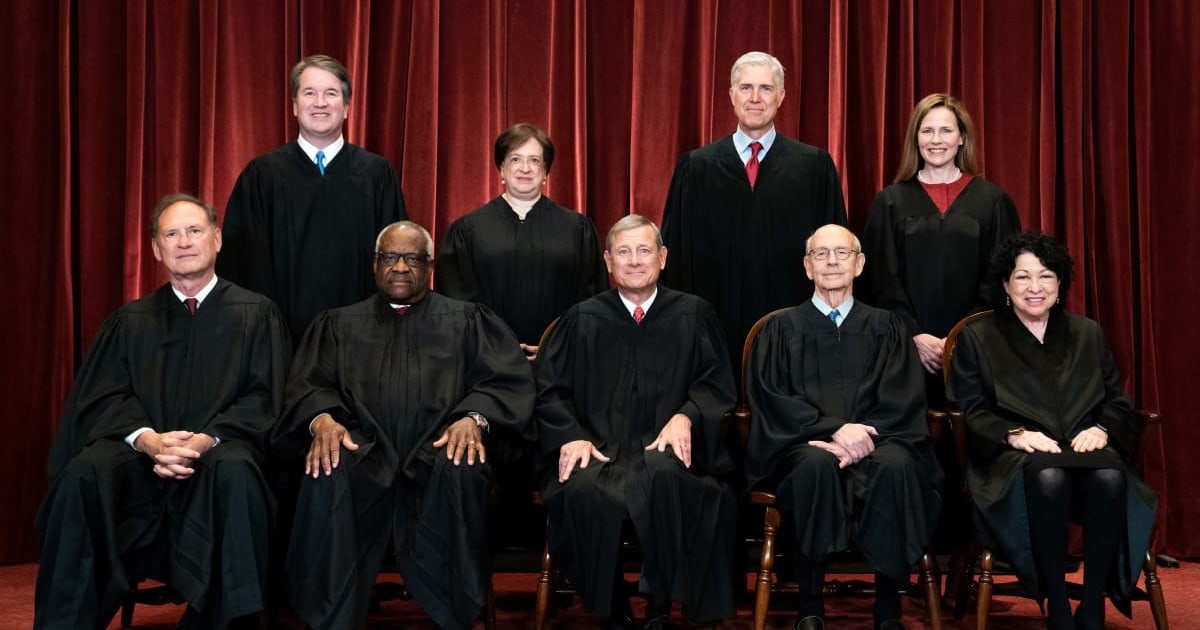
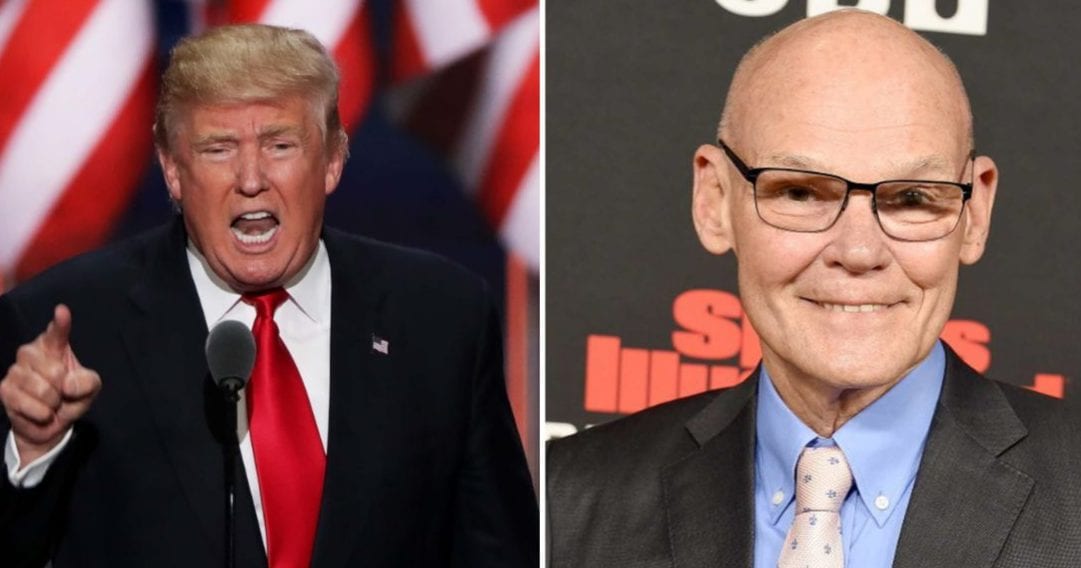
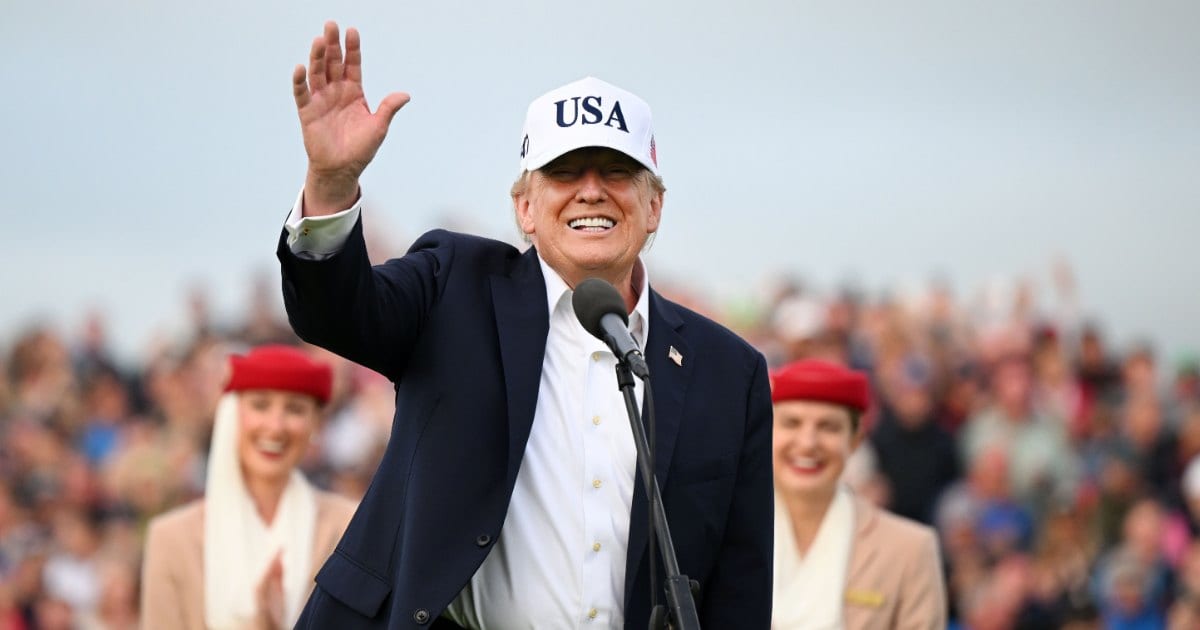
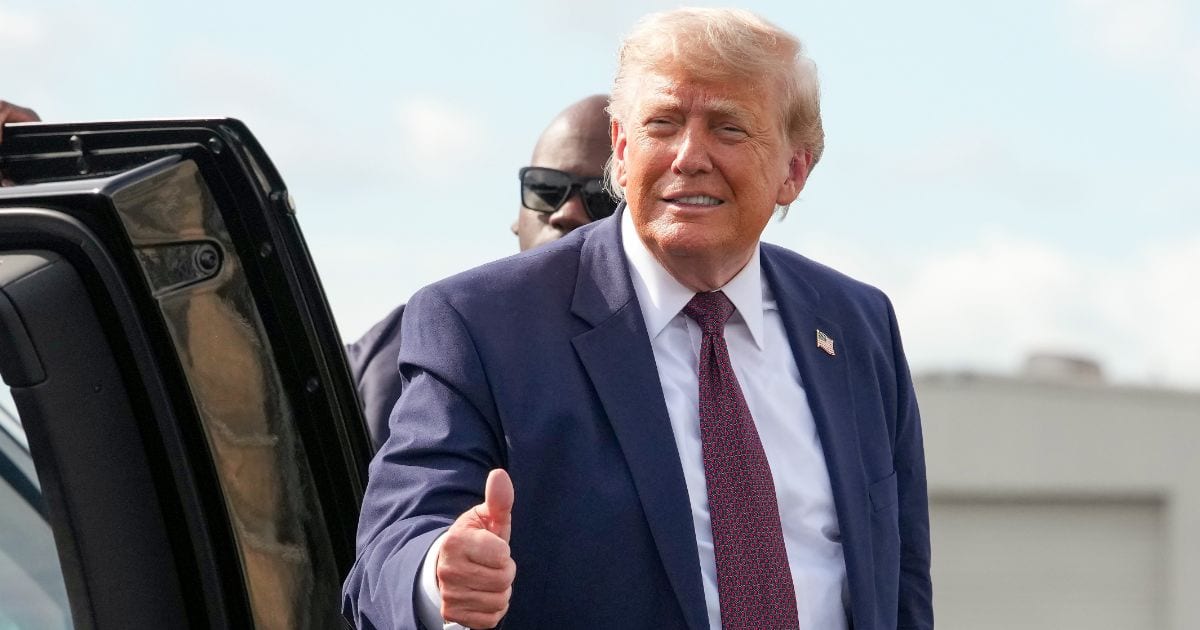
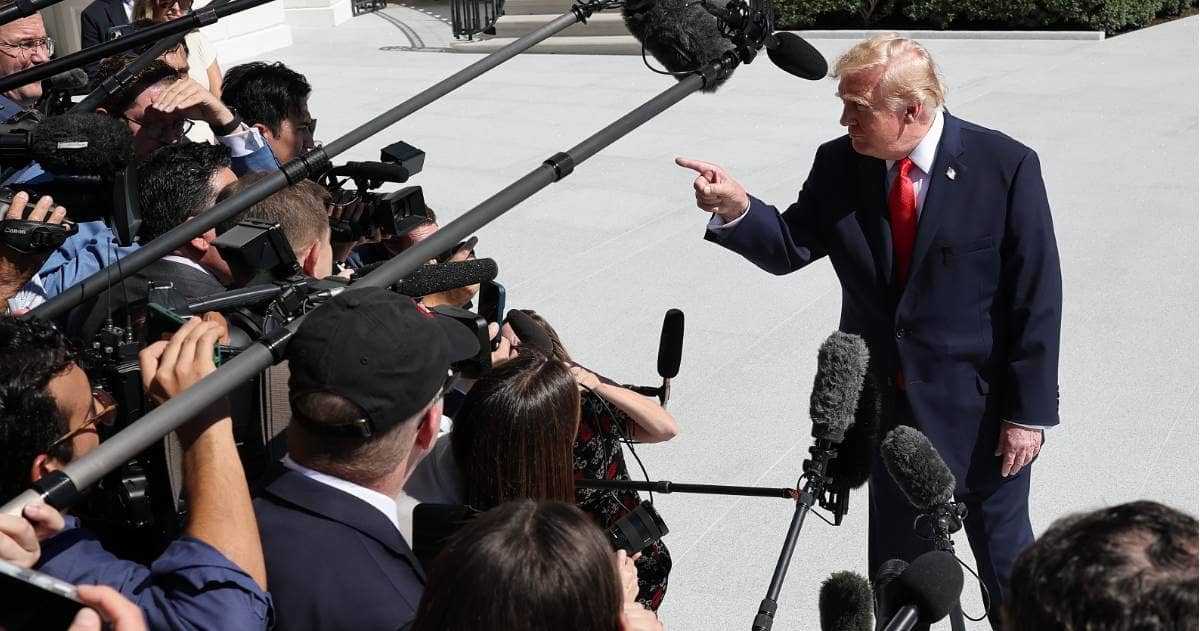
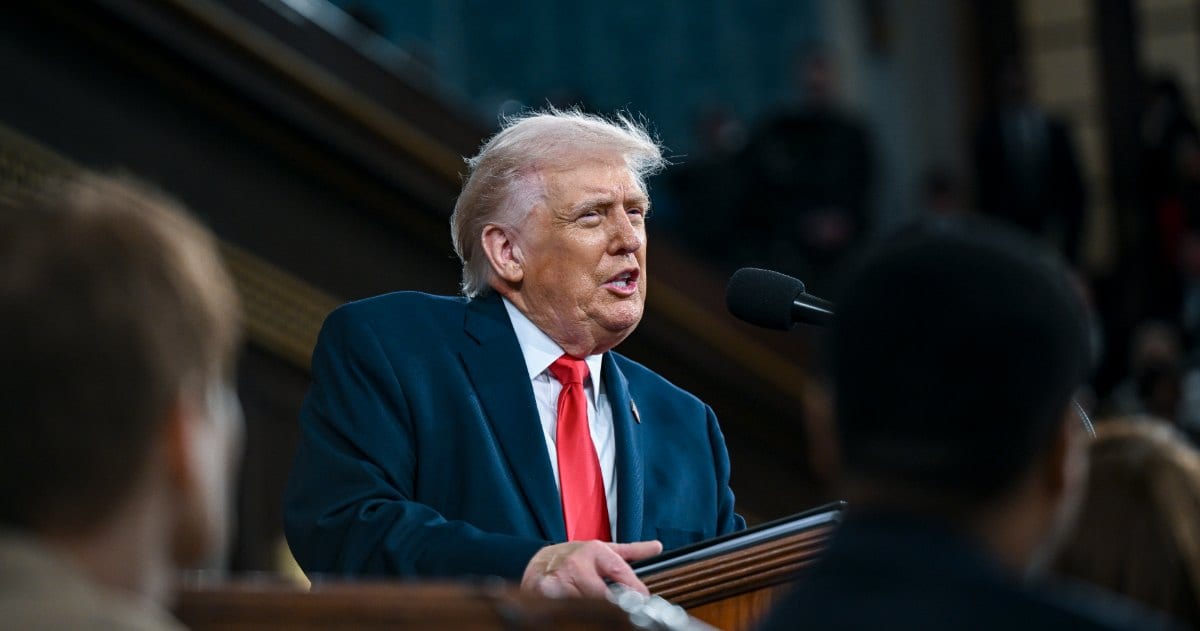
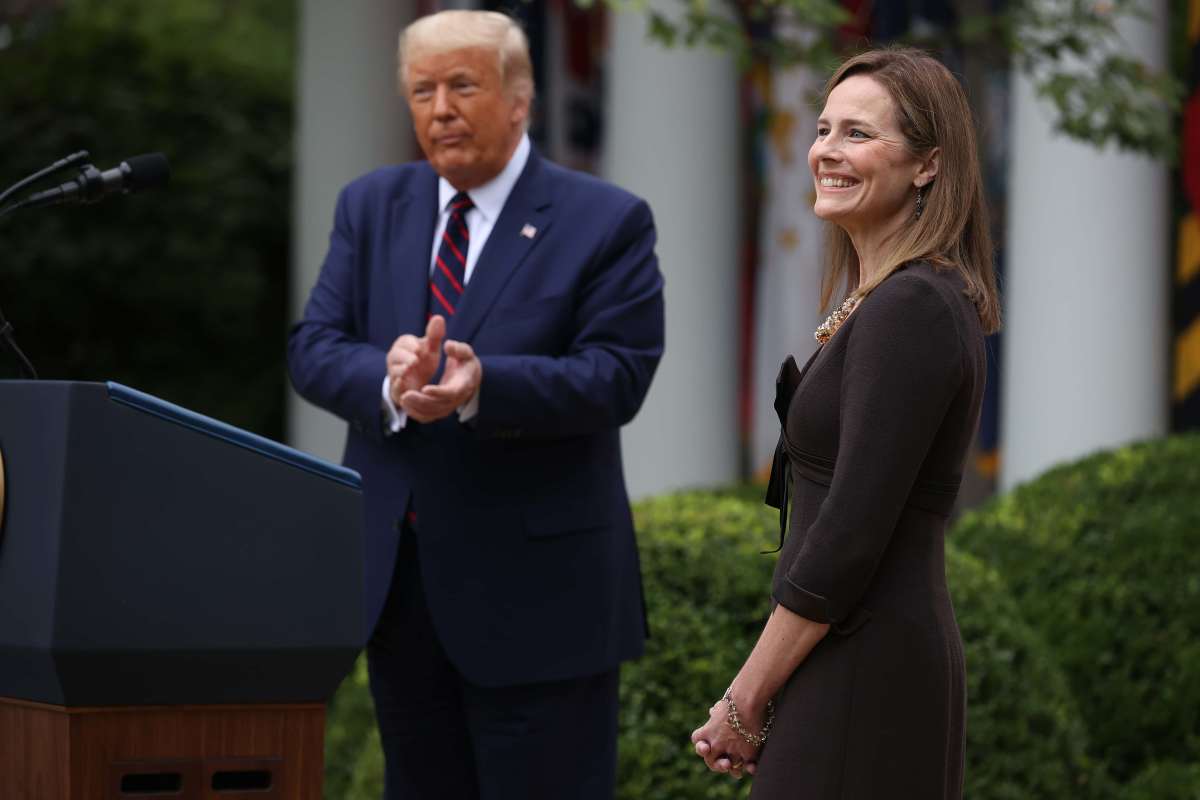
WASHINGTON, DC: President Donald Trump helped reshape the Supreme Court into a 6-3 conservative majority during his first term, but he is now openly criticizing three of the justices he appointed.
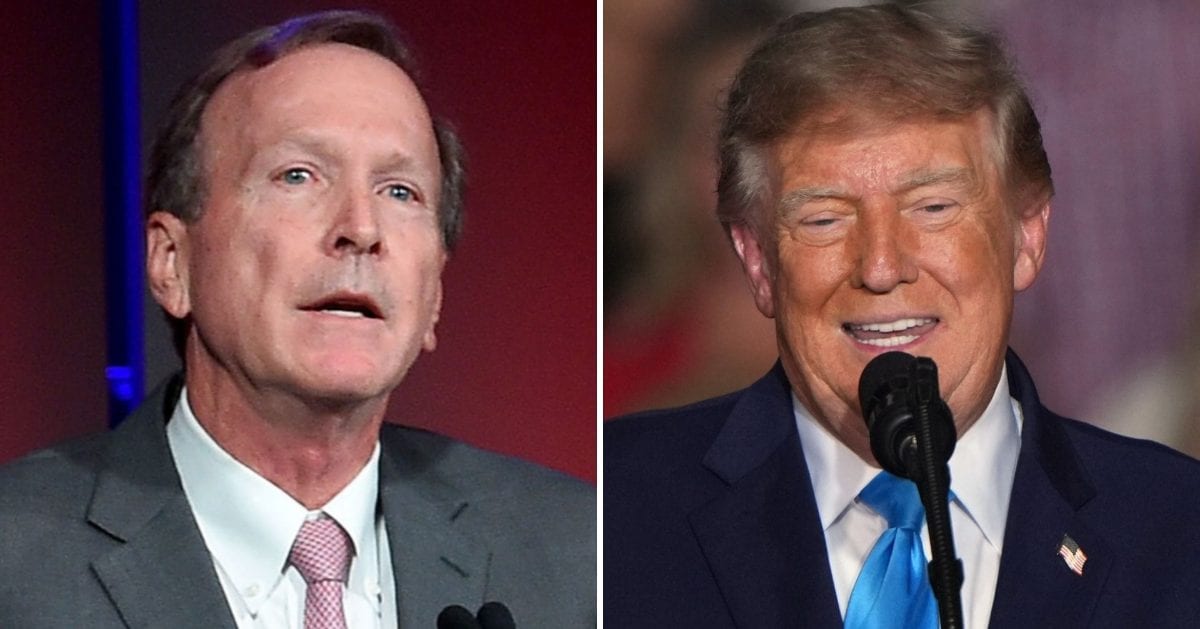
In a recent Time interview, Trump said he regretted nominating Neil Gorsuch, Brett Kavanaugh and Amy Coney Barrett because, in his words, they “vote against me often.”
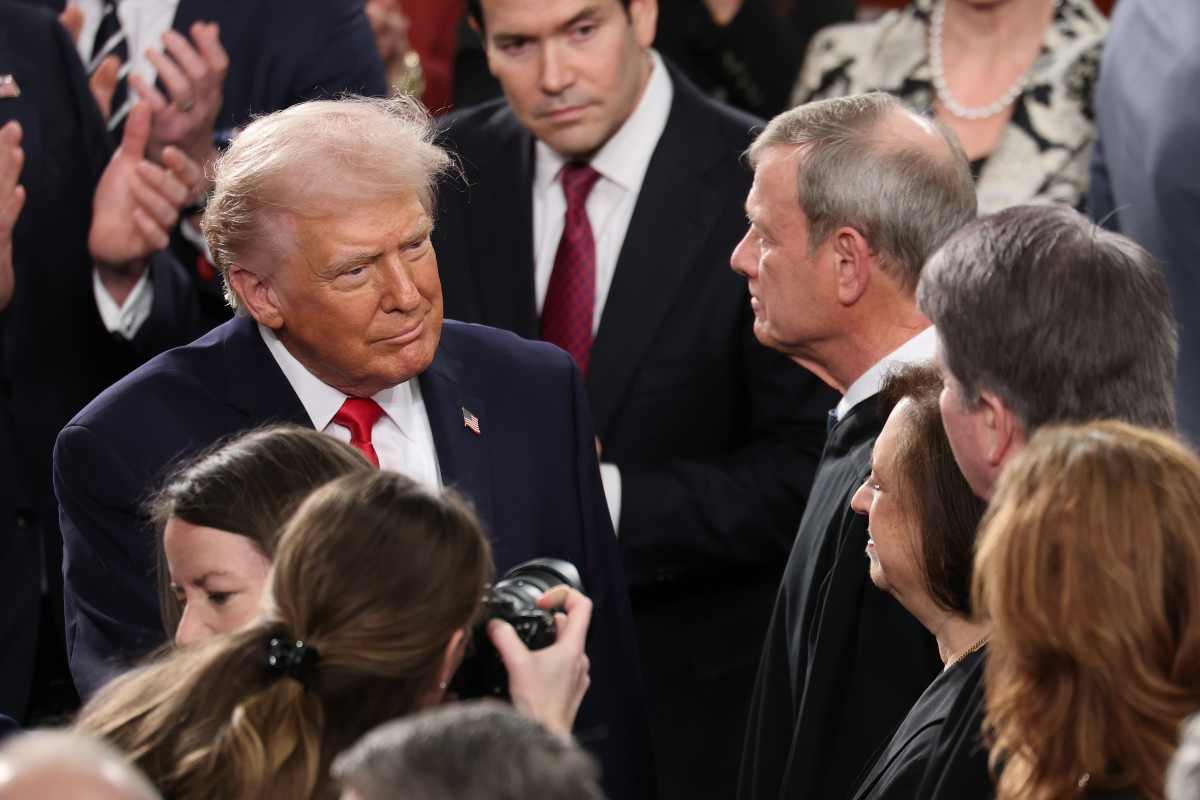
Reuters independently confirmed the comments.
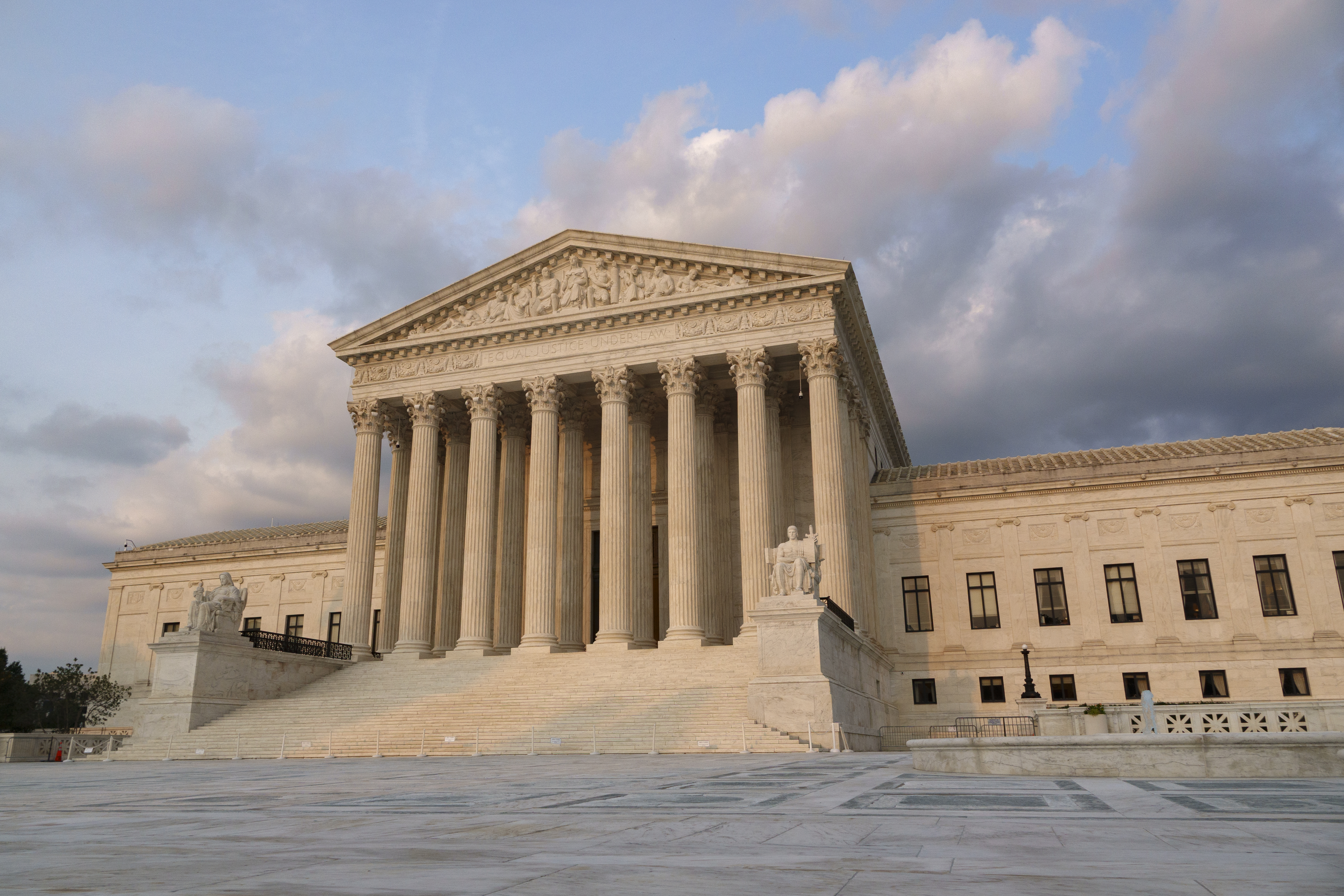
The remarks come as the Supreme Court begins its 2026-27 term, with several cases touching directly on Trump administration policies, including immigration detention and third-country deportations.
The court’s decisions could again test how far the president can push his second-term agenda.
Trump turns on his own justices
Trump’s frustration reflects a recurring tension between his expectations and the independence of the justices he selected.
Gorsuch, Kavanaugh and Barrett were nominated during Trump’s first term and helped cement the court’s current conservative majority.
Yet the court has not consistently sided with him.
The justices rejected his attempt to impose global tariffs under emergency powers and struck down his effort to restrict birthright citizenship through executive action.
The court has also issued rulings that allowed some of his executive powers while limiting others.
Trump’s latest criticism was surprisingly direct.
He said he had given the three justices “the position of a lifetime” and complained that they frequently ruled against him.
Justice Samuel Alito, without addressing Trump individually, recently acknowledged that presidential criticism of the court has become harsher and said such criticism has come from both parties.
Immigration puts Trump agenda back
One of the term’s most consequential Trump-related disputes involves mandatory detention of certain immigrants facing deportation.
The administration changed longstanding practice by arguing that people who entered the country illegally and are subject to removal should generally be detained without bond hearings.
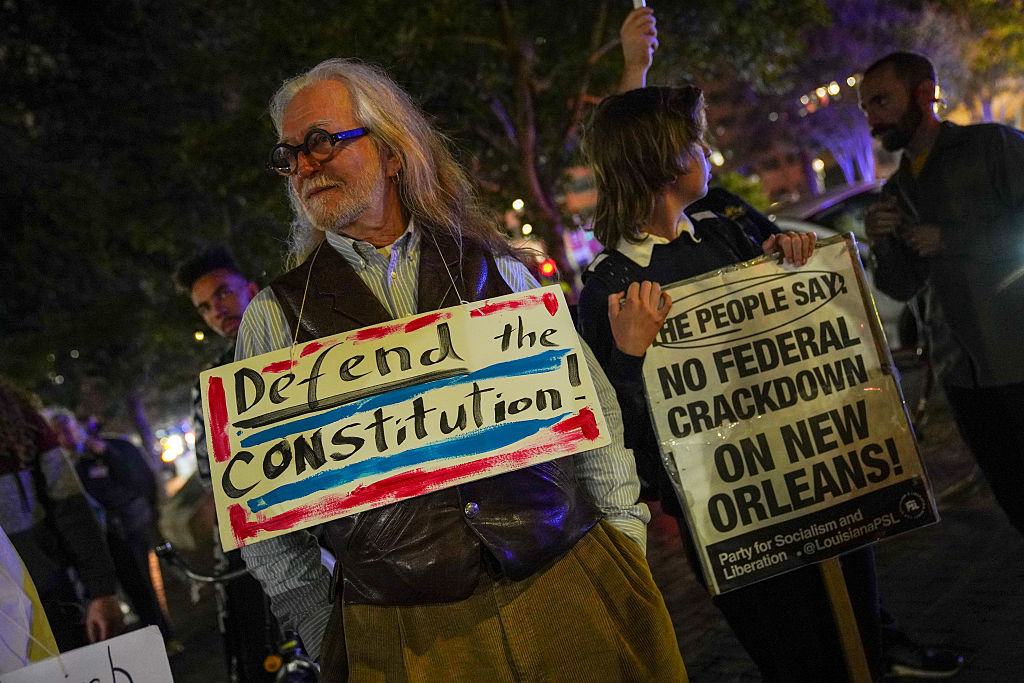
The Supreme Court agreed to hear the challenge after lower courts rejected the administration’s interpretation of federal immigration law.
The case could affect the government’s ability to hold migrants while deportation proceedings continue.
The justices have also agreed to hear a separate challenge involving Trump’s policy of removing some migrants to countries other than their homelands.
On September 29, the court allowed the policy to resume temporarily. The case is scheduled for arguments during the court’s December session.
The case raises questions about whether the policy violates federal immigration law and constitutional protections or anti-torture safeguards.
Gun rights face another major test
The court will also hear challenges to state and local restrictions on AR-15-style rifles, bringing another major Second Amendment dispute before the conservative majority.
The cases involve bans enacted in Connecticut and Cook County, Illinois.
Gun-rights groups argue that the rifles are commonly owned firearms protected by the Second Amendment, while challengers say their use in mass shootings supports restrictions.
The dispute follows the court’s expansion of Second Amendment protections in earlier cases and could clarify how that precedent applies to modern semiautomatic rifles.
Climate case could reshape lawsuits
The term will open Monday with a major climate case involving ExxonMobil and Suncor Energy.
Boulder, Colorado, is seeking damages from the companies over alleged climate-related harms, while the oil companies argue that federal law should prevent the state-law claims from proceeding.
The Trump administration has backed the companies’ position.
Justice Alito has recused himself from the case after scrutiny of his financial holdings in fossil-fuel companies, creating the possibility of a 4-4 split.
A tie would leave the Colorado Supreme Court ruling intact without creating a nationwide Supreme Court precedent.
For Americans, the new term could affect immigration enforcement, gun regulations, climate litigation and the limits of presidential authority.