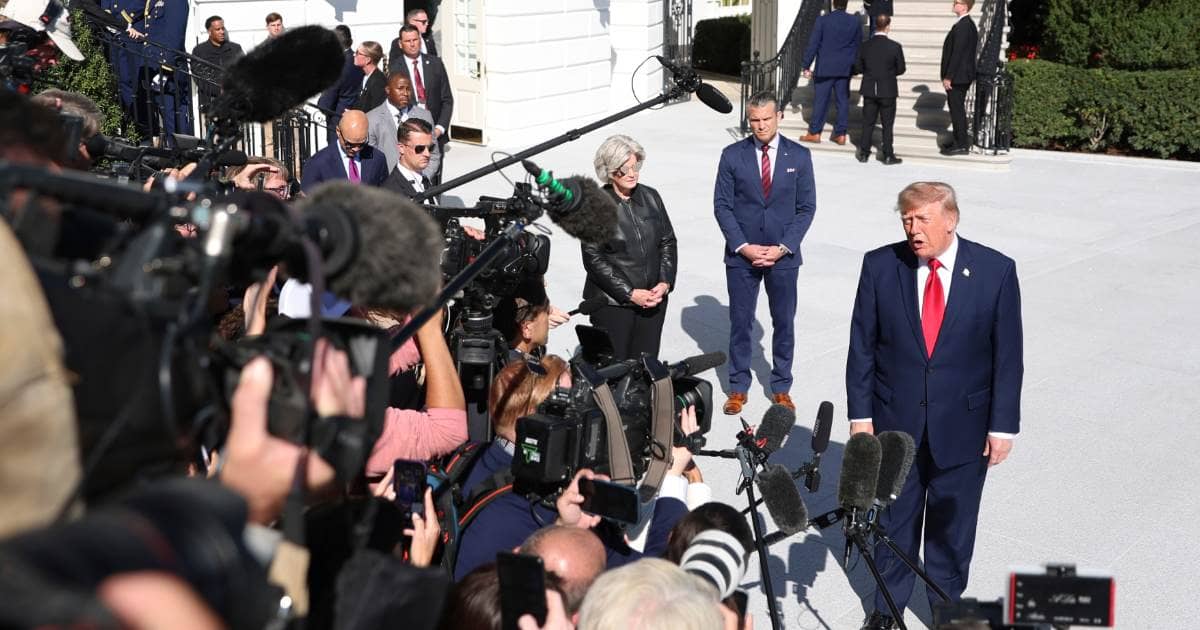
SCOTUS justice defies Trump's loyalty demands amid term limit push
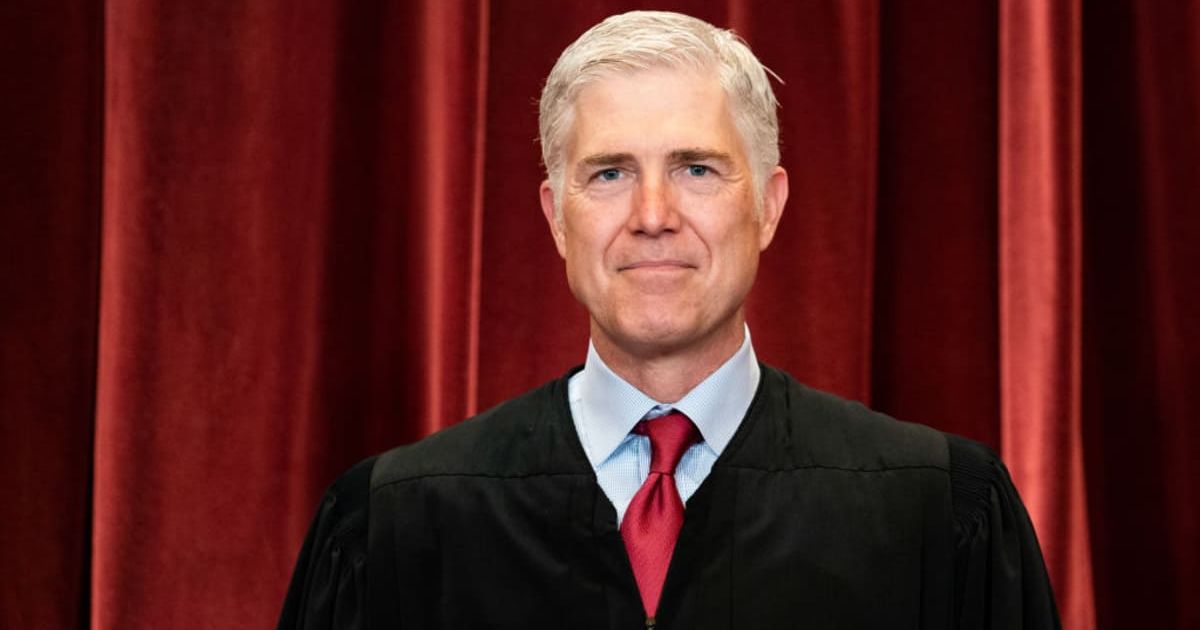
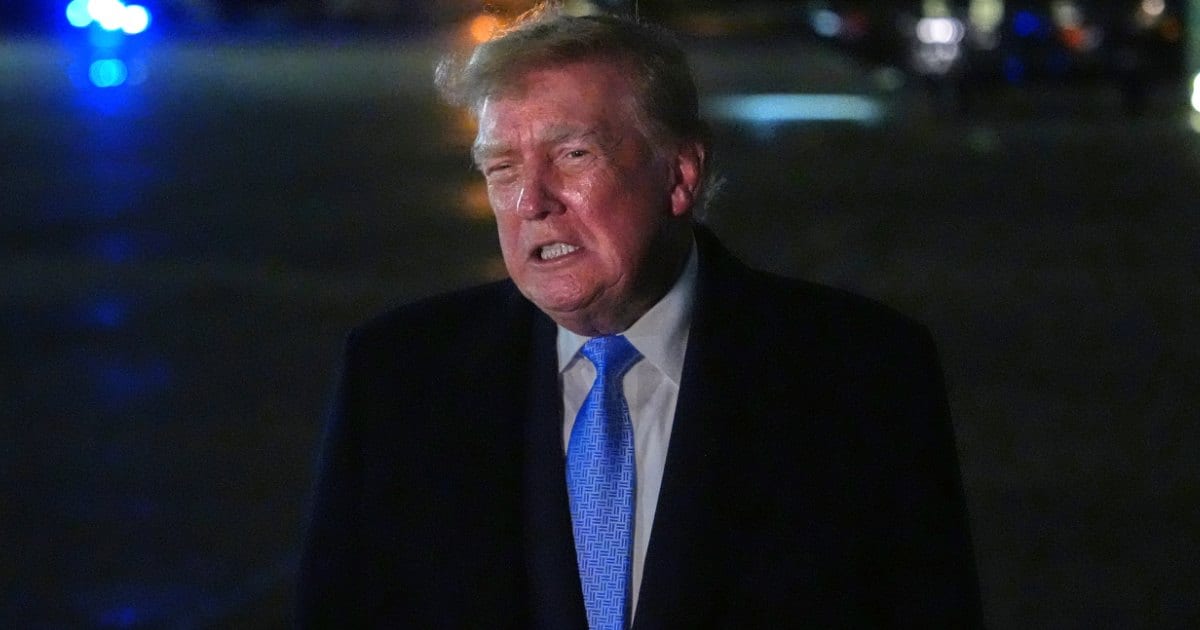
WASHINGTON, DC: Supreme Court Justice Neil Gorsuch has issued a direct response to President Donald Trump’s recent remarks suggesting judicial appointees should demonstrate loyalty to the executive who nominated them.
In an interview with CBS News on Tuesday, May 5, Gorsuch stated that his obligation is to the Constitution and federal law, not to any individual, pushing back on expectations of ideological alignment.
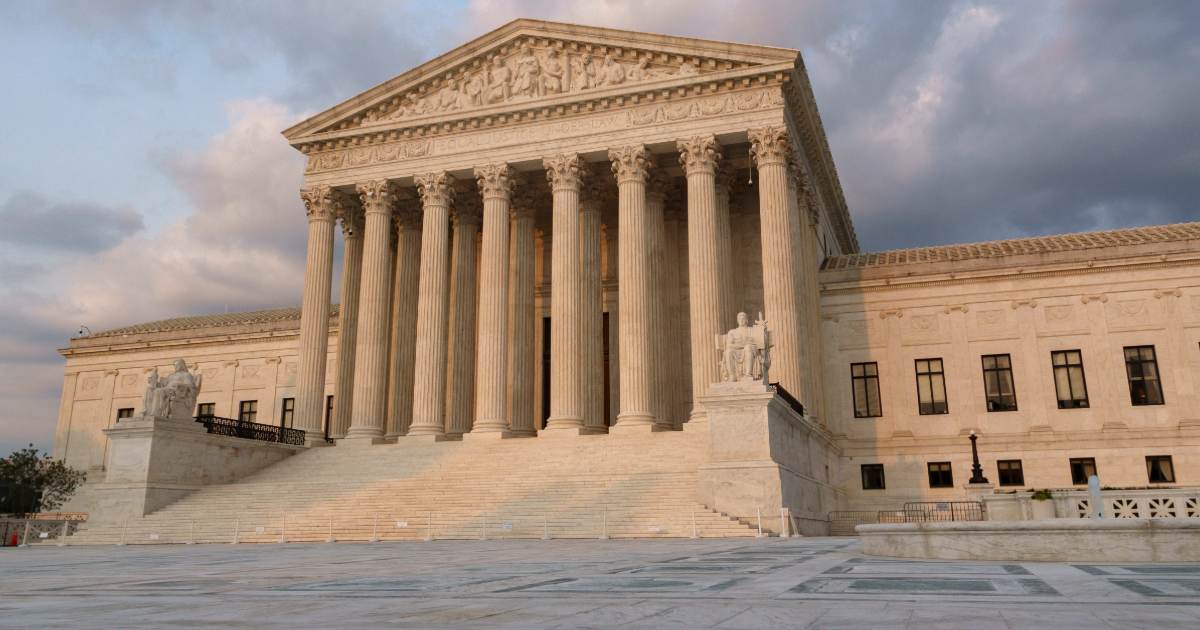
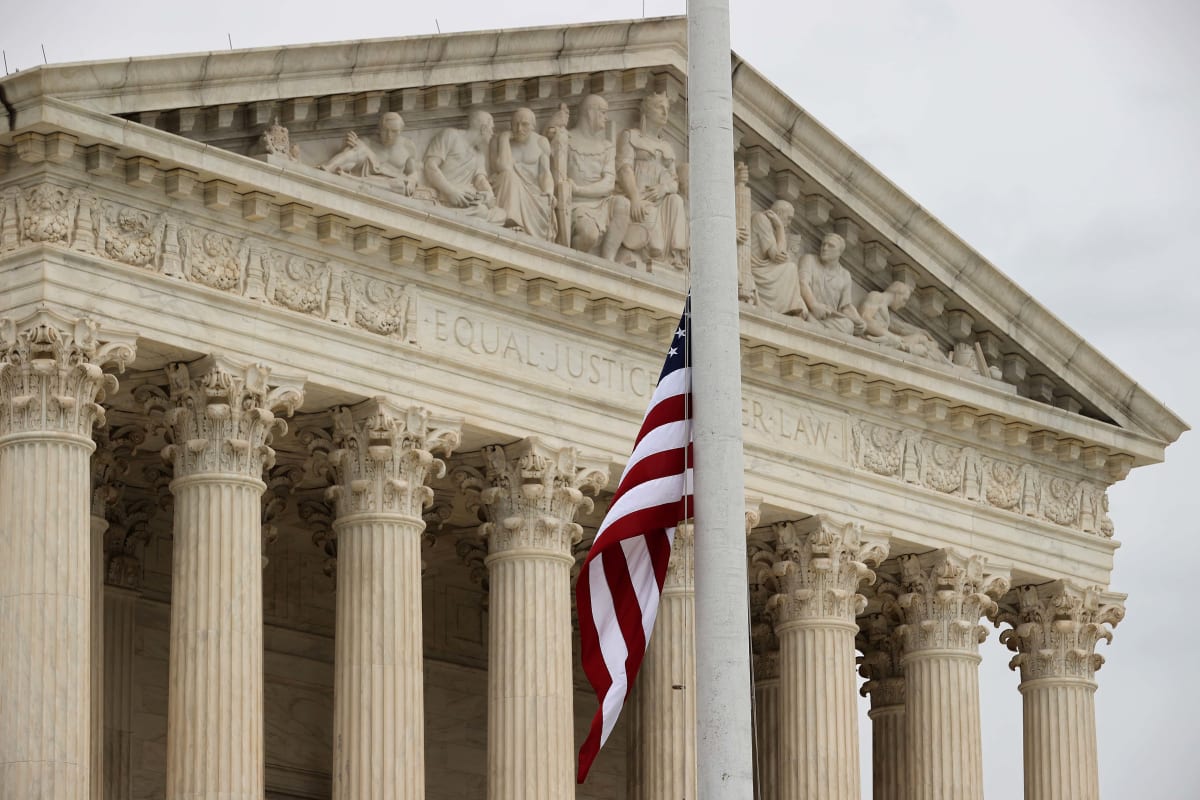
The comments come during a period of heightened tension between the White House and the judiciary, following a February 6-3 Supreme Court ruling that struck down a major tariff policy backed by the administration.
The President has publicly criticized that decision, naming Gorsuch and Justice Amy Coney Barrett among those who joined the majority.
In earlier remarks on Truth Social, Trump said Democratic-appointed justices tend to "stick together like glue," while some Republican-appointed judges, in his view, prioritize being "politically correct" over adherence to the ideology associated with their appointments.
Gorsuch rejected that framing, pointing to the constitutional design of lifetime tenure for federal judges as a safeguard against political pressure.
Defending the structure of federal law
Gorsuch emphasized that judicial independence remains central to the functioning of the Supreme Court.
"My loyalty is to the Constitution, the laws of the United States," he told CBS News chief legal correspondent Jan Crawford. "That's the oath I took. It's really just that simple."

He said his approach focuses on applying the law without regard to political commentary, whether from the "left, right, or center."
His remarks come after President Trump attended oral arguments last month concerning an executive order on birthright citizenship, where he indicated skepticism about the outcome.
Gorsuch reiterated that the Court operates separately from executive influence and that its role is to interpret the law as written.
Reforms face significant legislative hurdles
The Court continues to face criticism from across the political spectrum.
While the President has expressed dissatisfaction with recent rulings, House Democratic Leader Hakeem Jeffries has also criticized the Court, describing it as "illegitimate" following a decision affecting provisions of the Voting Rights Act.
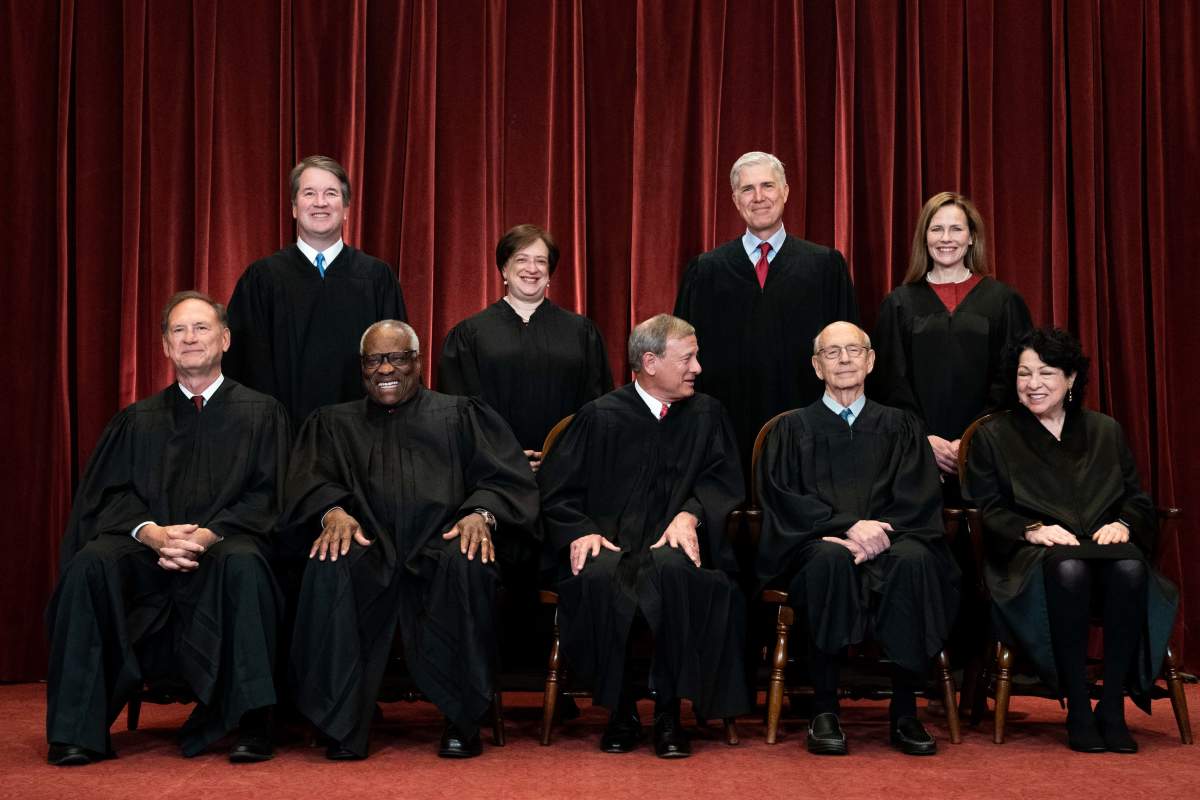
These pressures have renewed calls for structural reforms. On Monday, Maryland Representative Johnny Olszewski introduced a proposal for a constitutional amendment establishing 18-year term limits for justices.
However, such measures face substantial legislative barriers, particularly in the Senate, where most proposals require 60 votes to advance.
As a result, major changes such as altering the Court’s size or implementing term limits are unlikely in the near term.
Caution against tinkering with judicial history
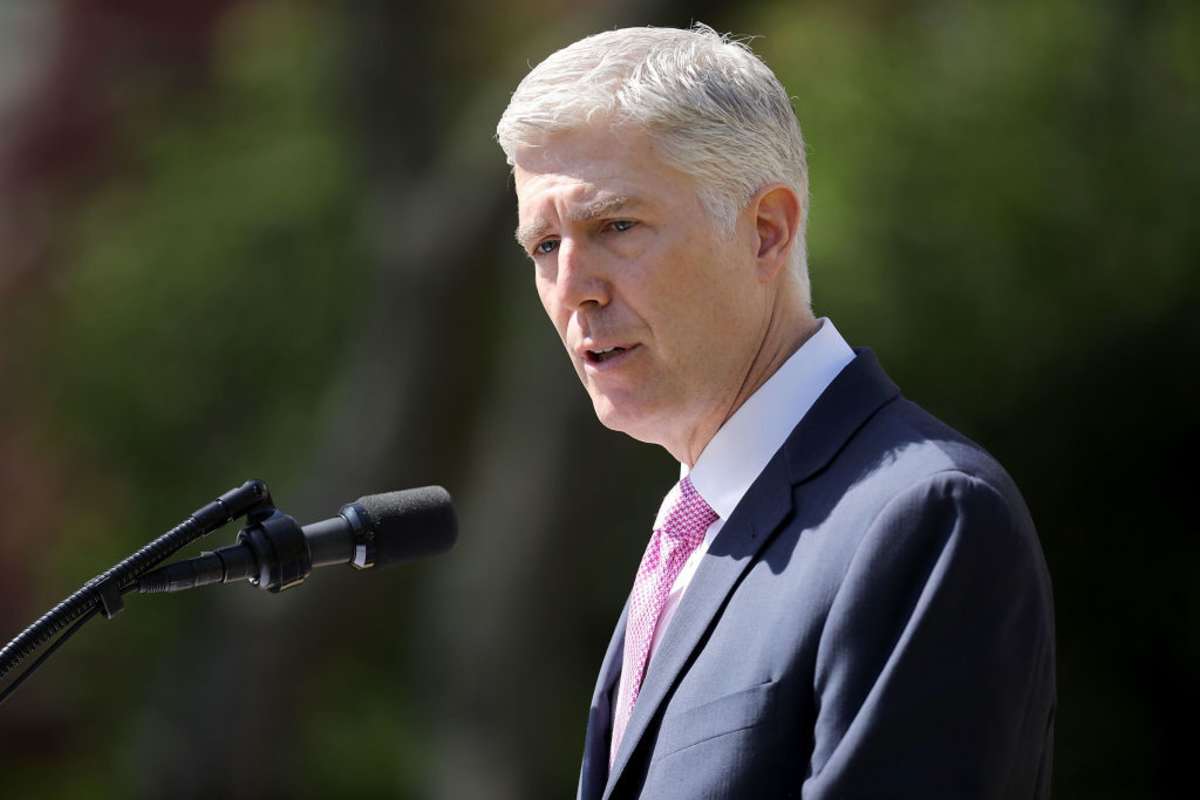
While promoting his children’s book, "Heroes of 1776," Gorsuch also addressed broader discussions about reforming the Court.
He referenced past statements by Justice Ruth Bader Ginsburg, noting that the current nine-justice structure, in place since 1869, has functioned consistently over time.
He cautioned that changes to the Court’s structure should be approached carefully, warning that repeated adjustments could affect institutional stability.
"Make sure you know what you're reforming before you tinker with it," Gorsuch said, emphasizing the importance of understanding the Court’s historical framework before implementing significant reforms.