‘The View’ host Sara Haines confronts Abdul El-Sayed over ‘hurt people hurt people’ remark
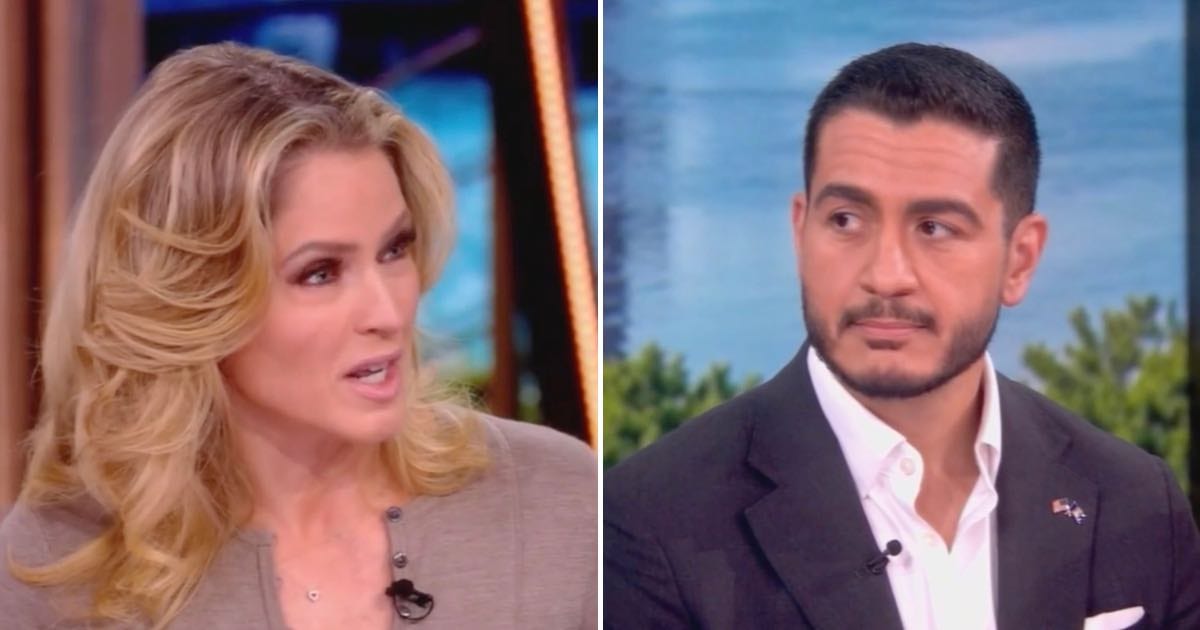
NEW YORK CITY, NEW YORK: ‘The View’ co-host Sara Haines put Michigan Senator-elect Abdul El-Sayed on the spot over his response to the attack on Temple Israel synagogue and the time he took to apologize for his remarks. During the November 6 interview, Haines brought up his comment, “Hurt people hurt people,” and questioned why it took him around five months to understand why it upset people.
El-Sayed said he had condemned the attack immediately but admitted that offering context was the wrong response when people were grieving. The exchange also prompted a reaction from co-host Joy Behar, who remarked, “Better late than never.”
The View’s Sara Haines holds Abdul El-Sayed’s feet to the fire over his “hurt people, hurt people” comments after a Muslim terrorist attacked the Temple Israel synagogue in West Bloomfield last year. She challenged him TWICE after he tried to wriggle out of it. Good for Haines. No one else on that panel was willing to bring this up. HAINES: “Your response that ‘hurt people, hurt people’ after the Temple Israel attack in Michigan in March really stuck with a lot of people and you did apologize for that but it took you a while to…it took you about five months to seemingly understand why that landed wrong with voters and constituents…” EL-SAYED: “I was trying to argue about…or offer context around the fact that that individual had lost a child, niece and nephew in an air strike…” “I want us...to be have an adult conversation about the ways in which actions ricochet around the world and create worse for all of us.” That’s when Haines clapped back again. HAINES: “I just think that if that had been done anywhere near what I believed, I would be so furiously enraged that they would use the words that I have led my life with to hurt people that way and that was young kids, so I just was surprised it took a minute for you to understand that part.” So in other words, El-Sayed apologized because of the optics, but not because he disagrees with his original sentiment that people should empathize with radical Islamic terrorists.
— Overton (@overton_news) November 5, 2026
Sara Haines questions Abdul El-Sayed over Temple Israel remarks
The controversy dates back to March 12, when a man drove a truck into Temple Israel in West Bloomfield Township, Michigan, and exchanged gunfire with security personnel before killing himself, according to authorities.
El-Sayed condemned the attack but faced criticism after saying, “Hurt people hurt people,” referring to the attacker's relatives who had been killed in an Israeli airstrike in Lebanon.
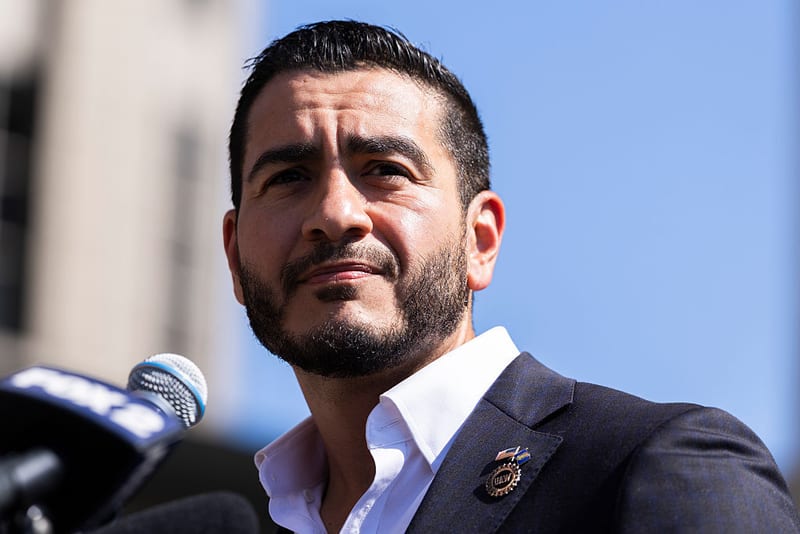
Haines reminded him that the comment had stayed with many people and pointed out that his apology came around five months later.
“Your response, that ‘Hurt people hurt people’ after the Temple Israel attack in Michigan in March really stuck with a lot of people,” she said.
She then asked whether leaders have a responsibility to challenge extremist views within their own religion, particularly given that El-Sayed is set to become the first Muslim senator of the United States.
Abdul El-Sayed says he should have stood with victims' pain
El-Sayed thanked Haines for the question and said he agreed that faith should bring people together rather than be used to justify harmful actions.
He also recalled visiting the temple after the attack and attending a bar mitzvah there when he was younger.
“I condemned it immediately, and I wanted to offer context, but ... you know, when people are hurting, context is secondary, and I just should have stood with their pain,” he said.
El-Sayed added that he had learned from the experience and was willing to apologize when he made a mistake.
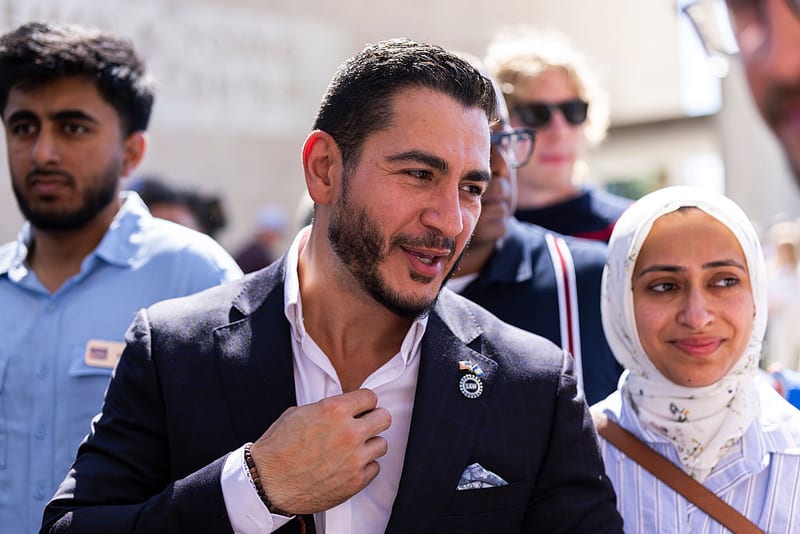
He then explained that he had tried to offer context about the attacker losing a child, niece and nephew in an airstrike. He said leaders should be able to stand with people who are suffering without exceptions, while also having conversations about how actions around the world can affect others.
Haines acknowledged his response but said she would have been furious if someone had used words associated with her faith in a way that hurt people, especially when young children were among those affected.
“I just was surprised it took a minute for you to understand that part,” she told him.
“I hear you on that,” El-Sayed replied.
Behar then added, “Better late than never.”
Jesse Arm criticizes Abdul El-Sayed's explanation
The exchange also drew criticism from Jesse Arm, a vice president at the Manhattan Institute and a pollster originally from Michigan.
Speaking to Fox News Digital, Arm compared El-Sayed's remarks to a hypothetical response by an American politician following Dylann Roof's massacre of Black worshippers at a Bible study.
“Imagine an American politician responding to Dylann Roof’s massacre of Black worshipers at Bible study by saying ‘Hurt people hurt people,’ then asking us to consider the killer’s grievances,” Arm said.
He argued that El-Sayed's comments were wrong because they appeared to connect the attack on the synagogue to events overseas.
“The problem wasn’t when he offered it. The problem was suggesting that events overseas somehow mitigate responsibility for trying to massacre Americans at home,” Arm said.
He added that there was no justification for attacking a synagogue full of children, regardless of what the attacker had experienced.
“Americans deserve leaders who can say that without pivoting to the terrorist’s pain,” Arm continued. “Our politics is in a dangerous place when that basic moral clarity becomes negotiable depending on the identities of the attacker and the intended victims.”