'They had chips and dip': GOP lawmaker ridicules Pentagon's $1.5 trillion pitch

WASHINGTON, DC: President Donald Trump's push to secure tens of billions of dollars in additional defense funding is facing resistance from within his own party after key Republicans emerged from a series of closed-door Pentagon briefings saying officials failed to explain why the money is urgently needed.
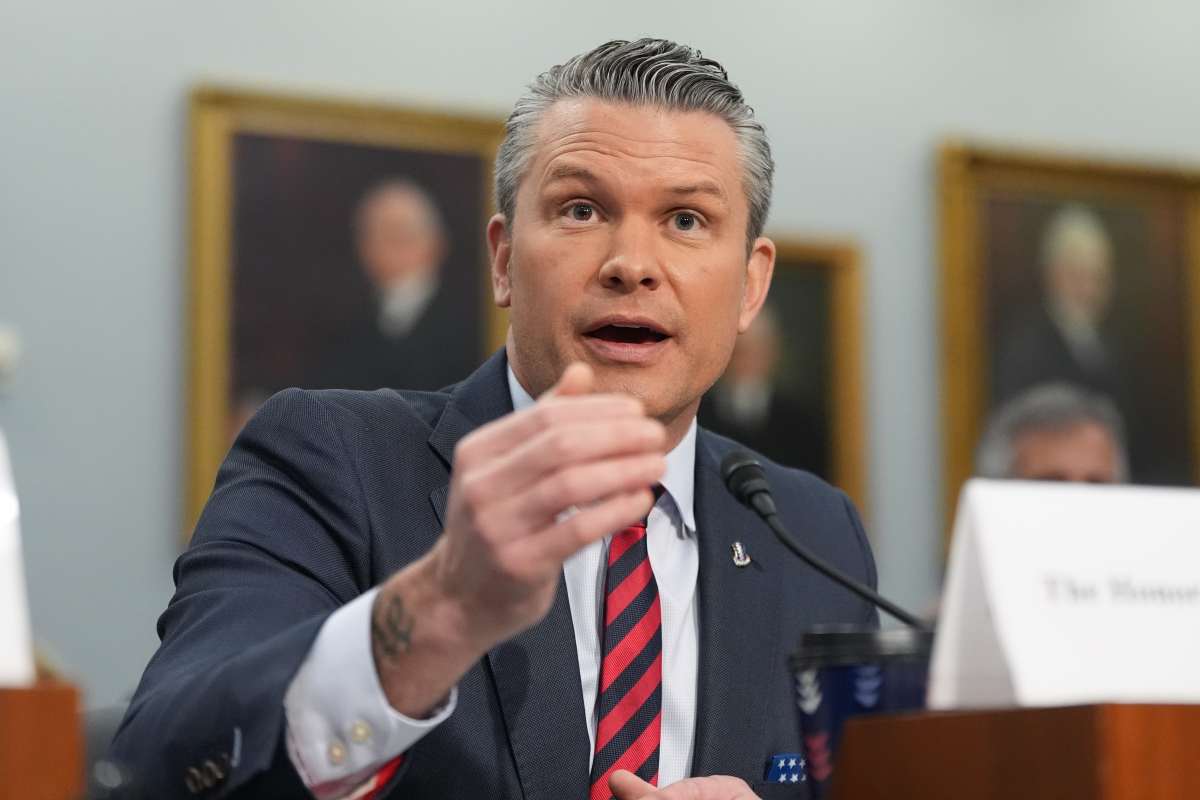
The administration has launched an all-out campaign to win over skeptical lawmakers, deploying Defense Secretary Pete Hegseth, Vice President JD Vance, and senior Pentagon officials to private meetings on Capitol Hill and Camp David.
But instead of building confidence, several Republicans say the briefings raised more questions than answers, with one lawmaker ridiculing the effort by quipping, "They are asking for $1.5 trillion, and they had chips and dip."
Republicans question Pentagon's spending case
The Pentagon has been urging Congress to quickly approve additional military funding as US operations in Iran continue to drain weapons stockpiles and operational resources.
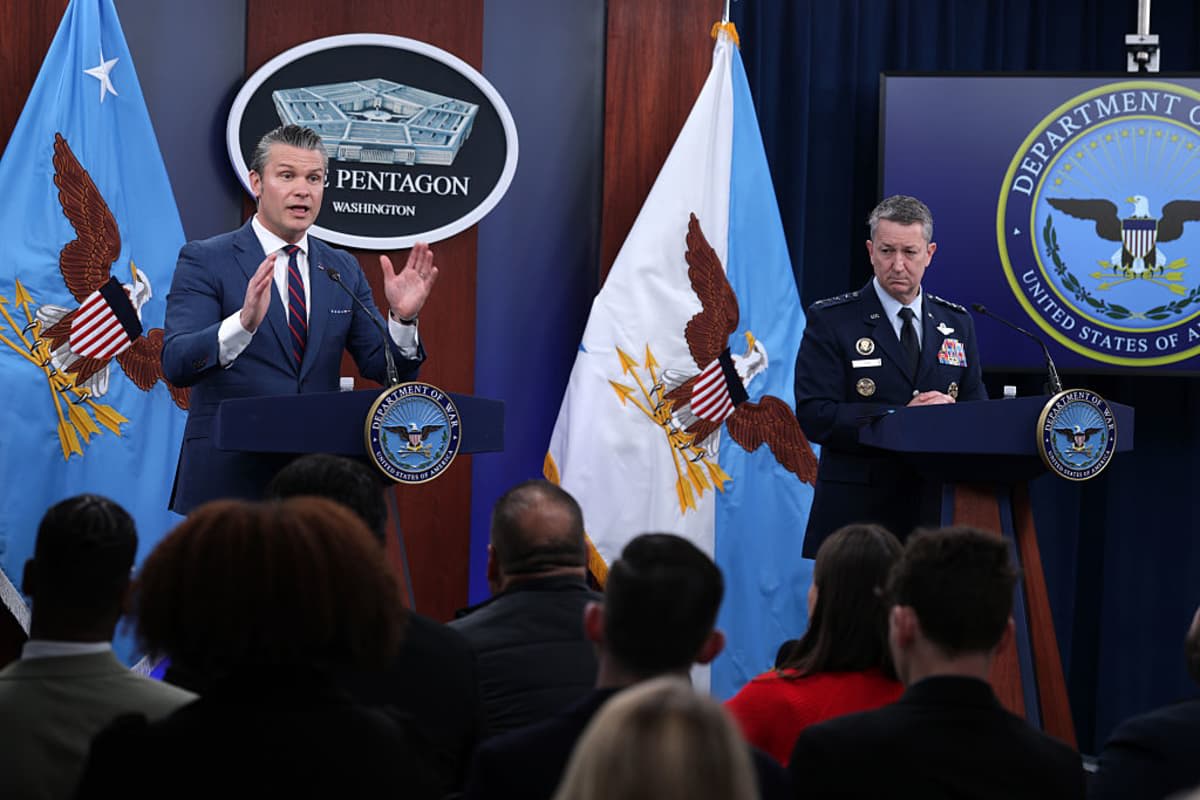
Officials argue the money is needed before mid-August to replenish munitions and maintain military readiness.
According to the Defense Department, hundreds of meetings and briefings have been held with lawmakers over the past two months as officials attempt to explain the urgency behind the request.
Yet lawmakers from both parties who attended a closed-door briefing earlier this month said Pentagon officials struggled to provide detailed answers when pressed on how the funds would be spent or why existing appropriations had been exhausted so quickly.
'Chips and dip' remark stings
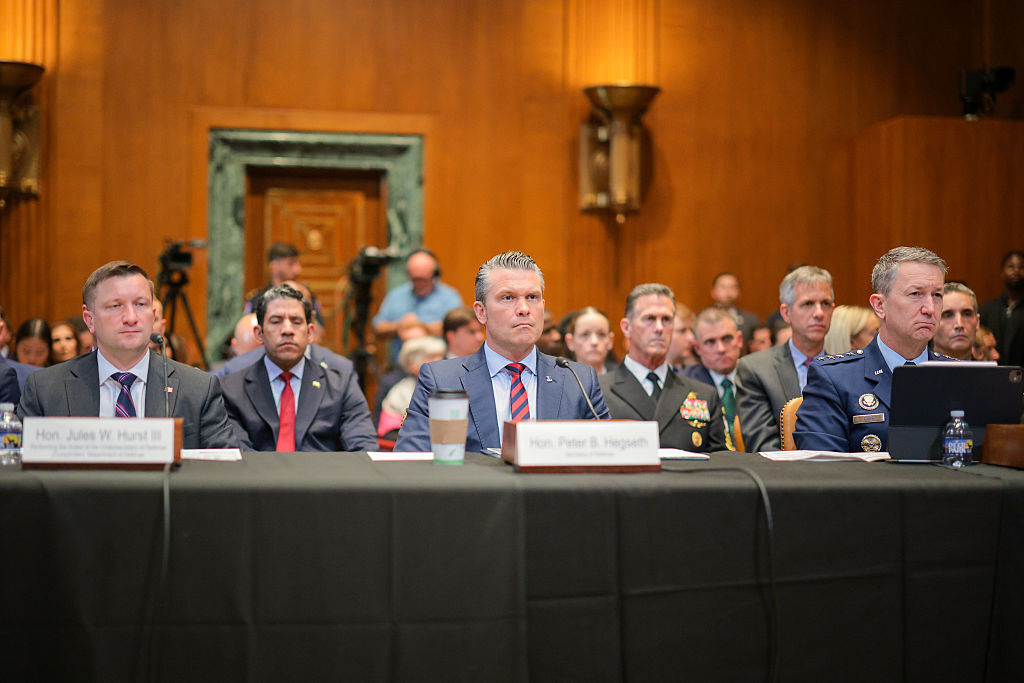
Frustration boiled over after a nearly four-hour meeting at the Pentagon that one Republican described as wholly unconvincing.
"To me they didn't make any compelling argument. The microphones didn't even work," the lawmaker said. "They are asking for $1.5 trillion, and they had chips and dip."
The remark has quickly become a symbol of broader Republican dissatisfaction with the administration's sales pitch.
Rep Brian Fitzpatrick also questioned why lawmakers should approve another massive funding package without greater transparency, saying the Pentagon "shouldn't just expect us to go along with whatever they say. They got to make their case."
Several conservatives have also objected to adding more spending without identifying offsets, arguing they are unwilling to place another major defense package on the national debt.
Trump allies split over strategy

Despite the growing skepticism, Republican leaders continue to warn that delaying action could jeopardize US military readiness.
Rep Mike Simpson said the Pentagon risks running out of money by mid-August, while Rep Steve Womack argued waiting until August to resolve the issue "is not a good thing."
Intelligence and Armed Services Committee member Rep Ronny Jackson similarly called the timeline "serious" and urged Congress to move quickly.
Others, however, remain unconvinced that the administration has demonstrated an emergency requiring immediate congressional action.
Funding fight far from over
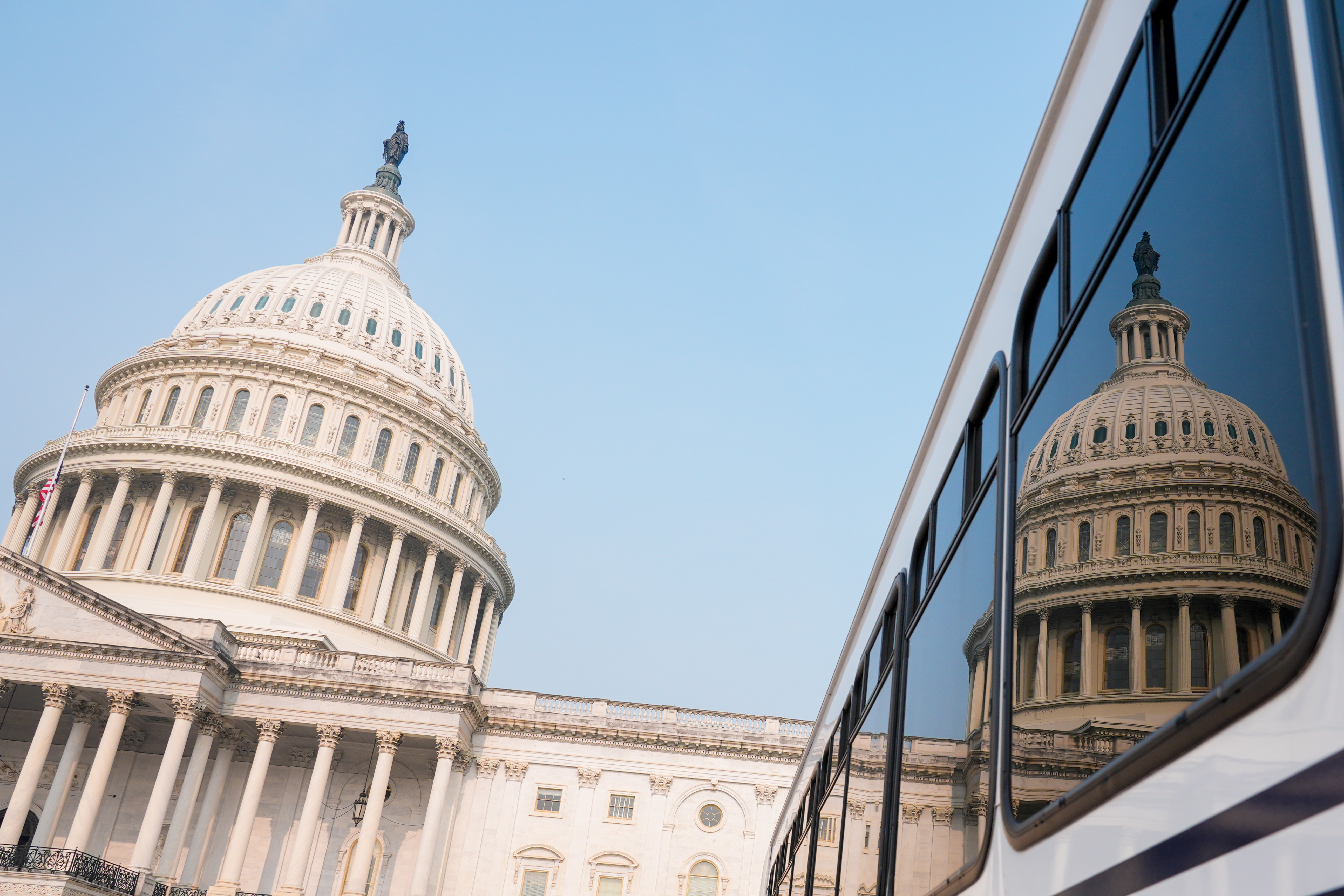
House Republican leaders have already advanced legislation that includes roughly $73 billion in defense spending, significantly below the administration's original request, after conservatives forced negotiators to reduce the overall proposal.
Even if the House approves the package, Senate Republicans are expected to seek major revisions, including higher Pentagon funding and changes to other provisions attached to the bill.
The dispute has exposed an unusual political challenge for Trump: convincing members of his own party to back a defense funding request they broadly support in principle but increasingly question in practice.
As Congress races toward an August deadline, the administration's biggest obstacle may no longer be Democrats, but skeptical Republicans demanding answers before they open the federal checkbook.