Trump admin proposes stripping tax-exempt status from schools offering race-based support
WASHINGTON, DC: The Trump administration rolled out new regulations that target private schools and colleges over the use of race in admissions, scholarships, or any other programs they run.
If these institutions consider race in any of those areas, they’d lose their tax-exempt status. This move fits into the federal government’s wider effort to shut down diversity initiatives in education.
What will the rules cover?
The rules, proposed by the Treasury Department and Internal Revenue Service, aim to end what administration officials argue is discrimination against white students in favor of students of color.
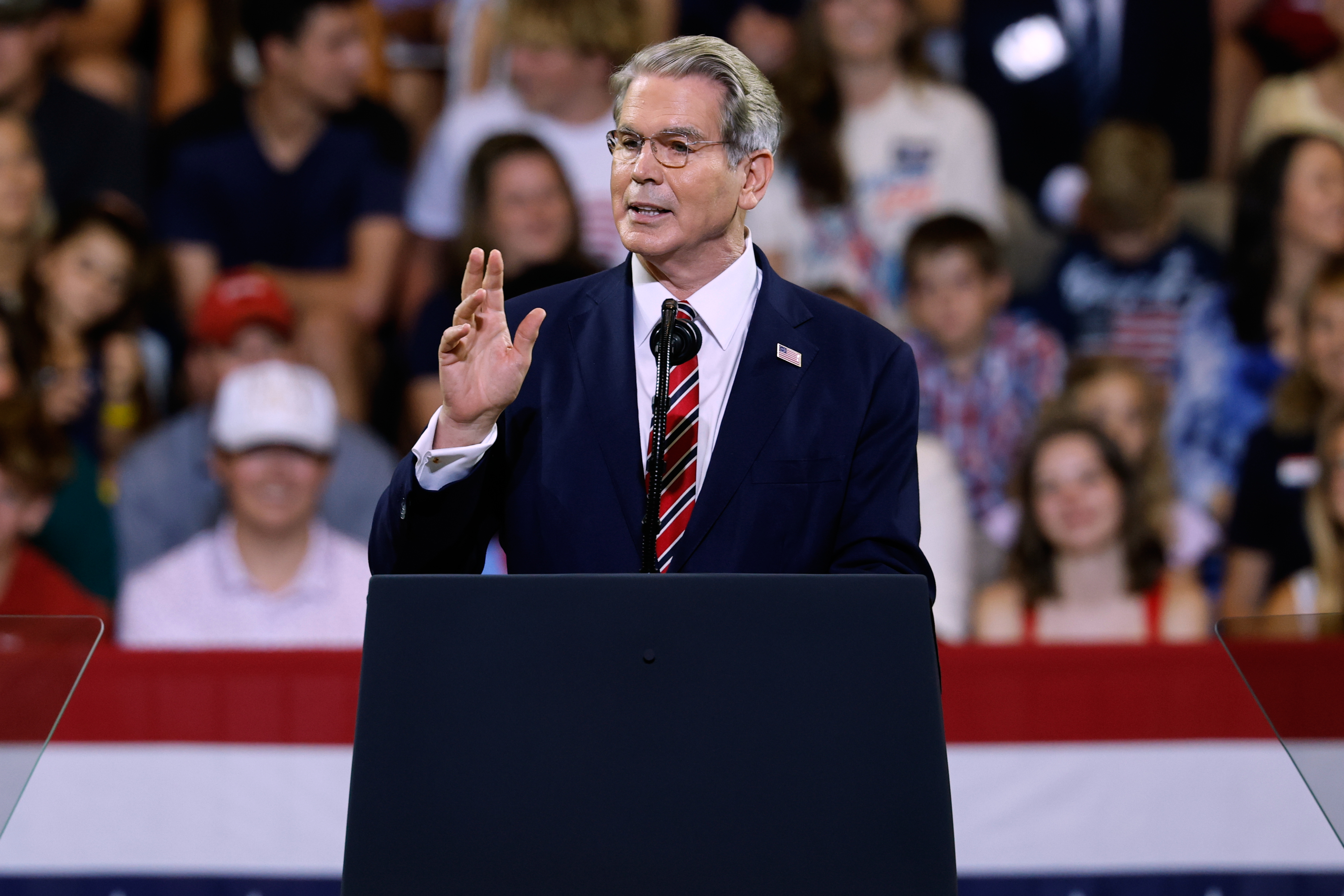
"Schools rebranding race-based preferences as equitable, inclusive, or diversity-enhancing does not change their discriminatory nature," Treasury Secretary Scott Bessent said in a statement.
The proposal follows the Supreme Court's 2023 Students for Fair Admissions decisions, which prohibited most race-conscious admissions policies at colleges and universities.
Admissions, educational policies, scholarships and loans, athletics and "every other school-administered or school-supported program" would be covered by the Treasury's proposal.
It would apply to any program that considers race, color, or national or ethnic origin "for any purpose," including efforts to address past racial discrimination.
The proposal lets religious schools keep choosing students based on their faith without risking their tax-exempt status.
Treasury officials added that schools can still support disadvantaged students by using race-neutral criteria, like family income, where a student lives, or whether they're the first in their family to go to college.
The Treasury estimated that the rules could impact as many as 18,000 schools at all education levels and 750,000 students who could be affected because they may qualify for race-based scholarships.
Legal challenges expected
The new proposal is subject to a public comment period and would likely spark legal challenges if adopted.
The American Association of University Professors, which advocates for academic freedom and has sued the administration to block funding cuts in the past, said it is considering legal action against the proposal.
"This is not neutral enforcement of civil-rights law. It is an affirmative attempt to turn civil-rights law against the very people it was enacted to protect," AAUP President Todd Wolfson said in a statement. "For half a century, federal policy recognized that measures intended to dismantle entrenched racial exclusion are not equivalent to policies designed to preserve it."
These new rules push forward the Trump administration’s ongoing efforts to restrict diversity, equity, and inclusion policies in schools and on college campuses, a drive they picked back up after returning to power in January 2025. And it goes well beyond DEI.
The administration has also gone after universities for using race in admissions and scholarships, plus it’s cracked down on what it calls antisemitism on campus.
Harvard University, in particular, keeps landing in the administration’s crosshairs, especially when it comes to threats of slashing federal funding, launching investigations, and even questioning its tax-exempt status.