Trump admin unveils new dietary guidelines emphasizing protein and whole foods over added sugar

WASHINGTON, DC: The Trump administration on Wednesday, January 7, released revised federal dietary guidelines that significantly shifted the government’s nutrition advice toward higher protein intake, whole foods, and reduced consumption of processed foods and added sugars.
Health and Human Services Secretary (HHS) Robert F Kennedy Jr and Agriculture Secretary Brooke Rollins unveiled the 2025–2030 Dietary Guidelines for Americans at a White House briefing.
The recommendations would guide federal nutrition policy and government-funded feeding programs nationwide. Administration officials said that the changes were intended to address rising rates of obesity, diabetes and other diet-related chronic diseases.

Administration's recommended foods range from poultry to fiber‑rich grains
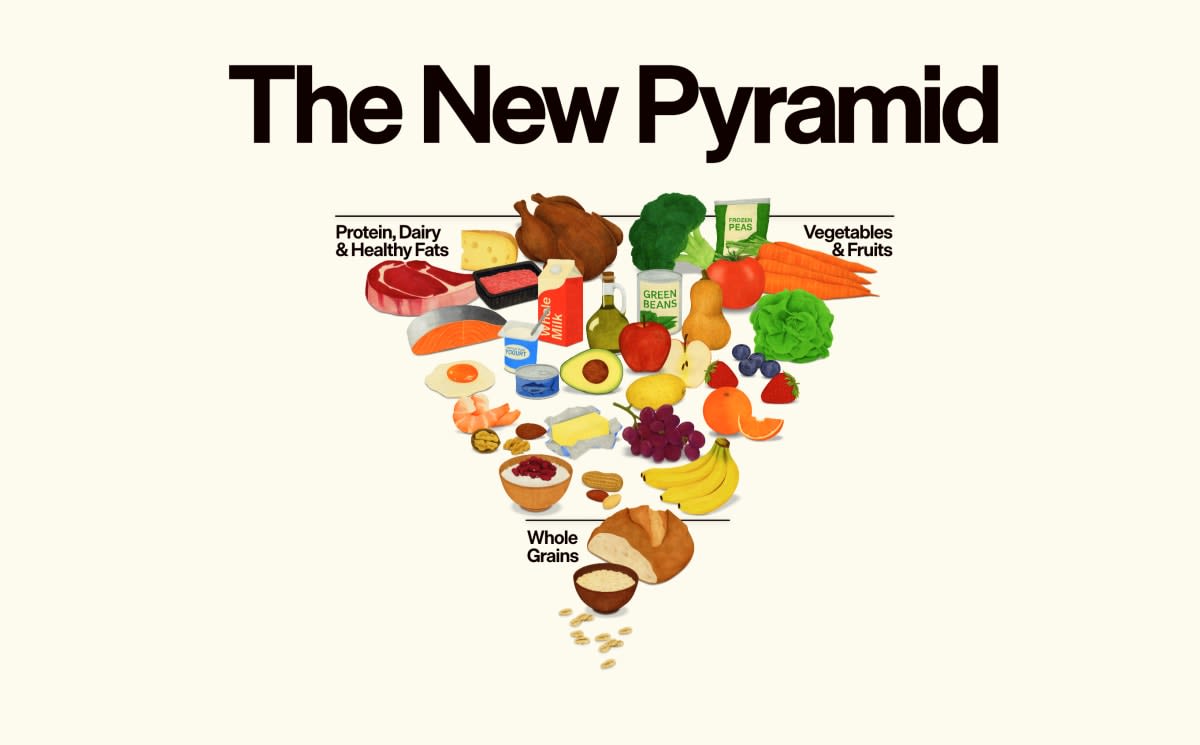
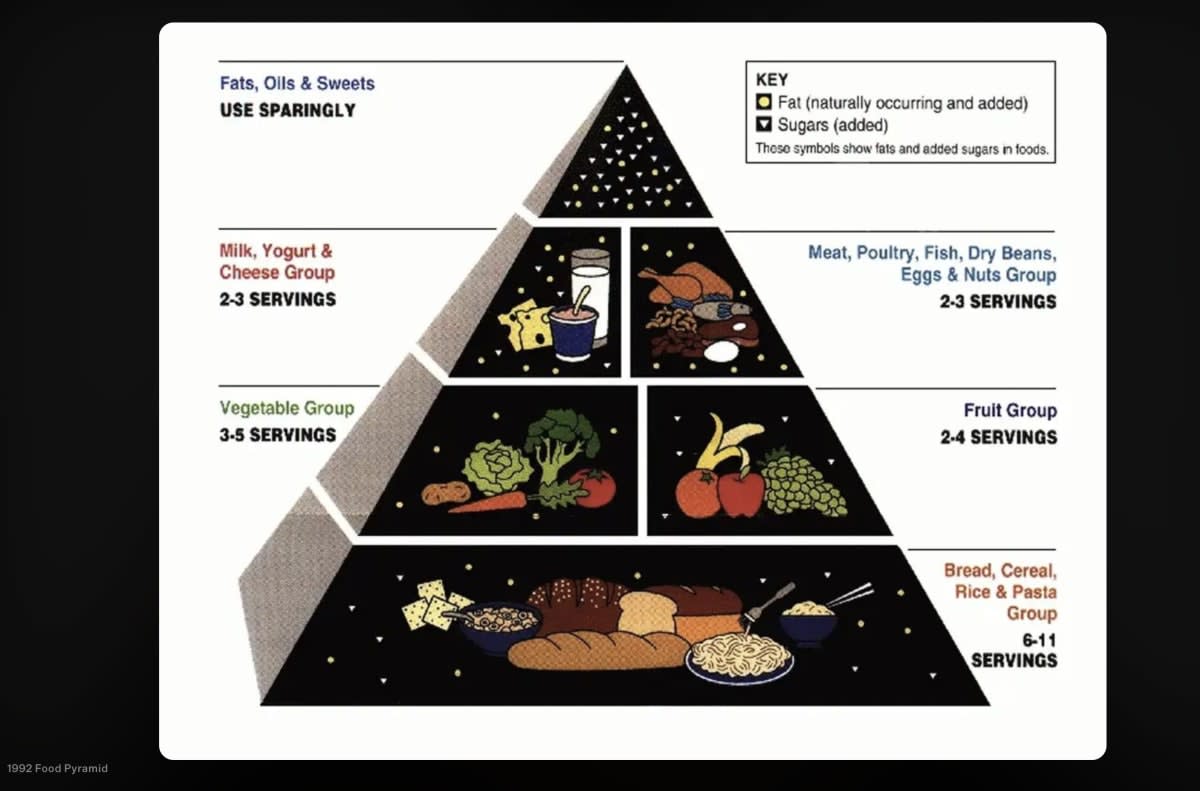
Administration officials described the new guidance as “turning the food pyramid upside down,” placing greater emphasis on protein and healthy fats while discouraging refined carbohydrates and ultraprocessed foods.
Recommended foods included poultry, red meat, beans, eggs, dairy products, fruits, vegetables and fiber-rich whole grains. The guidelines advised limiting items such as white bread, sugar-sweetened beverages, packaged snacks and fast food.
“Our message is clear: Eat real food,” Kennedy said.
The updated guidelines urged Americans to avoid “packaged, prepared, ready-to-eat or other foods that are salty or sweet, such as chips, cookies and candy.”
These referred to ultra-processed foods that reportedly accounted for more than half of the calories consumed in the US diet and have been linked to obesity and diabetes.
The document also called for sharply limiting added sugars, stating that “no amount” was considered part of a healthy diet and recommended that no single meal contain more than 10 grams of added sugar.

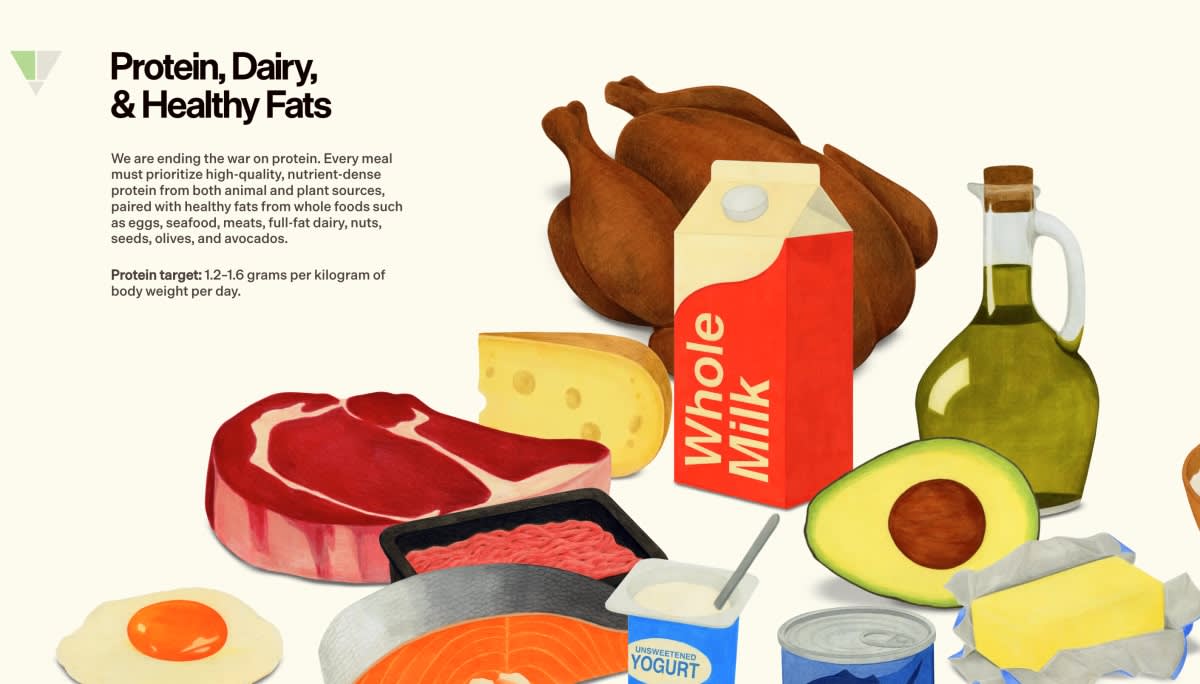
Protein recommendations were raised to between 1.2 and 1.6 grams per kilogram of body weight per day, up from the previous standard of 0.8 grams.
The guidance maintained limits on saturated fat intake at no more than 10% of daily calories but suggested choosing whole-food sources such as meat, whole-fat dairy and avocados. It also noted that other options could include "butter or beef tallow."
Officials said that the guidelines would not directly change the Supplemental Nutrition Assistance Program, which was overseen by Congress, but would become the standard for more than 100 federal feeding programs across over 10 agencies.
These included school lunches, meals on military bases and nutrition programs for veterans. The White House said that the US spends roughly $600 billion annually on chronic disease-related health care costs and argued that dietary changes could significantly reduce that burden.
Experts weigh in as guidelines draw praise and scrutiny
The American Medical Association welcomed the revised guidance, saying it reinforced the connection between diet and health.
“The American Medical Association applauds the Administration’s new Dietary Guidelines for spotlighting the highly processed foods, sugar-sweetened beverages, and excess sodium that fuel heart disease, diabetes, obesity, and other chronic illnesses,” said Dr Bobby Mukkamala, the organization’s president.
Many noted that the guidelines largely maintained long-standing advice on saturated fats despite speculation that they would significantly reverse prior recommendations.
“They haven't changed in any fundamental way except for the emphasis on eating whole foods,” said Marion Nestle, a nutritionist and former adviser on earlier versions of the guidelines.

The recommendations would have their most immediate impact on the National School Lunch Program, which serves nearly 30 million children daily.