Trump administration makes third Supreme Court appeal in mail ballot fight ahead of midterms
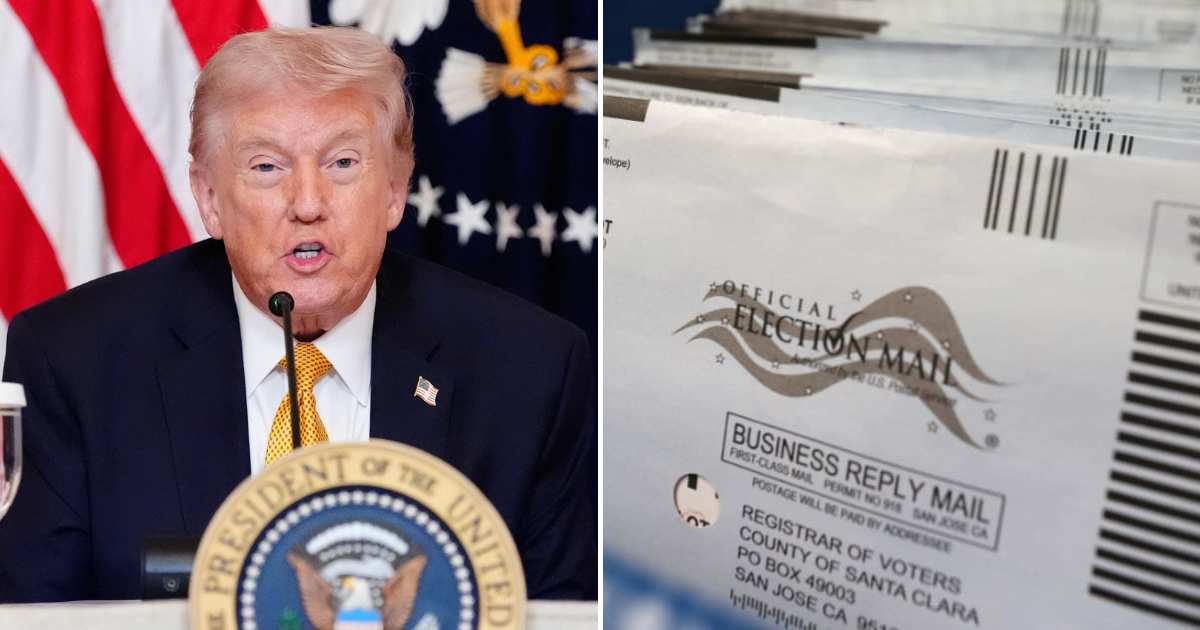
WASHINGTON, DC: The Trump administration has once again asked the Supreme Court to intervene in its effort to impose new requirements on mail-in ballots ahead of the November midterm elections.
The Justice Department filed its third request with the high court on Sunday, September 6, two days after US District Judge Indira Talwani extended a block on the US Postal Service’s implementation of the rules. The administration is seeking an immediate stay that would allow the Postal Service to enforce the requirements while the broader legal challenge continues.
Trump administration asks Supreme Court to lift block as states begin mailing ballots
Solicitor General John Sauer argued that the timing of the injunction is creating uncertainty as states begin mailing ballots. North Carolina has already started the process, while Alabama is scheduled to begin on Wednesday, and at least five other states are expected to begin the following week.
“Ballots have already begun to be mailed in North Carolina, and more States will begin the mailing process as the injunction remains in place, including Alabama on September 9 and at least five States the week of September 13,” Sauer said in the filing.
🚨 BREAKING: President Trump and Solicitor General Sauer just appealed to the SUPREME COURT for the THIRD TIME to overturn activist Judge Indira Talwani's egregious injunction against USPS mail-in ballot integrity rules
— Eric Daugherty (@EricLDaugh) September 6, 2026
She blocked it. SCOTUS overturned her block.
Then she and… pic.twitter.com/PIZ0TmDFbm
He argued that once ballots are mailed, they cannot be retrieved and that leaving the requirements voluntary while the injunction remains in place could create confusion for election officials.
“While the injunction allows the Postal Service and the States to continue taking steps to ensure that their envelopes satisfy the Rule's requirements ... each day the injunction is in place risks sowing confusion and chaos because the injunction makes those preparatory steps voluntary, rather than mandatory," Sauer said.
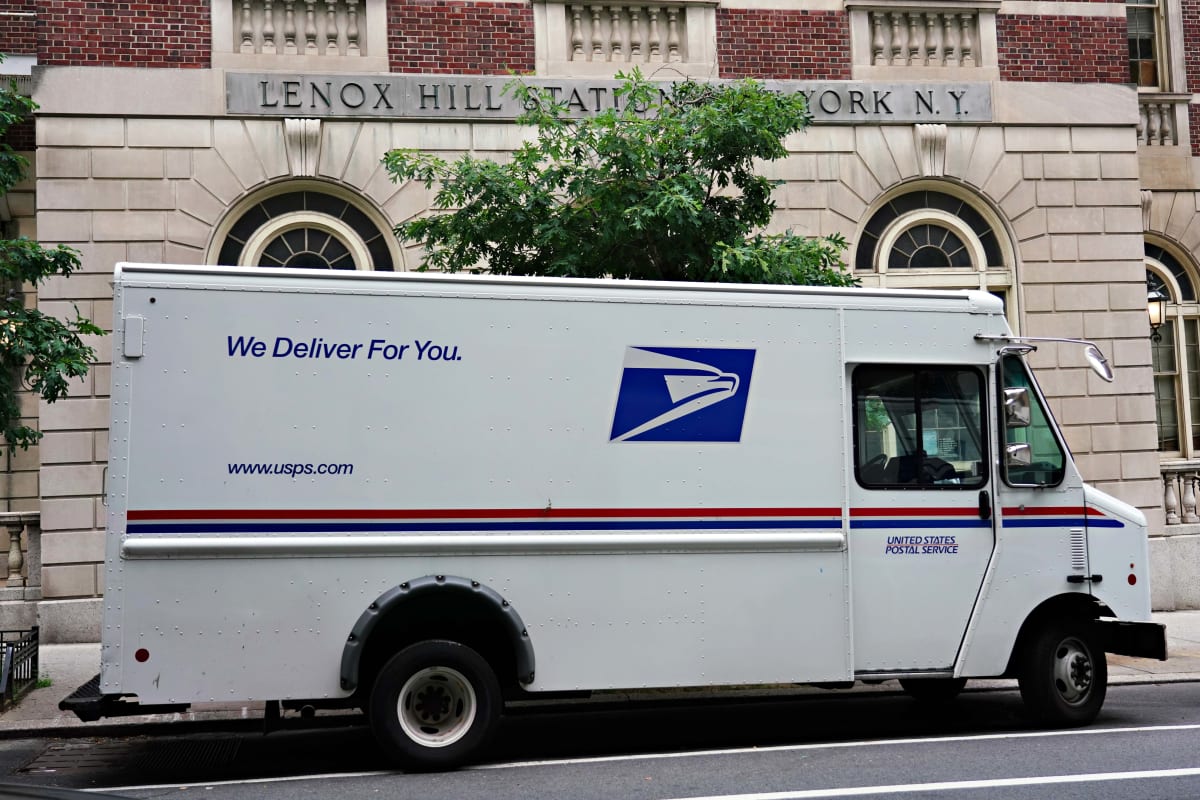
The Postal Service rules stem from an executive order President Donald Trump signed in March. They would require states to meet certain envelope-design requirements, including unique barcodes, and upload information about voters receiving mail ballots to an online portal. The administration maintains that the rules do not take control of elections away from the states.
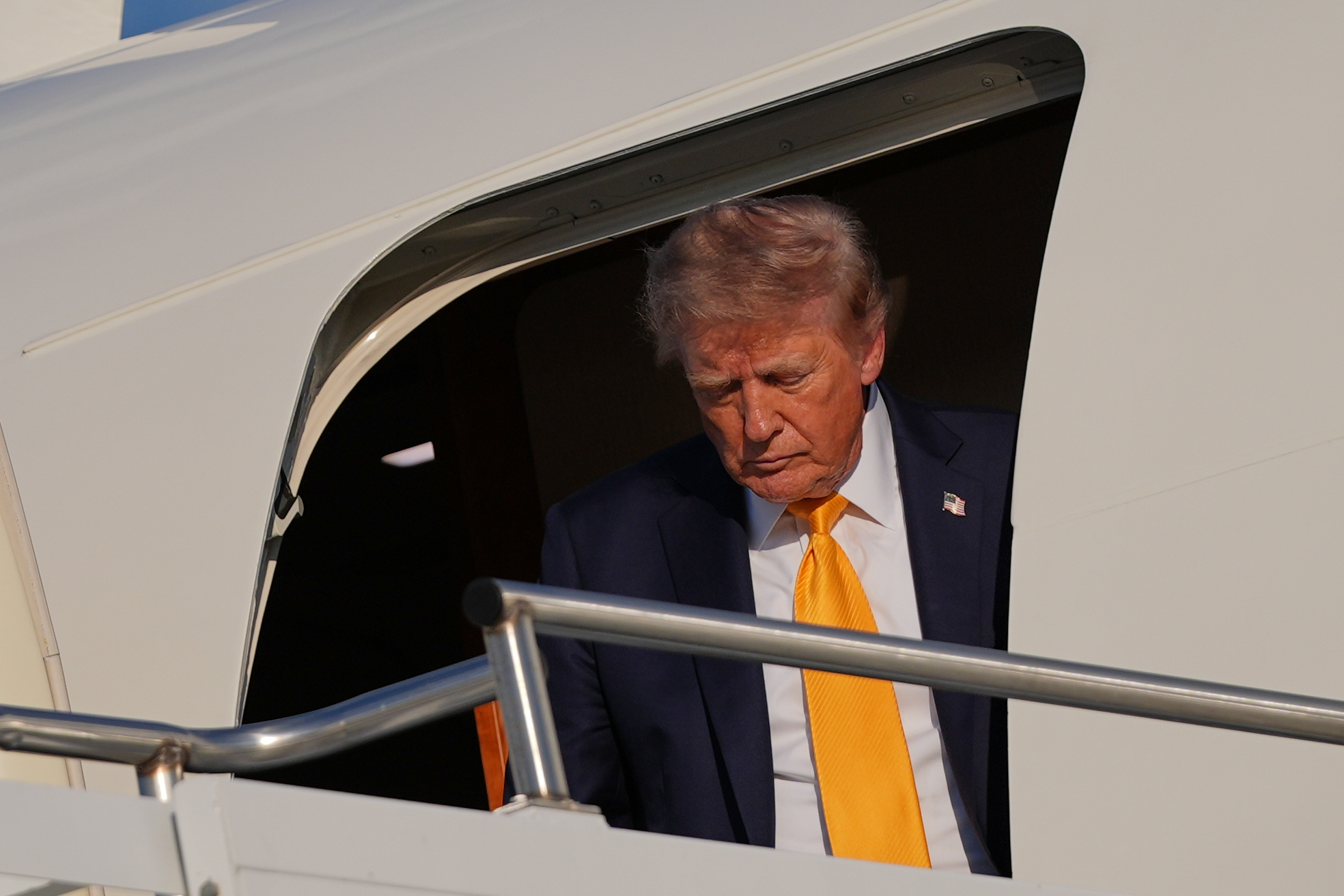
The filing said states would remain responsible for determining voter eligibility, while the Postal Service would only impose requirements for preparing election-related mail.
Judge calls timing a risk as election officials raise concerns
Talwani blocked the administration’s rules on Friday, noting that the regulation was likely unlawful and unconstitutional. She also raised concerns about the timing of the changes, writing that the “immediate implementation of the Final Rule issued less than seventy days before the November 2026 election threatens disenfranchisement of millions of United States citizens who seek to vote by mail.”
🚨 BREAKING: A federal judge has just blocked Trump’s USPS rule seeking to impose restrictions on your access to mail voting for the midterms.
— Democracy Docket (@DemocracyDocket) September 4, 2026
The DOJ has already signaled that they plan to fight the ruling all the way to the Supreme Court.
More to come. pic.twitter.com/HDBuXWYX2j
State and local election officials have said they may not have enough time to comply with the requirements. Some officials have told the court that ballot envelopes have already been ordered and printed, while others have raised concerns about implementing the new barcode and voter-information requirements before voting begins.
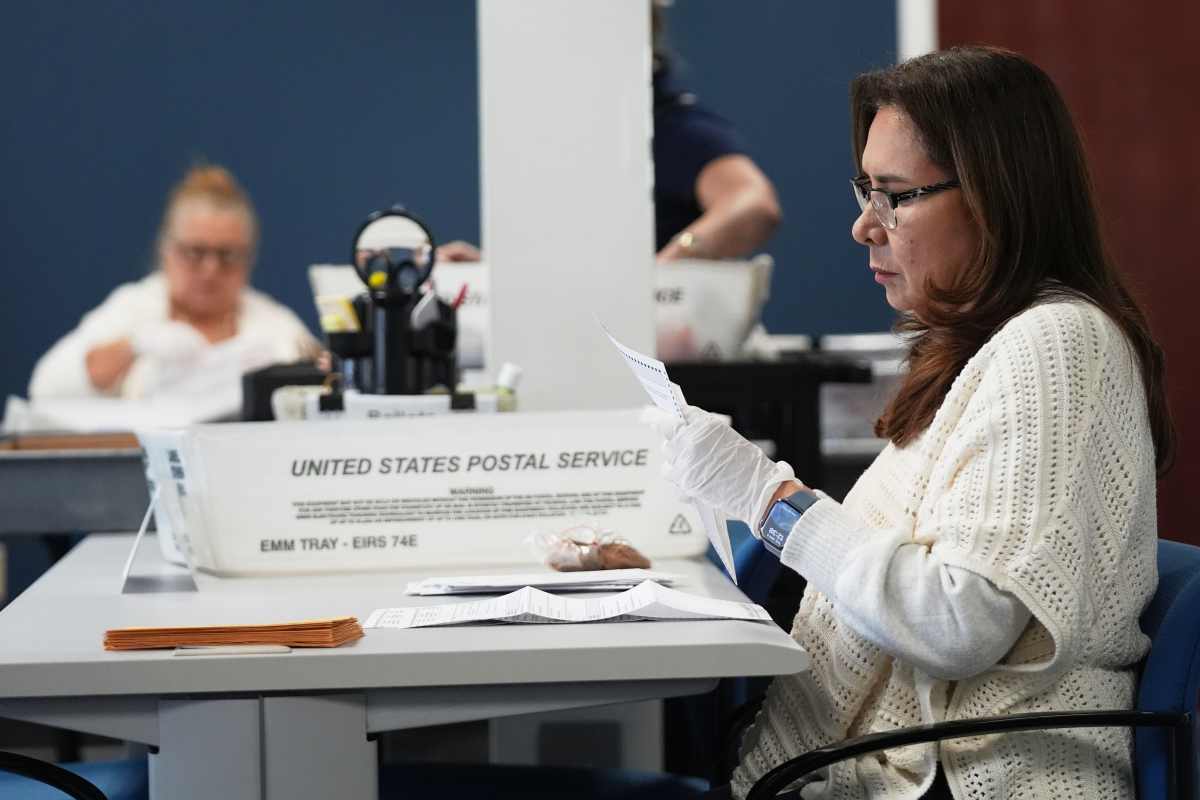
The latest filing marks the administration’s third attempt to obtain Supreme Court intervention in the dispute. The high court has previously allowed parts of the administration’s plan to move forward but has not ruled on whether the underlying policy is lawful.