Trump buys time on spy law as GOP splits over warrantless surveillance
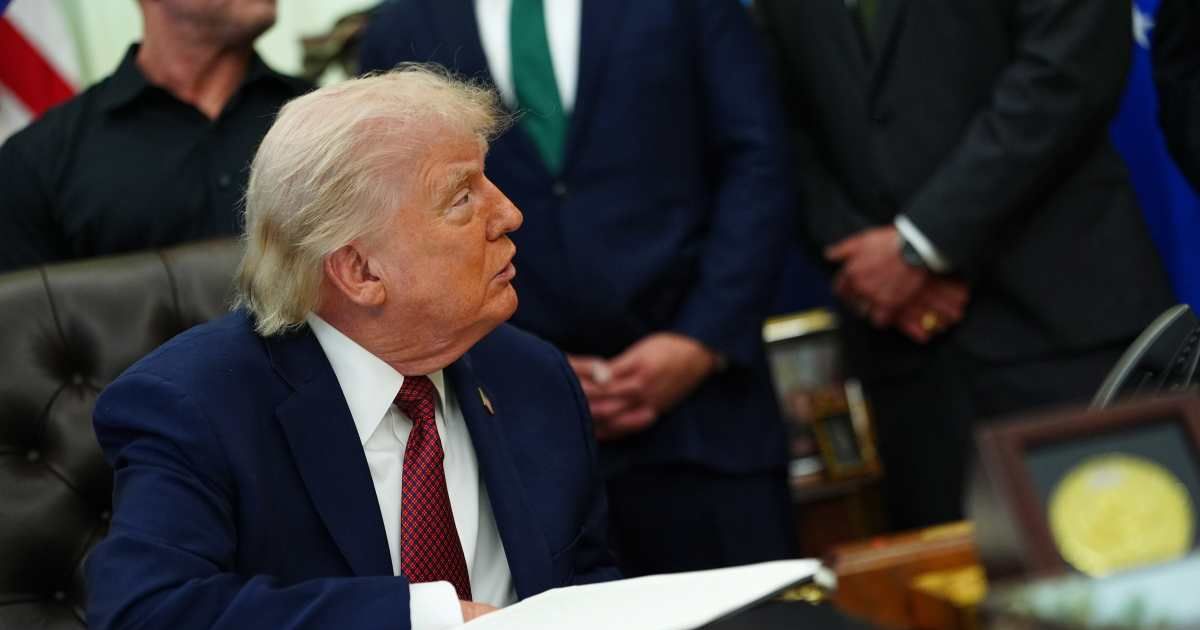
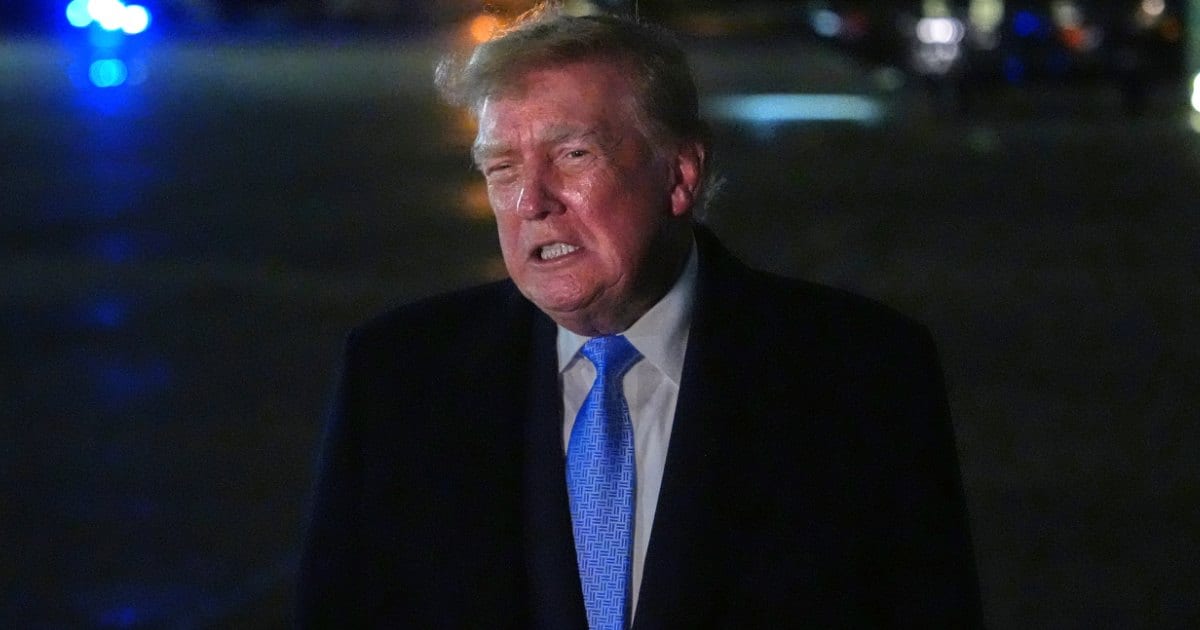
WASHINGTON, DC: President Donald Trump signed a short-term extension of a surveillance authority into law on Saturday, April 18, preventing its imminent expiration.
The measure, passed by Congress, pushes the deadline to April 30, giving lawmakers more days to negotiate a longer-term solution.
Section 702: A flash point in the debate over civil liberties
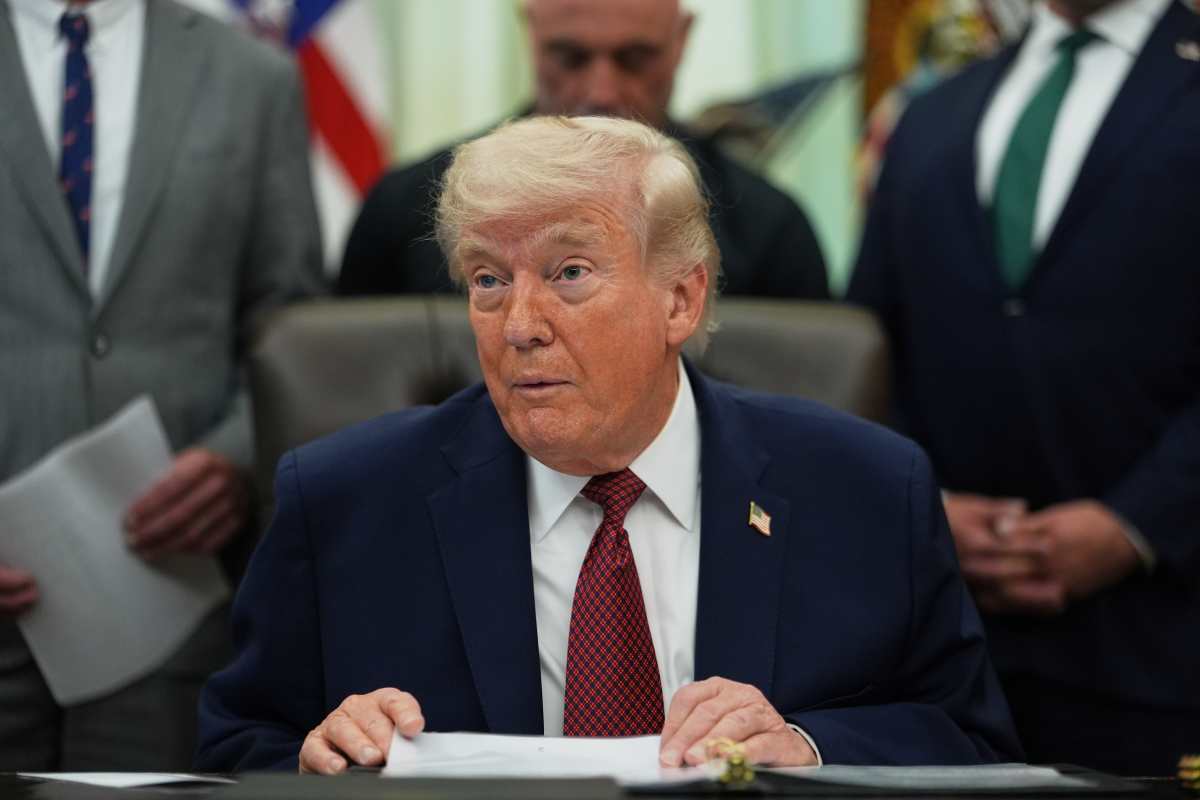
The provision, known as Section 702 of the Foreign Intelligence Surveillance Act, was first enacted in 2008. It allows US intelligence agencies to collect communications of noncitizens located abroad without a warrant.
However, the program can also incidentally capture communications involving Americans, making it a flashpoint in the debate over civil liberties.
National security officials argue that the authority is critical for combating foreign espionage, preventing cyberattacks, and more.
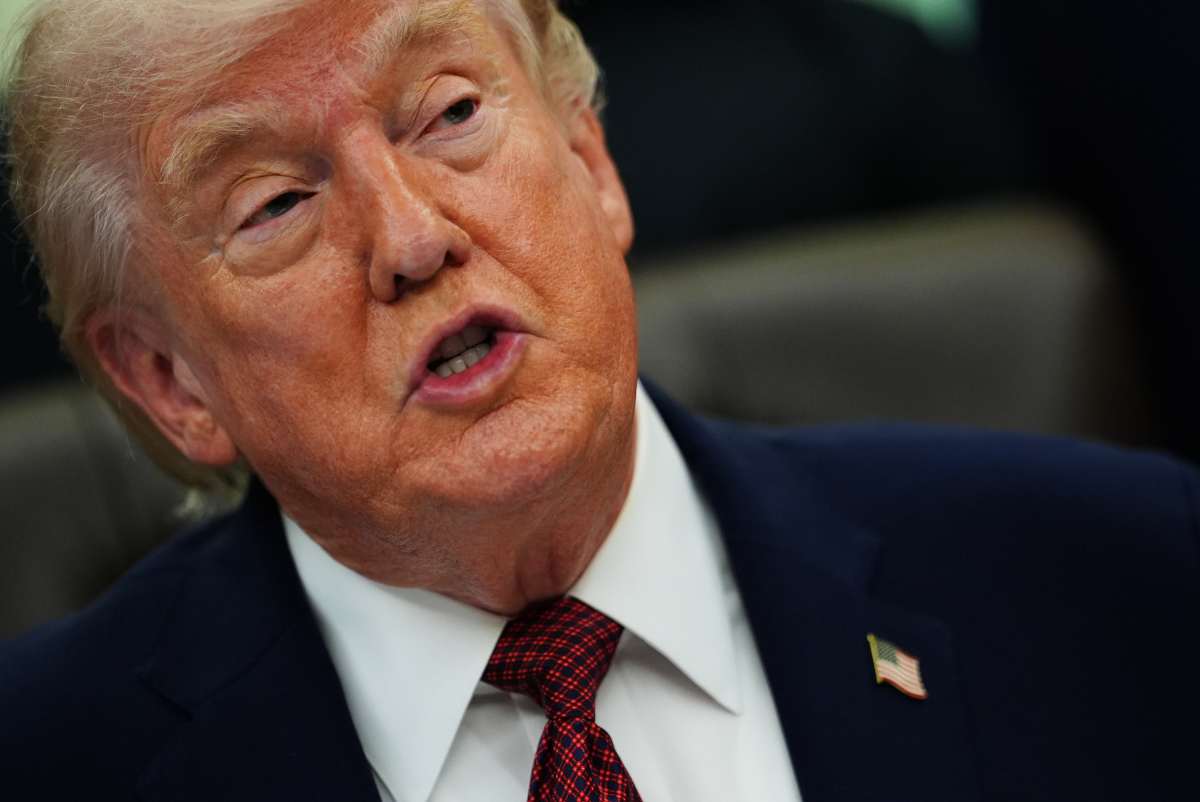
Trump pushes 18-month reauthorization without reforms
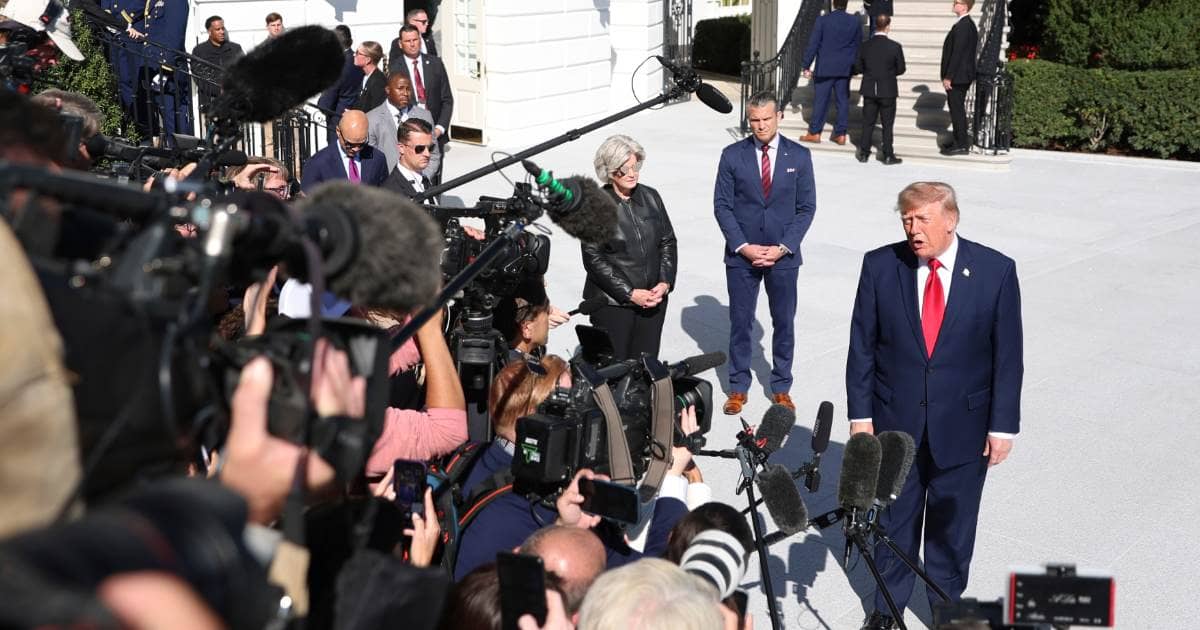
The Trump administration has been pressing Republicans to approve an 18-month reauthorization without reforms.
In a bid to rally support, Trump wrote earlier this week that he was willing to risk his own rights “for our Great Military and Country,” urging party members to back the extension.
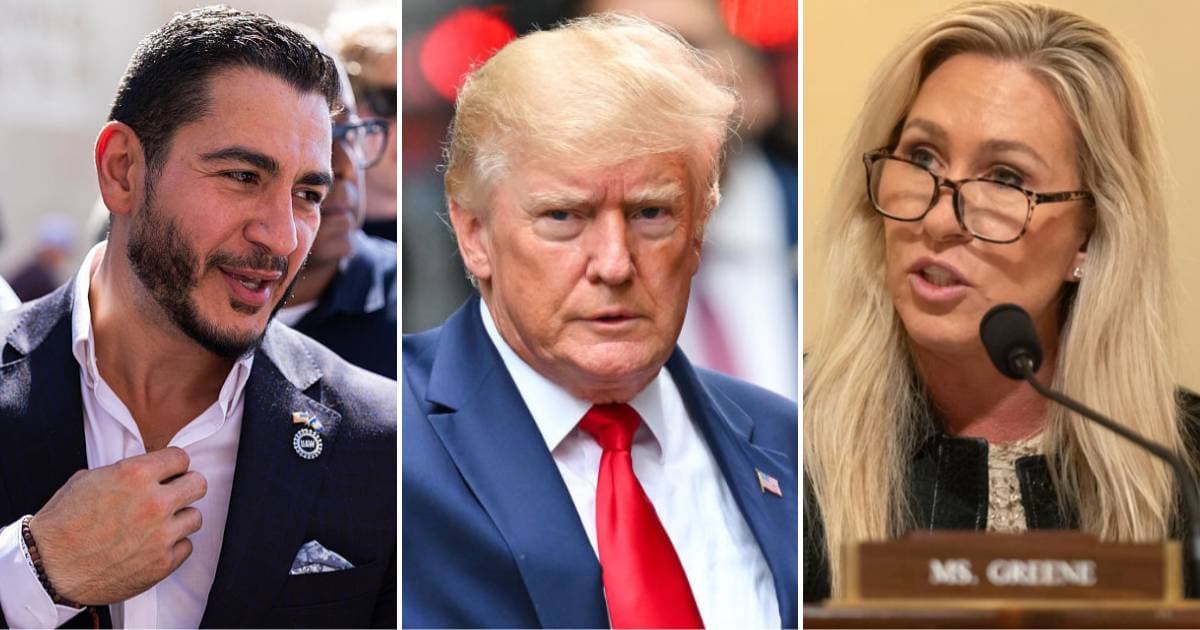
Efforts to secure a broader renewal exposed deep divisions within the Republican Party. Conservative lawmakers opposed extending the law without stronger privacy protections, particularly limits on warrantless surveillance of Americans.
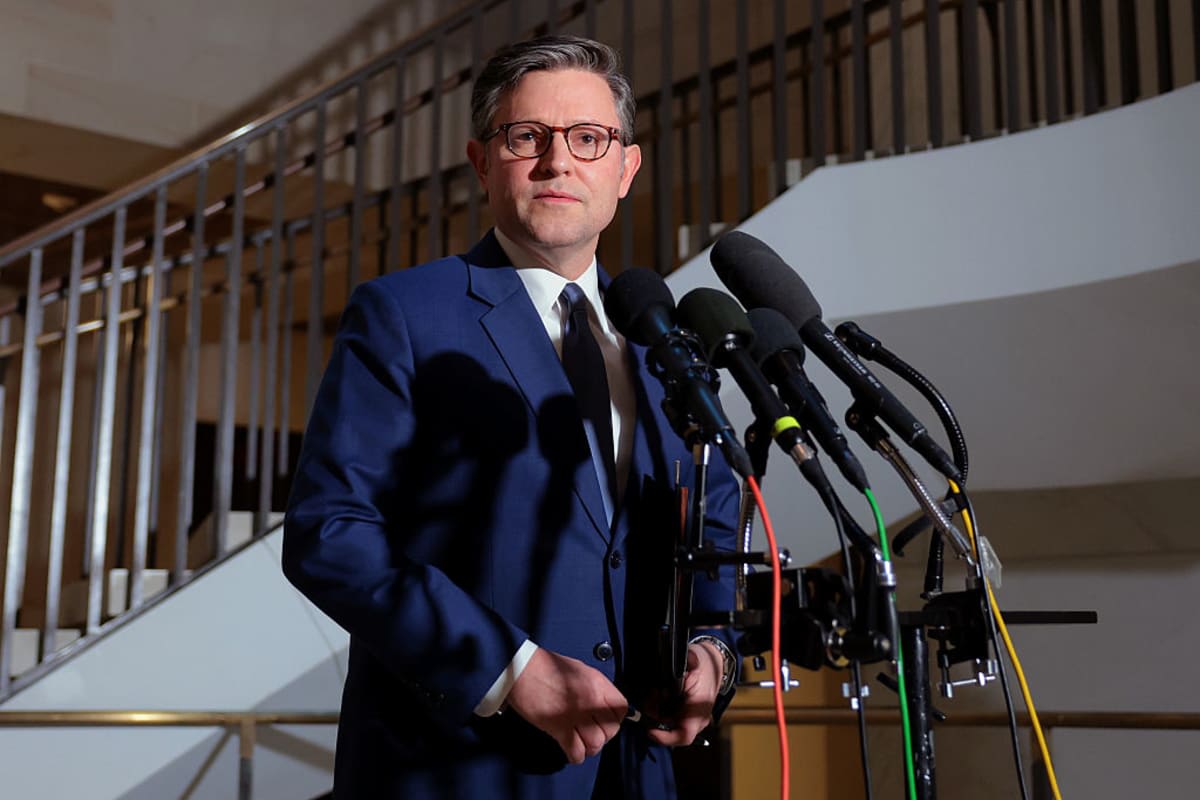
House Speaker Mike Johnson faced repeated setbacks as votes were delayed multiple times. A proposal to extend the law by five years with modest reforms failed after opposition from within his own party.
A subsequent attempt to pass an 18-month extension without changes was also blocked, marking a significant political blow.
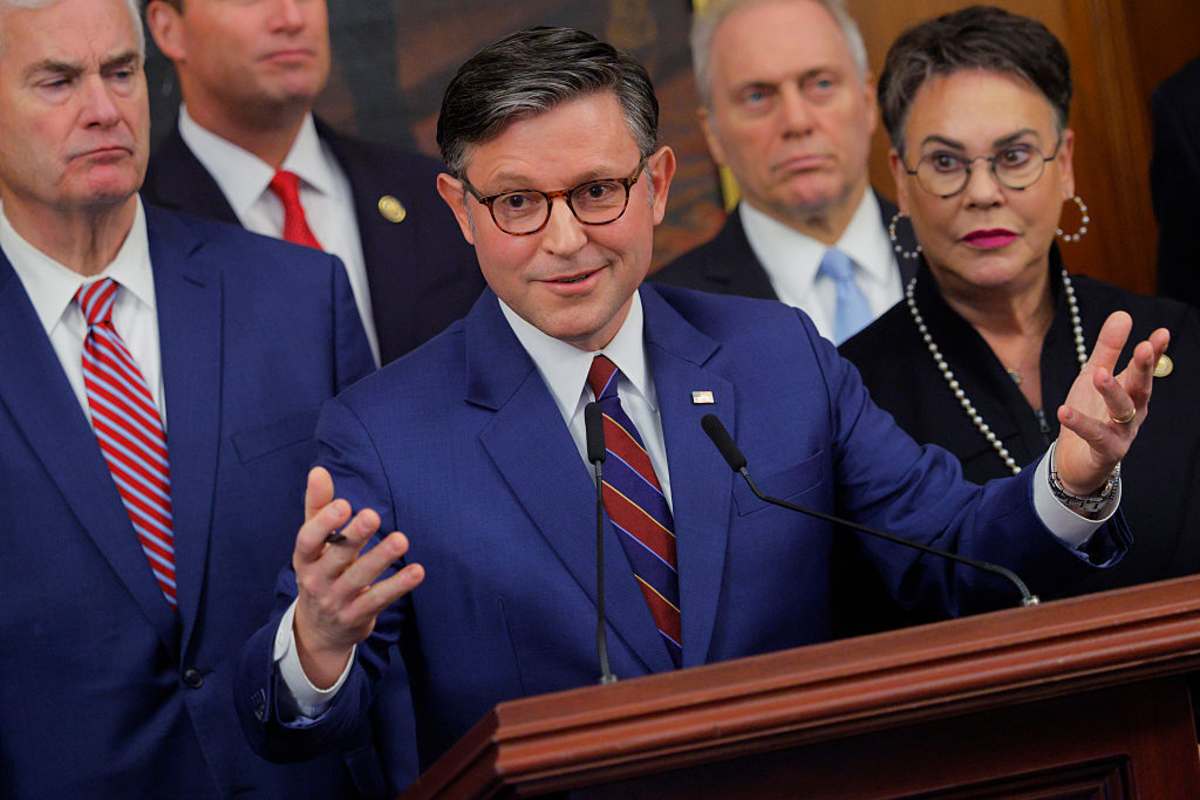
Late night deal pushes measure through
With time running out, lawmakers resorted to a stopgap solution. The House passed the short-term extension shortly after 2 am via unanimous consent, sending it to the Senate, where no objections were raised despite many senators having already left Washington.
The temporary extension shows the unresolved tensions between national security priorities and privacy concerns.
With the new deadline looming, lawmakers face mounting pressure to strike a compromise or risk another last-minute scramble over one of the US government’s most debated surveillance tools.