Trump fires FDA chief Makary after Oval Office clash over flavored vape approvals
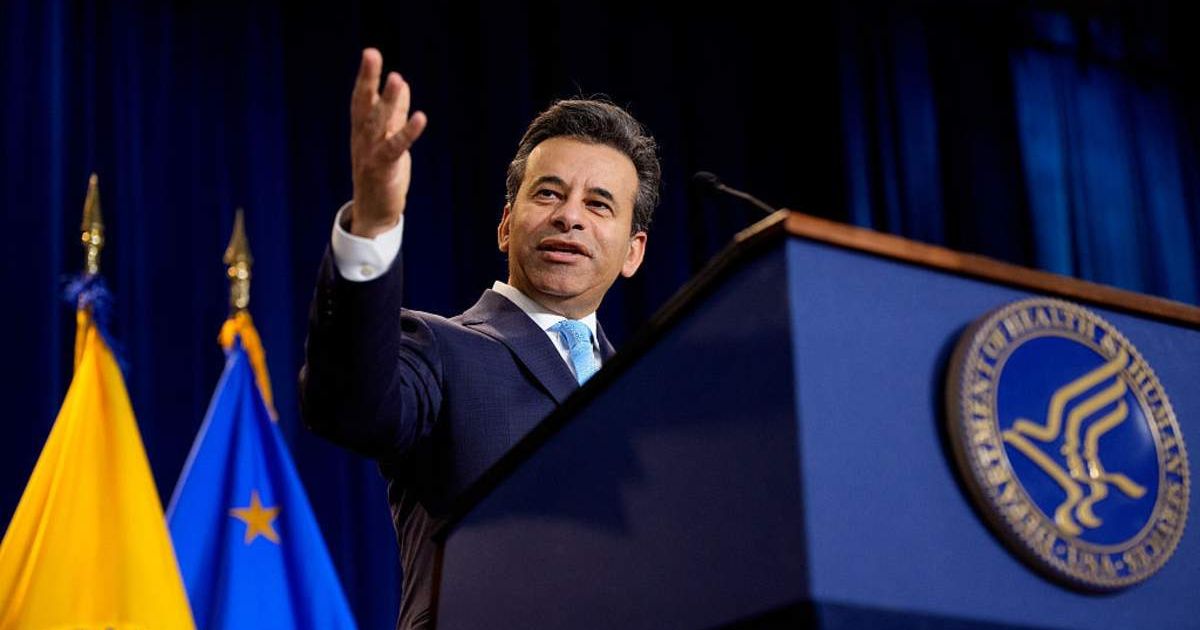
WASHINGTON, DC: Food and Drug Administration Commissioner Marty Makary is departing the Trump administration following a tumultuous year marked by internal policy clashes and intense pressure from the President’s most powerful allies.
Sources familiar with the situation confirmed that President Trump signed off on a plan to remove the commissioner last week, effectively ending a tenure that began with a pledge to accelerate drug and vaccine approvals in March 2025.
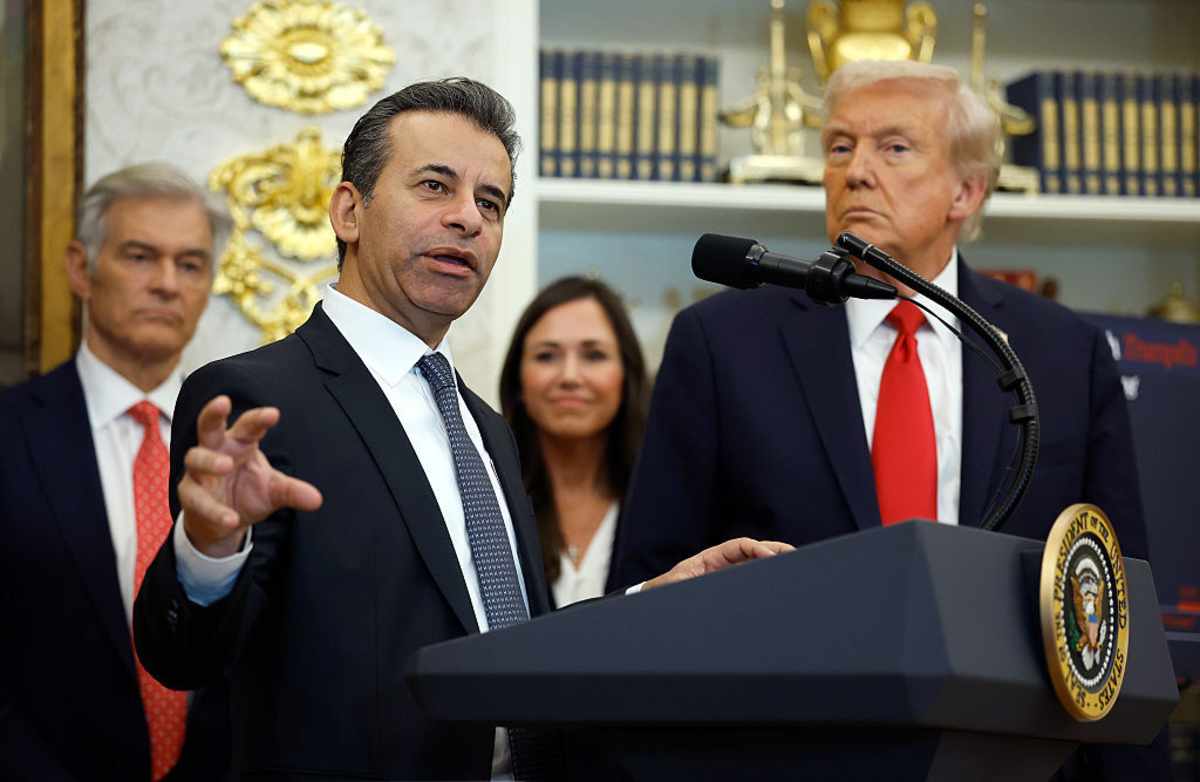
The ouster follows a series of direct confrontations between the White House and the FDA chief.
Makary reportedly fell out of favor after resisting internal efforts to approve fruit-flavored e-cigarettes, an issue that led to a direct and angry confrontation with the President himself.
While the FDA eventually reversed its stance on flavored vapes last week, the delay appears to have permanently damaged Makary's standing within the West Wing.
His departure comes just twenty-four hours before he was scheduled to provide high-stakes testimony regarding the FDA budget before the Senate Appropriations Committee.
Vape policy clashes trigger White House fury
The acceleration of the push to remove Makary was driven by a faction within the White House and the Department of Health and Human Services (HHS) that viewed the agency as being in a state of constant chaos.

Despite Makary's background as a prominent surgeon and author, his handling of tobacco regulation became a primary flashpoint.
Factions within the administration argued that his initial resistance to flavored e-cigarettes represented a failure to align with the President's vision for the agency’s portfolio.
Though Makary sought to shore up his standing with the President as recently as last week, the reports of his approved firing on Friday caught the commissioner and his staff by surprise.
The internal friction was exacerbated by constant turnover among the FDA’s senior ranks, leading some officials to view his leadership as a source of policy confusion rather than the "acceleration" he had promised upon confirmation.
Anti-abortion groups demand mifepristone reversals
Beyond tobacco regulation, Makary faced a mounting offensive from powerful anti-abortion interest groups. Marjorie Dannenfelser, president of Susan B Anthony Pro-Life America, met with White House officials just last Friday to demand that the FDA reverse regulations allowing the abortion pill mifepristone to be sent through the mail.

Activists had long blamed Makary for what they termed "indifference" toward nationwide prescribing rules for medication abortion, which currently accounts for roughly two-thirds of all US abortions.
Social conservatives have warned that the administration’s handling of the abortion pill could be a decisive factor in the upcoming midterm elections.
With the Supreme Court signaling it may take up the issue of mail-order medication, the administration welcomed the opportunity to reset FDA leadership to better satisfy a key political constituency that had grown increasingly impatient with Makary’s management.
Leadership vacuum hits national health agencies
Makary’s exit leaves the Department of Health and Human Services in a precarious position, as the administration now lacks permanent leaders at the top of the CDC, the FDA, and the office of the Surgeon General.

While some aides warned that ousting another senior health official could alienate the "Make America Healthy Again" base, others saw the departure as an inevitable necessity to shore up relationships with the pharmaceutical industry and conservative voters before November.
The commissioner’s legacy remains a divisive topic within the administration’s broader health coalition.
While he received praise from some for cracking down on ultraprocessed foods and artificial dyes, he faced sharp criticism from vaccine critics for failing to pull Covid-19 immunizations from the market.
As the search for a successor begins, the Senate faces the daunting task of confirming a new commissioner amidst a crowded legislative calendar and a looming midterm cycle.