Trump hands student civil rights cases to DOJ in sweeping federal power shift
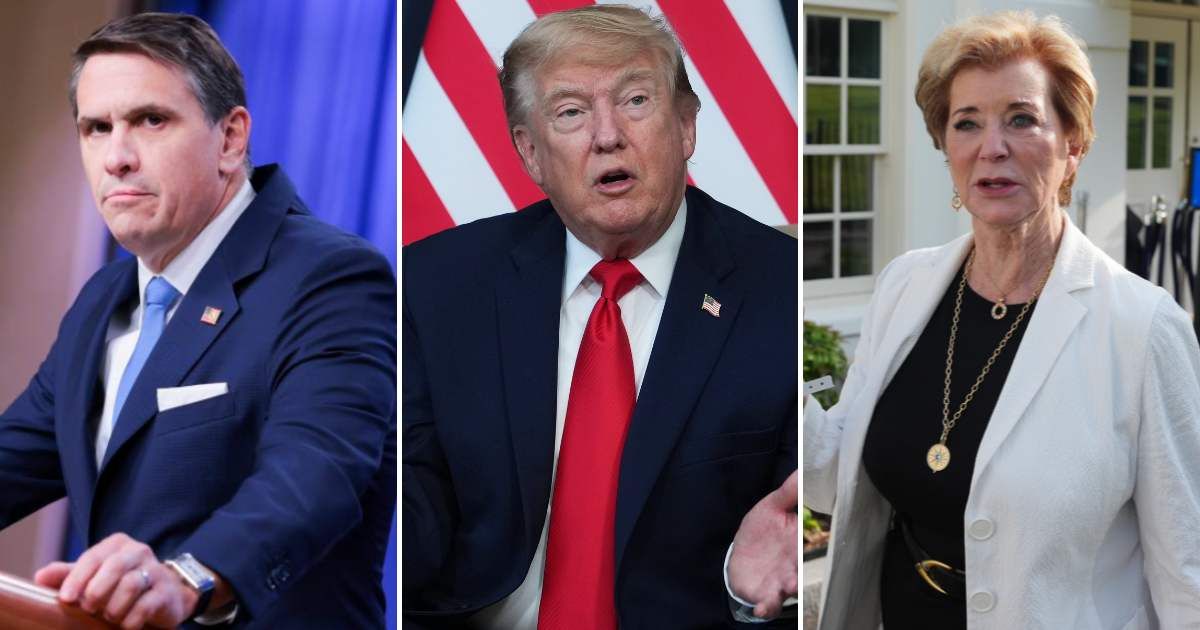
WASHINGTON, DC: The Trump administration has executed its most consequential structural assault on federal education policy in decades, stripping the US Department of Education of its two primary remaining portfolios.
Under a sequence of four newly signed interagency agreements, civil rights enforcement will be permanently transferred to the Department of Justice (DOJ), while oversight for millions of disabled students under the Office of Special Education and Rehabilitative Services (OSERS) will shift to the Department of Health and Human Services (HHS).
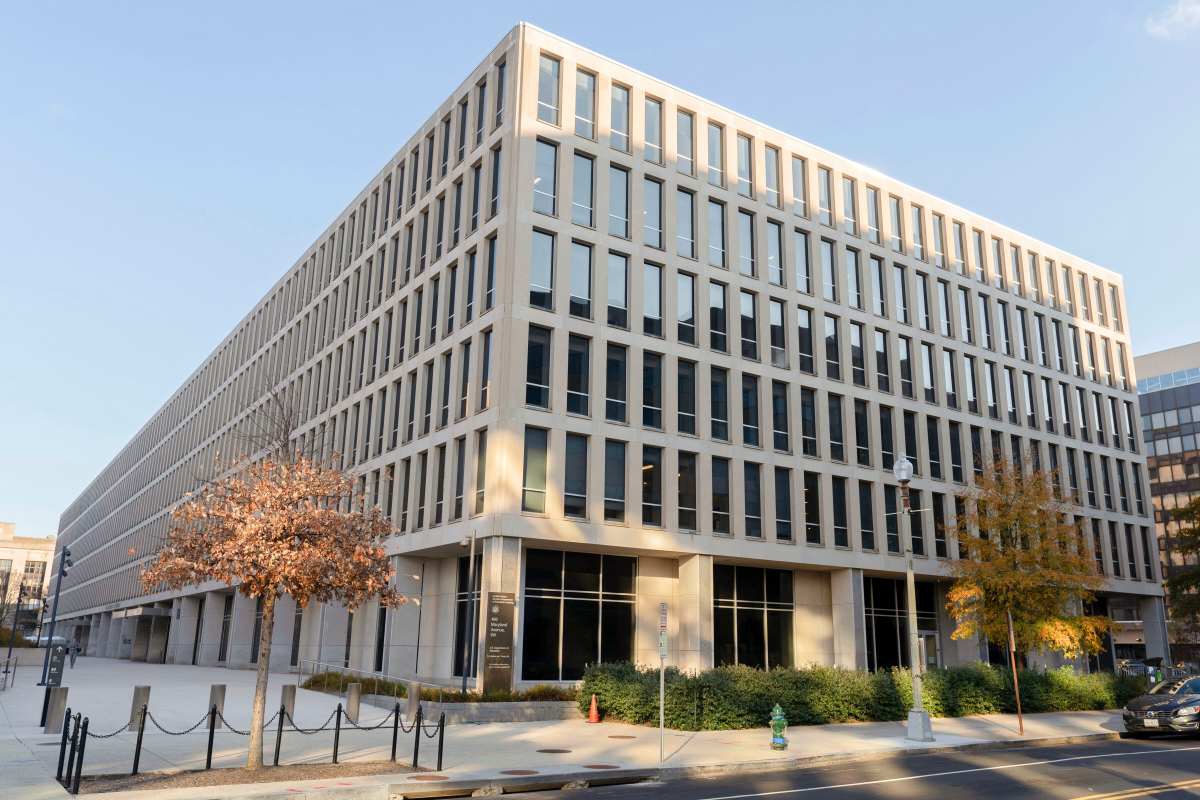
The aggressive bureaucratic maneuver marks a decisive milestone in the administration's campaign to dismantle the 46-year-old cabinet-level agency. Because the White House lacks the necessary congressional support to formally abolish the department via statute, Education Secretary Linda McMahon has relied on the Economy Act of 1932 to systematically offload more than 110 programs to secondary federal bodies, reducing total agency staff by 45% since 2024.
While the Supreme Court cleared the transfers to proceed while lower-court challenges navigate the legal pipeline, the hollowed-out department is slated to vacate its historic headquarters for a downsized facility by August.
Federal civil rights tracking shifted to downsized judiciary
The structural realignment immediately transfers the evaluation, investigation, and resolution of student discrimination complaints to Todd Blanche’s Department of Justice.
Education Secretary Linda McMahon defended the transition, asserting that partnering with the DOJ will eliminate federal micromanagement while ensuring more responsive, coordinated enforcement of constitutional protections.
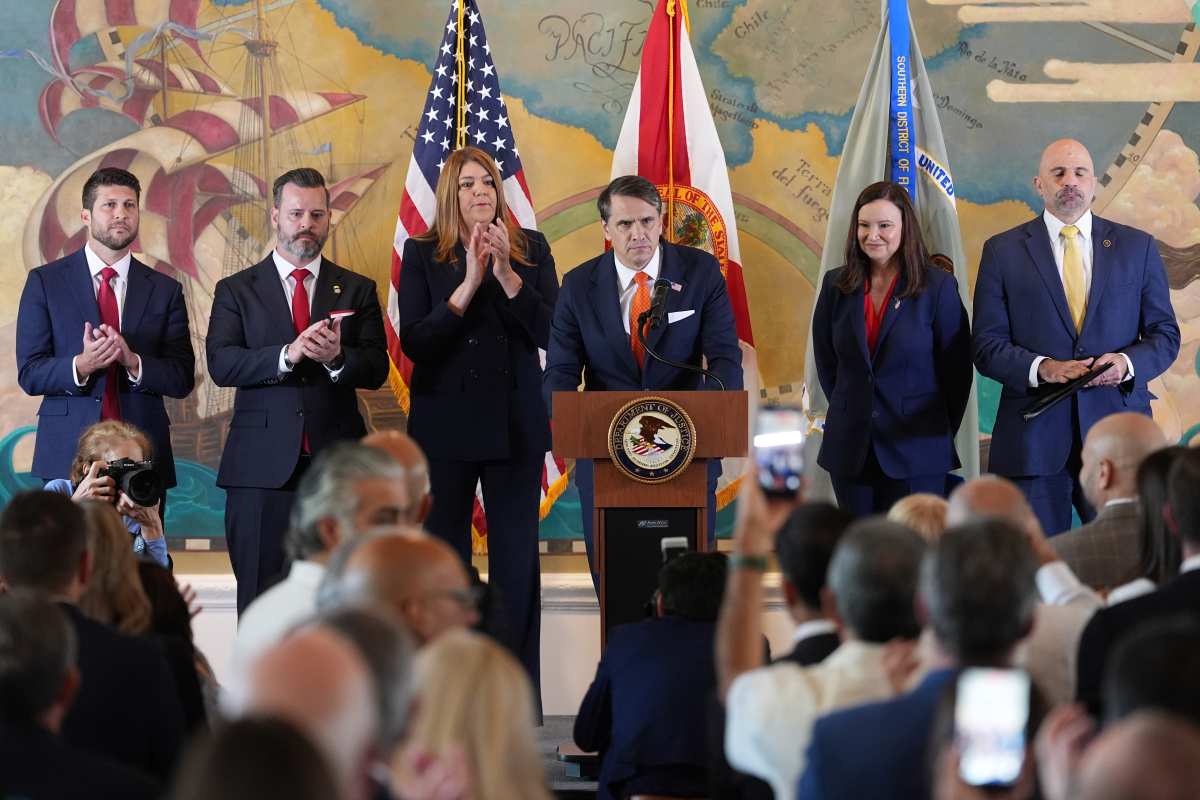
However, civil rights advocates have raised intense alarms over the judiciary’s capacity to handle the massive influx of school complaints. Internal personnel data indicates that nearly 75% of career attorneys within the DOJ’s Civil Rights Division have departed over the past year following aggressive downsizing measures.
Critics express deep concern that the understaffed division will prioritize high-profile campus investigations over systemic K-12 discrimination claims.
Advocates condemn medicalized special education oversight
The parallel transfer of special education initiatives to HHS has ignited fierce condemnation from disability rights groups and congressional Democrats, who fear the relocation will fundamentally subvert the Individuals with Disabilities Education Act (IDEA).
Equity advocates like EdTrust warn that the decision treats educational access as a medical condition rather than a civil right, placing an unfair burden on low-income and underserved student populations.

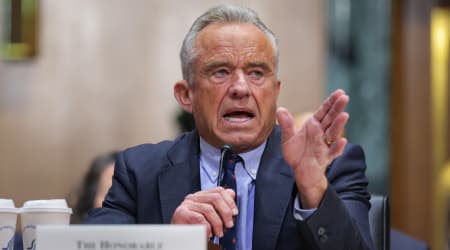
Further complicating the transition is the impending oversight of HHS Secretary Robert F. Kennedy Jr., who faced intense congressional scrutiny during his confirmation hearings for promoting skepticism regarding psychiatric medications for students experiencing ADHD and depression.
Though McMahon insists that the federal partnership preserves all independent statutory protections without interruption, the scattering of specialized educational programs across non-academic agencies has left millions of families facing severe operational uncertainty.