Trump issues executive order shielding Venezuelan oil revenue from US court seizures
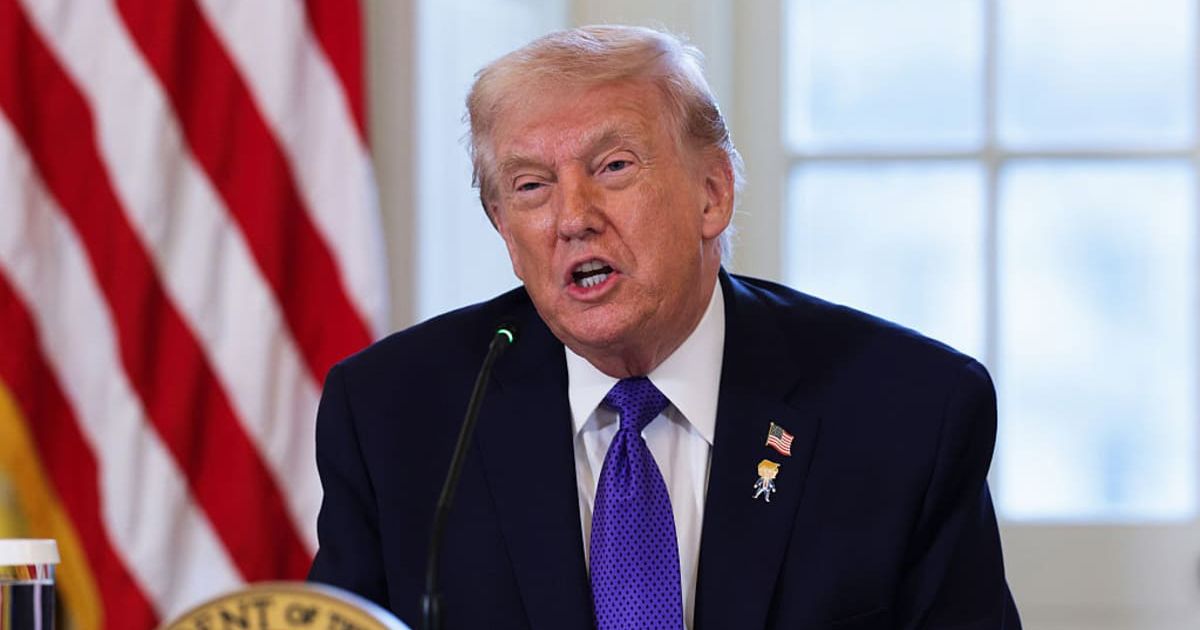
WASHINGTON, DC: President Donald Trump has issued an emergency executive order barring US courts and private creditors from seizing Venezuelan oil revenues currently held in American Treasury accounts.
The order, signed on Friday, January 9, is intended to protect the funds from legal claims the administration says could interfere with US national security and foreign policy goals.
The directive states that the revenue must be preserved to help promote “peace, prosperity, and stability” in Venezuela. It follows the US-led capture of Nicolás Maduro in Caracas and comes as Washington moves to assert control over the country’s energy framework.
Trump designates Venezuelan oil funds as sovereign property
The executive order designates the funds as the “sovereign property of Venezuela held in US custody for governmental and diplomatic purposes.” Under that designation, the money is shielded from attachment, garnishment, or seizure by private parties.
“President Trump is preventing the seizure of Venezuelan oil revenue that could undermine critical US efforts to ensure economic and political stability in Venezuela,” the White House said in a fact sheet released Saturday.
Trump cited the International Emergency Economic Powers Act of 1977 and the National Emergencies Act of 1976 as the legal basis for the action, placing the funds under emergency protections tied to US foreign policy interests.
Major creditors effectively blocked from access

The order directly affects companies with longstanding claims against Caracas, including Exxon Mobil and ConocoPhillips. Both firms exited Venezuela after their assets were nationalized under prior governments and are still owed billions in arbitration awards and settlements.
While the order does not name any company, it prevents creditors from reaching the Treasury-held oil revenue to satisfy those claims.
The administration’s position is that allowing private recovery from these accounts would complicate diplomatic efforts and destabilize the interim government.
Signed the same day as oil summit
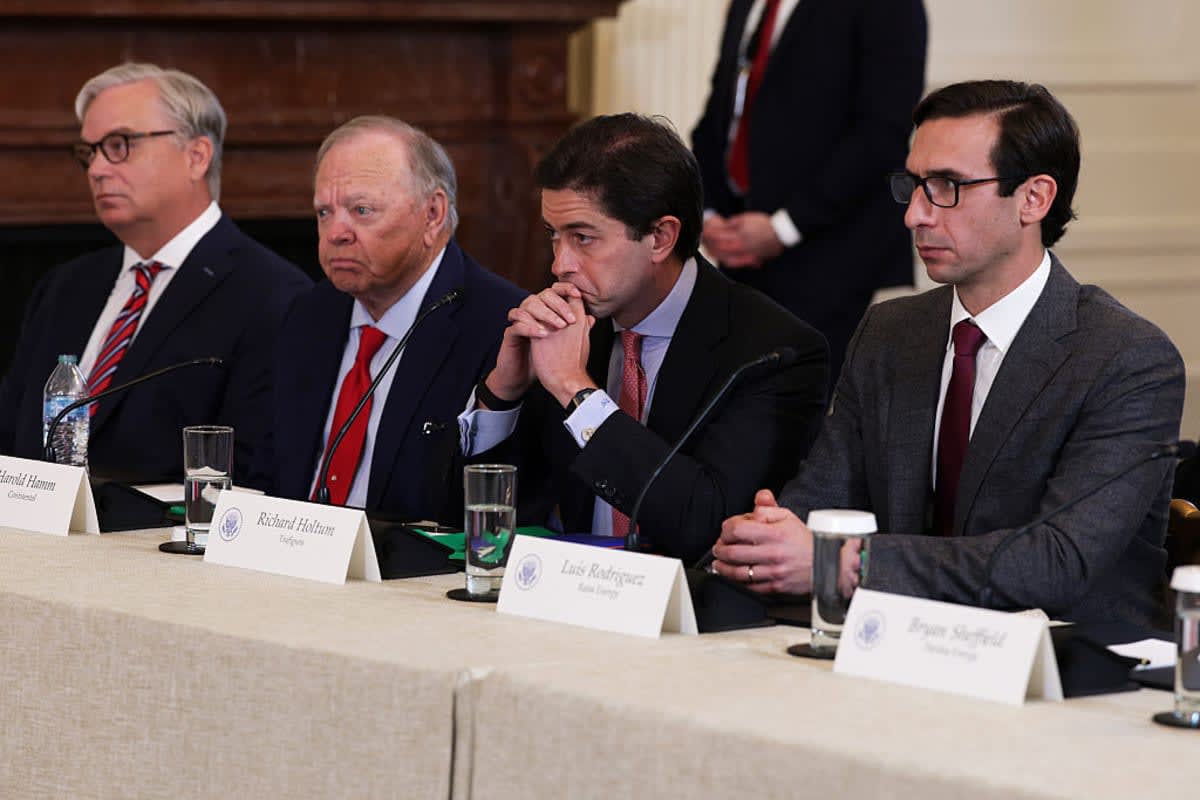
Trump signed the order on the same day he met senior oil executives from Exxon, ConocoPhillips, Chevron, and other major energy firms at the White House.
The meeting centered on the administration’s plan to restart and expand Venezuela’s oil production using American capital and expertise.
During the session, Trump announced that US energy companies would invest up to $100 billion to rehabilitate Venezuela’s deteriorated oil infrastructure. The administration’s goal is to raise production to record levels following the collapse of the Maduro government.
Venezuela to supply 50 million barrels of crude to US
The protection of the revenue is tied to a broader framework with Venezuela’s interim leadership.
Under that arrangement, the country is expected to provide up to 50 million barrels of crude to the United States, routed through American refineries equipped to process heavy Venezuelan oil.
Administration officials say safeguarding current revenues ensures that immediate funds remain available to the interim government rather than being diverted into litigation over past debts.
The White House views the order as a prerequisite for stabilizing Venezuela’s finances while advancing the new energy partnership.