Trump moves to claw back $810M in funding Congress had already approved
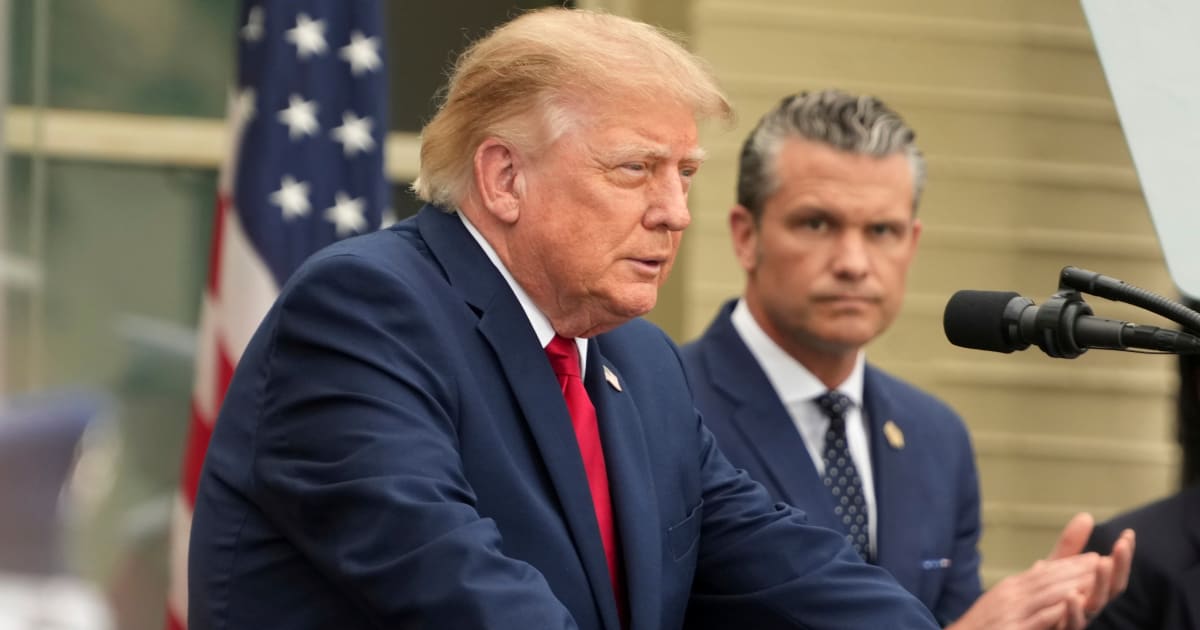
WASHINGTON, DC: President Donald Trump is moving to rescind $810 million in federal funding that Congress had already approved, using a rarely deployed “pocket rescission” just days before the fiscal year ends.
The package targets 11 accounts across several agencies, with the largest reduction involving $567 million for refugee and entrant assistance.
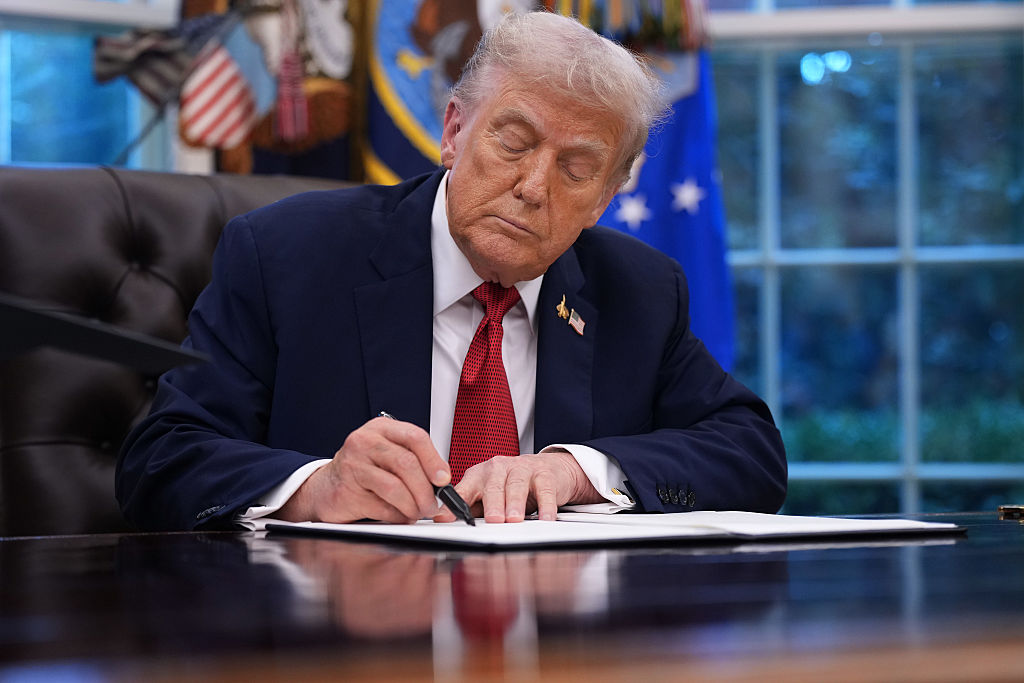
The move immediately opened another fight over the limits of presidential control over federal spending.
Trump targets 11 federal accounts
The notification sent to House Speaker Mike Johnson includes proposed reductions at the Departments of Health and Human Services, Homeland Security, Commerce, Education, Housing and Urban Development and Justice, along with international assistance programs.
The White House said Trump was using authority under the Congressional Budget and Impoundment Control Act of 1974 to eliminate spending it considers wasteful or harmful.
The biggest item is $567 million from HHS funding for refugee, asylee and other entrant assistance.

The administration argued the account is overfunded because Trump’s border policies have sharply reduced illegal border crossings.
The package also seeks $15 million from an Immigration and Customs Enforcement alternatives-to-detention case-management pilot program.
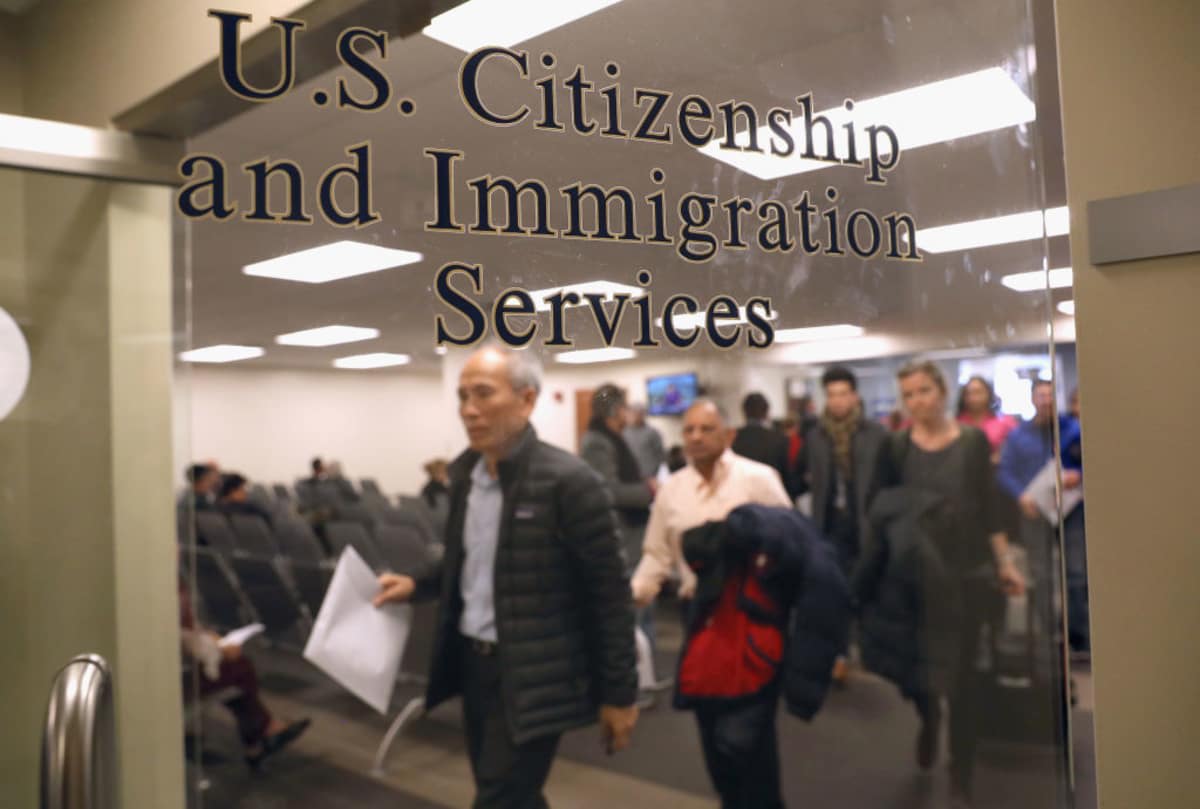
Another $10 million would come from Citizenship and Integration grants administered by US Citizenship and Immigration Services.
Those grants support lawful permanent residents with English-language instruction and knowledge of US history and government as they prepare for naturalization.
The proposal also targets $10 million from Minority Business Development Agency programs.
The administration said those grants direct funding based on race and described them as unconstitutional.
Rare maneuver triggers congressional clash
A pocket rescission is a presidential request to Congress to cancel previously appropriated money close enough to the end of the fiscal year that the funds may expire before lawmakers can complete the statutory review period.
Congress normally has 45 days to act on such a request.
The latest package arrived with only five days remaining before September 30.
That timing has drawn particular attention from lawmakers.
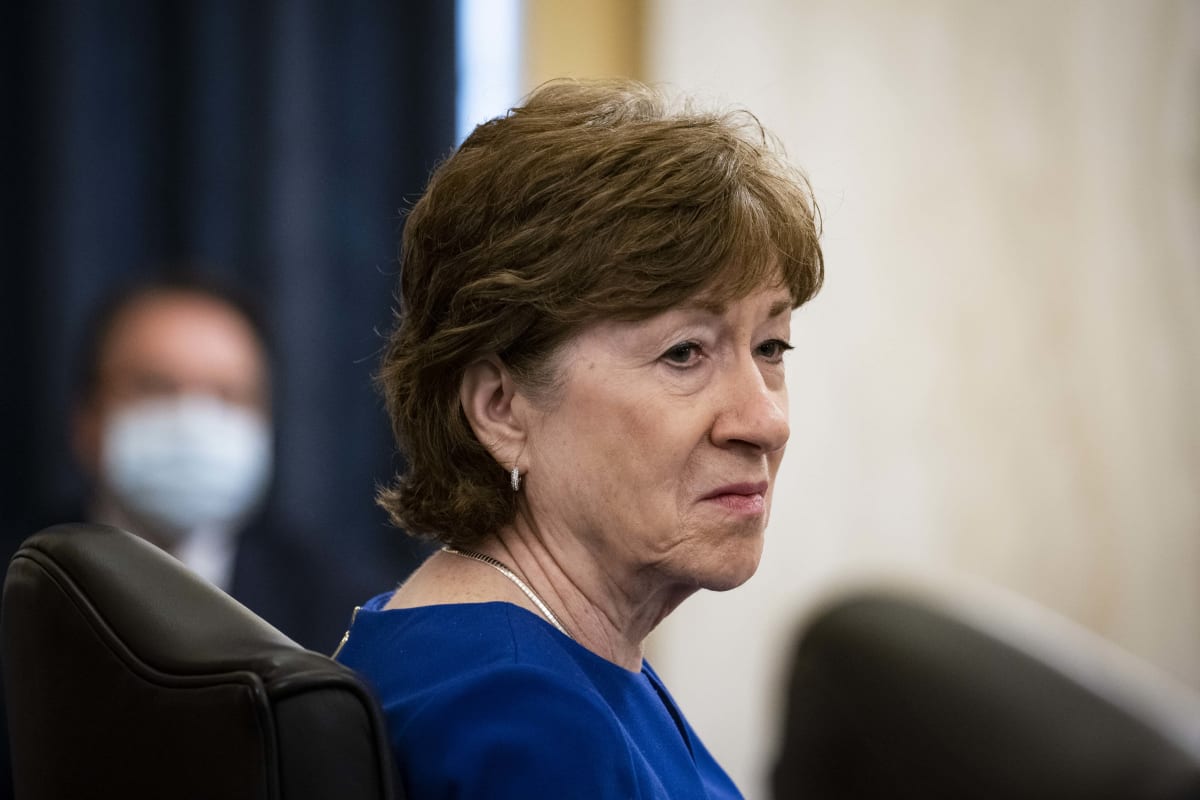
Republican Sen Susan Collins, chair of the Senate Appropriations Committee, accused the administration of withholding the money for months and then submitting the rescissions without warning or consultation.
“Any effort to rescind appropriated funds without congressional approval is a clear violation of the law,” Collins said.
She also cited the Government Accountability Office's position that pocket rescissions are unlawful under the Impoundment Control Act.

The White House maintains that Trump is exercising presidential authority under the law to eliminate spending that does not benefit Americans.
Funding fight could affect services
The latest action is the second pocket rescission used by Trump during his second term.
In 2025, his administration sought to cancel $4.9 billion in foreign aid through the same mechanism.
The Supreme Court allowed that action to proceed while litigation continued but did not issue a final ruling on the underlying merits.
For Americans, the immediate effects depend on whether the targeted funds ultimately disappear and whether Congress takes action during the review period.
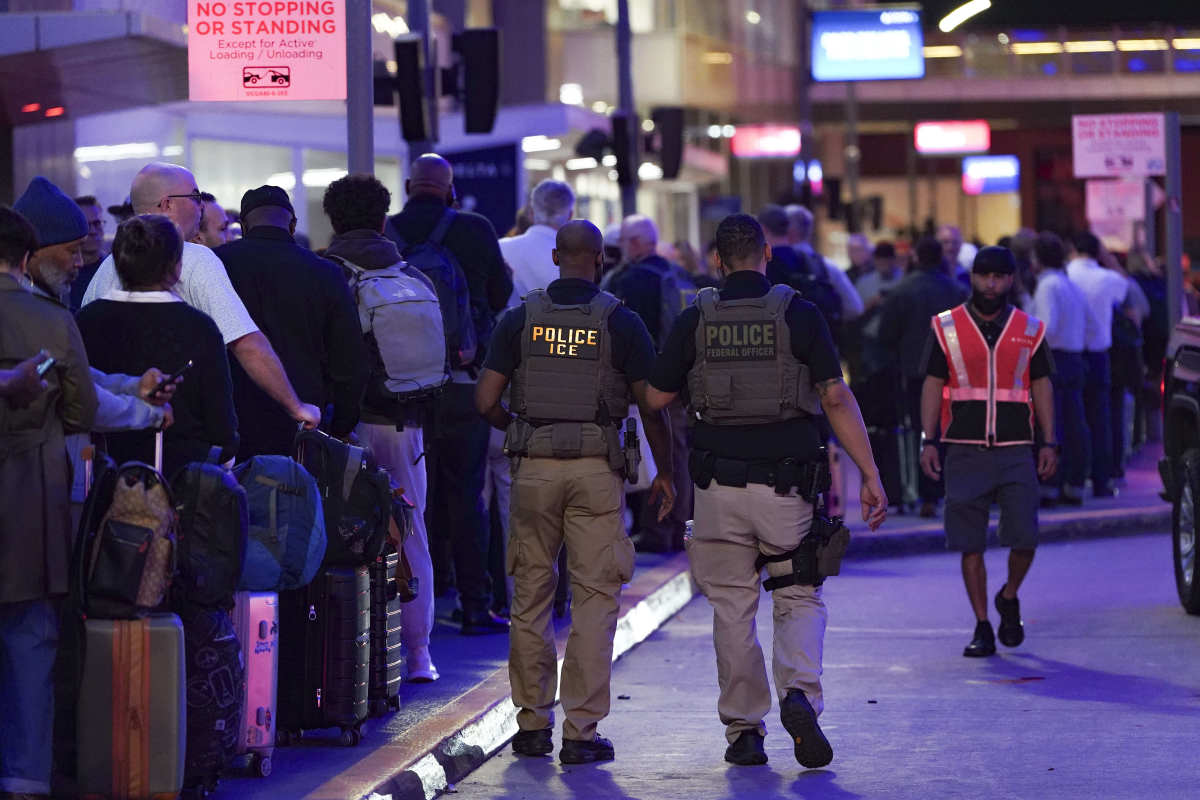
Refugee assistance, immigration case management, citizenship programs, minority-business support and other services could face reduced federal funding if the rescissions take effect.
The dispute also raises an important practical question for taxpayers - whether future presidents can use the same end-of-fiscal-year strategy to pull back spending after Congress has approved it.
The administration and congressional critics are now set for another legal and constitutional fight over who controls federal spending.