Trump pledges US mediation for Egypt-Ethiopia dispute on Nile, says no to 'unilateral control'
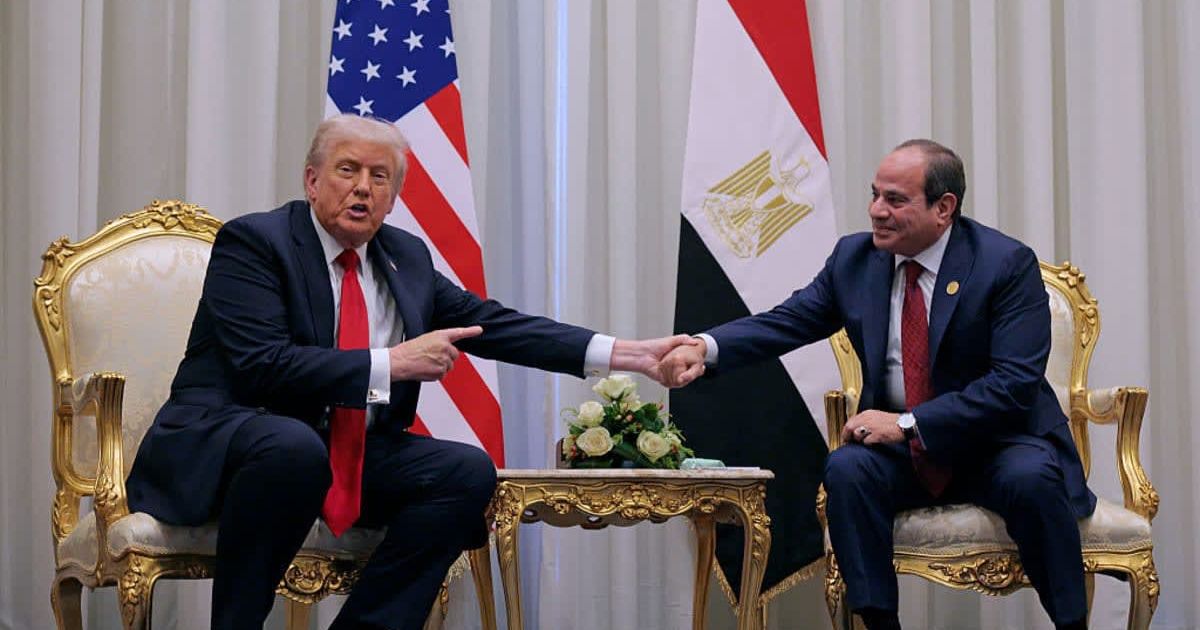
WASHINGTON, DC: President Donald Trump has announced that the United States is prepared to re-engage as a mediator between Egypt and Ethiopia to settle their conflict regarding the distribution of Nile River waters.
In a formal letter to Egyptian President Abdel Fattah el-Sisi, Trump emphasized the need for a collaborative agreement that prevents any single nation from unfairly dominating the region's water resources.
In his letter, Trump wrote, “In the spirit of our personal friendship and America’s commitment to peace and the wellbeing of Egypt’s people, I am ready to restart US mediation between Egypt and Ethiopia to responsibly resolve the question of the Nile water sharing once and for all.”
Trump further stated, “My team and I understand the deep significance of the Nile River to Egypt and its people, and I want to help you achieve an outcome that assures the water needs of Egypt, the Republic of the Sudan, and Ethiopia, long into the future.”
President Trump’s letter to President El-Sisi pic.twitter.com/L6bWqHMtET
— Rapid Response 47 (@RapidResponse47) January 16, 2026
The Egypt-Ethiopia dispute over Nile
The disagreement revolves around Ethiopia's operation of significant upstream dams.
It centers on Ethiopia's Grand Ethiopian Renaissance Dam (GERD) on the Blue Nile, which Egypt fears could restrict its water flow. The country relies on the Nile for over 90% of its freshwater, vital for agriculture and its population of over 100 million.
Ethiopia, on the other hand, seeks hydropower from the GERD to boost its economy. Sudan, situated between the two nations, is also concerned about having enough water and whether the dams are safe.
Tensions escalated after Ethiopia began filling the dam in 2020 without a binding agreement on operations or drought coordination.
Trump explained that no single country should have total power over the river.
He said, “The United States affirms that no state in this region should unilaterally control the precious resources of the Nile and disadvantage its neighbours in the process.”
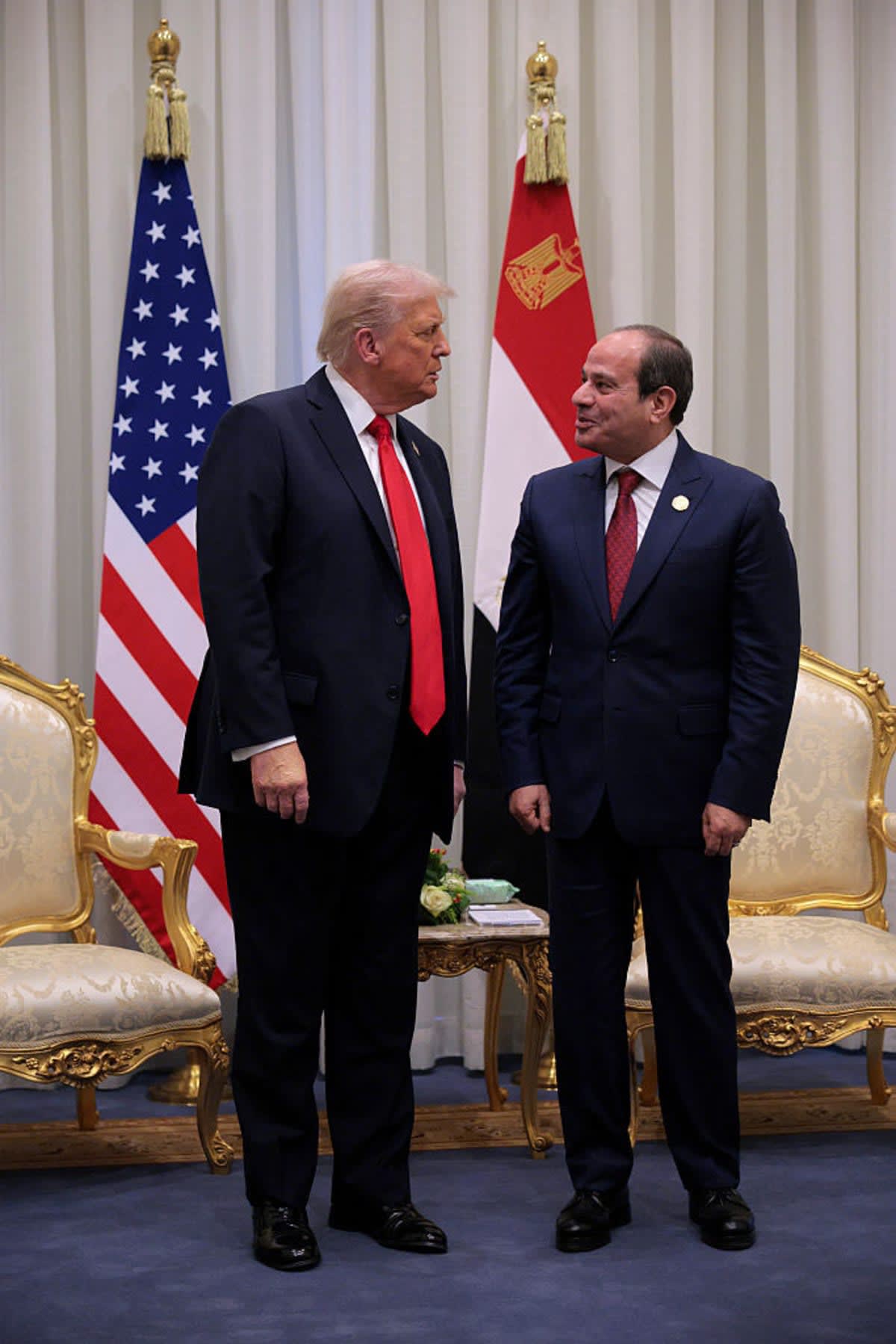
US offers to monitor Nile deal to ensure ‘fair and transparent’ compliance
Trump believes that if the countries use the right experts and talk openly, they can reach an agreement that lasts for “all Nile Basin Nations.”
He thinks the US can help watch over the deal to make sure everyone follows the rules.
He said, “With the right technical expertise, fair and transparent negotiations, and a strong United States role in monitoring and coordinating between parties, we can achieve a lasting agreement.”
Part of his plan includes making sure Egypt and Sudan get enough water during dry times, while Ethiopia uses the dam to make electricity. He even suggested that Ethiopia could share its extra power, saying, “perhaps some of which can be given, or sold, to Egypt and/or the Sudan.”