Trump proposes US Iran ‘joint venture’ to control Strait of Hormuz after ceasefire
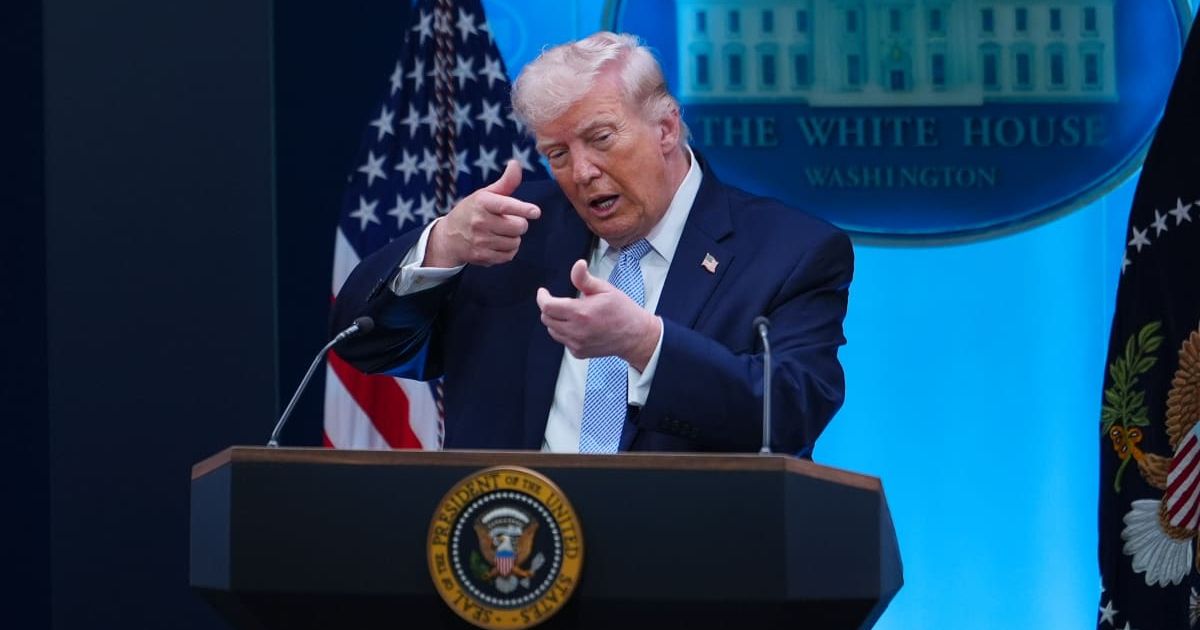
WASHINGTON, DC: President Donald Trump on Wednesday, April 8, said the United States is considering a potential “joint venture” with Iran to manage shipping through the Strait of Hormuz, a key global oil transit route.
The remarks were made during a phone interview following a recently agreed ceasefire between Washington and Tehran.
Trump suggested the arrangement could involve coordinating control over vessel traffic and security in the strait.
The comments come as Iran advances plans to impose tolls on ships passing through the waterway.
Trump floats ‘joint venture’ to manage Strait of Hormuz
In an interview with ABC News, Trump said the US is “thinking of” working with Iran in a joint arrangement to oversee the Strait of Hormuz.
“We’re thinking of doing it as a joint venture,” the president said. “It’s a way of securing it, also securing it from lots of other people,” he added. “It’s a beautiful thing.”
The proposal emerged shortly after the United States and Iran agreed to a two-week ceasefire, described by administration officials as a step toward de-escalation.
The idea of a joint arrangement was not part of Iran’s previously outlined 10-point peace plan, which Trump had earlier described as “workable.”
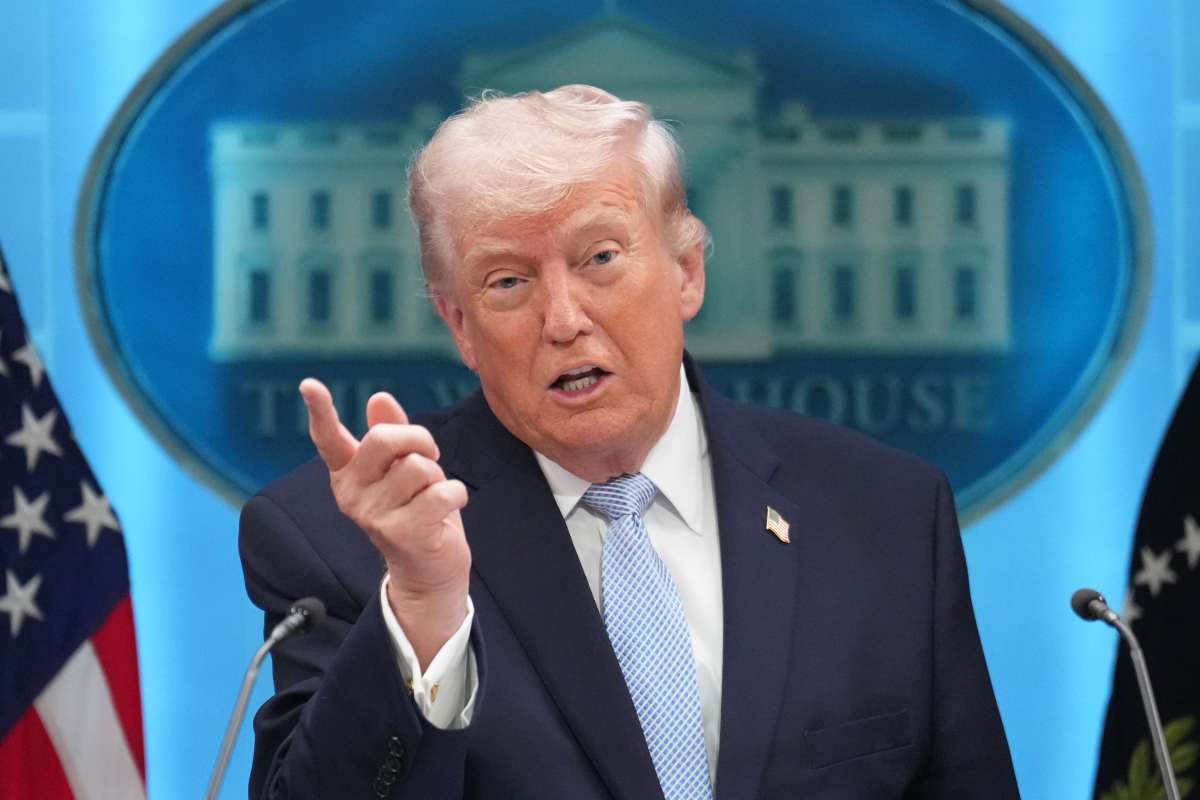
Trump also indicated that economic considerations could be tied to activity in the strait. In a post on Truth Social, he said there was “big money” to be made by the United States in helping manage increased shipping activity, adding that the US would be “loading up with supplies of all kinds” and monitoring the situation closely.
The Strait of Hormuz remains one of the world’s most critical maritime chokepoints, with roughly 20 percent of global oil supply passing through it.
Any changes to how traffic is managed in the region carry significant implications for international trade and energy markets.
Iran toll plans and legal concerns draw scrutiny
Trump’s remarks come as Iran has moved forward with plans to charge vessels a fee for transiting the strait.
Reports indicate that ships from multiple countries, including China, Greece, Pakistan, India and France, have already paid tolls in recent weeks.
Iranian officials have suggested that funds generated from the system would be used for reconstruction efforts, with some portion potentially allocated to Oman.
The idea of controlling navigation through tolls or joint arrangements has drawn criticism from some officials and experts.
Many argue that such measures could conflict with established international maritime norms governing freedom of navigation. However, the United Nations Convention on the Law of the Sea has not been ratified by either the United States or Iran.
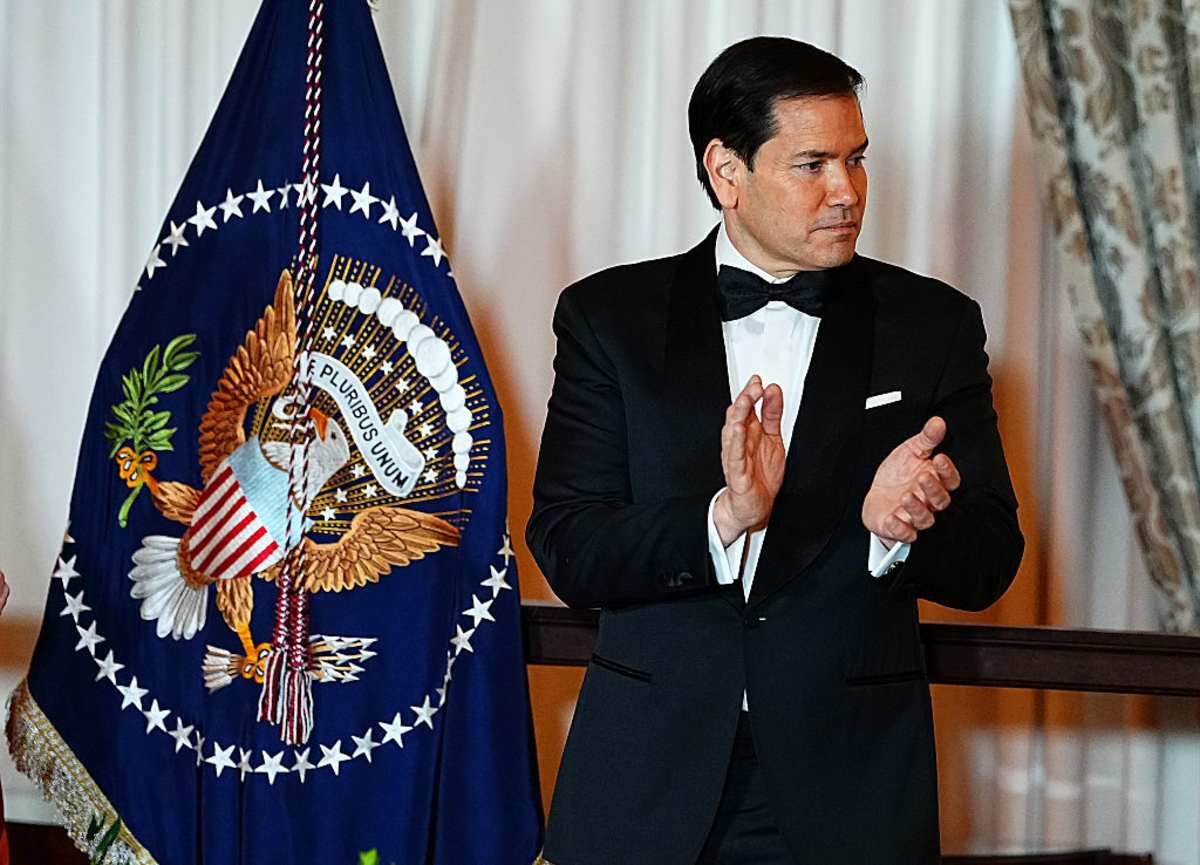
Secretary of State Marco Rubio previously criticized Iran’s tolling proposal, calling it “illegal” and “dangerous for the world,” and said the US and its partners would need to consider how to respond, though he noted the United States would not necessarily lead such efforts.
VP Vance: "The Iranians have agreed to open up the straits. The United States has agreed to stop attacking…That is the basis of this fragile truce that we have…If the Iranians are willing in good faith to work with us, I think we can make an agreement." pic.twitter.com/PwGiBDFcQP
— CSPAN (@cspan) April 8, 2026
The ceasefire agreement between the US and Iran was reached shortly before a deadline set by Trump, who had warned of severe consequences if a deal was not finalized and the strait reopened.
While administration officials, including Vice President JD Vance, have described the agreement as a step forward, he also cautioned that it remains a “fragile truce” and could be at risk if either side fails to comply.