Trump says he will use Iranian assets under US control to pay for future ship, cargo damage amid war
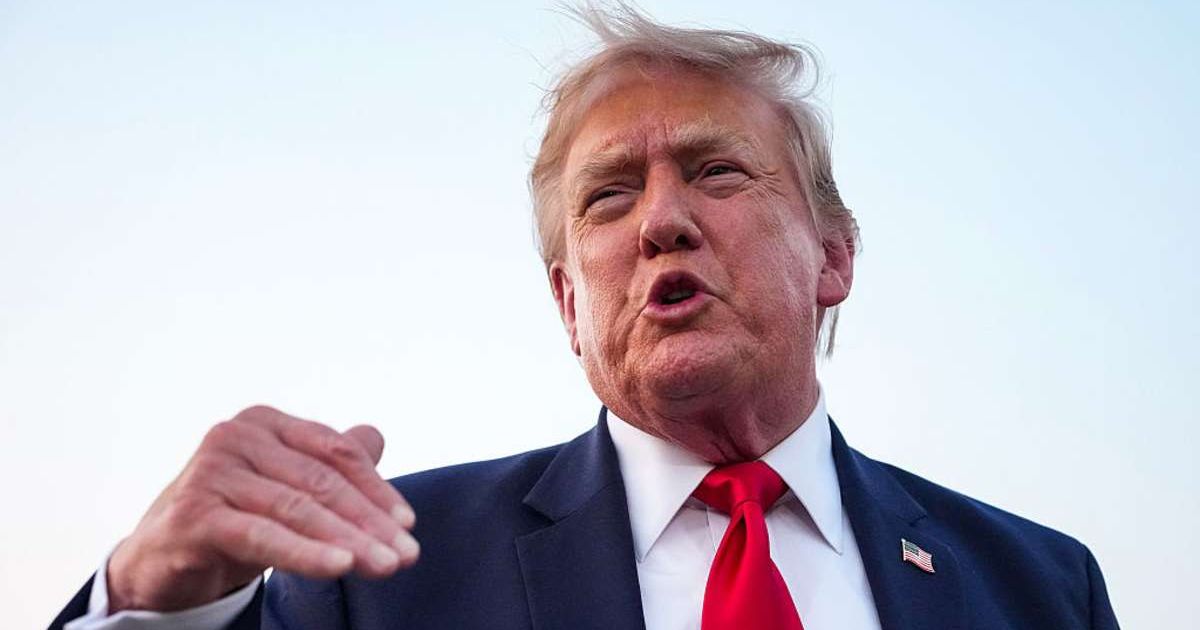
WASHINGTON, DC: President Donald Trump said Thursday, July 23, that the United States will use Iranian funds under its control to compensate for future damage to ships, cargo and related property as tensions with Tehran continue to disrupt commercial shipping in the Middle East.
The announcement came as the US military launched its 13th consecutive night of strikes against Iranian targets and reports indicated Tehran had rejected a US-backed ceasefire proposal. Trump did not specify how the compensation mechanism would operate or which incidents would qualify.
Trump says ship damage will be covered by Iranian funds
In a post on Truth Social, Trump said Iranian assets held by the United States would be used to cover losses stemming from attacks on commercial shipping.
"Please let this statement serve to represent, until further notice, that from this point forth, any and all damages done to Ships, Cargo, or anything related thereto, will be paid for by Iranian Money that the United States has in its possession, and controls," Trump wrote. "These damages may be very substantial but, nevertheless, this is the fair and equitable thing to do."
BREAKING: President Trump says any future damage to ships or cargo will be paid for using Iranian funds under U.S. control.
— Fox News (@FoxNews) July 23, 2026
Trump said, "From this point forth, any and all damages done to Ships, Cargo, or anything related thereto, will be paid for by Iranian Money that the… pic.twitter.com/jvAftk5vcH
Trump did not identify which frozen Iranian assets would be used or explain the legal process for accessing them. The value of Iranian funds held abroad has varied over time and remains spread across multiple financial institutions and jurisdictions.
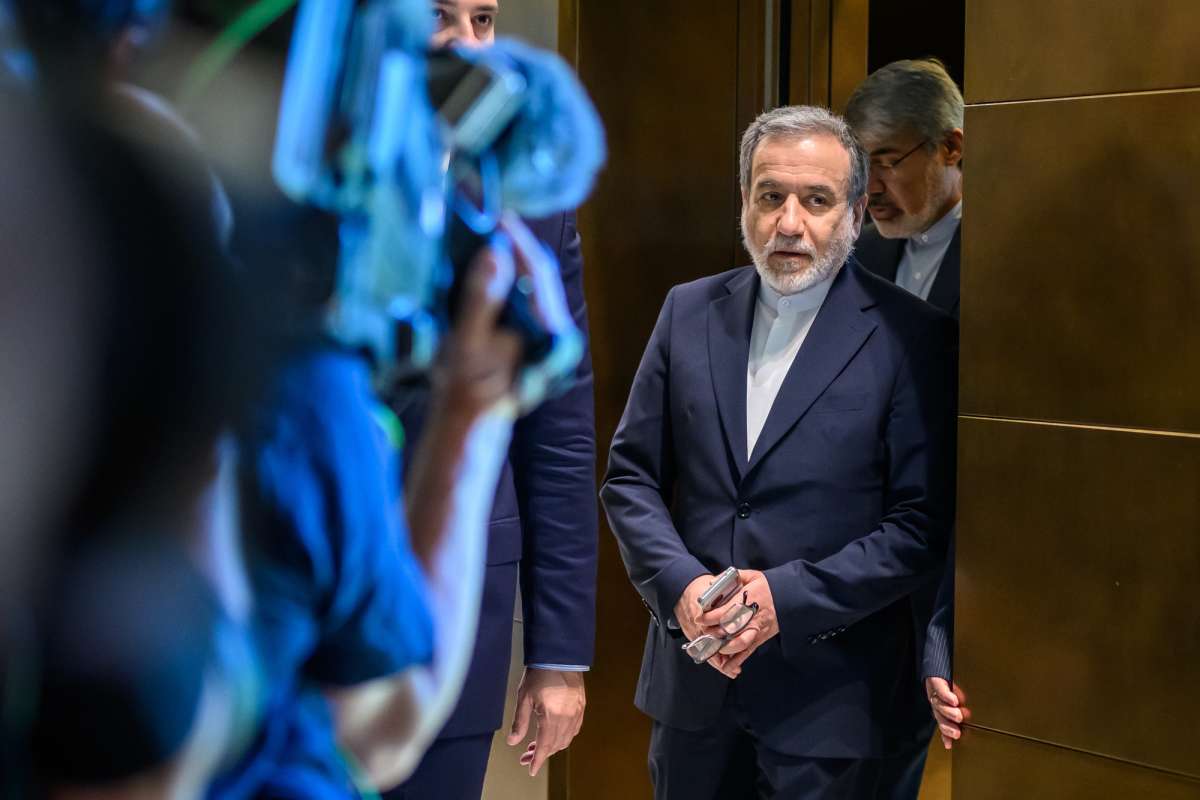
The remarks, however, prompted a response from Iranian Foreign Minister Abbas Araghchi, who criticized the proposal in a post on X.
Seizing another nation's assets to pay for unrelated future claims is an incendiary precedent.
— Seyed Abbas Araghchi (@araghchi) July 24, 2026
Those who celebrate or profit from such funds should remember: once governments normalize confiscation, no one's assets are safe. Ensuing chaos will not be pretty or peaceful.
"Seizing another nation's assets to pay for unrelated future claims is an incendiary precedent." He added, "Those who celebrate or profit from such funds should remember: once governments normalize confiscation, no one's assets are safe. Ensuing chaos will not be pretty or peaceful."
Announcement comes as US strikes continue
Trump's comments came hours after US Central Command announced a 13th consecutive night of strikes targeting Iranian military infrastructure.
According to CENTCOM, the operation struck Iranian military command centers, drone storage facilities, communications networks, coastal surveillance sites and maritime capabilities aimed at reducing threats to commercial vessels transiting the Strait of Hormuz.
U.S. forces started another night of strikes against Iranian military targets at 6:45 p.m. ET today. This is the 13th consecutive night of strikes aimed to hold Iran accountable and diminish threats from the Islamic Revolutionary Guard Corps to commercial shipping.
— U.S. Central Command (@CENTCOM) July 23, 2026
Earlier Thursday, Trump suggested he was not prepared to negotiate a new ceasefire with Tehran. "We're doing very well against the Islamic Republic of Iran, we're doing extremely well," Trump said. "They would like to do something, but I say they're not ready yet. They need more of the same." He also said Iranian leaders "have some evil intentions."
🚨 JUST NOW: President Trump says the Islamic Republic of Iran needs MORE PAIN
— Eric Daugherty (@EricLDaugh) July 23, 2026
"They're not ready yet. They need more of the same. They have EVIL INTENTIONS! We cannot let them have a nuclear weapon."
"They'll NEVER have a nuclear weapon."
*Applause*
"This should've been… pic.twitter.com/vl7Oron8t0
Meanwhile, The New York Times, citing Iranian and Iraqi officials, reported that Tehran had rejected a US ceasefire proposal conveyed through Iraqi Prime Minister Ali al-Zaidi. According to the report, Iranian officials opposed a temporary agreement that did not address control of the Strait of Hormuz.