Trump says he can 'do anything' to countries but cannot charge tariff after Supreme Court ruling
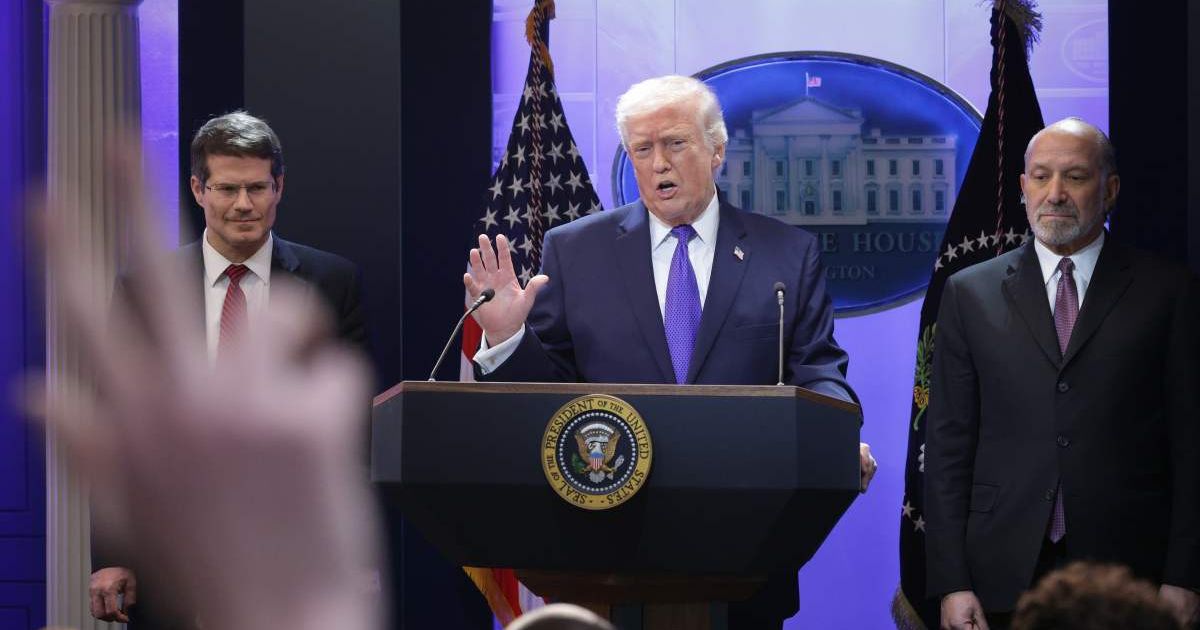
BREAKING: Trump has public meltdown over SCOTUS tariffs decision to stunned silent press room: "I can do anything I want to do to them ... I'm allowed to destroy the country."
— Really American 🇺🇸 (@ReallyAmerican1) February 20, 2026
Completely unhinged.pic.twitter.com/vNjs6ESfDO
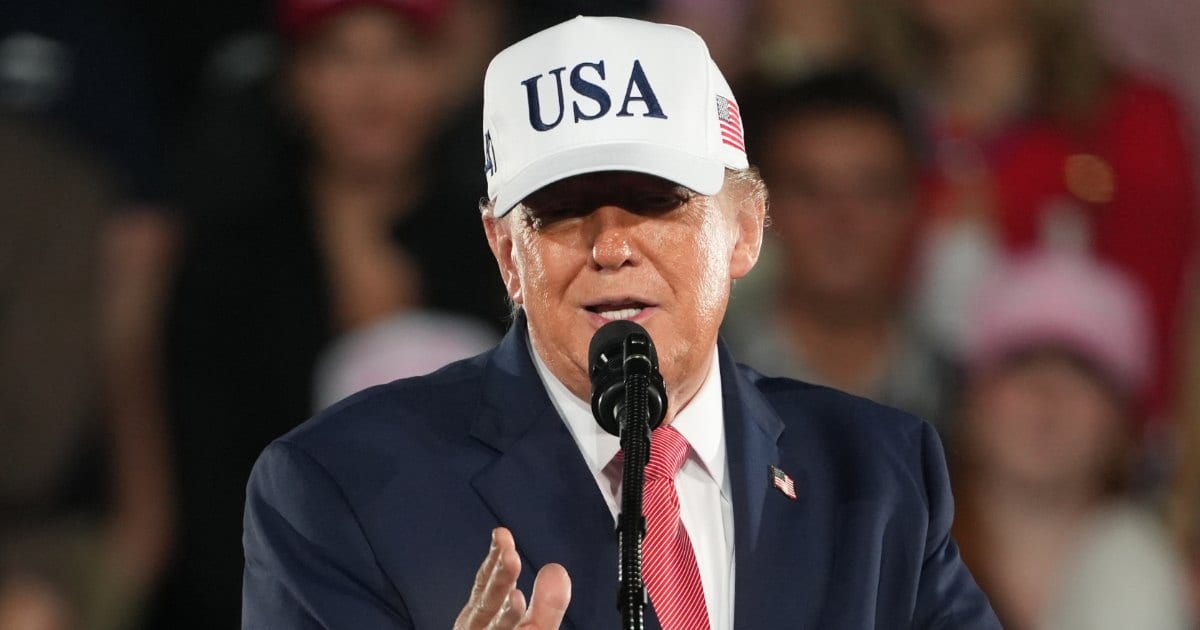
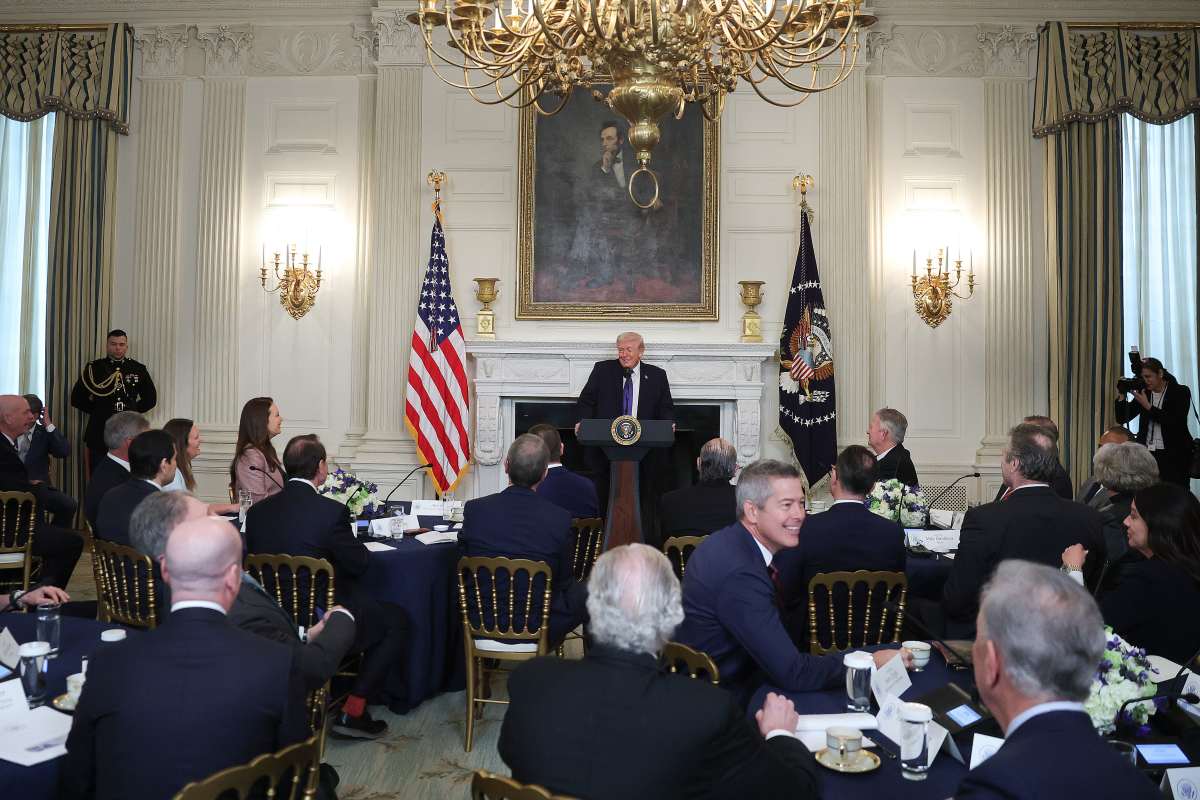
WASHINGTON, DC: President Donald Trump criticized the Supreme Court on Friday, February 20, after it struck down his broad global tariff proposal. The decision marked a setback for a central part of his economic agenda.
During remarks at the White House, Trump expressed frustration with the ruling, saying, "Can't charge one dollar to any country under IEEPA." He added that he can "anything I want to do to them. But I can't judge any money."
He went on to say he can do "anything" he wants when dealing with other countries, but he cannot impose the tariff that the Supreme Court has struck down.
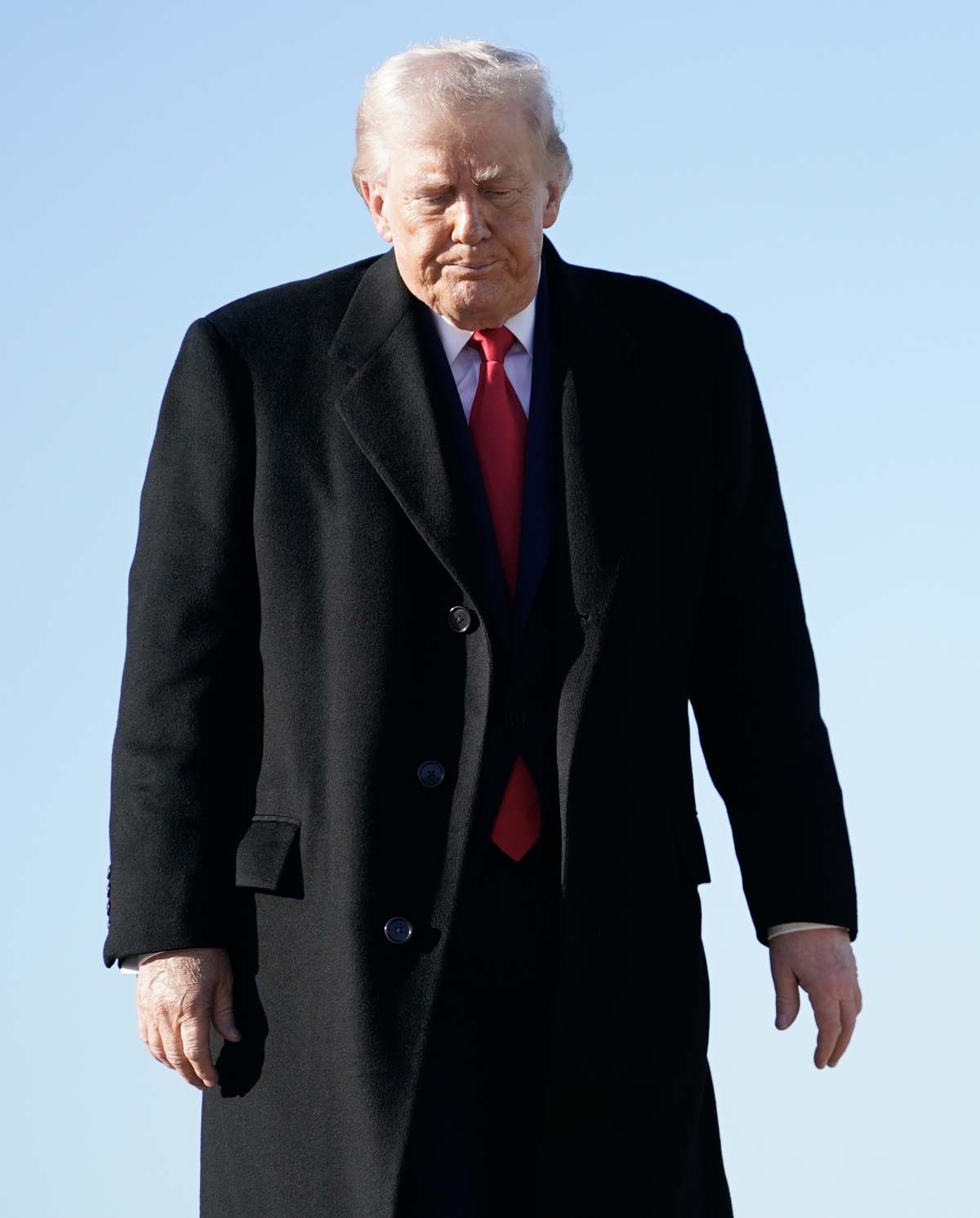
Donald Trump slams Supreme Court's decision
On Friday, February 20, Trump said he will go ahead with a 10% global tariff under Section 122 of the trade law. The announcement came shortly after the Supreme Court ruled 6–3 that emergency economic powers could not be used to support his earlier tariff plan.
Speaking about the decision, Trump argued that the court’s interpretation limits his ability to impose even minimal charges on foreign nations. "Can't charge a dollar? I would have used one penny, but we don't make pennies anymore. We save money."
"Can't charge one dollar to any country under IEEPA. Not one dollar. I assume that to protect other countries. This must have been done to protect those other countries, certainly not. The United States of America, which they should be interested in protesting."
He went on to describe the range of trade powers he believes remain available to him, including cutting off economic ties entirely. "That's what they're supposed to be protecting, but I am allowed to cut off any and all trade or business with that same country. In other words, I can destroy the trade. I can destroy the country. I'm even allowed to impose a foreign country-destroying embargo. I can embargo."
Trump stressed that while broad trade restrictions are still possible, the court’s decision prevents him from imposing even a small tariff fee under the law in question.
"I can do anything I want, but I can't charge one dollar. Because that's not what it says. And that's not the way it even reads. I can do anything I want to do to them. But I can't judge. Any money? So, I'm allowed to destroy the country, but I can't charge them a little fee."
He concluded by emphasizing what he sees as a contradiction in the ruling. "I could give them a little 22 cent fee. But I cannot charge under any circumstances. I cannot judge them anything."
Court limits use of emergency powers in tariff dispute
The Supreme Court ruled that Trump overstepped his authority by using a national emergency law to impose sweeping tariffs on imports. The court found that the 1977 International Emergency Economic Powers Act (IEEPA) does not grant the president unlimited power to impose broad trade duties.
The opinion was written by Chief Justice John Roberts and joined by Justices Neil Gorsuch and Amy Coney Barrett, along with the court’s liberal members. The decision stops some types of tariffs, including country-specific “reciprocal” tariffs and a 25% tax on certain goods from Canada, China, and Mexico that were linked to fentanyl.
However, it does not change other tariffs that were put in place under different trade laws, such as those on steel and aluminium.