Trump says US is looking ‘seriously’ into Australia’s 'superannuation' model for retirement reform
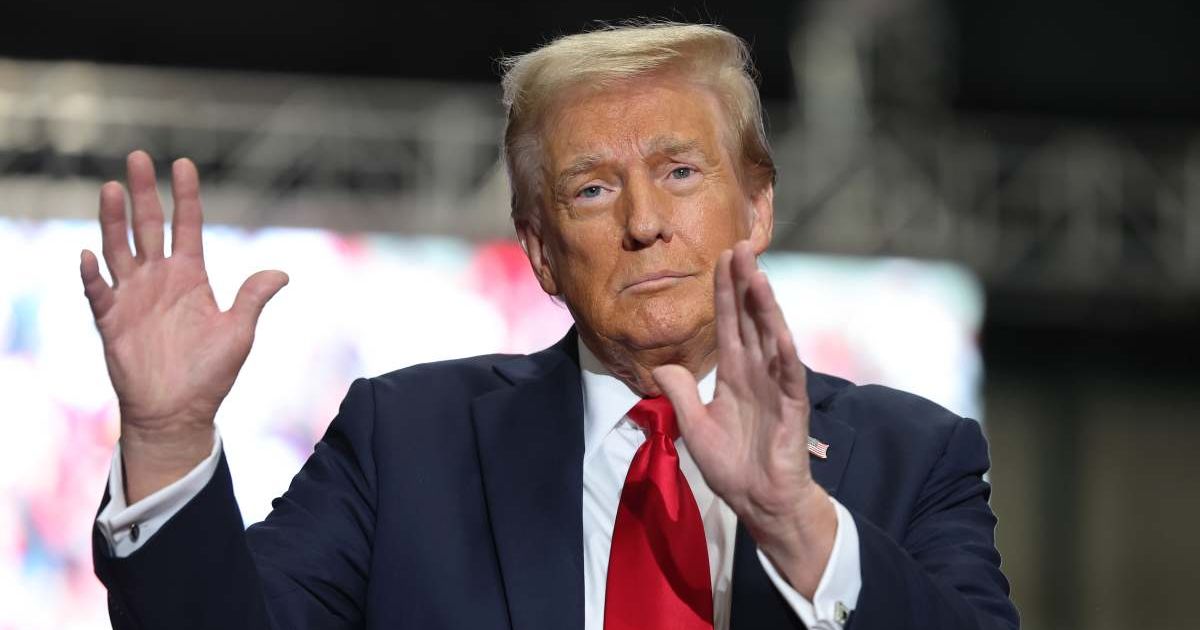
Trump on policy proposals he's looking at to raise the birthrate: "We are looking at programs. There's a certain Australian plan that people are liking and they're talking about. You know what I mean? There's a plan where, not for children necessarily, but it's for people.… pic.twitter.com/BnQHB1MITg
— Aaron Rupar (@atrupar) December 2, 2025
WASHINGTON, DC: The Donald Trump administration is turning to Australia for monetary ideas to strengthen the US retirement savings system. Trump said his team is “seriously” studying Australia’s approach. According to him, “It’s a good plan. It’s worked out very well.”
Australia’s system requires employers to contribute directly to workers’ retirement accounts, creating steady savings. This model is very different from US retirement policy, where people rely on voluntary 401(k) plans along with Social Security.

How the US retirement system works today
Citizens depend on Social Security for retirement support, a system created in 1935 under President Franklin Delano Roosevelt. Workers pay Social Security taxes, that money goes into the system, and benefits are paid out to people who are already retired.
Australia has about 27 million people, while the United States has around 343 million. Trump said, "We are looking at programs. There's a certain Australian plan that people are liking and they're talking about. You know what I mean?"
"There's a plan where, not for children necessarily, but it's for people. Working people. And we are looking at other things." "Different from this. I think this is very unique. But different from this. But very important," he concluded.
How Australia’s mandatory superannuation system works
Australia’s main retirement savings system is called superannuation, or simply “super.” For those unfamiliar with the system, super is the core program Australia uses to help people build financial security for life after work.

Employers are required to deposit money into each employee’s super account. That money is invested through selected funds and remains locked away until a person reaches retirement age. Employees can also add their own contributions.
Currently, employers must contribute 12 percent of a worker’s income, an increase from just 3 percent when the modern super system began in 1992, according to CNN.
Tim Jenkins from the consulting firm Mercer explained, “There is no opt out." “If you have a job, your employer must put 12 per cent of your pay into your retirement savings. The money stays there until you get close to retirement, with only a few very limited ways to access it earlier," he said.
Why is Australia’s super system winning attention in the US?
Australia launched its superannuation program to address a simple but serious problem: the population is aging, birth rates are declining, and the country needs a sustainable way to help people support themselves financially after they stop working.
Tim Jenkins explained it clearly: “With an aging population and declining birth rates, a system like this takes the fiscal burden off future generations,” he said.
Matthew Linden, who leads strategy and insights at the Super Members Council, said, “What has struck US officials and investors is how the strength of Australia’s super system policy settings, automatic super payments, near universal coverage and preservation of savings until retirement, have helped Australians grow world leading retirement nest eggs.”