Trump unveils sweeping new tariffs on 60 countries, covering 99.4% of US imports
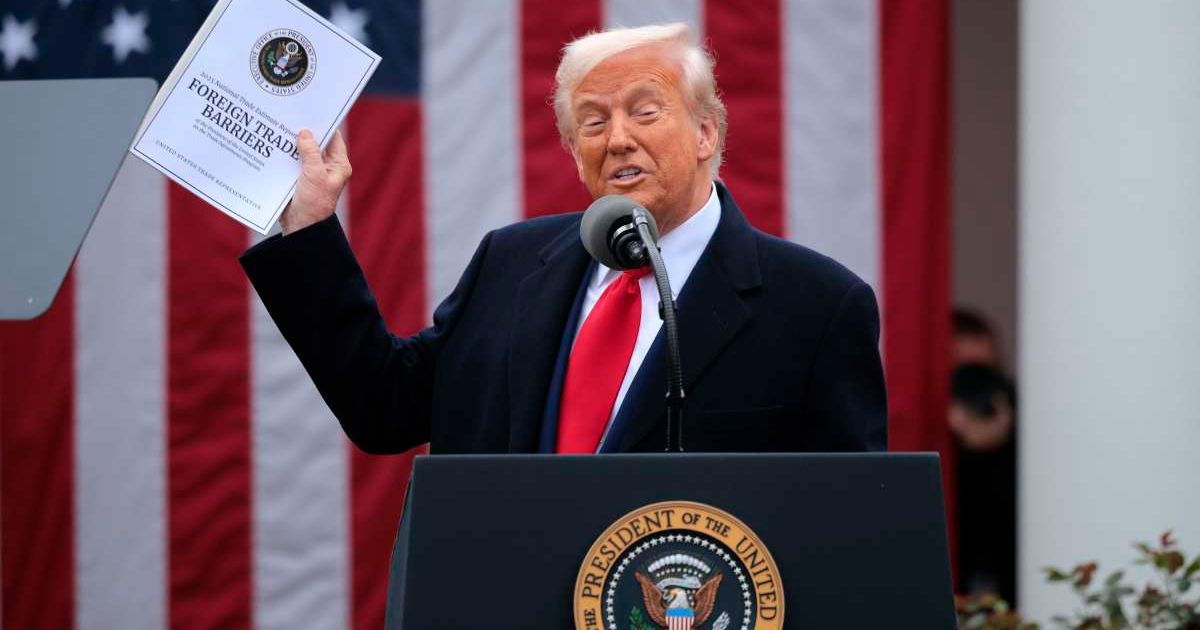
WASHINGTON, DC: President Donald Trump on Thursday, July 23, announced a new round of tariffs on 60 trading partners, replacing the administration's temporary 10% global import duties with new rates up to 12.5%. The White House said the measures are aimed at addressing forced labor concerns in global supply chains and cover 99.4% of US imports.
The tariffs took effect at 12:01 am ET on Friday after the expiration of the temporary global duties imposed earlier this year. Administration officials described the move as the broadest labor-related trade action undertaken by the United States, saying the policy is intended to encourage trading partners to strengthen restrictions on goods produced with forced labor.
New tariffs replace expiring global duties
According to the Office of the US Trade Representative (USTR), the new duties apply to 60 trade partners, including major US trading economies such as the European Union, China, Canada, Japan, India, and the United Kingdom.
Countries that have agreed to adopt and enforce restrictions on imports produced with forced labor will face a 10% tariff, while those that have not will be subject to a 12.5% duty.
The administration said the tariffs are being imposed under Section 301 of the Trade Act of 1974, following investigations launched earlier this year into forced labor practices. The duties replace the temporary global tariff imposed under Section 122 after the Supreme Court struck down parts of Trump's earlier worldwide tariff program.

A senior administration official described the action as "the most sweeping international labor rights action the United States has ever taken, that any country has ever taken." The White House said the tariffs will not be added on top of existing Section 232 duties covering imports such as steel and aluminum.
US Trade Representative Jamieson Greer defended the move, writing on X (formerly Twitter), "American workers should not have to compete against goods made with forced labor because our trading partners refuse to close their doors to it. President Trump is righting this wrong by imposing tariffs to strengthen America's competitiveness."
American workers should not have to compete against goods made with forced labor because our trading partners refuse to close their doors to it. President Trump is righting this wrong by imposing tariffs to strengthen America’s competitiveness. pic.twitter.com/12r9NtaVcO
— United States Trade Representative (@USTradeRep) July 23, 2026
Greer also told lawmakers this week that the administration would continue using tariffs while negotiating trade agreements aimed at protecting American workers and reducing the US trade deficit.
Canada vows response as other countries react
The latest tariffs mark another escalation in the Trump administration's broader trade agenda, which has increasingly relied on alternative legal authorities after courts curtailed earlier tariff actions.
Canadian Prime Minister Mark Carney said Ottawa would continue defending its interests amid the growing trade dispute with Washington. Earlier this week, the administration imposed 50% tariffs on a range of Canadian goods that are scheduled to take effect next month.
Mark Carney on Trump's new tariffs against Canada: "We're ready ... we're a reliable partner in a world that's anything but. So we're diversifying our partnerships abroad." pic.twitter.com/c5ozF6C8gh
— Aaron Rupar (@atrupar) July 23, 2026
"We're a reliable partner in a world that's anything but. So we're diversifying our partnerships abroad," Carney said, adding that Canada would do whatever it considered necessary to protect its economy, including potential retaliatory measures.
BRAZIL'S GOVERNMENT REJECTS THE U.S. 12.5% TARIFFS ON BRAZILIAN GOODS TIED TO FORCED LABOR, CALLING THEM COMPLETELY ARBITRARY AND UNJUSTIFIED - STATEMENT
— First Squawk (@FirstSquawk) July 23, 2026
Brazil criticized Thursday's tariff announcement as "unjustified" and "arbitrary," while Japan expressed regret over the new duties, saying its trade practices comply with international rules. Australia also called the tariffs "completely unjustified" and said it would continue pressing Washington to remove the measures.