Trump withdraws Canada's 'Board of Peace' invite as Mark Carney defends nation's independence
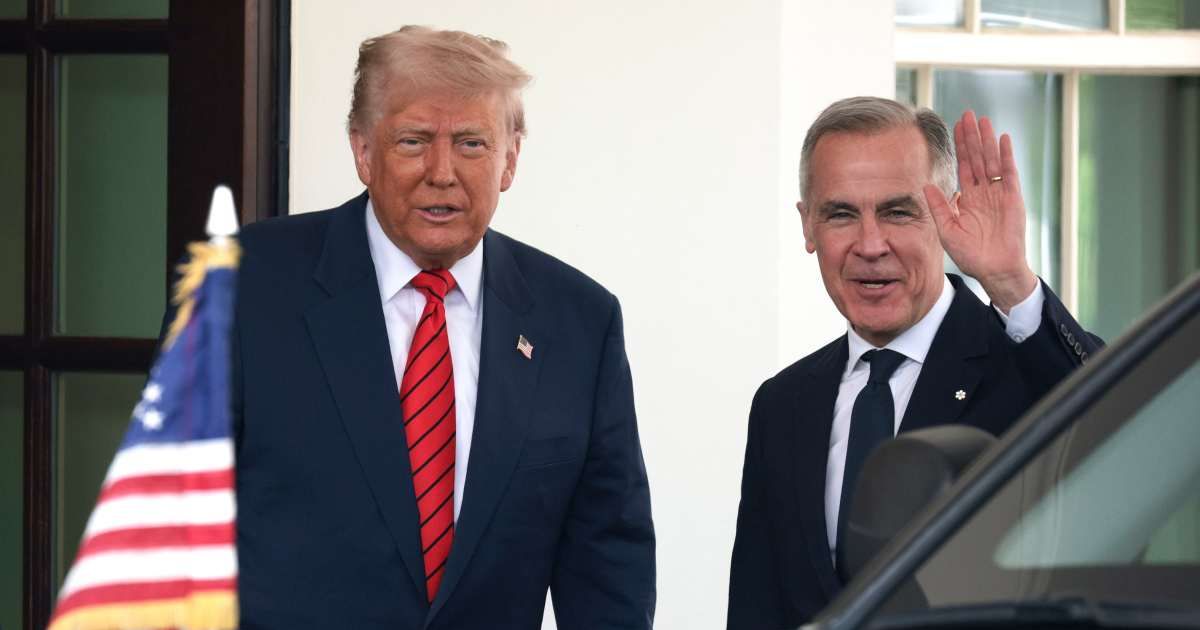
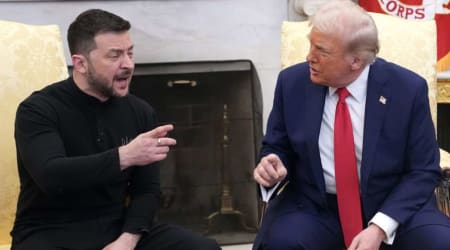
DAVOS, SWITZERLAND: President Donald Trump withdrew Canada’s invitation to join his newly launched Board of Peace, escalating a public dispute with Canadian Prime Minister Mark Carney. The decision followed Carney’s remarks at the World Economic Forum in Davos criticizing the use of economic power and tariffs by dominant nations.
Trump announced the reversal in a Truth Social post on Thursday, January 22, hours after formally launching the board.
Trump pulls Canada's invitation after Mark Carney's Davos remarks
Trump announced the decision in a post addressed directly to Carney, writing: “Please let this Letter serve to represent that the Board of Peace is withdrawing its invitation to you regarding Canada’s joining, what will be, the most prestigious Board of Leaders ever assembled, at any time.”
Trump did not specify why he decided to revoke the invitation.
Trump just uninvited Canada from his little “Board of Peace” because Carney didn’t kiss the ring.
— Brian Allen (@allenanalysis) January 23, 2026
Imagine starting an international organization and running it like a middle school lunch table. pic.twitter.com/sstsIY1msi
The withdrawal came after Carney delivered a speech at the World Economic Forum that drew a standing ovation, in which he warned that the post-World War II global order was fracturing.
Without naming Trump directly, Carney criticized powerful nations for using economic integration as a weapon and tariffs as leverage, urging so-called “middle powers” to work together or risk being marginalized.
Trump criticized Canada’s dependence on the United States, saying the country “should be grateful” for US security support.
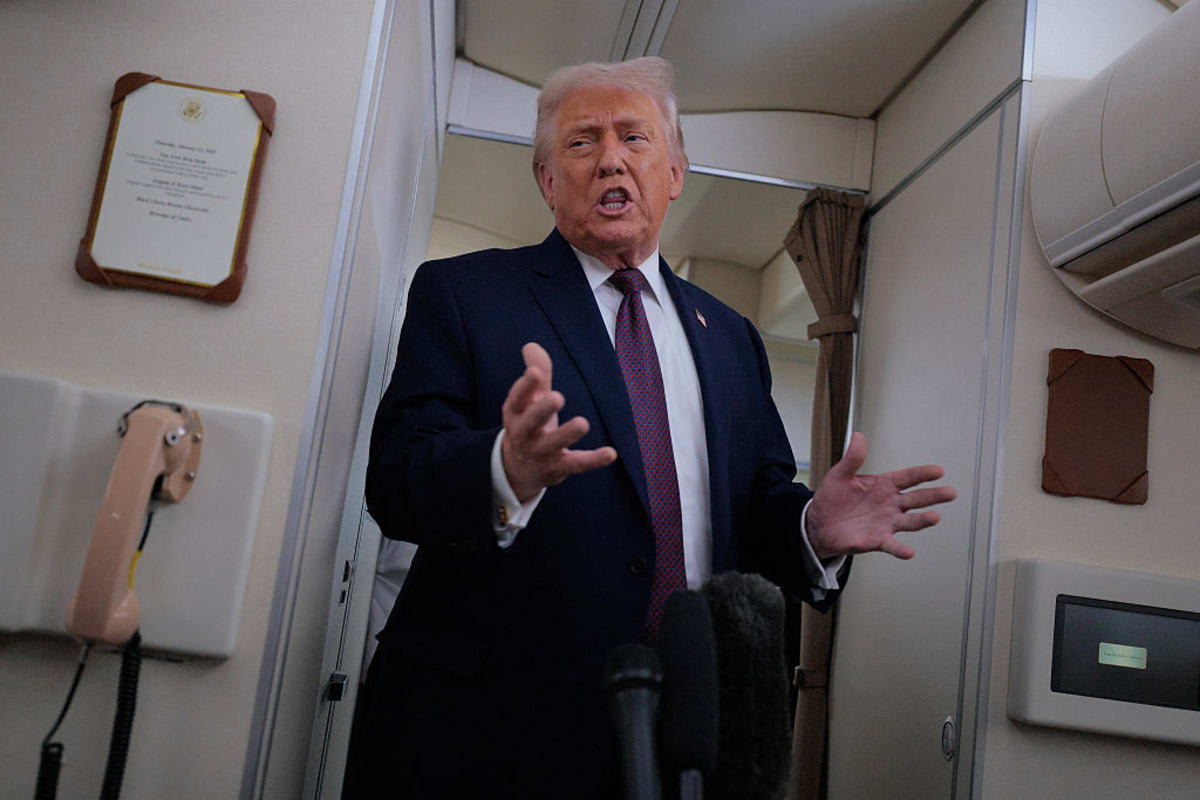
“I watched your prime minister yesterday, he wasn’t so grateful,” Trump told the audience. “Canada lives because of the United States. Remember that, Mark, before you make your statements.”
Upon his return from Davos, Carney responded publicly, praising Canada and rejecting Trump’s characterization.
“Canada and the United States have built a remarkable partnership, in the economy, in security, and in rich cultural exchange,” Carney wrote on the social platform X.
“But Canada doesn’t ‘live because of the United States.’ Canada thrives because we are Canadian.” Carney added that Canada’s future remained firmly in its own hands.
PM Carney:
— Marlene Robertson🇨🇦 (@marlene4719) January 22, 2026
“Canada and the United States have built a remarkable partnership in economy, in security, in rich cultural exchange.
But Canada doesn’t live because of the United States. Canada lives because we are Canadian.”
pic.twitter.com/VgPepJje1a
“We are masters in our home, this is our own country, it’s our future, the choice is up to us,” he said. He reiterated that “middle powers” must “act together, because if we’re not at the table, we’re on the menu,” a line that drew applause during his Davos address.
Carney’s office had said last week that he planned to accept the invitation to join the 'Board of Peace' in principle, though Canadian officials indicated Ottawa would not pay the $1 billion contribution Trump had said permanent members needed to provide.
'Board of Peace' draws mixed reaction from allies
Trump formally launched the 'Board of Peace' on Thursday, describing it as a new international body aimed at resolving global conflicts.
The board’s formation is part of Trump’s 20-point peace plan following a ceasefire in the years-long conflict that devastated Gaza. Trump has said that the board would oversee rehabilitation efforts in the territory.
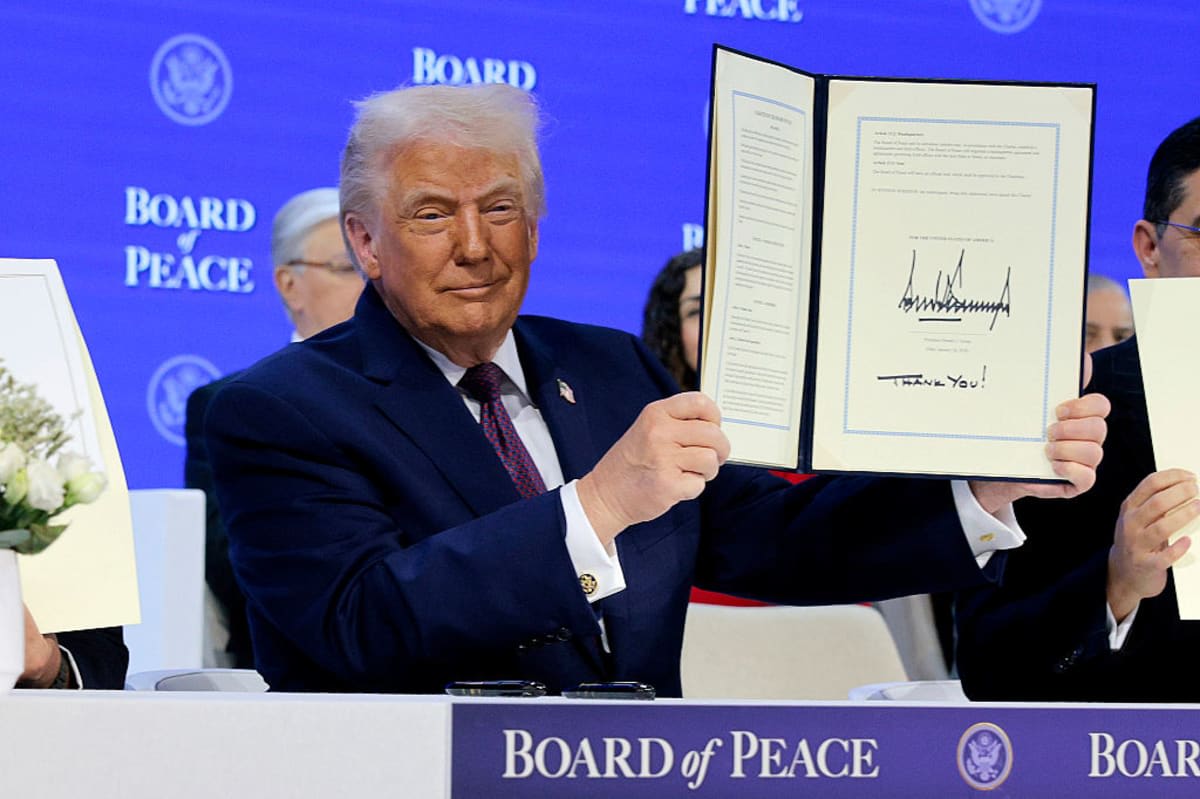
“Once this board is completely formed, we can do pretty much whatever we want to do,” Trump said in Switzerland.
“And we’ll do it in conjunction with the United Nations.” The board’s creation was endorsed by a UN Security Council resolution as part of the Gaza plan, though UN spokesperson Rolando Gomez said UN engagement would be limited to that context.
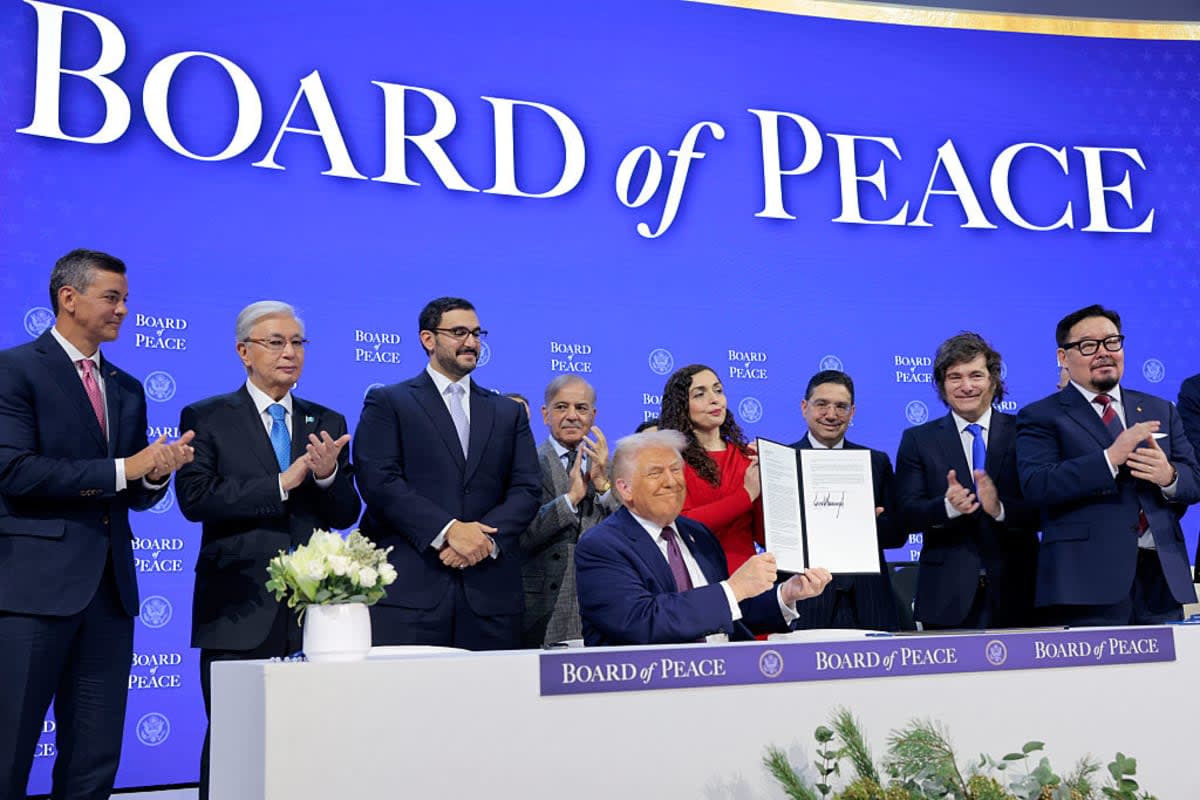
Permanent members are expected to contribute $1 billion each, according to Trump.
The White House says roughly 60 countries have been invited to join, with about 35 agreeing so far. Those include Argentina, Belarus, Morocco, Vietnam, Pakistan, Turkey, Saudi Arabia, Egypt and Qatar.