Trump's $600M ballroom defense faces a secret White House problem
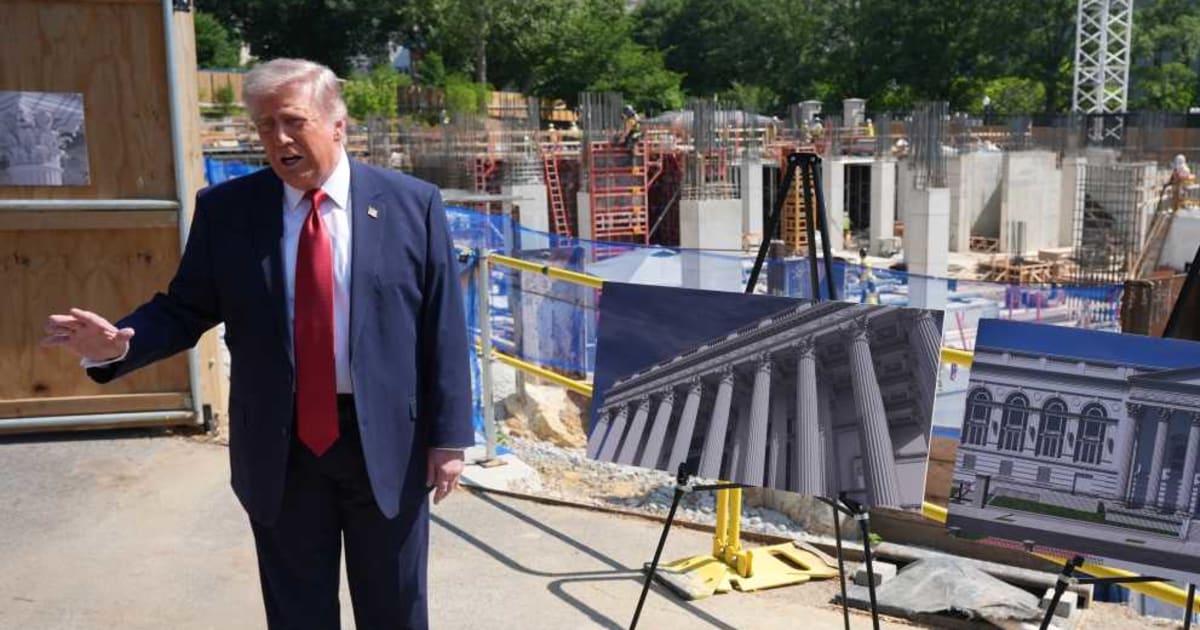
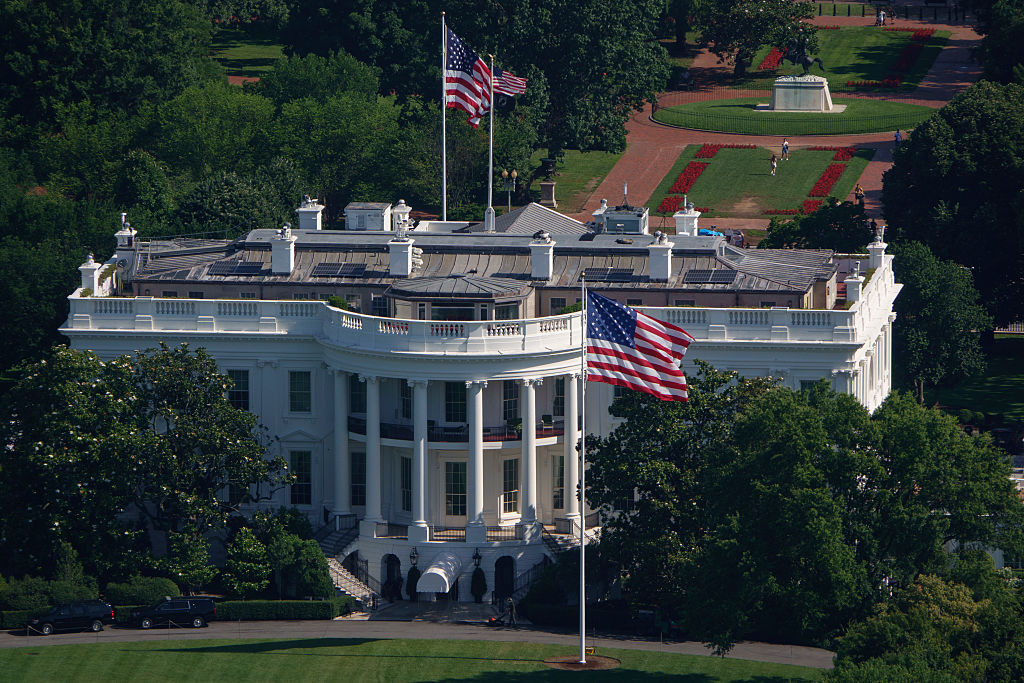
WASHINGTON, DC: Former officials say a previously secret, nuclear-hardened White House bunker undercuts President Trump's argument that his $600 million ballroom is needed for security during a national emergency.
Built after 9/11 and completed during the Obama administration, the bunker can shelter the president and senior aides for weeks.
The Washington Post (WaPo) reported the disclosure Monday, August 24, as the Supreme Court weighs an emergency appeal over the ballroom project.
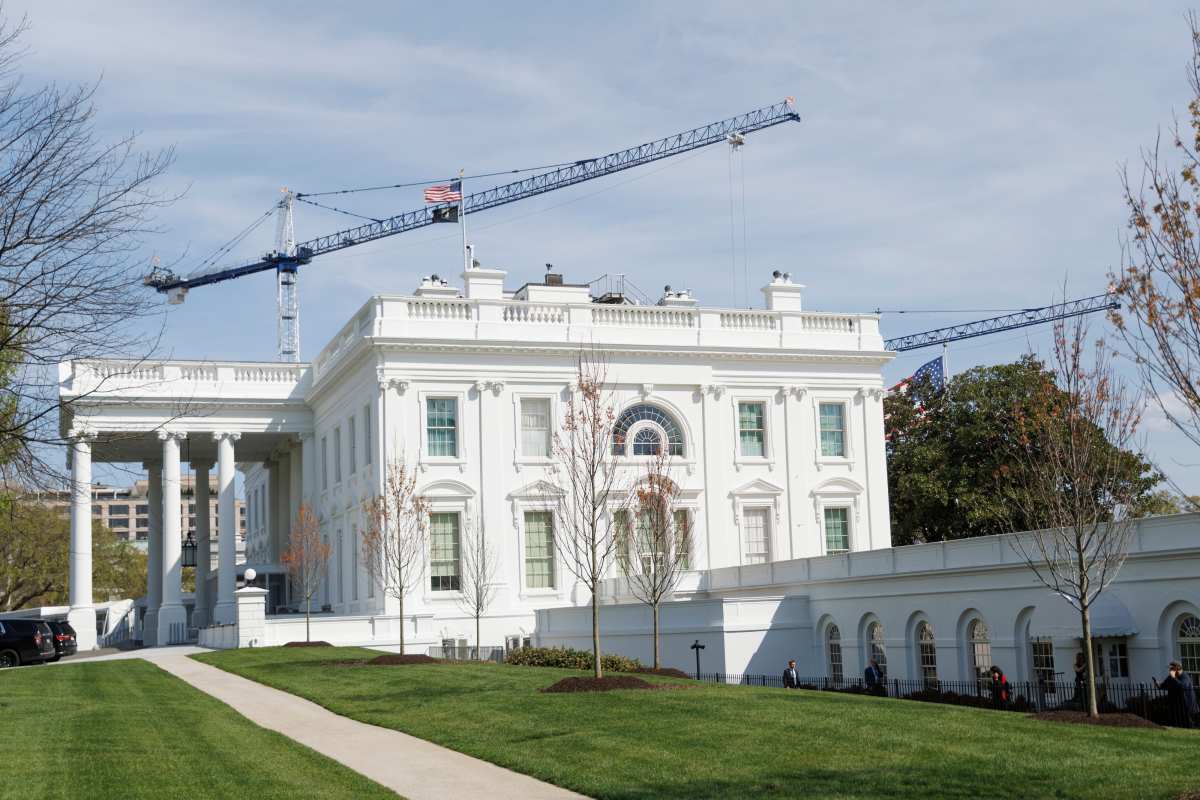
A secure facility already exists beneath the White House
The bunker sits more than 60 feet underground and was designed to withstand a nuclear blast, the newspaper reported.
Two former officials said it can house dozens of people for multiple weeks, serving as a protected command center during a national security emergency.
The WaPo withheld some details to avoid compromising White House security protocols.
The disclosure challenges the administration's core argument that the ballroom complex is necessary to ensure continuity of government.
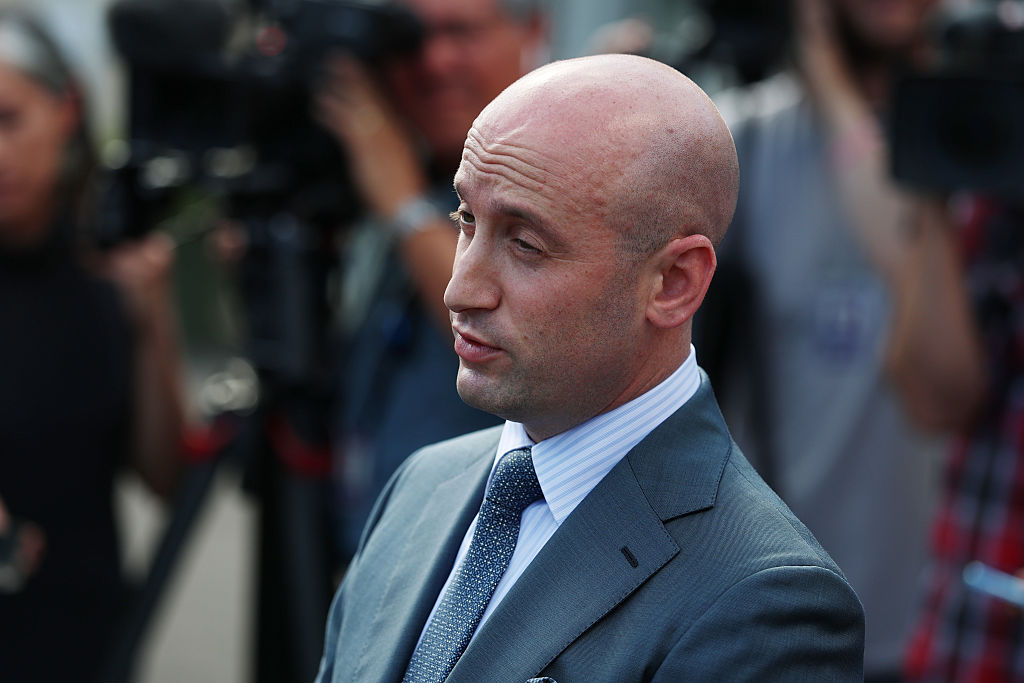
Stephen Miller wrote that the new facility “serves continuity-of-government interests by ensuring that the president and senior national security staff are able to operate from a protected facility during any attack on the nation's capital.”
Army Secretary Dan Driscoll made a similar argument, calling the subterranean portion of the project a requirement for crisis operations.
“Securing this reinforced subterranean node guarantees uninterrupted command and control in place,” Driscoll wrote in an Aug 13 Supreme Court filing.
The White House defends the new project
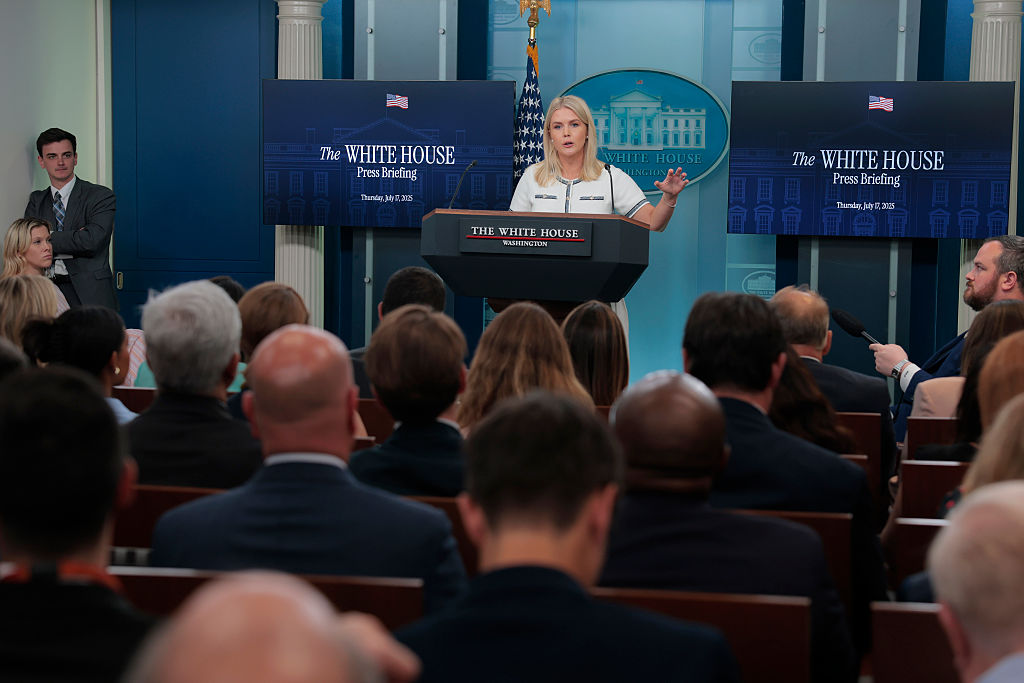
White House spokesman Davis Ingle defended the project and said its security features remain necessary, including protections for large-scale events and drones.
“The East Wing Modernization Project is inextricably tied to the security of the president, the White House grounds and certain security infrastructure assets,” Ingle said.
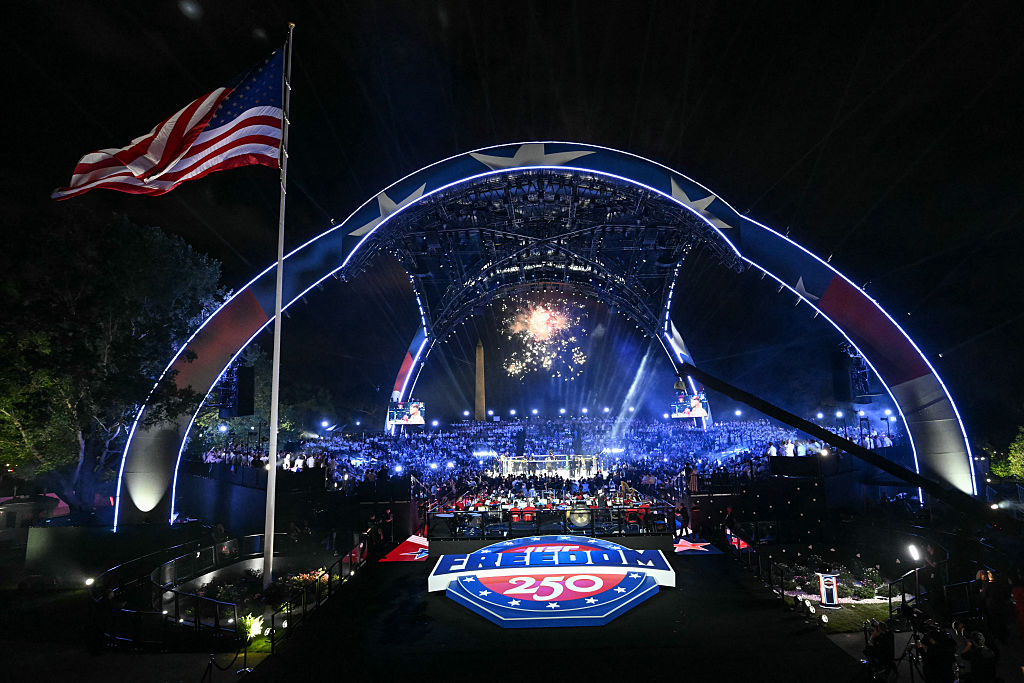
He added that a “foiled attack” at the UFC Freedom 250 event demonstrated why the project was needed, including “drone-proof structures and drone ports.”
Administration officials have argued the ballroom's aboveground and underground portions are “inextricably intertwined elements.”
The administration has also told the Supreme Court that construction was about 65% complete, with about 250 workers operating 20 hours a day, seven days a week.
Existing defenses date to 9/11
The former officials said the newly disclosed bunker was built after the September 11 attacks as a more secure facility than the White House's older emergency site.
That older facility, known as the Presidential Emergency Operations Center, was built during World War II and was used to protect Vice President Dick Cheney and first lady Laura Bush during the attacks.
Journalist Ronald Kessler also referenced the newer bunker in his 2018 book, saying it had a months-long food supply and self-contained airflow system.
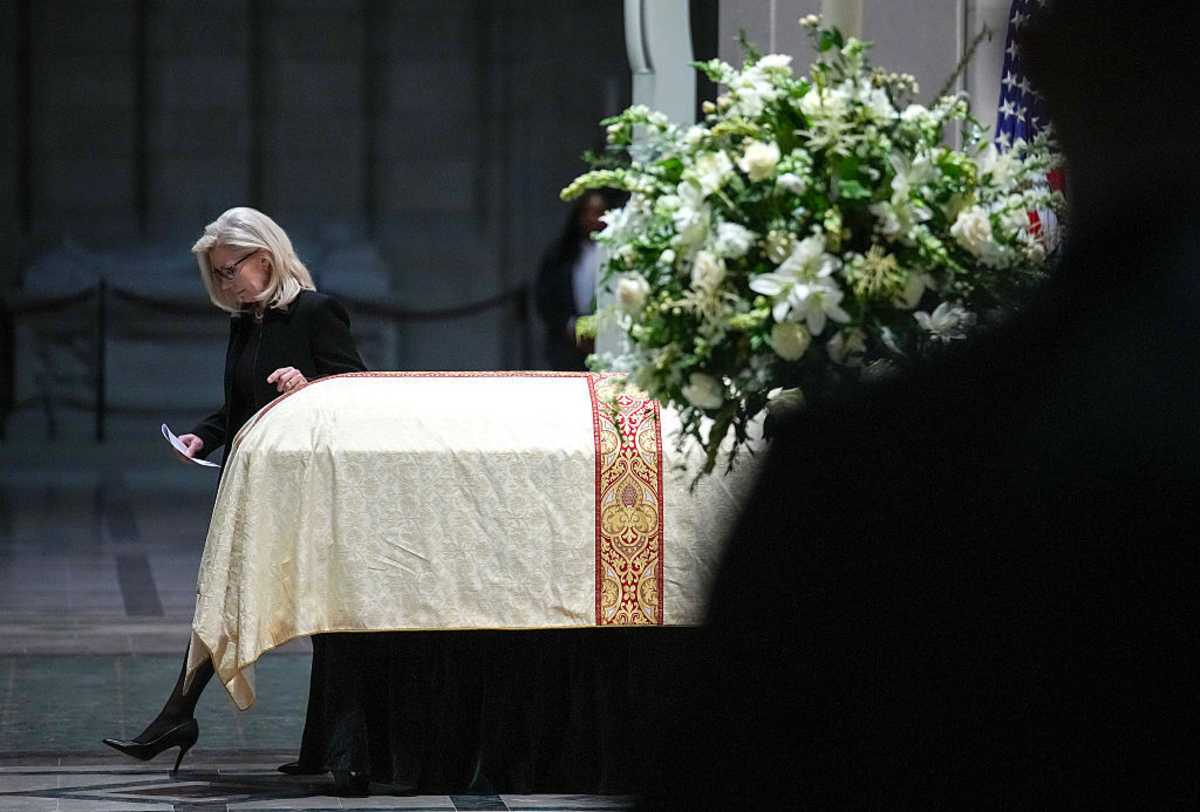
The former officials questioned why the administration has argued that the White House lacks a sufficiently hardened location, the report said.
They also warned that demolishing the East Wing and exposing previously hidden areas may itself have created security risks.
Joshua Fisher, the White House official managing the ballroom project, warned that stopping construction could have serious effects on work already completed.

“Pausing work now, as the district court has ordered, will jeopardize everything we have done so far,” Fisher told the Supreme Court.
A lower court had already rejected the administration's broader safety argument.
Trump's emergency application to continue construction on the White House ballroom is now fully briefed at SCOTUS
— Kelsey Reichmann (@KelseyReichmann) August 19, 2026
In a reply brief, SG says completing the bunker & ballroom is a national security imperative, claiming that any delay would "jeopardize everything built to date" pic.twitter.com/72nlnnPxrC
Judge Richard J Leon wrote in April: “Defendants themselves forged ahead and created this ‘coordinated and managed safety hazard’ on White House grounds.”