Trump's ballroom ruling is now being used to shield something much bigger
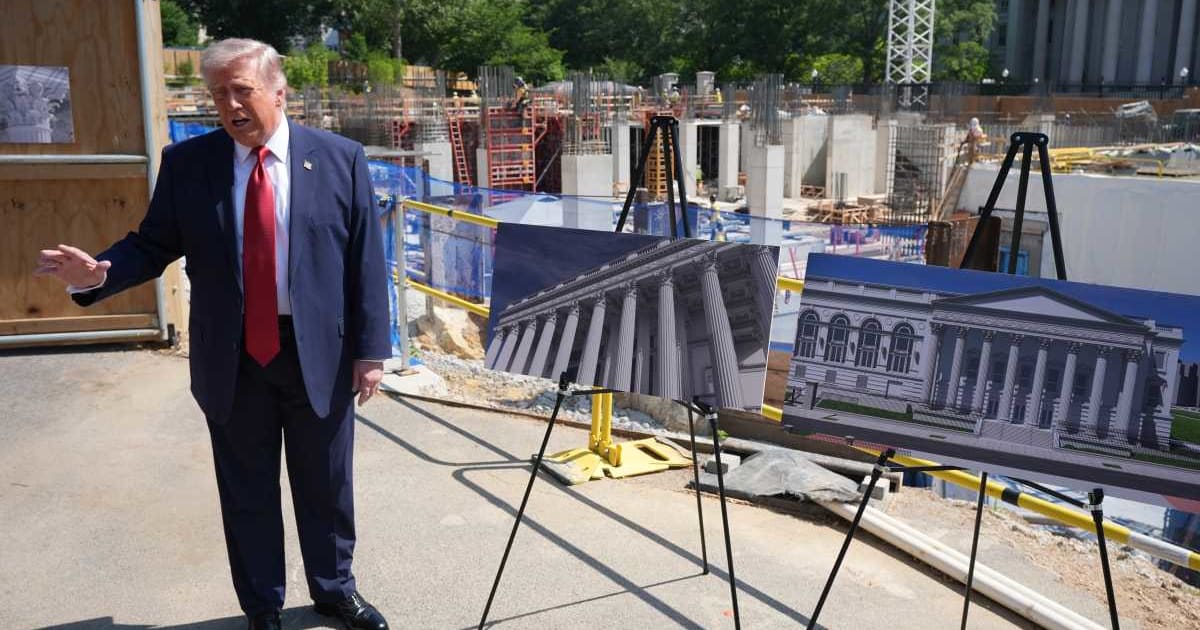
WASHINGTON, DC: The Justice Department is asking a federal judge to dismiss a lawsuit challenging President Donald Trump's planned 250-foot triumphal arch in Washington, DC, arguing that the Supreme Court’s recent ruling on his White House ballroom controls the case.
The filing comes as the administration prepares to begin excavation for the monument near Arlington National Cemetery.
DOJ links two separate Trump projects
In a five-page filing, the department told US District Judge Tanya Chutkan that the Supreme Court’s August 31 ballroom decision means the arch lawsuit should be dismissed.
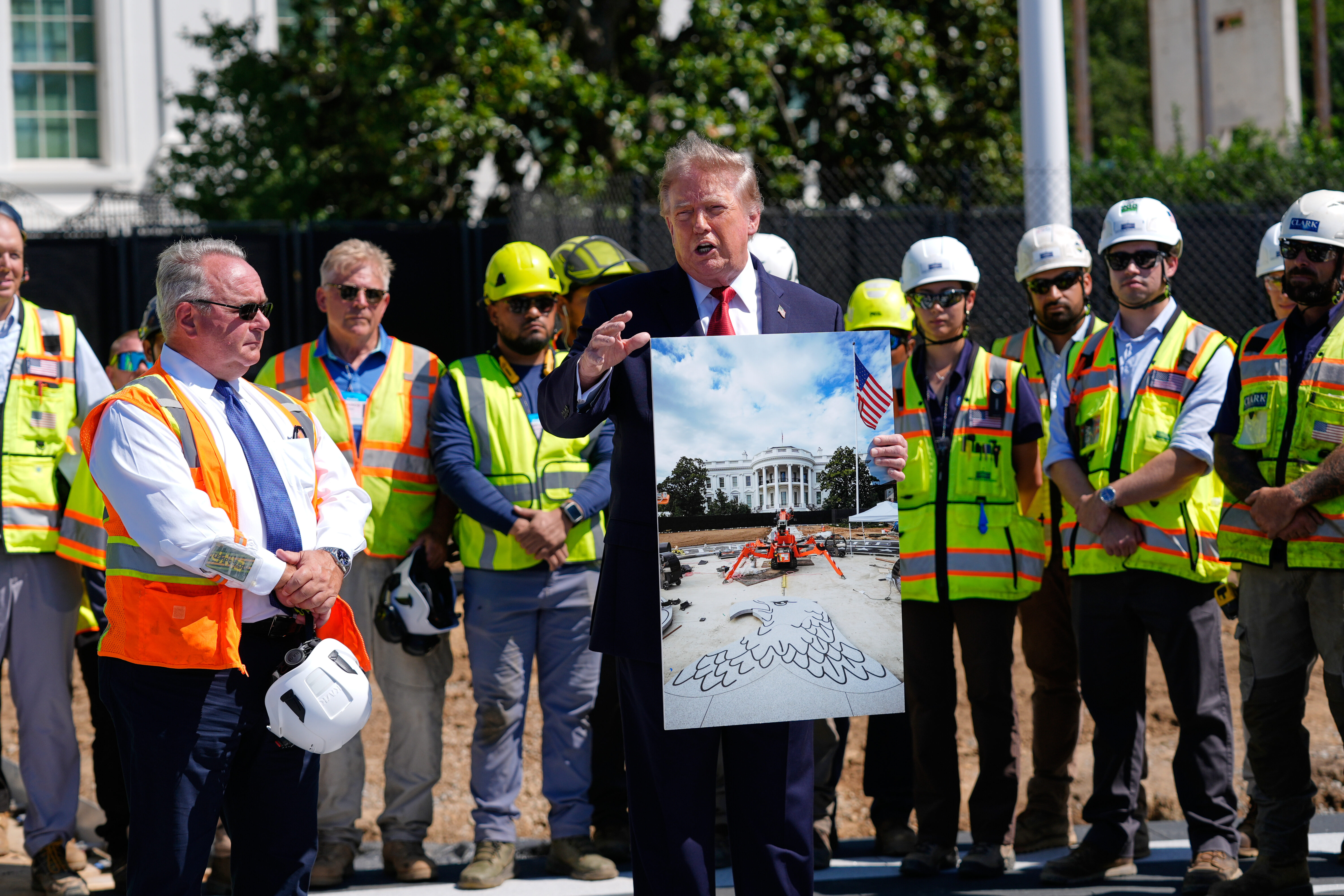
The government argues that the plaintiffs cannot establish the kind of direct, personal injury required to challenge the project in federal court.
The Supreme Court’s 5-4 ruling allowed the ballroom construction to continue after finding that the preservation group challenging it likely lacked standing.
Veterans are challenging the proposed monument
Three Vietnam War veterans and retired architectural historian Calder Loth filed the lawsuit in February.
Public Citizen Litigation Group represents them.
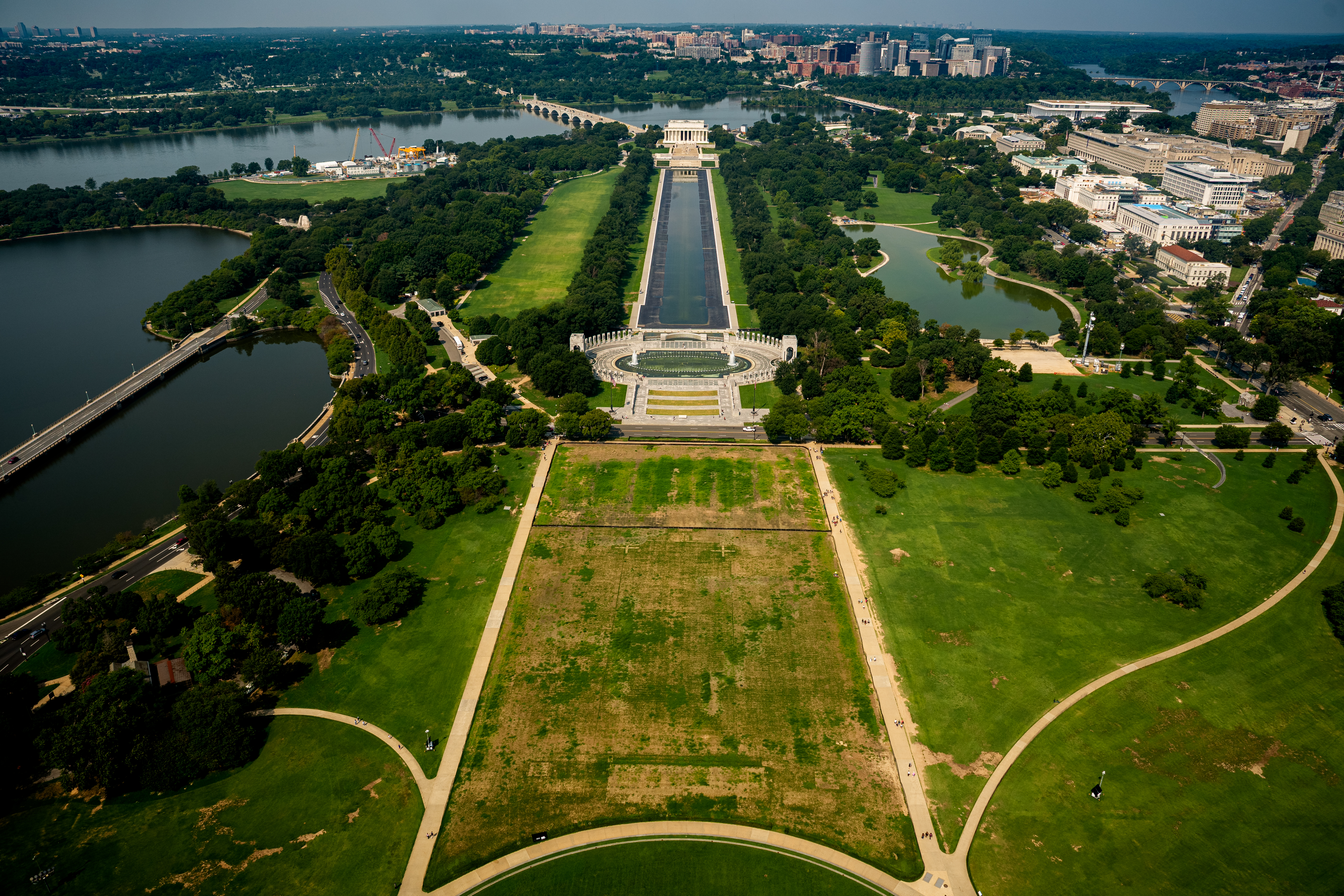
Their complaint argues that federal law requires congressional authorization before a structure can be built on the relevant parkland in Washington.
They also contend that the proposed arch would interfere with historic views connecting the Lincoln Memorial and Arlington House.
The plaintiffs have not claimed that the ballroom ruling directly approved the arch. Their case concerns a different project, different site and separate legal questions.
John Roberts raised legality in ballroom dissent
The Justice Department’s filing relies on the Supreme Court majority’s discussion of standing.
But Chief Justice John Roberts, who dissented from the ballroom ruling, separately addressed the legality of the White House construction.

Roberts wrote that the ballroom project was “likely unlawful,” citing federal restrictions on construction in federal parkland without congressional authorization.
The statute he discussed is also cited by the veterans challenging Trump’s arch.
The Supreme Court majority, however, said its decision did not determine whether the ballroom project itself was legal.
Excavation could begin within two weeks
Interior Secretary Doug Burgum said on Thursday that excavation for the arch would begin within two weeks.
The announcement came while the lawsuit remains before Chutkan.
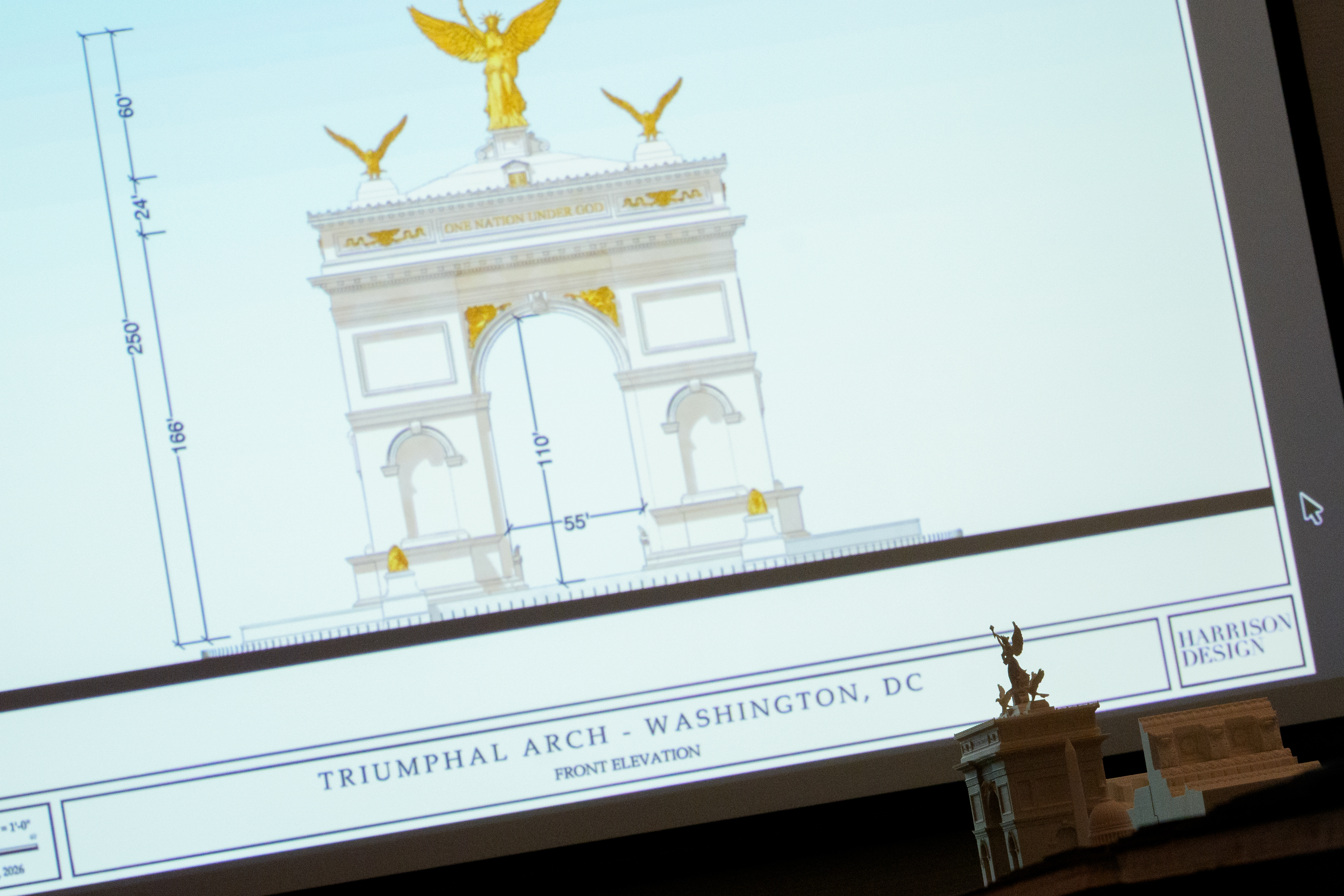
The proposed structure would stand 250 feet tall near Memorial Circle, between the Lincoln Memorial and Arlington National Cemetery.
The Commission of Fine Arts has approved the design, but the National Capital Planning Commission has not yet granted final approval.
The project has also drawn objections from preservationists and Democratic lawmakers, who argue that congressional authorization is required.
The fight now moves to court
Chutkan must decide whether the Supreme Court’s standing ruling applies to the arch challenge.
The government says the plaintiffs’ objections to the monument’s symbolism and their desire to view nearby landmarks do not establish sufficient injury.
The administration has separately argued that Congress authorized a structure at the site more than a century ago, while opponents say that authorization concerned Arlington Memorial Bridge and did not approve Trump’s proposed arch.
The proposed arch would permanently alter one of Washington’s most prominent historic landscapes, making the court’s decision relevant beyond the construction site itself.