Trump's border czar Tom Homan concludes 'Operation Metro Surge' in Minneapolis
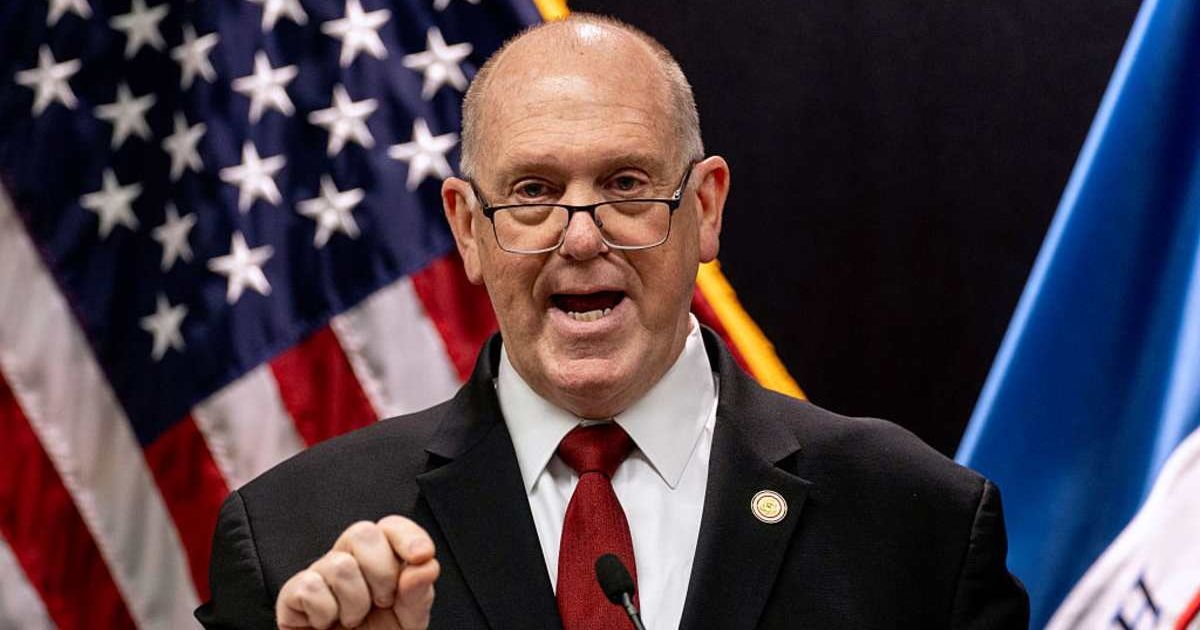
.@RealTomHoman in MN: "With that success that has been made arresting public safety threats and... unprecedented levels of coordination we have obtained from state officials & local law enforcement, I have proposed, and @POTUS has concurred, that this surge operation conclude." pic.twitter.com/arbE90D2s1
— Rapid Response 47 (@RapidResponse47) February 12, 2026
MINNEAPOLIS, MINNESOTA: The Trump administration announced on Thursday, February 12, that its months-long immigration enforcement surge in Minneapolis will soon conclude. White House border czar Tom Homan said that he recommended ending the operation and President Donald Trump agreed.
The federal initiative, known as 'Operation Metro Surge', deployed thousands of immigration officers to Minnesota and sparked nationwide protests after two US citizens were fatally shot during enforcement actions. A significant drawdown of federal personnel is now underway.
Tom Homan claims immigration surge met its objectives
Speaking at a news conference, Homan said that the surge operation had met its objectives and improved coordination between federal, state and local officials.
“I have proposed, and President Trump has concurred, that this surge operation conclude,” Homan said.
'Operation Metro Surge' began on November 29, 2025, when more than 3,000 federal immigration authorities were deployed to Minneapolis.
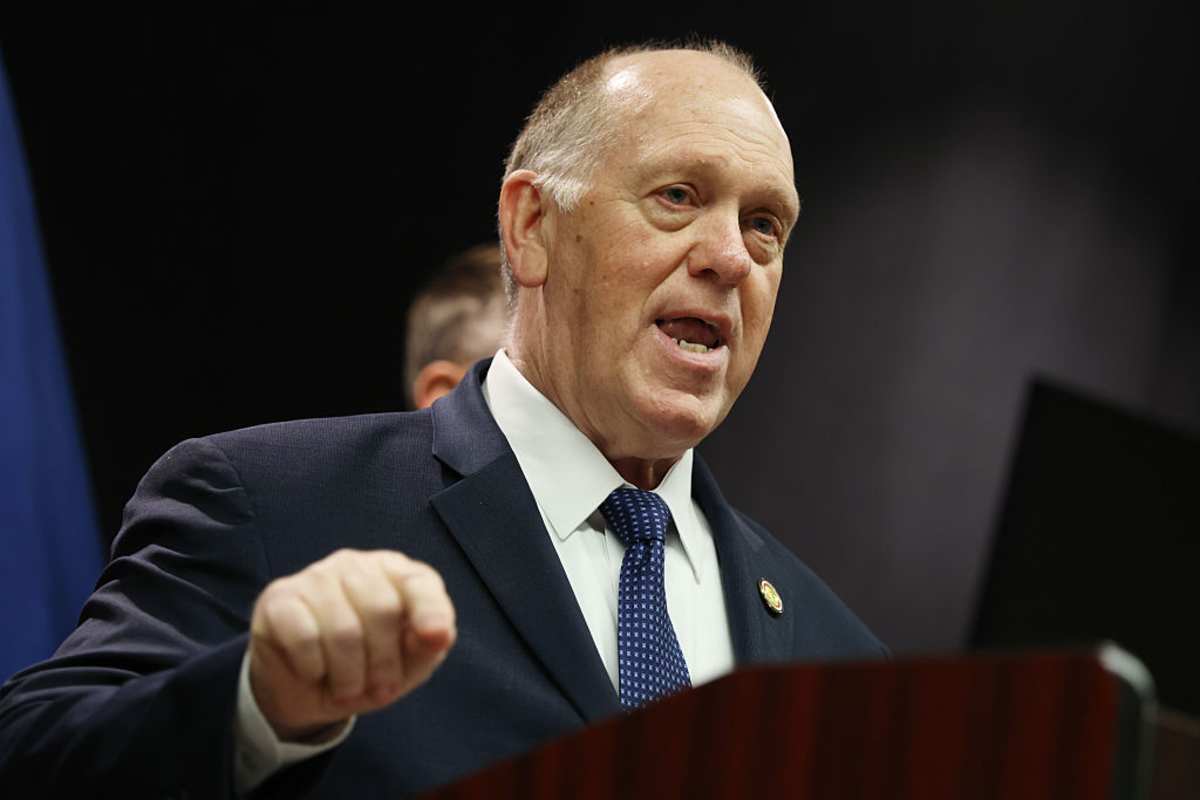
Prior to the operation, Homan said that roughly 150 federal immigration officers were stationed in the city, which has a population of about 250,000 and a police force of approximately 600 officers.
Homan said that “a significant drawdown” has already begun and will continue into next week. He added that he will remain in Minneapolis “for a little longer” to oversee the transition, but clarified that not all federal officers would be removed.
He said that immigration enforcement efforts would continue and emphasized, “If you’re in this country illegally, you’re not off the table.”
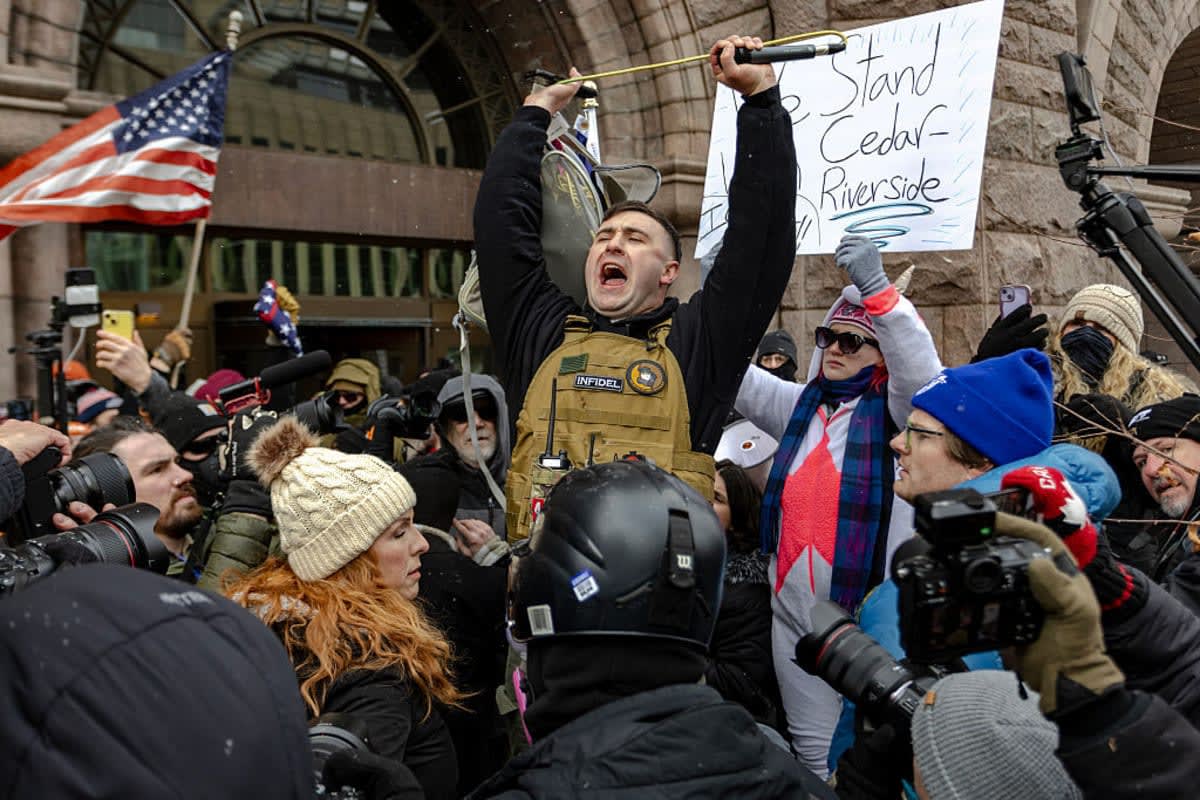
Homan said that improved coordination with Minnesota county jails contributed to the decision to scale back the operation, making it easier for federal authorities to apprehend individuals in custody.
He also noted meetings with Governor Tim Walz, Minneapolis Mayor Jacob Frey and Attorney General Keith Ellison, stating that they shared the goal of “ensuring and maintaining public safety,” despite policy differences.
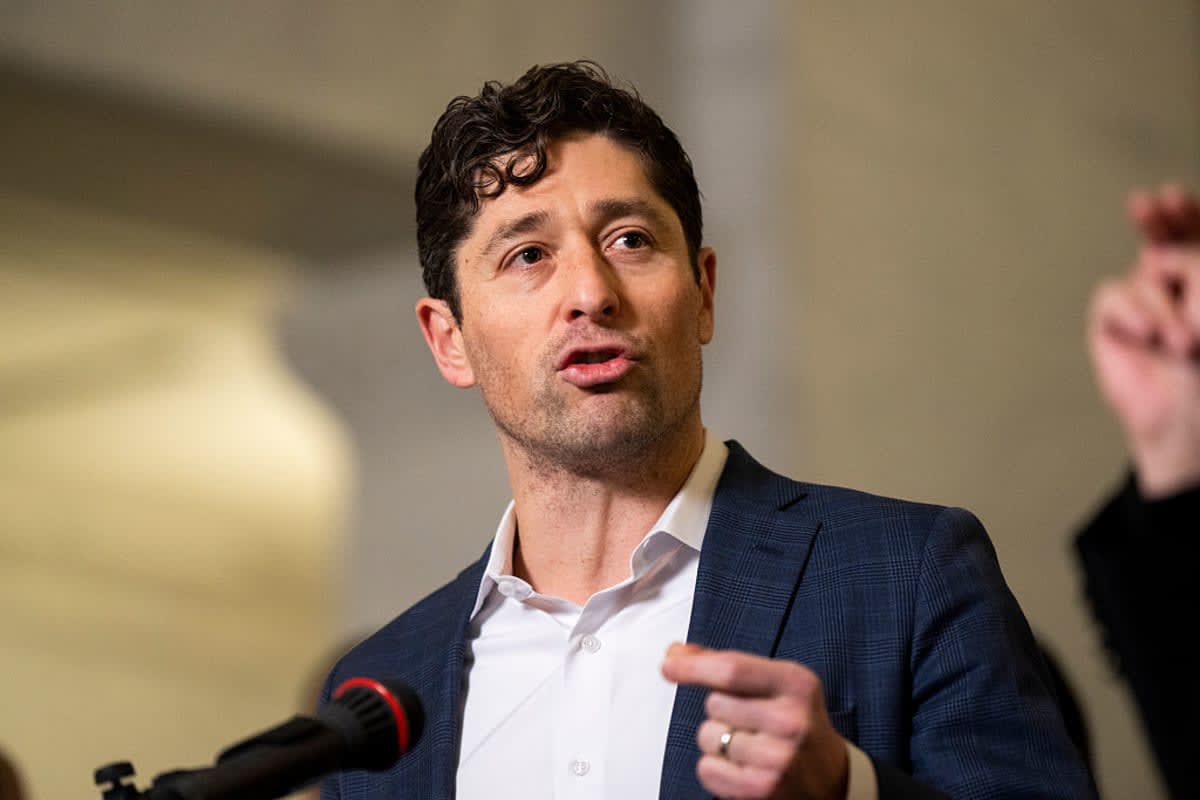
“As a result of our efforts here, Minnesota is not less of a sanctuary state for criminals,” Homan said.
“We are proud of the public safety threats we have removed from the criminal aims of this state. As I said in my first press conference a couple weeks ago, President Trump didn’t send me here because the operations were being run and conducted perfectly. I came here to identify issues and implement solutions to improve our mission execution,” he stated.
Fatal shootings and their political fallout
The announcement came after immigration authorities shot and killed two citizens during the crackdown, sparking protests nationwide and drawing criticism from lawmakers across party lines.
On January 7, Renee Nicole Good, a 37-year-old mother of three, was fatally shot by an immigration agent after authorities surrounded her minivan.
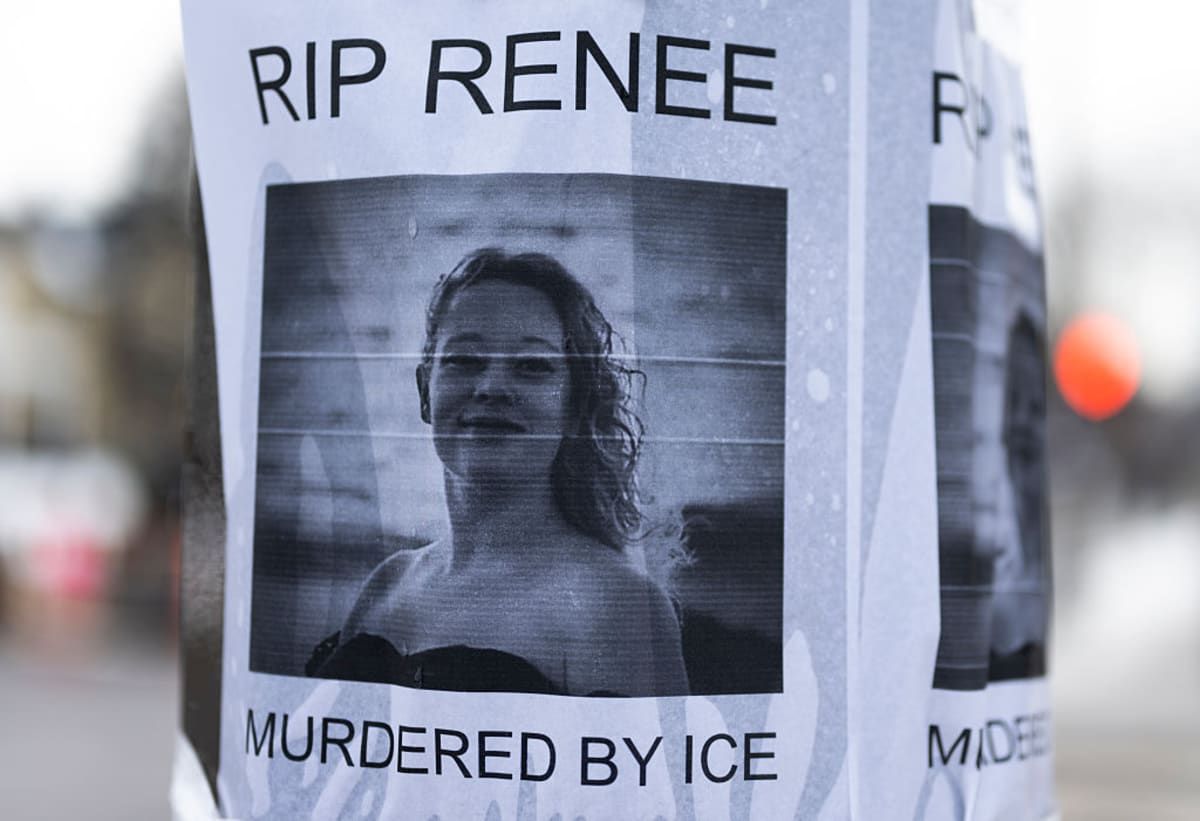
Administration officials said that the agent feared for his safety as Good maneuvered the vehicle, while her family disputed that account.
On January 24, Alex Pretti, a 37-year-old ICU nurse who worked with veterans, was fatally shot while filming agents’ activities during an enforcement action.
His death intensified calls for accountability and for the resignation of Homeland Security Secretary Kristi Noem and Border Patrol commander Gregory Bovino.
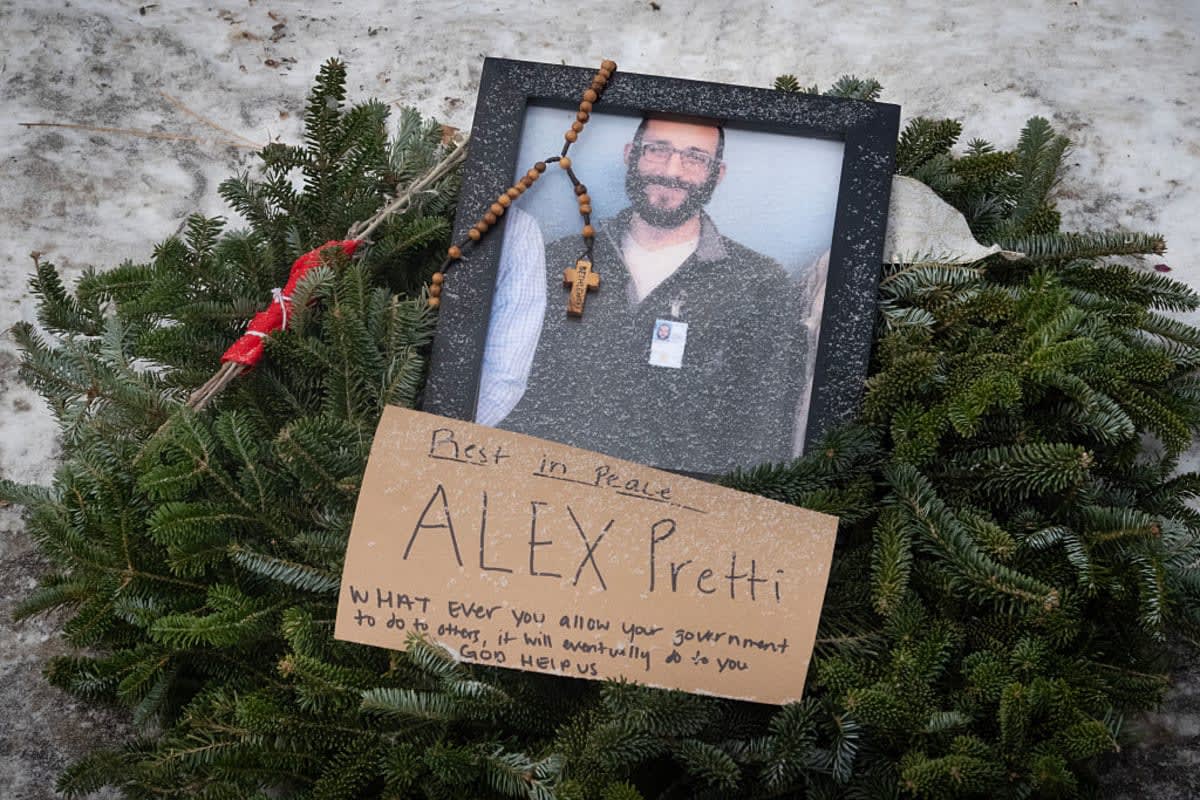
In the days following Pretti’s killing, officials announced an initial drawdown of 700 agents. Bovino was removed from his role as commander-at-large and reassigned to El Centro, California.
Homan subsequently took control of the operation and said adjustments were needed.