Trump’s Iran deal hits major roadblock as Tehran rejects key US nuclear demand
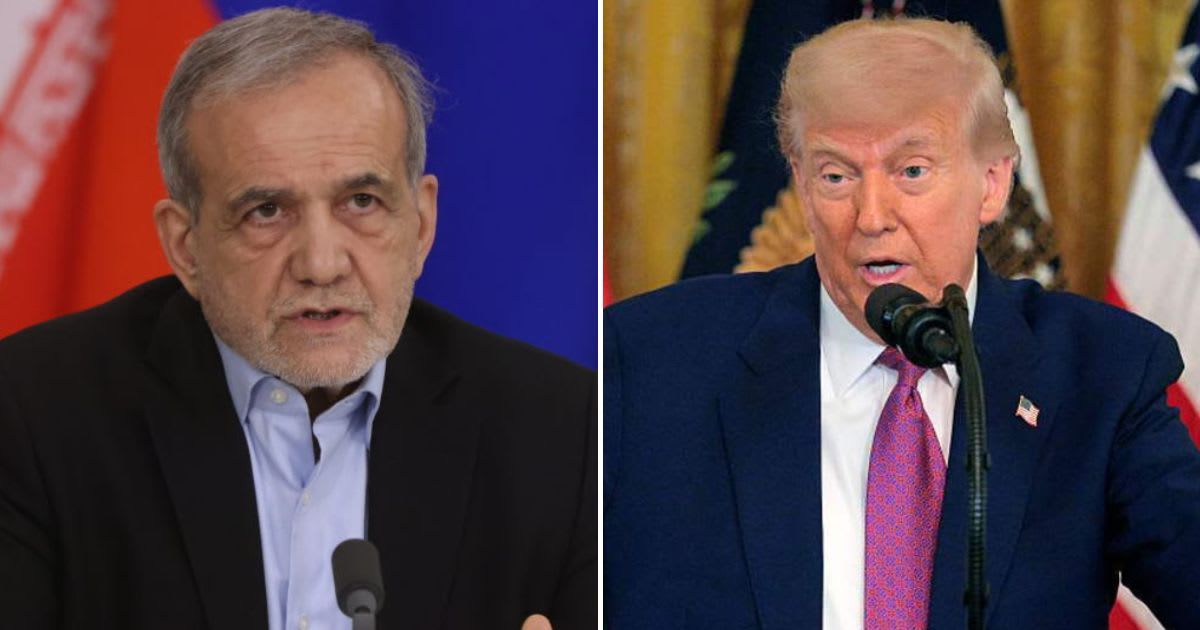
BÜRGENSTOCK, SWITZERLAND: President Donald Trump's newly signed 14-point memorandum of understanding (MOU) faces an existential crisis just days after its execution, as Iranian President Masoud Pezeshkian flatly rejected foundational American demands to permanently dismantle Tehran's domestic fuel enrichment infrastructure.
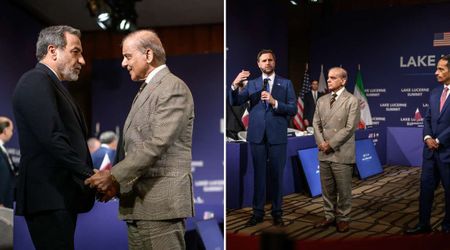
The explosive diplomatic stand-off unfolded during the opening round of face-to-face negotiations at the Bürgenstock alpine resort, where senior envoys are attempting to translate a fragile 60-day ceasefire into a legally binding non-proliferation treaty.
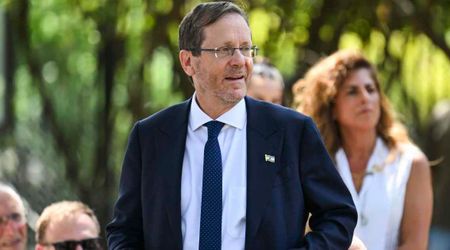
Iranian President Masoud Pezeshkian said Iran will not give up its right to uranium enrichment and that the U.S. will ultimately have to accept it. pic.twitter.com/9kZ3nM68bX
— Breaking911 (@Breaking911) June 21, 2026
The sudden nuclear impasse has exposed severe structural fault lines within the highly touted accord, which was brokered via Pakistani and Qatari mediation to halt the intensive 100-day war. While Vice President JD Vance arrived at the Lake Lucerne summit insisting that previous kinetic strikes had already neutralized Iran's long-term atomic ambitions, Pezeshkian issued a defiant, televised decree from Tehran that effectively rewrote the parameters of the talks.
The uncompromising rhetoric has severely inflamed domestic political skepticism in Washington, casting deep uncertainty over whether the preliminary bridge can survive its first week of implementation.
Tehran claims sovereign right to enrich fuel
"What is certain is that we will never back down from the right to enrich uranium, and the other side is also forced to accept it," Pezeshkian announced via state media networks, explicitly ruling out a core American restriction.
He maintained that while Iran remains prepared to provide written guarantees that it will not construct an active nuclear device, it will never compromise on sovereign industrial processing.
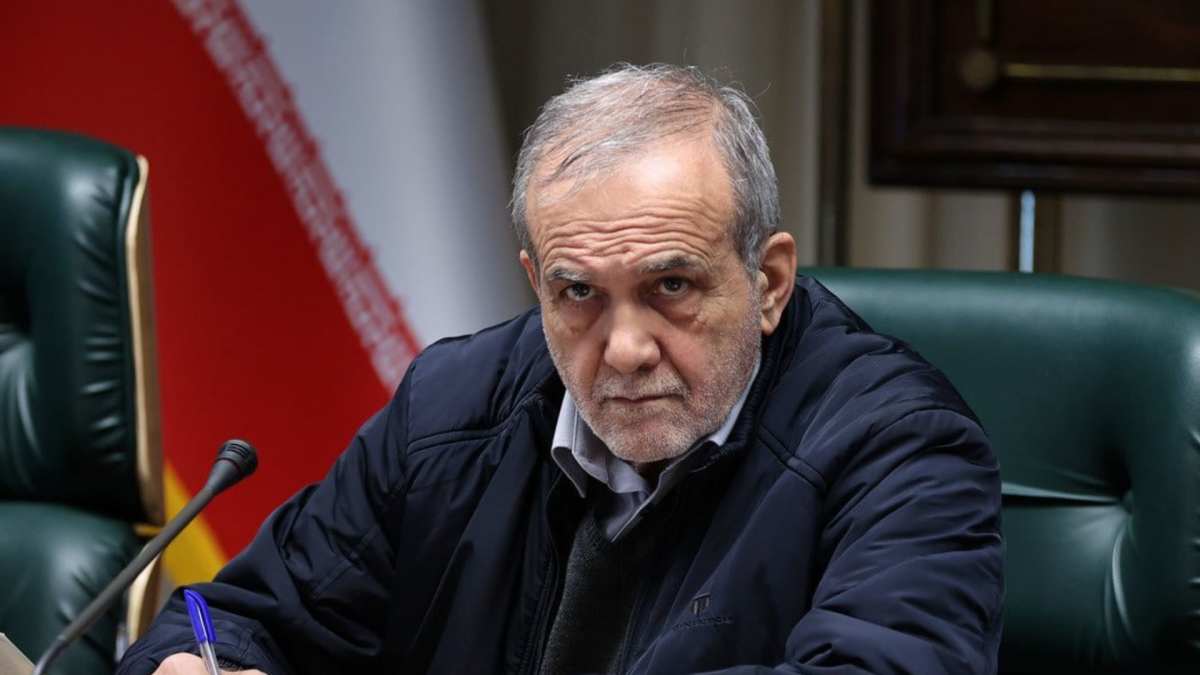
The hardline declaration directly breaches an absolute red line established by the White House, which has consistently demanded that Iran forfeit all enriched stockpiles as a prerequisite for permanent economic normalization.
While the Islamic Republic continues to label its program as strictly peaceful, its current enrichment purity levels remain significantly elevated beyond standard commercial or medical baselines, triggering severe alarm among Western technical monitoring teams.
National security team harbors deep verification doubts
The public standoff is intensifying deep rifts within Trump's own national security apparatus back in Washington. Multiple intelligence sources confirm that senior cabinet officials remain profoundly doubtful that the regime possesses any authentic intent to honor its underlying disarmament commitments, pointing to a multi-decade pattern of procedural evasion.
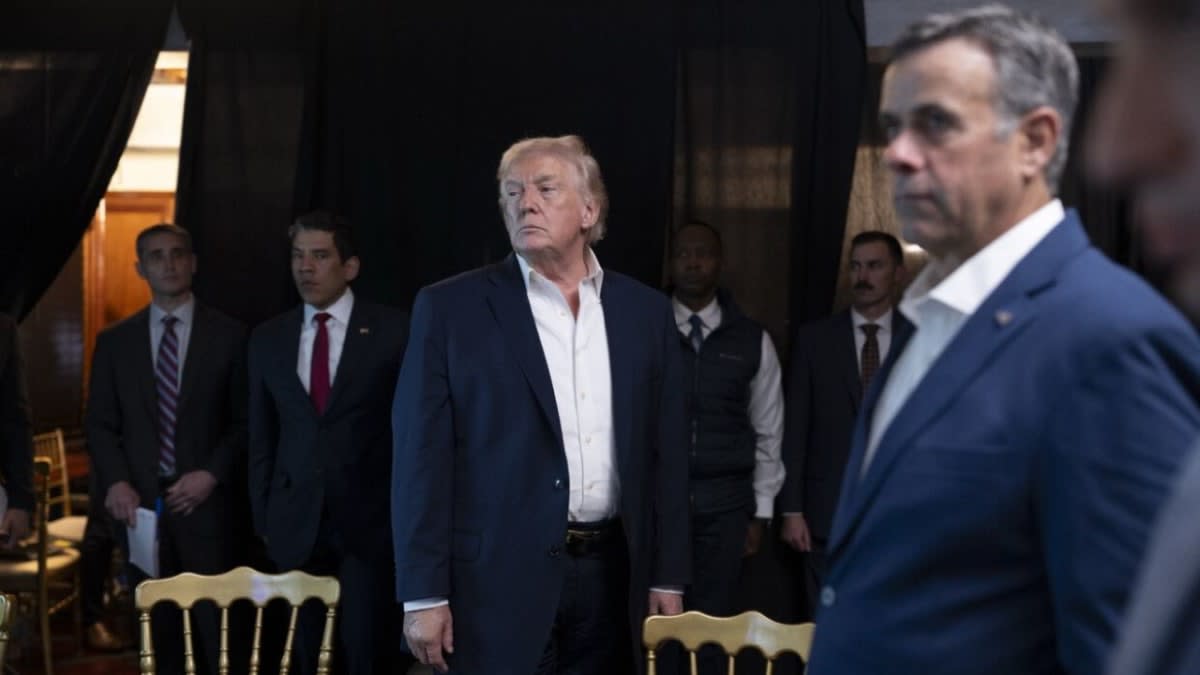
Secretary of State Marco Rubio has privately voiced immense skepticism regarding the stability of the framework, even as he attempts to preserve open lines of communication.
Concurrently, CIA Director John Ratcliffe has formally briefed the president on classified surveillance telemetry that reveals significant, immediate inconsistencies between Iran's active domestic nuclear operations and the verbal parameters asserted during the preliminary memorandum negotiations.
Front-loaded economic waivers face legislative freeze
The brewing compliance crisis has heavily weaponized congressional opposition, with hawkish lawmakers demanding an immediate freeze on all front-loaded economic incentives.
Bipartisan critics are targeting a specific clause within the text that grants Tehran immediate access to a restricted $6 billion account in Qatar alongside immediate maritime oil export waivers.

With the first round of technical talks already deteriorating over verification protocols and the Iranian delegation systematically rejecting symbolic joint handshakes, the administration's Middle East realignment is rapidly losing momentum.
By insisting that Washington will be forced to accept a nuclear-capable state apparatus, Pezeshkian has successfully cornered White House negotiators, leaving the entire post-conflict framework exposed to an immediate legislative or military collapse.