Trump’s Iran peace talks depend on secret 'couriers' reaching hidden Mojtaba Khamenei, expert says
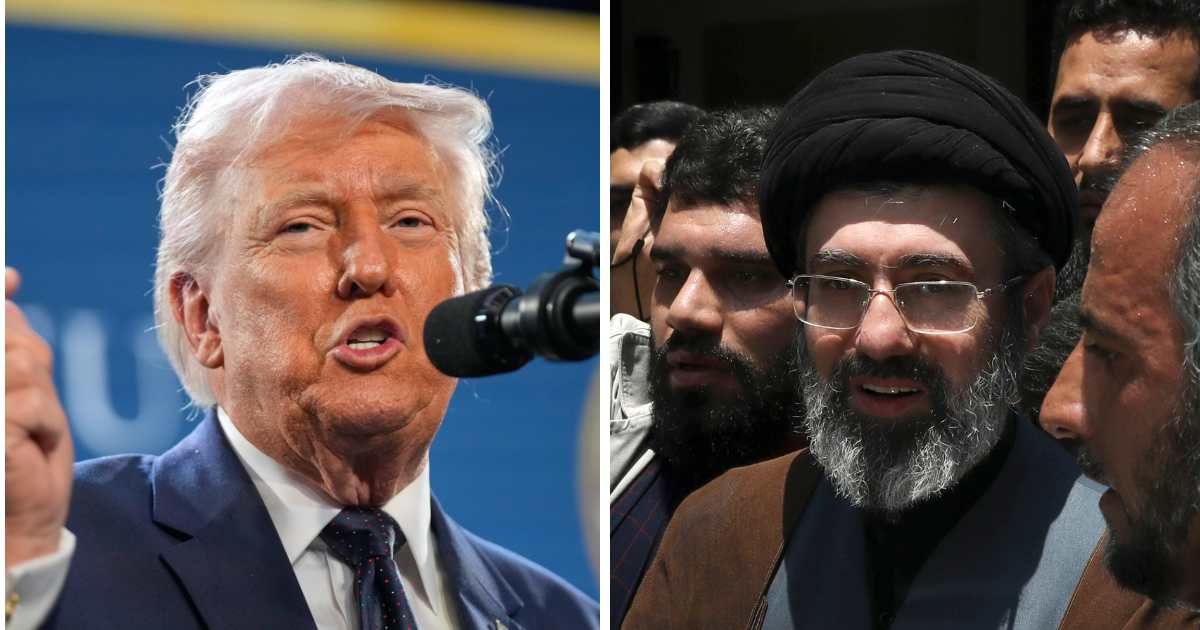
WASHINGTON, DC: President Donald Trump’s push for a peace deal with Iran may depend on an extraordinary backchannel system involving covert couriers relaying messages to Iran’s hidden supreme leader, Mojtaba Khamenei, according to experts.
The unusual arrangement has reportedly complicated ongoing negotiations between Washington and Tehran, with US officials acknowledging delays in receiving responses from the Iranian side as diplomatic efforts continue following months of conflict.
Experts told Fox News that Mojtaba, who allegedly went into hiding after a February 28 strike killed his father, former supreme leader Ayatollah Ali Khamenei, has become effectively unreachable through conventional diplomatic channels.
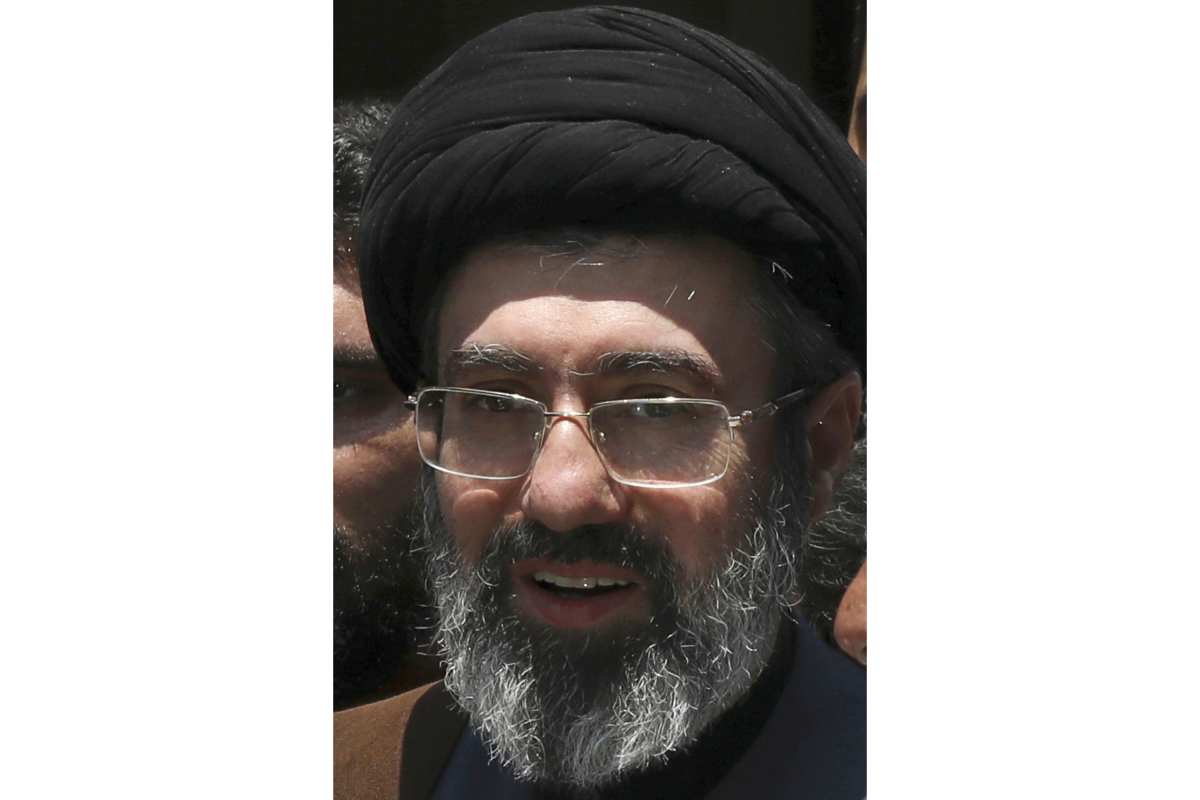
Secret couriers complicate Trump-Iran peace negotiations
Dr Omar Mohammed, director of the Antisemitism Research Initiative Program on Extremism at George Washington University, claimed any future agreement would rely on messages routed through secret courier systems because Khamenei remains a “designated target.”
“Khamenei is a designated target, and every confirmed sighting is a coordinate,” Mohammed told the outlet.
“The courier system used for messaging is not transitional. It is the operating system of his rule,” he added.
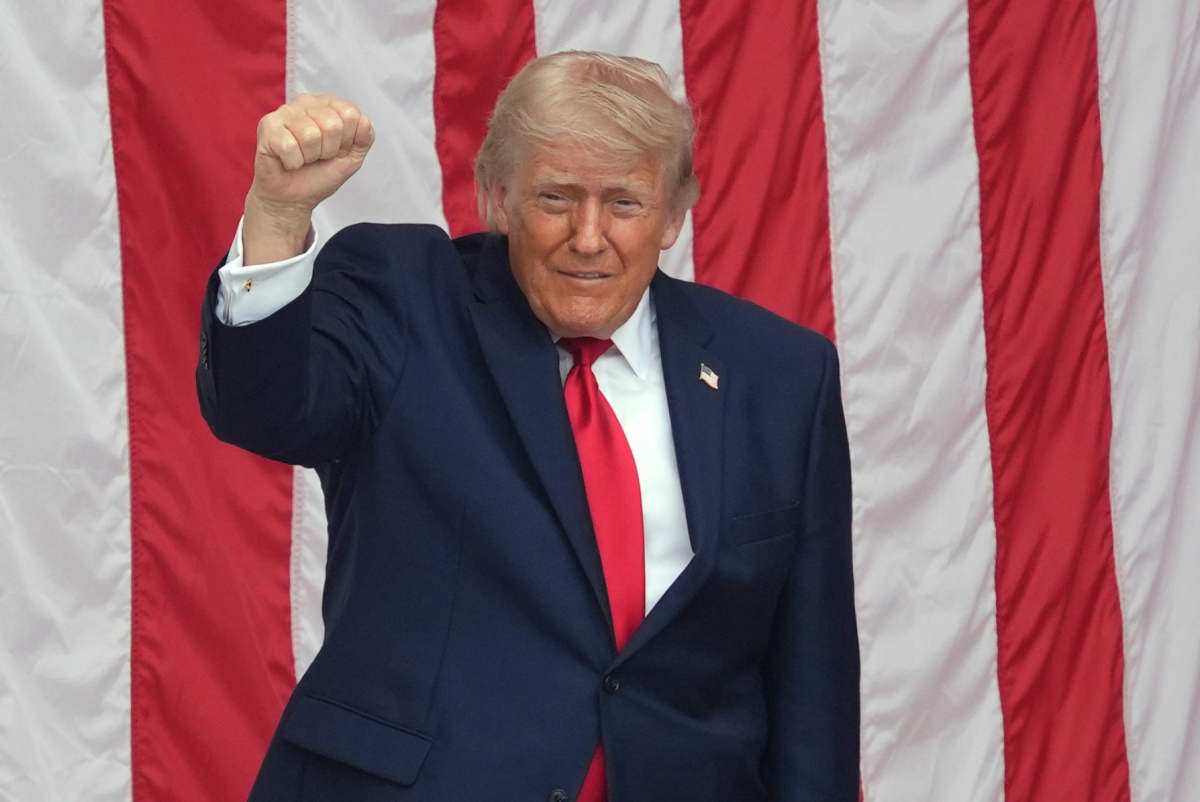
According to Mohammed, the setup creates an unprecedented diplomatic situation in which the United States could be negotiating with a leader who cannot publicly appear or directly participate in talks.
“Any deal the United States signs will have to be designed for a permanently invisible counterparty whose enforcement depends on his continued survival,” Mohammed said.
Marco Rubio acknowledges delays in Iran peace negotiations
The issue surfaced publicly after Secretary of State Marco Rubio addressed delays surrounding negotiations.
“It’s just the response,” Rubio said. “I mean, when you get down on some of these things, you’ve got to hear back, and it takes the Iranians a little while longer to get back.”
Mohammed argued Rubio’s remarks effectively confirmed the communication bottleneck.
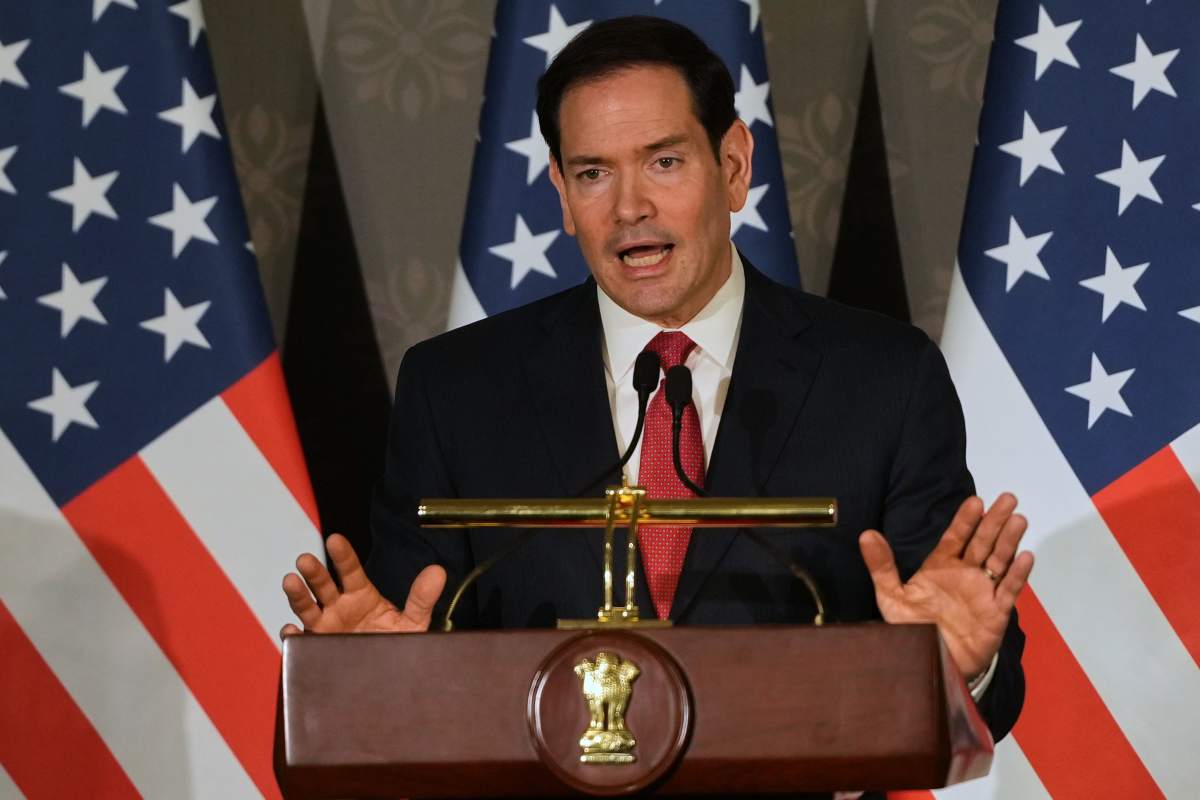
“That is Secretary Rubio confirming the courier latency on the record,” Mohammed said. “Rubio is describing a structural feature of negotiating with a supreme leader no one can locate.”
He further claimed senior Iranian officials themselves may not know Khamenei’s whereabouts, making the process slower and more unpredictable. “Mojtaba is in hiding, messages are moving by courier, and responses are arriving days late,” Mohammed said.
The remarks come as the Trump administration continues negotiations aimed at ending the conflict that erupted on February 28. Rubio said the administration was willing to continue discussions but stressed that Washington would only accept favorable terms.
“If there’s going to be a deal, we’re going to have to work through that. But this is, you know, it’s either going to be a good deal or there isn’t going to be one,” Rubio said.
Mohammed said the broader challenge for Washington extends beyond simply reaching a framework.
“The real question for Washington is not how fast the framework can be signed,” he said. “It is also what enforcement looks like when the counterparty’s signature comes through a courier.”