US B‑2 bombers previously struck Iran’s nuclear facilities as Trump weighs post‑regime change strategy
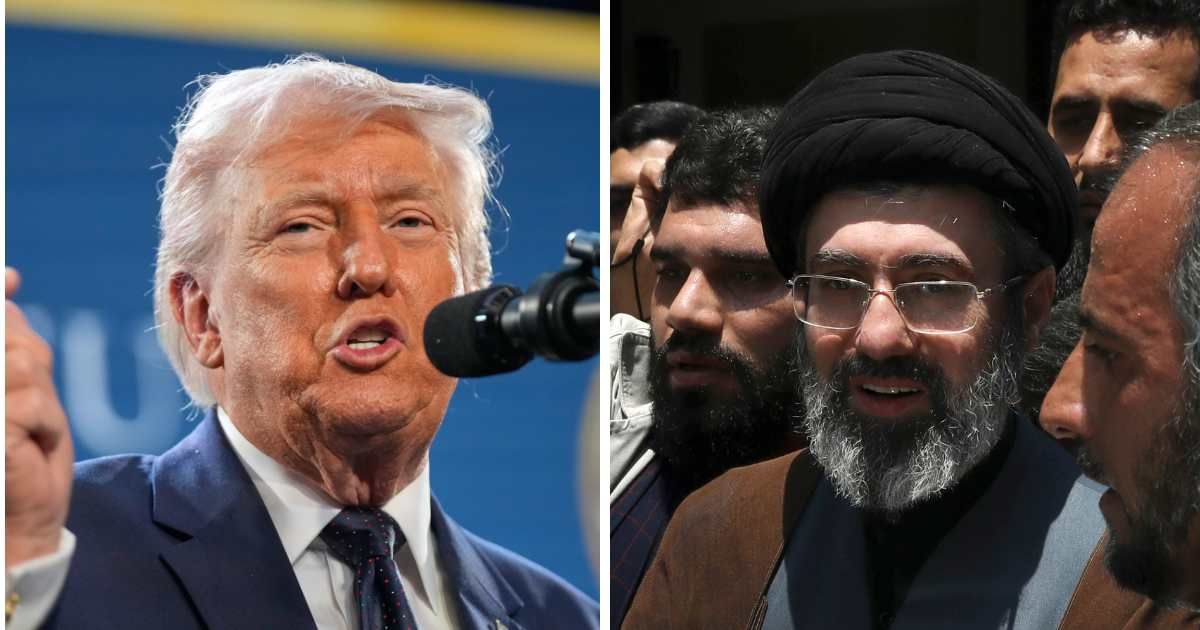
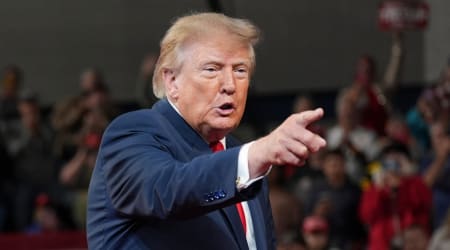
WASHINGTON, DC: President Donald J. Trump on Wednesday, April 8, outlined what he described as a “very productive” shift in the Iran conflict, stating that the United States is now coordinating with new leadership in Tehran on efforts to dismantle the country’s nuclear infrastructure.
The announcement follows recent developments after the expiration of the administration’s deadline tied to the Strait of Hormuz.
In public remarks, Trump said the US is working “closely” with Iranian counterparts to locate and remove nuclear materials from facilities previously targeted in military operations.
He indicated that some of these materials remain in deeply buried sites that were not fully neutralized during earlier strikes.
The President also said US military and intelligence assets have maintained continuous monitoring of these locations since the initial attacks.
No independent confirmation of a leadership transition in Iran or a formal agreement has been released by US or Iranian officials.
Space Force maintains ‘Exacting’ satellite surveillance
Trump stated that US Space Force systems are conducting ongoing satellite surveillance over Iranian nuclear sites as part of the verification process.
According to the President, the monitoring is intended to ensure that materials at these locations have not been moved or altered.
The use of satellite-based oversight reflects a reliance on remote verification rather than traditional on-site inspections.
US officials have not disclosed operational details, but such systems typically provide real-time imaging and tracking capabilities across multiple regions.
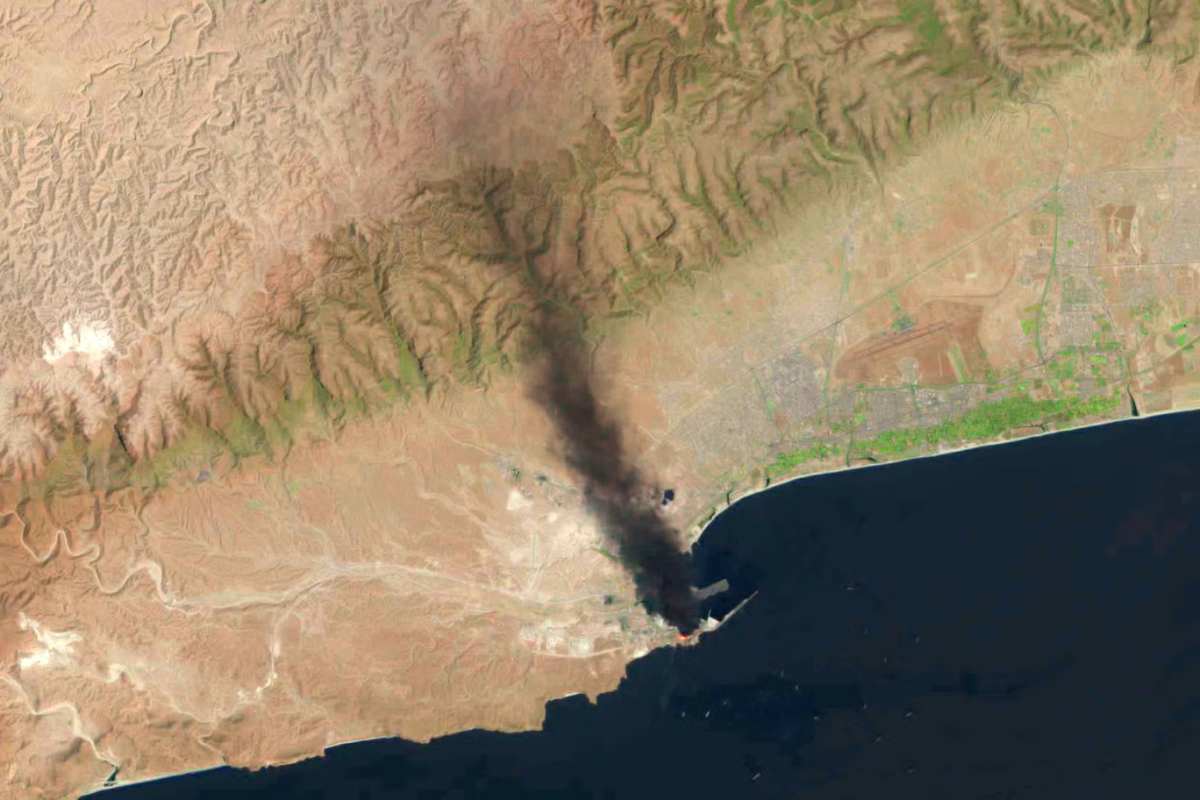
The President said the surveillance effort is focused on maintaining visibility over “sensitive locations” while extraction plans are being developed. Defense officials have not publicly detailed the scope or duration of this monitoring.
Fifteen points agreed for sanctions relief
Trump also referenced progress on a broader framework involving sanctions and trade measures.
He said that “many of the 15 points” of a proposed agreement have been accepted, though no formal document has been released.
According to the President, discussions include potential tariff and sanctions relief tied to compliance with the dismantling of nuclear capabilities. The administration has previously used economic measures as leverage in negotiations with Iran.
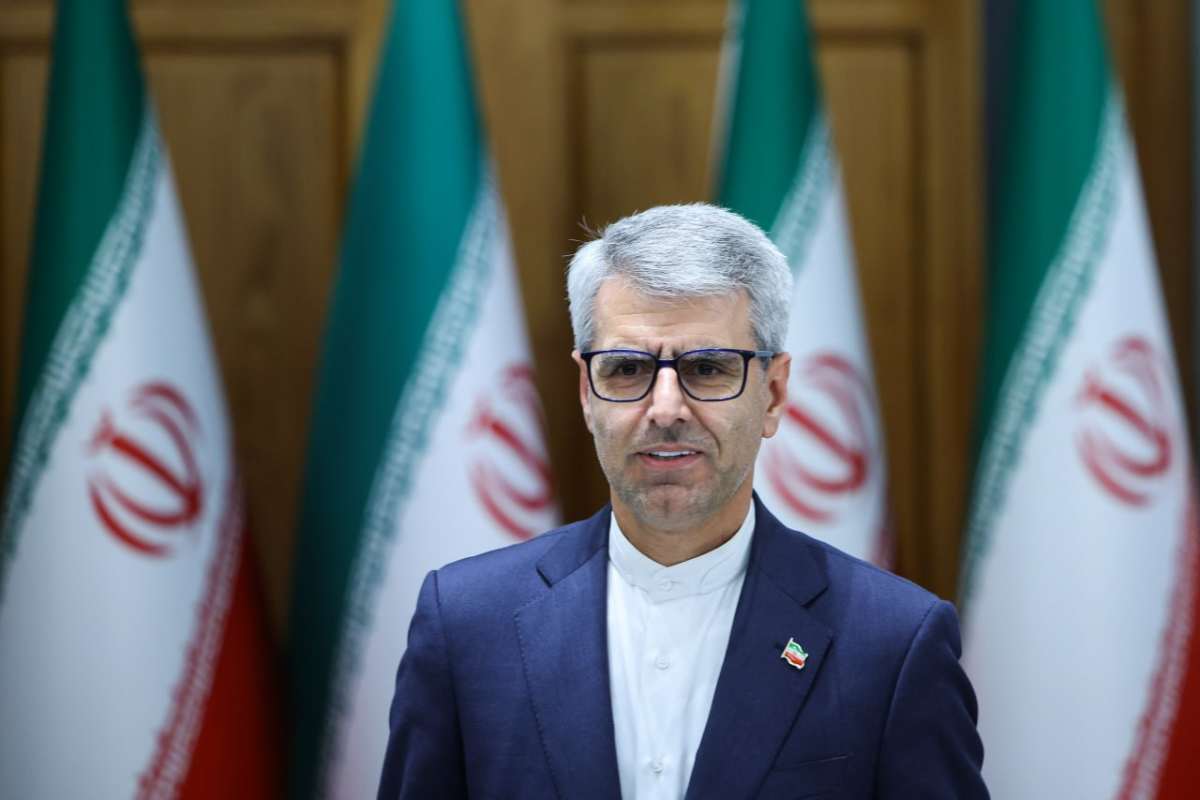
US officials have not confirmed the full list of terms or whether negotiations are ongoing through direct or indirect channels. Iranian authorities have also not publicly acknowledged any agreement on sanctions relief.
B-2 Bombers to extract buried ‘Nuclear Dust’
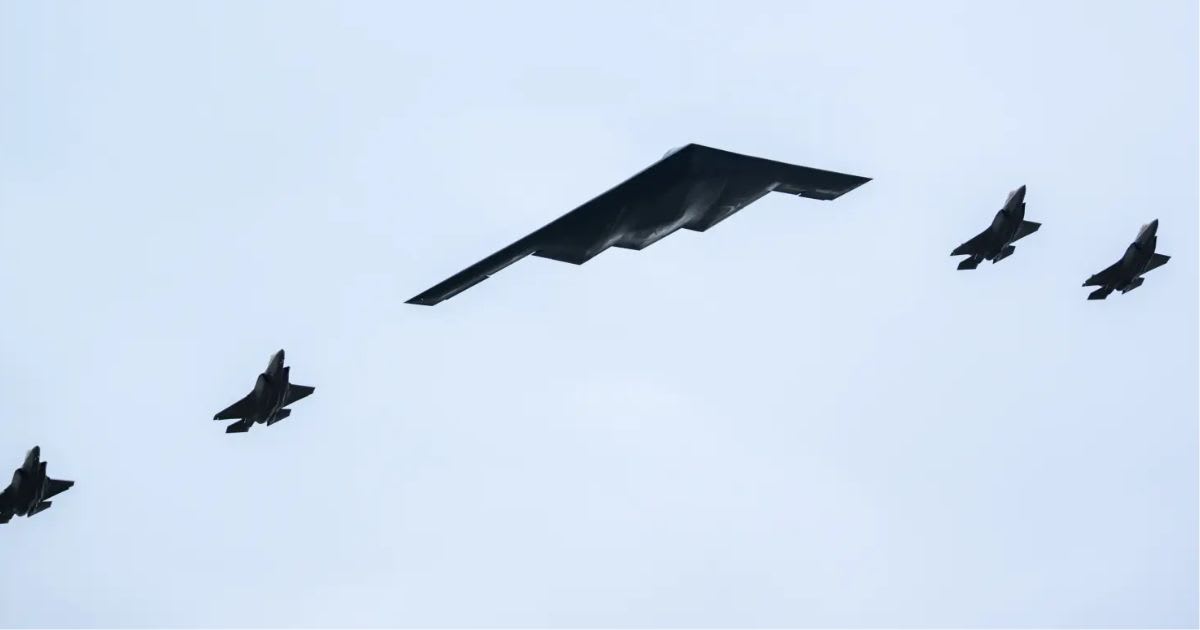
In outlining the next phase of operations, Trump said B-2 bombers could be used in missions aimed at accessing deeply buried nuclear sites.
He described these operations as focused on reaching materials that remain underground following earlier strikes.
The President referred to these materials as “nuclear dust” and said efforts would involve removing or neutralizing them.
Defense experts note that B-2 aircraft are capable of deploying specialized munitions designed for hardened or underground targets.
Trump also stated that US monitoring indicates that materials at these sites have remained undisturbed since the initial strikes. Officials have not released independent verification of that claim.