Iran’s Supreme Leader Mojtaba Khamenei unconscious, ‘unable to make any decisions’: Report
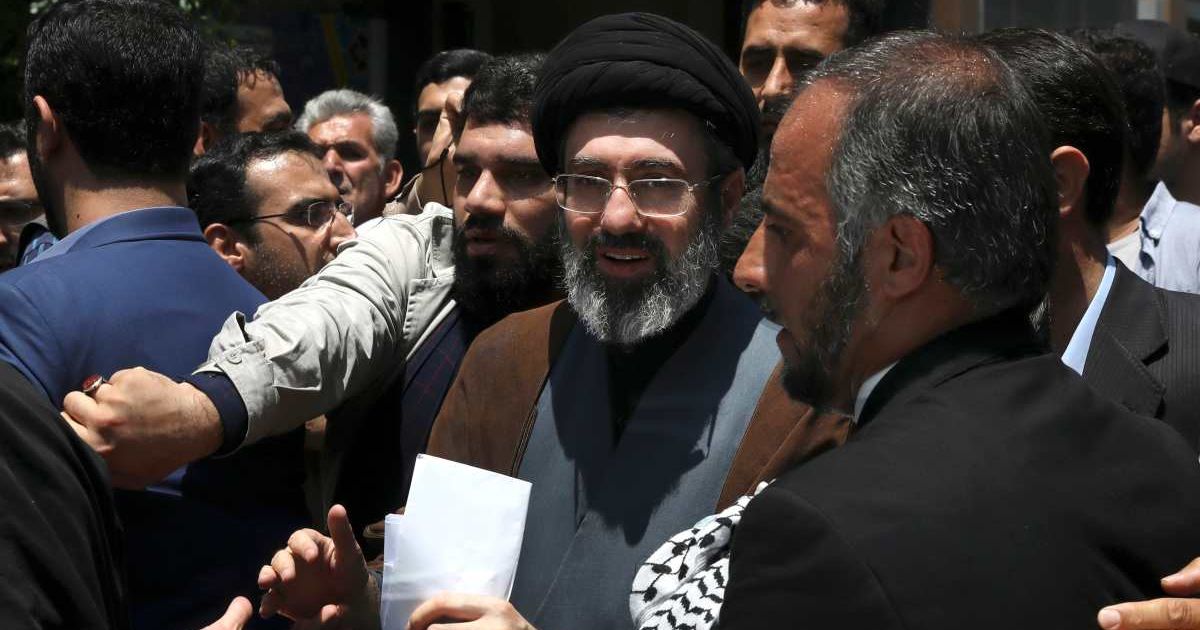
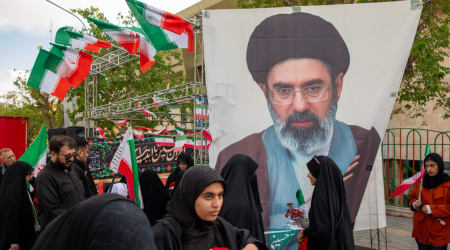
TEHRAN, IRAN: Fresh concerns have emerged around Iran’s leadership after reports claimed Supreme Leader Mojtaba Khamenei is no longer capable of governing.
According to an intelligence assessment reviewed on Tuesday, April 7, Khamenei is allegedly incapacitated and undergoing treatment, raising serious questions about stability at the top amid rising geopolitical tensions.
🇮🇷 Mojtaba Khamenei is reportedly unconscious and unable to run the country.
— Josh Harrington (@MADVETERANTALK) April 7, 2026
The assessment is based on American and Israeli intelligence and says he is being treated for a severe medical condition in Qom.
He has not been seen in public since taking over from his assassinated… pic.twitter.com/I3JTf2aOQR
Intel report claims Mojtaba Khamenei is incapacitated and unconscious
A diplomatic memo reviewed by The Times has painted a troubling picture of Iran’s current leadership.
The report, said to be based on both American and Israeli intelligence inputs, claims that Mojtaba Khamenei is “incapacitated” and unable to perform his duties as the country’s supreme leader.
According to the assessment, Khamenei is currently receiving medical care in the holy city of Qom.
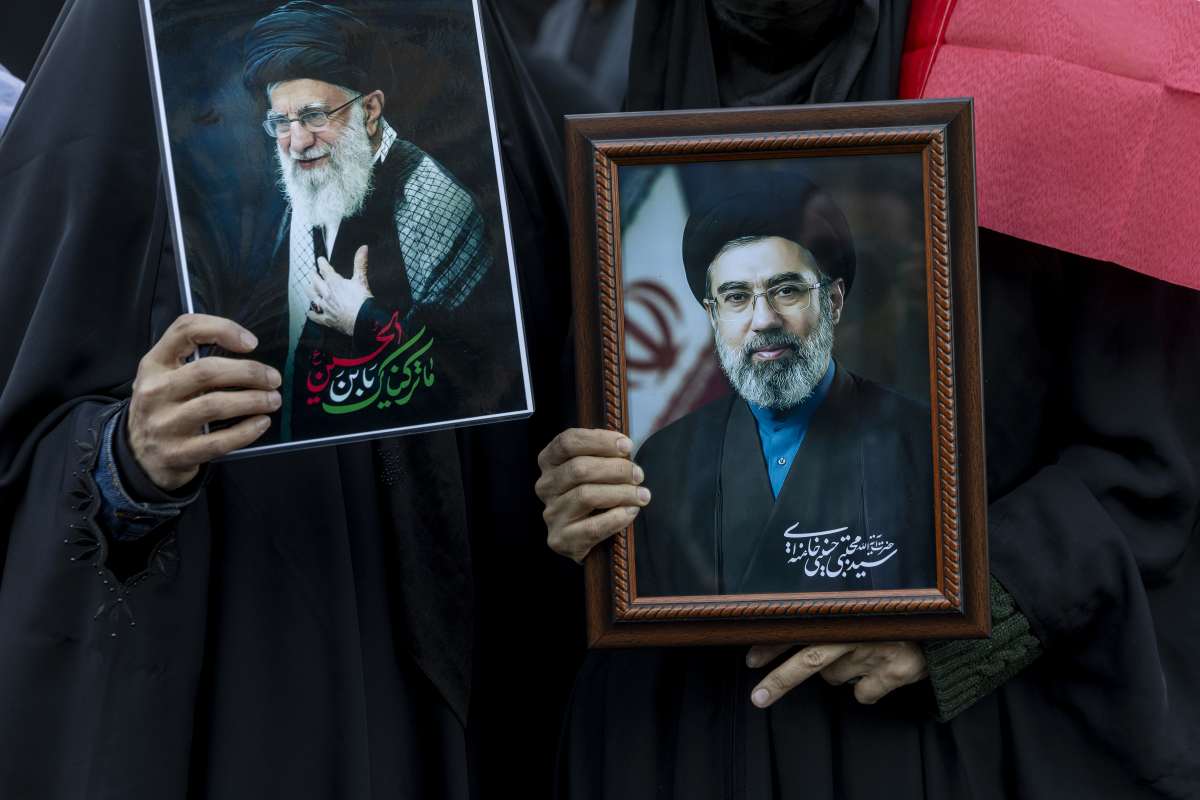
The situation appears more serious than initially thought, with the report further stating that he is unconscious and being treated for a “severe” medical condition.
While there has been no official confirmation from Iranian authorities, the claims have quickly drawn global attention, especially given the timing and the fragile situation in the region.
Qom, located roughly 90 miles from Tehran, holds deep religious significance and is considered a sacred center for Shia Muslims.
The choice of location for treatment has added another layer of intrigue to the unfolding developments.
Leadership uncertainty grows as tensions escalate
The reported condition of Mojtaba Khamenei comes at a time when Iran is already facing heightened tensions on the global stage.
The developments come on the same day that US President Donald Trump issued a dramatic warning directed at Iran.
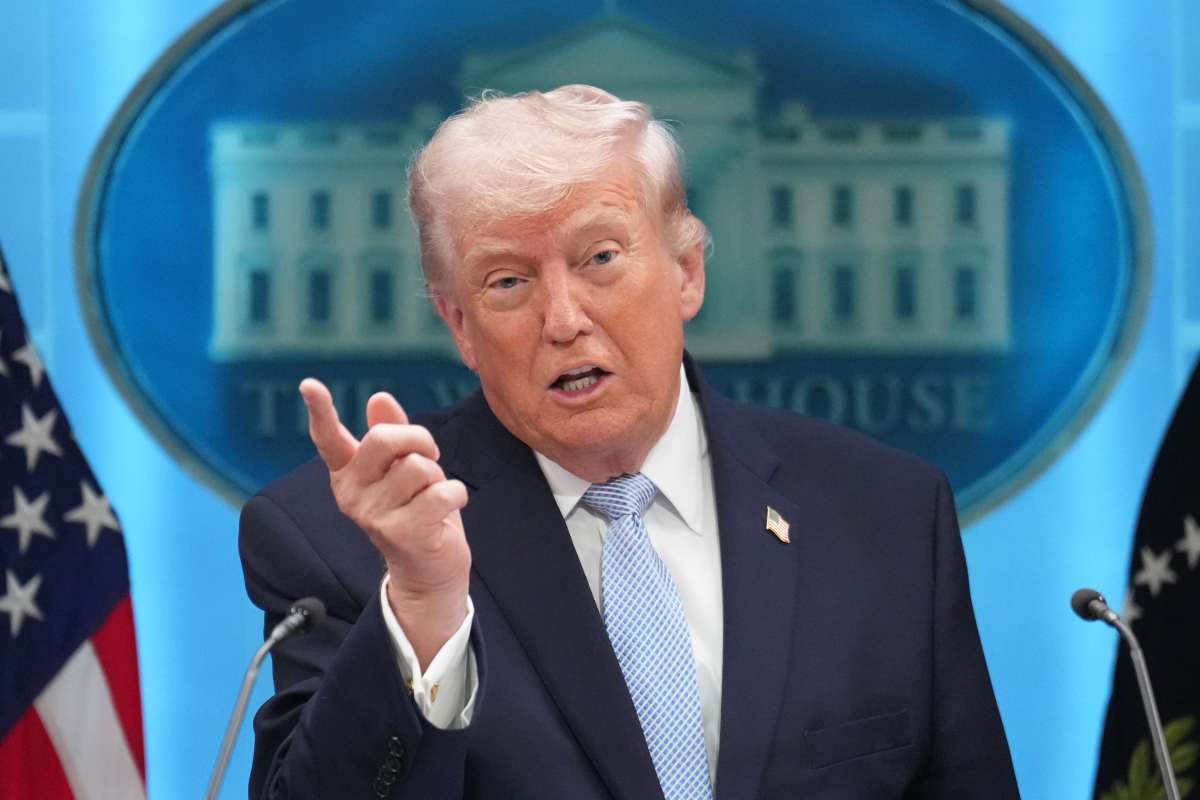
Taking to Truth Social, Trump wrote, “A whole civilization will die tonight, never to be brought back again,” as he set an 8 p.m. EDT deadline for Iran to reopen the Strait of Hormuz.
A whole civilization will die tonight, never to be brought back again. I don’t want that to happen, but it probably will. However, now that we have Complete and Total Regime Change, where different, smarter, and less radicalized minds prevail, maybe something revolutionarily…
— Commentary: Trump Truth Social Posts On X (@TrumpTruthOnX) April 7, 2026
He added, “I don’t want that to happen, but it probably will. However, now that we have Complete and Total Regime Change, where different, smarter, and less radicalized minds prevail, maybe something revolutionarily wonderful can happen, WHO KNOWS?”
Trump further described the moment as historic, writing, “We will find out tonight, one of the most important moments in the long and complex history of the World. 47 years of extortion, corruption, and death, will finally end. God Bless the Great People of Iran!”
Questions are now being raised about who is effectively in charge, especially if the claims about his inability to lead are accurate.
Two-week ceasefire pause offers brief window for diplomacy
Later on Tuesday, Trump appeared to ease immediate fears by announcing a temporary pause in planned strikes against Iran.
The decision followed discussions with Pakistani Prime Minister Shehbaz Sharif and army chief Asim Munir, who reportedly urged more time for negotiations.
🚨 President Donald J. Trump makes a statement on Iran: pic.twitter.com/9mqTayL0Q3
— The White House (@WhiteHouse) April 7, 2026
“This will be a double sided CEASEFIRE!” Trump wrote, adding that military objectives had already been met and that both sides were close to reaching a long-term agreement.
He also revealed that the US had received a “10 point proposal” from Iran, which he described as a workable basis for negotiation.
“Almost all of the various points of past contention have been agreed to between the United States and Iran,” he said, noting that the two-week pause would allow time to finalize the agreement.