US becomes world’s top oil producer amid Strait of Hormuz crisis: Report
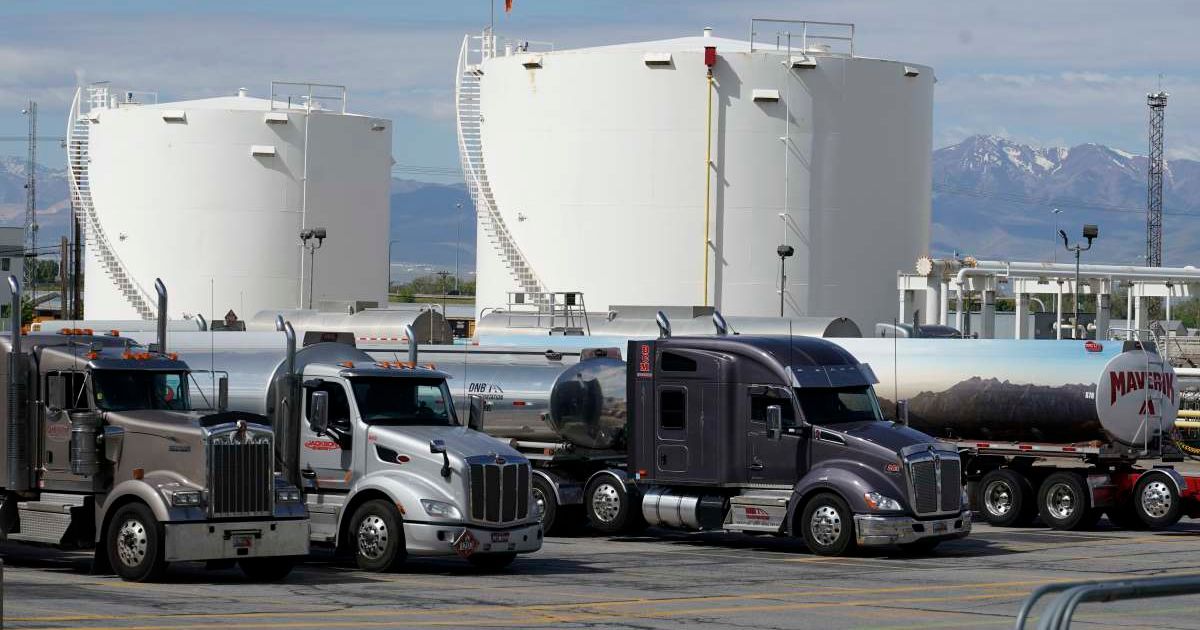
WASHINGTON, DC: Recent reports indicate that the global energy supply is shifting, with the United States becoming the world’s largest oil producer in the face of current tensions around the Strait of Hormuz.
The decision comes amid fears of Middle East disruptions pushing demand for alternative suppliers. The Strait of Hormuz, a vital route for global oil shipments, has been engulfed in geopolitical tensions and has stoked fears of supply constraints.
US production rises as global markets face uncertainty
A report by Bloomberg indicates that the United States has increased output levels, positioning itself as a leading supplier at a time when markets are looking for stability.
According to the report, the United States shipped more than 250 million barrels of crude oil from its wells and storage tanks to overseas buyers over the past nine weeks, becoming a “lifeline for global consumers.”
The report cautioned that “record American exports also come with warnings that this supply cushion is rapidly being pushed to its limits.”
“Many energy experts are questioning how long shipments can be sustained at such levels. US domestic inventories are quickly depleting, with total oil and fuel stockpiles drawing down for four straight weeks to below historical averages. Meanwhile, America’s oil producers are struggling to keep up,” Bloomberg said.
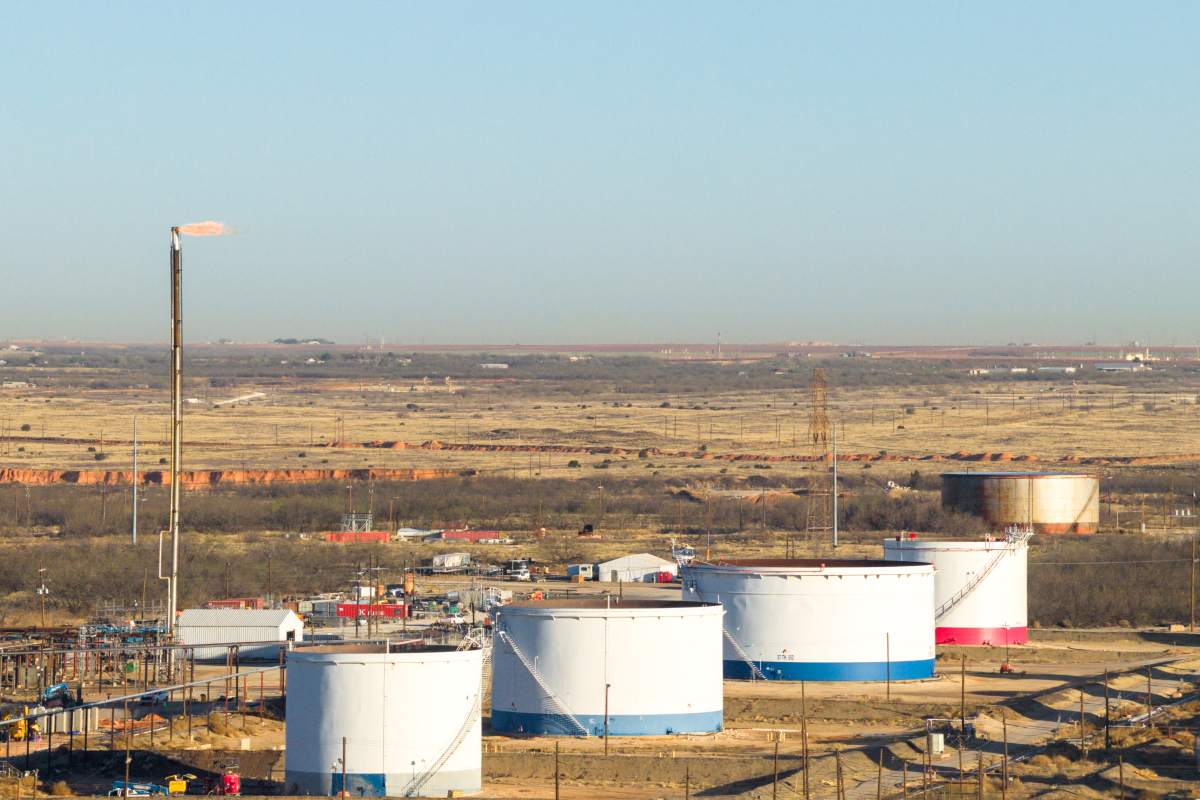
The country’s oil production capacity has allowed it to respond to shifts caused by the crisis, with exports playing a larger role in global distribution.
The situation has reinforced the role of the US as what some analysts describe as a “supplier of last resort,” stepping in when traditional supply chains face disruptions.
Increased production has helped offset concerns about reduced flows through the Strait of Hormuz, which handles a significant portion of the world’s oil trade.
Strait of Hormuz tensions highlight strategic role of energy routes
The Strait of Hormuz remains one of the most critical chokepoints for global energy, with a large share of oil shipments passing through the narrow waterway between Iran and Oman.
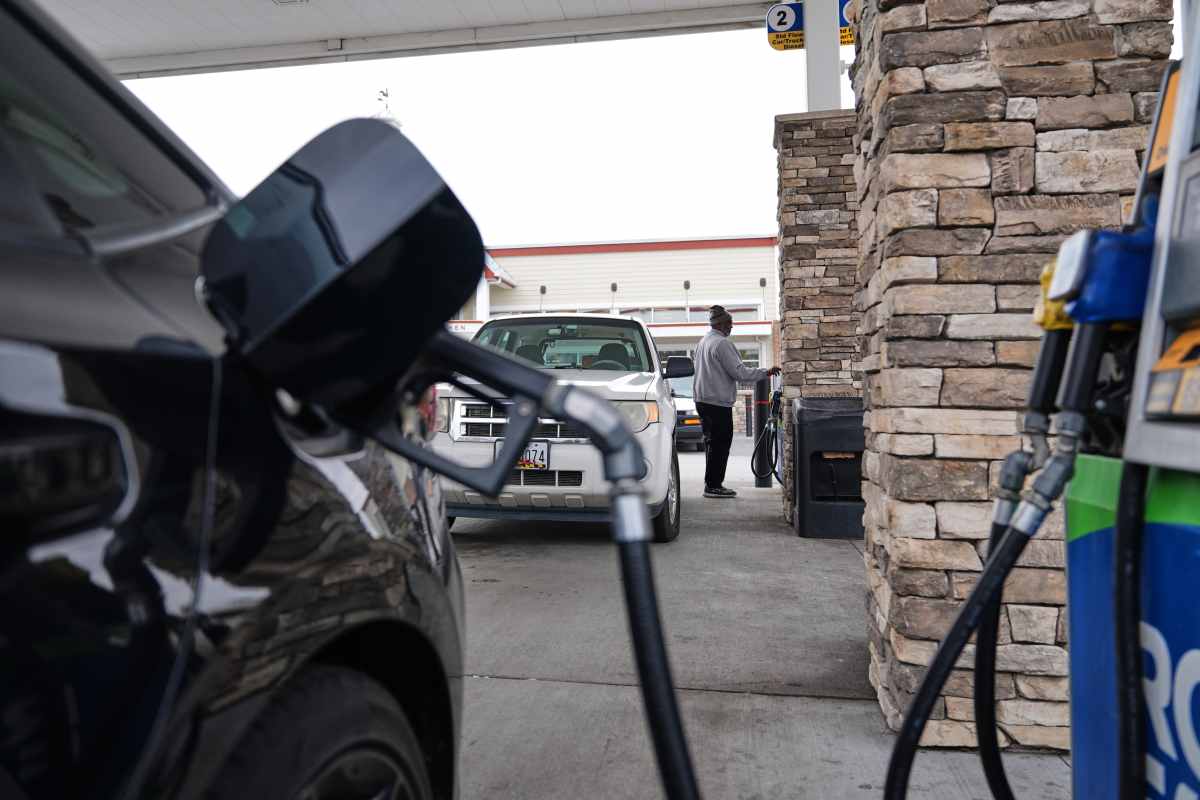
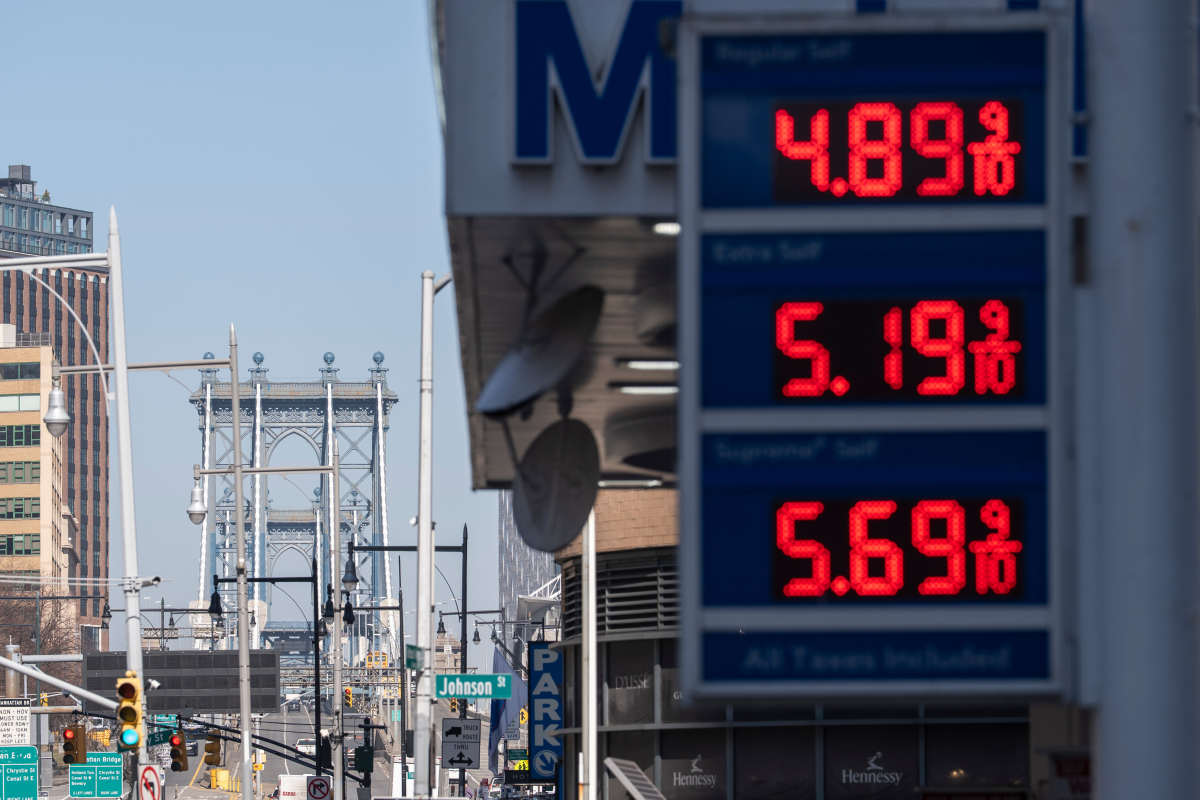
The surge in exports has also raised retail gasoline prices in the United States, potentially causing political trouble for President Donald Trump, who touted US export levels as “amazing” and a boost for the American economy.
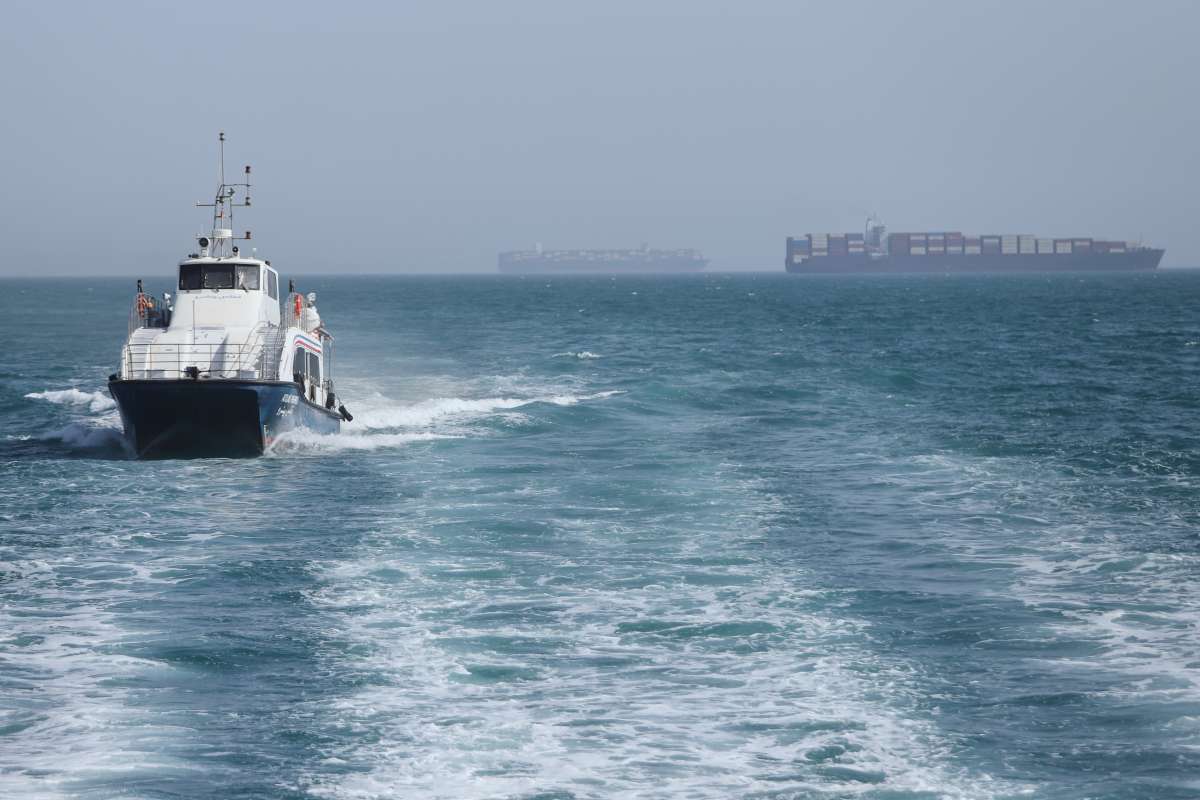
“We have more oil production right now than at any time in history. And if you take a look at the ships, they’re all coming up to Texas, Louisiana, Alaska,” Trump said recently.
The Trump administration established a political tripwire of sorts for itself when it cited the $5.00 per gallon prices that American consumers faced in the aftermath of Russia's 2022 invasion of Ukraine.
In the long term, the geopolitical impact of Middle Eastern customers like Japan and Southeast Asia turning to the US could be positive if US producers can respond to their needs.
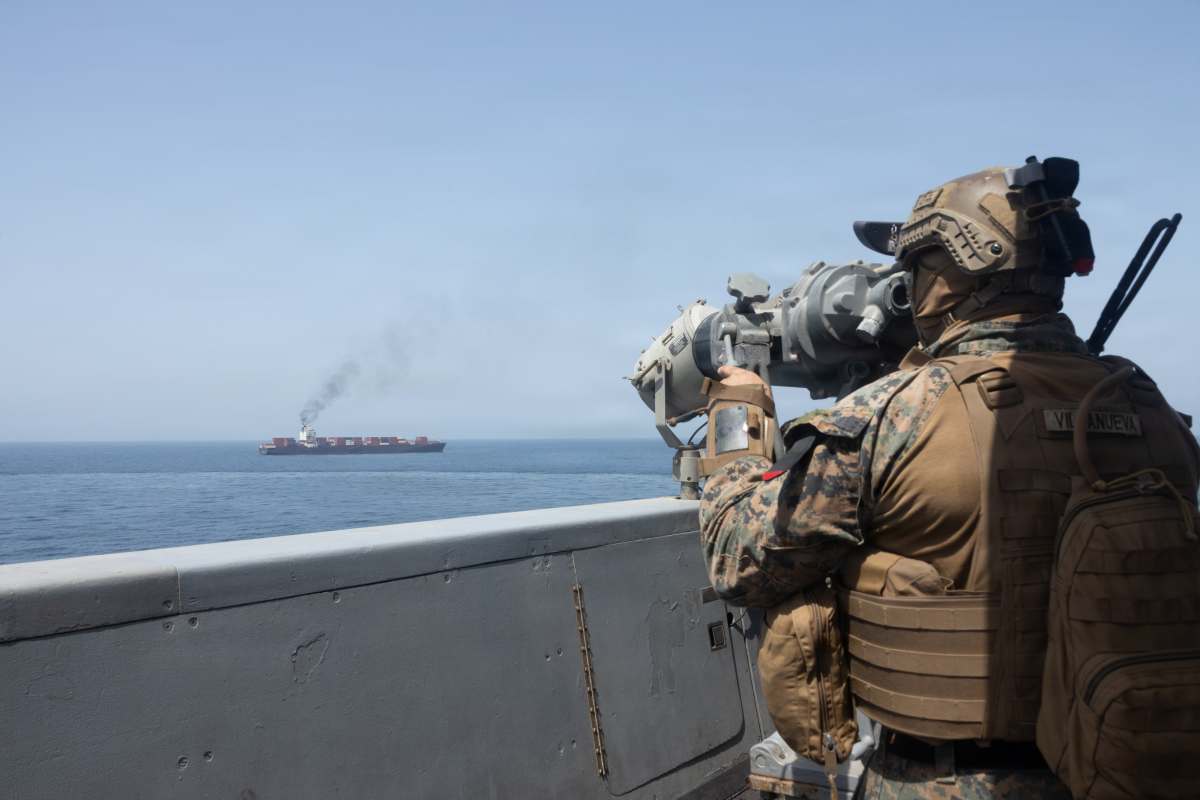
Industry analysts told Bloomberg that Asian companies may be running down their inventories, triggering a surge in demand that low US inventories would struggle to meet.
American oil production running very close to capacity
Currently, American oil production is running very close to capacity, although there is some dispute about where exactly the upper limit lies.
Since the start of the Strait of Hormuz crisis, 52 million barrels have been drawn down from domestic reserves, reducing the available inventory for sale in the event of another stampede towards American oil terminals.
Some oil company analysts warn that infrastructure for getting their products to ports and loading tankers could be strained before peak well production is reached.
Trump expressed confidence on Monday that America’s muscular oil industry could meet surging foreign demand without raising prices for domestic consumers.
President Trump 🤝 Energy Dominance@POTUS: "@SecretaryWright has done a fantastic job...We're also very happy with @SecretaryBurgum because he's doing a fantastic job...We're drilling more oil by far than we ever have in the history of our country!" pic.twitter.com/5VbL6wzJFO
— U.S. Department of Energy (@ENERGY) May 5, 2026
“Everybody was wrong. They thought that energy would be at $300, right? Three hundred dollars a barrel. And it’s, like, at $100, and I think it’s going down,” he said Monday at a White House small business summit.