US targets Iran's shadow banking network, expanding crackdown on illicit oil funds
WASHINGTON, DC: The United States Treasury Department imposed sweeping sanctions on Friday, May 1, on three major Iranian currency exchange houses and more than a dozen associated front companies, accusing them of laundering billions of dollars in foreign currency to support Tehran’s military and proxy networks.
The move marks a significant escalation in Washington’s ongoing effort to disrupt financial channels tied to Iran’s oil revenue flows.
The action targets what officials describe as a complex shadow banking system used to convert proceeds from sanctioned oil sales into usable global currencies.
Because much of Iran’s oil trade is settled in Chinese yuan, these exchange networks play a central role in converting funds into US dollars, euros, and other currencies that can be deployed across international markets.
🚨 NOW: Sec. Scott Bessent just OBLITERATED Iran by dropping this line
— Eric Daugherty (@EricLDaugh) May 1, 2026
"It is very difficult for RATS in a SEWER PIPE to know what’s going on in the outside world."
"Some color for the Iranian Leadership as they literally sit in the dark:
1. The United States has complete… pic.twitter.com/roajLMBaY4
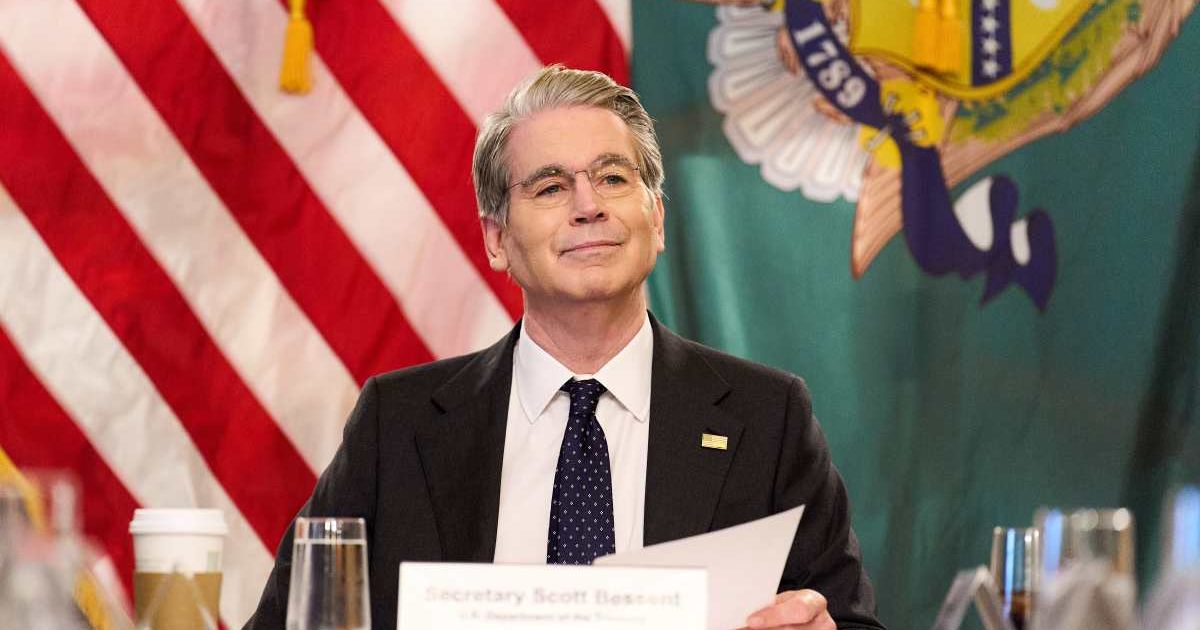
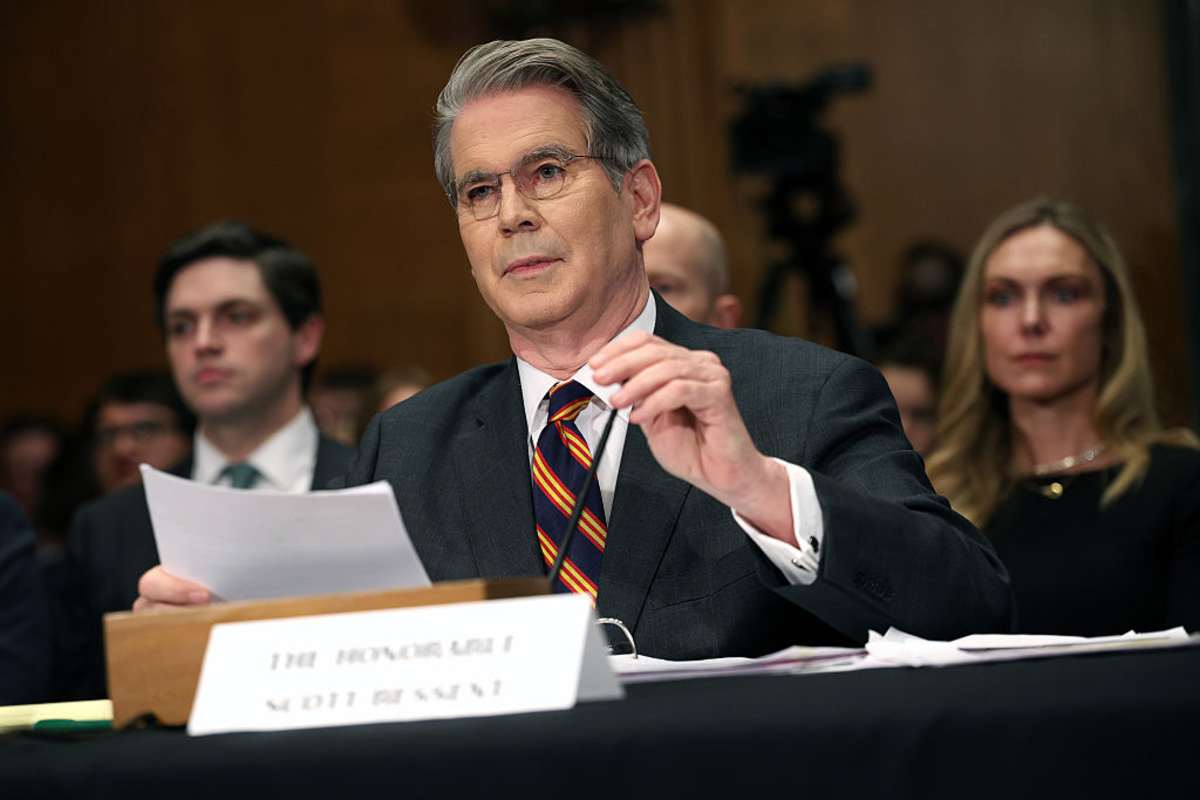
Treasury Secretary Scott Bessent said the designations were aimed at cutting off critical funding streams.
“Iran is the head of the snake for global terrorism, and under President Trump’s leadership, Treasury is moving aggressively… to sever the Iranian military’s financial lifelines,” Bessent said, adding that efforts would continue to target how funds are generated, transferred, and repatriated.
Treasury targets shadow currency networks
The sanctions specifically named Opal Exchange, Radin Exchange, and Arz Iran Exchange, also known as Tahayyori Guarantee Society, as central nodes in the financial structure.
According to the Treasury Department, these entities, along with their owners, operate layered networks of front companies that facilitate large-scale financial transfers on behalf of sanctioned Iranian institutions.

Officials allege these exchange houses handle tens of billions of dollars in annual trade linked to entities such as Iran’s central bank and the National Iranian Oil Company.
The designations were issued under an executive order targeting Iran’s financial sector, reinforcing existing restrictions aimed at limiting Tehran’s access to global markets.
Individuals identified in the sanctions include Iranian nationals Pedram Pirouzan, Hossein Mohammad Rezaei, Masoud Mohammad Rezaei, Nasser Ghasemi Rad, and Ehsan Tahayyori.
All have been designated for their alleged roles in managing and coordinating the financial operations tied to the exchange networks.
Front firms move billions globally
Treasury officials said the exchanges rely heavily on shell companies registered under alternative citizenships, including Dominica and St Kitts and Nevis.
This structure allows operators to obscure Iranian connections, open foreign bank accounts, and move funds across jurisdictions without immediate detection.
Friday’s action includes 15 identified front companies operating across multiple countries.
Collectively, these entities are accused of processing hundreds of millions of dollars in cross-border transactions tied to Iranian importers, exporters, and military-linked groups.
The department stated that these networks enable Tehran to sustain financial flows despite long-standing sanctions, using intermediaries to bypass restrictions and maintain access to international banking systems.
Asset freezes expand financial pressure
Under the new sanctions, any assets held by the designated individuals or entities within US jurisdiction are frozen, and American individuals and businesses are prohibited from engaging in transactions with them.
Foreign entities that continue to facilitate these operations could face secondary sanctions.
The latest measures build on more than 1,000 Iran-related designations issued since February 2025, following a national security directive signed by President Donald J Trump.
Previous actions targeted so-called “rahbar” companies and digital platforms accused of enabling sanctions evasion.
Treasury officials said enforcement is aimed at raising the financial cost of Iran’s activities in the region rather than serving as a standalone punitive step.
Violations of the sanctions framework can result in significant civil or criminal penalties.
Authorities also noted that individuals providing actionable financial intelligence may be eligible for rewards under FinCEN’s whistleblower program.
The sanctions come as Iran continues to export oil through a network of intermediaries, maintaining revenue streams despite international restrictions.
By focusing on currency exchanges identified as key intermediaries, the Treasury Department is attempting to disrupt the financial mechanisms that sustain those transactions.