What is the ‘Kennedy curse’? Kyle Kennedy’s death at 42 revives family’s tragic history

BOSTON, MASSACHUSETTS: Kyle Francis Kennedy’s death at 42 has renewed interest in the so-called “Kennedy curse,” a label associated with generations of loss in one of America’s most prominent political families.
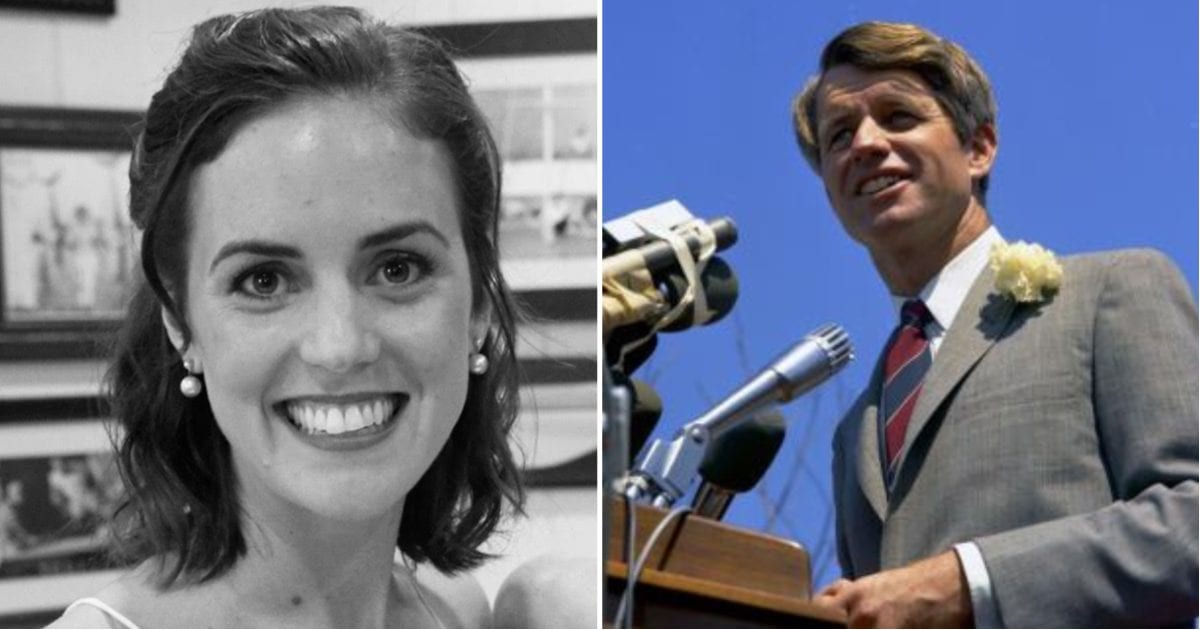
The granddaughter of Robert F Kennedy and Ethel Kennedy died at her home in Westwood, Massachusetts, on September 21, 2026. Her cause of death remains pending.
But the curse narrative is more than a collection of tragic events. It reflects how political prominence, public grief and repeated losses have shaped the way Americans view the Kennedys.
Understanding why it persists requires separating documented history from the belief that the family was somehow doomed.

What is the Kennedy curse and its origins?
The phrase became associated with the family after a series of losses, including the 1944 death of Joseph P Kennedy Jr during World War II, Kathleen Kennedy’s death in a 1948 plane crash and Rosemary Kennedy’s lobotomy in 1941, which left her severely incapacitated.
The idea of a curse was already circulating before Senator Ted Kennedy publicly referred to it.
In 1969, following the Chappaquiddick incident, in which Mary Jo Kopechne died after a car driven by Ted plunged into the water, he said he had wondered whether “some awful curse did actually hang over all the Kennedys.”
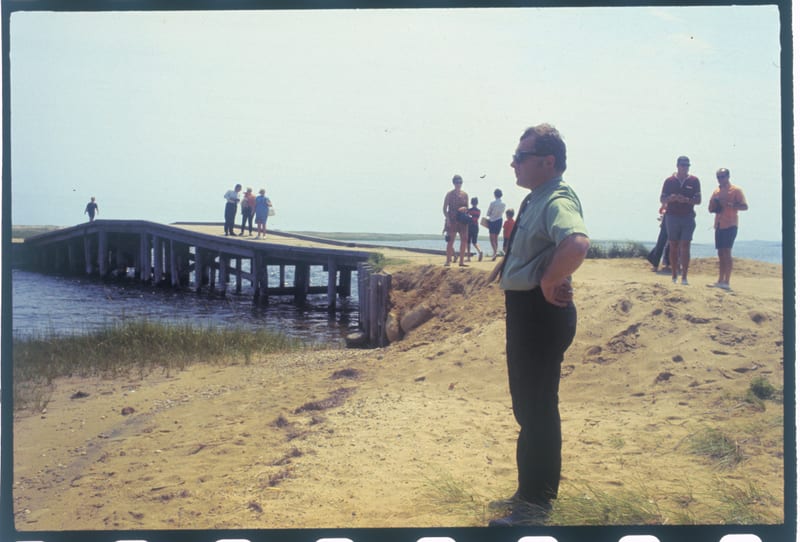
As The Washington Post reported, this was the first known public reference to the curse by a Kennedy, although the public was already familiar with the idea.
His words gave an existing narrative a memorable expression.
JFK and RFK assassinations fuel Kennedy family tragedy
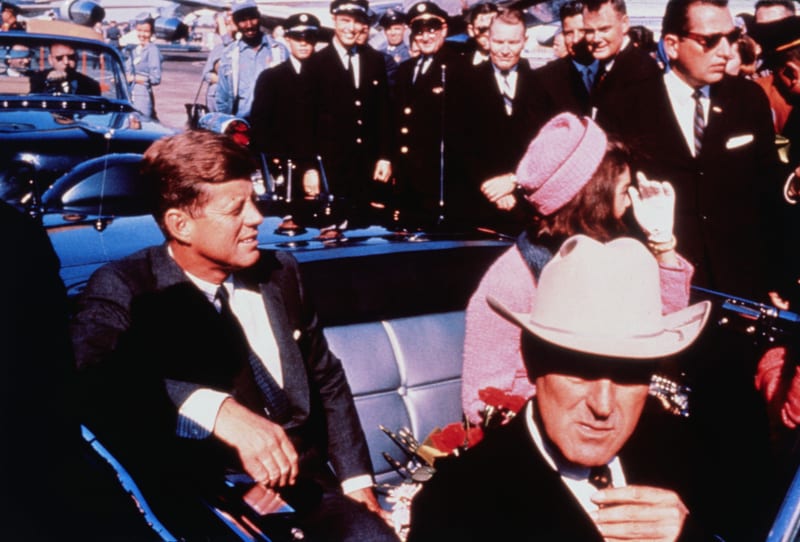
The assassinations of President John F Kennedy in 1963 and Robert F Kennedy in 1968 elevated the family’s losses into defining moments in American history.
Their deaths cut short political careers and intensified public mourning, making the family’s private grief inseparable from the nation’s political memory.
The pattern appeared to continue in later generations.
Michael Kennedy died in a skiing accident in 1997, while John F Kennedy Jr, his wife, Carolyn Bessette-Kennedy, and her sister, Lauren Bessette, died in a plane crash in 1999.
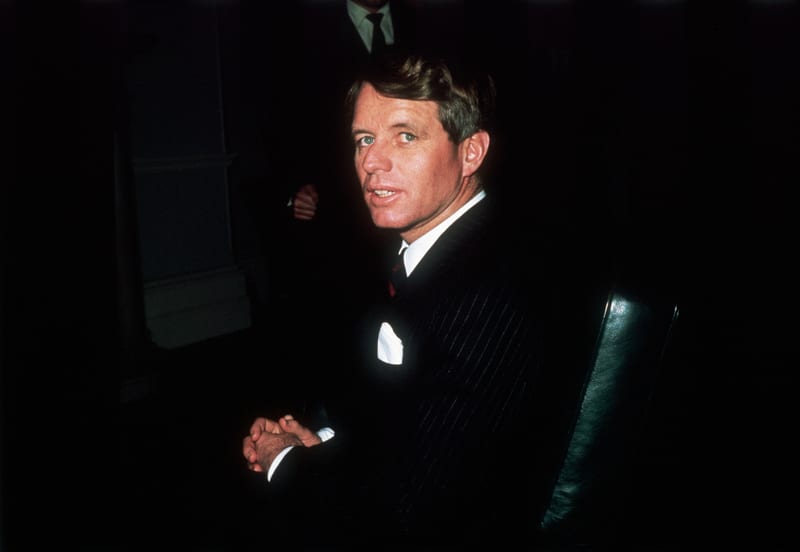
These events had different causes, but their proximity in public memory encouraged comparisons with classical tragedy, in which powerful families are portrayed as repeatedly confronting suffering.

Kyle Kennedy’s life beyond the family curse
Kyle’s life shows why the family’s history cannot be reduced to tragedy. Her father, Michael, died when she was 13.
She went on to study at Georgetown University, Pace University and Harvard Graduate School of Education before working in education, including with Teach for America.
After a spinal cord injury in 2020 left her with long-term paralysis, Kyle became an advocate for people with disabilities and testified before Massachusetts lawmakers about health care discrimination.
She had also lost her infant daughter, Josephine, shortly after birth. Kyle is survived by her two sons.
Her work in education and disability advocacy was a significant part of her life. Framing her solely as another example of a curse risks overlooking the work she pursued despite personal hardship.
Is the Kennedy curse real? History versus myth
The curse narrative persists partly because each new tragedy is viewed against the backdrop of earlier events. However, historical research offers a more grounded way to understand the family’s legacy.
In 'Rosemary: The Hidden Kennedy Daughter,' historian Kate Clifford Larson draws on family letters, diaries and records to examine Rosemary’s life, the decisions made about her care and the family’s attempts to conceal her disability.
In a published interview on Larson’s website, she explained that placing Rosemary at the center of the family’s history changed how her parents’ decisions and her siblings’ experiences could be understood.
Rosemary’s treatment also influenced her siblings’ later disability advocacy, including Eunice Kennedy Shriver’s founding of the Special Olympics.
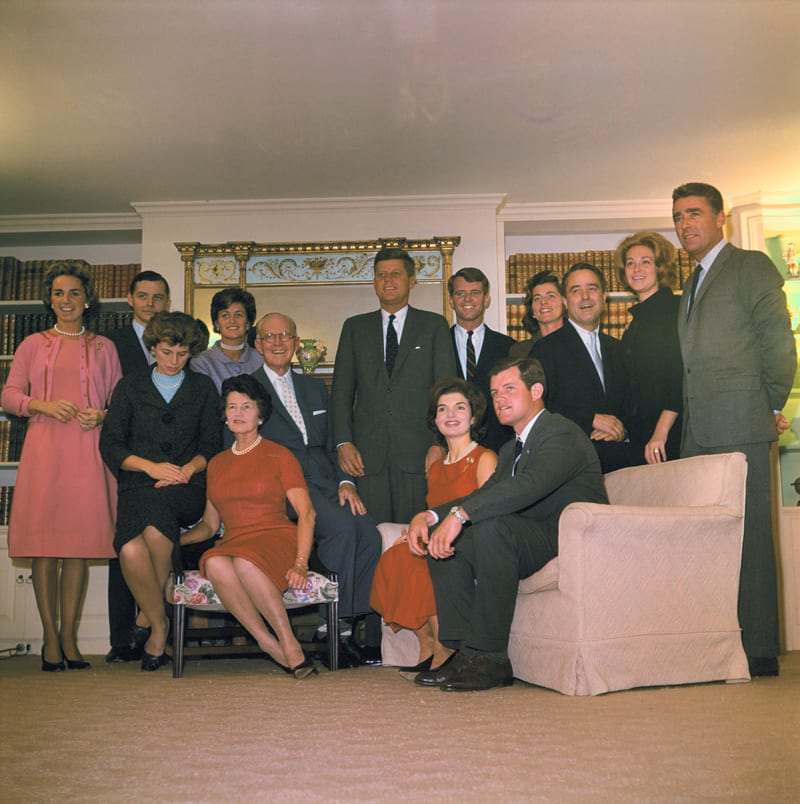
This history reveals the effects of family expectations, disability stigma and decisions made under social pressure. It does not support a supernatural explanation.
There is no established evidence that a curse caused the Kennedys’ losses, and claims of a hex or an inherited “thrill-seeking gene” remain speculative. Kyle’s death has revived a familiar label, but the circumstances surrounding individual family tragedies remain distinct.
The curse persists in public memory, even as it risks overshadowing the lives, achievements and very different experiences of the people associated with it.