Which voter ID rules have changed since 2022? Here's what you need for the 2026 midterms
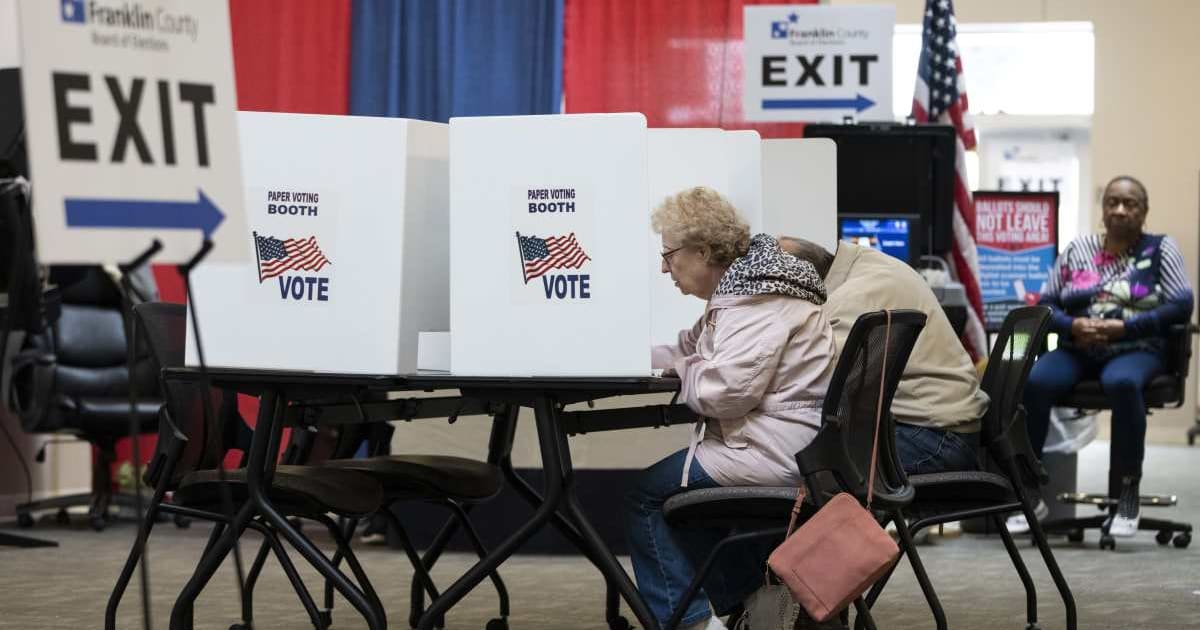
WASHINGTON, DC: Voter ID rules have changed in several states since the 2022 midterms, with some states moving to photo identification while others have changed which documents can be used at the polls. The changes have continued through 2026 as the midterms approach, including new rules affecting student IDs, digital IDs, and voters who arrive without acceptable identification.
The changes are not the same everywhere. NCSL says 36 states currently ask voters to show some form of identification at the polls, while 14 states and Washington, DC, use other methods to verify a voter's identity.

Major voter ID changes to know ahead of 2026 midterms
Some of the biggest changes came in states such as Nebraska, North Carolina, Ohio, and West Virginia. Nebraska voters approved a constitutional photo-ID requirement in November 2022, and lawmakers enacted legislation in 2023 to put the requirement into effect on April 1, 2024.
Nebraska now accepts photo IDs issued by the state, federal government, Nebraska political subdivisions, Nebraska colleges and universities, the military, tribes, and certain care facilities.
North Carolina took a different route. The state's voter ID law was struck down in 2022, but the North Carolina Supreme Court reversed that decision in 2023, restoring the photo-ID requirement. Voters can use a North Carolina driver's license, passport, voter photo ID card, and certain college student IDs, among other documents.
Ohio also made a major shift. A 2022 law that took effect after the midterms changed the state from a strict non-photo ID system to a strict photo-ID system. Ohio voters now need an unexpired photo ID, and a voter without one generally has to cast a provisional ballot and return to the board of elections within four days with acceptable ID.
West Virginia changed its rules in 2025, requiring photo ID where the state previously required non-photo identification. Wisconsin voters in 2025 also approved a constitutional amendment enshrining the state's existing photo-ID requirement.
Other changes were narrower. Idaho removed student IDs from its acceptable voter-ID list in 2023, while Wyoming added concealed-carry permits as an acceptable form of ID. New Hampshire changed its provisional-ballot process in 2024 and in 2026 removed student IDs as an acceptable form of voter ID.
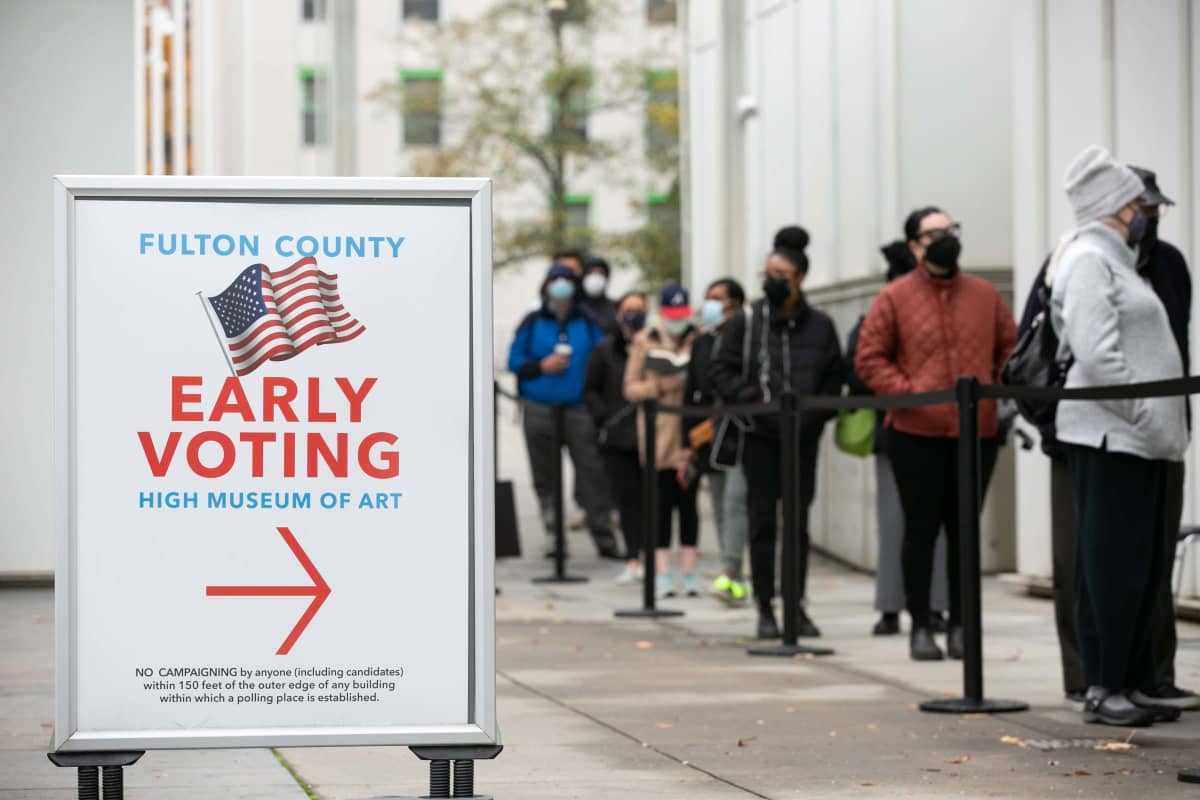
Photo ID, student IDs and what happens without identification
The biggest difference for voters is whether their state asks for a photo ID, a non-photo document, or no document at all. NCSL currently classifies 24 states as asking for photo ID and 12 as also accepting non-photo identification.
In strict-ID states, a voter without acceptable ID generally has to take an additional step after Election Day for a provisional ballot to count. In non-strict states, the ballot can often be counted after officials verify the voter's identity without requiring the voter to return with another document.
Student IDs have also become a moving target. Idaho removed them in 2023, Indiana barred educational-institution IDs in 2025, and New Hampshire removed student IDs in 2026.
At the same time, Montana moved in the opposite direction in 2025 by allowing certain photo student IDs issued by Montana university-system schools or qualifying schools to be used for voting. Nebraska and North Carolina also accept certain college student IDs.
The rules on missing ID can be very different. In Nebraska, a voter without acceptable ID can use a provisional process, but unless the voter has a qualifying reasonable impediment, they must return to the election official's office by the Friday after the election with acceptable ID.
North Carolina voters without the required ID can cast a provisional ballot, but must bring acceptable identification to the county board by the end of business on the business day before canvass.
Texas remains a photo-ID state, but its system is non-strict under NCSL's classification. Voters can use one of the state's listed photo IDs, including a Texas driver's license, Election Identification Certificate, handgun license, US military ID, citizenship certificate, or passport.
A voter who cannot reasonably obtain one can use a supporting document and sign a Reasonable Impediment Declaration. A voter who has an acceptable photo ID but does not bring it can vote provisionally and has six days to present the ID.
Meanwhile, New York and Minnesota remain among the states that do not require voters to present an ID at the polls. New York voters generally sign the poll book, while Minnesota voters sign an eligibility affidavit and may be asked for personal information.

Digital and expired IDs under the latest voter ID rules
Digital IDs have become another dividing line. Colorado changed its law in 2023 to allow state-sanctioned digital IDs to serve as voter identification. Arkansas and Louisiana also statutorily permit digital IDs.
But Georgia moved in the opposite direction in 2025, requiring IDs used for voting to be presented in physical form, while Tennessee prohibited digital IDs for voting. Alabama's prohibition on digital IDs takes effect October 1, 2026.
That means having a driver's license stored in a phone app does not automatically mean it can be used at the polls. Whether a digital version works depends on the state's statute and the type of ID being presented.
Expired IDs are also treated differently. Ohio requires an unexpired photo ID. North Carolina generally accepts listed IDs that are valid or have expired for one year or less, with additional rules for voters 65 and older.
New Hampshire accepts driver's licenses and US passports regardless of expiration, while most other IDs can generally be expired for no more than five years. Georgia accepts a Georgia driver's license even if it has expired.
Texas also allows most of its accepted photo IDs to be expired for up to four years, while voters 70 and older may use expired ID if it otherwise meets the state's requirements.
The deadlines after Election Day can matter just as much as the ID itself.
Ohio gives voters four days, Georgia gives voters three days, Indiana uses noon on the Monday after the election, and Tennessee requires the identification to be provided by the close of business on the second business day.
Nebraska's current rule gives voters until Friday after Election Day when the reasonable-impediment exception does not apply.

California's ID requirement and other changes voters should know
Not every post-2022 voter ID change has involved making a statewide photo-ID requirement stricter. California, for example, enacted SB 1174 in 2024, prohibiting local governments from creating or enforcing their own voter-ID requirements.
California remains a state where voters generally verify their identity through the poll-book process rather than presenting a voter ID document.
The changes have continued in 2026. Iowa removed the option for another voter to attest to the identity of someone who lacks acceptable ID.
Idaho added information requirements for voters who use an affidavit instead of presenting ID. Nebraska changed the deadline for voters without ID to return with identification from Tuesday to Friday after the election.
Louisiana passed a law that will take effect in 2027, removing the affidavit option for voters without acceptable ID and requiring them to use a conditional ballot and return with identification.
Oklahoma voters also approved a constitutional amendment in 2026 creating a requirement for proof of identity, although the details are to be defined by state law.