Why are Schumer and Jeffries keeping their distance from Zohran Mamdani? Strategist weighs in
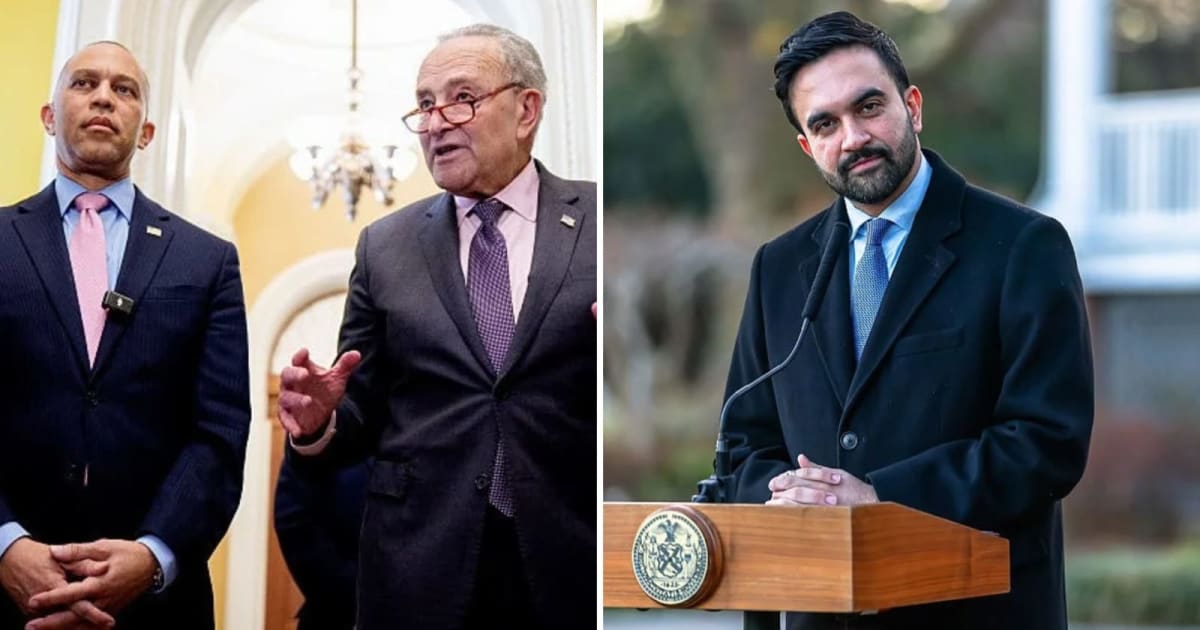
WASHINGTON, DC: Senate Minority Leader Chuck Schumer and House Minority Leader Hakeem Jeffries are distancing themselves from New York City Mayor Zohran Mamdani’s controversial statement about the Hamas attacks on Israel and the war in Gaza.
Both leaders released statements marking the anniversary of the October 7 attacks, but differences in their tone and focus have raised questions about how Democrats are navigating internal divisions over Israel, particularly with the 2026 midterm elections approaching.
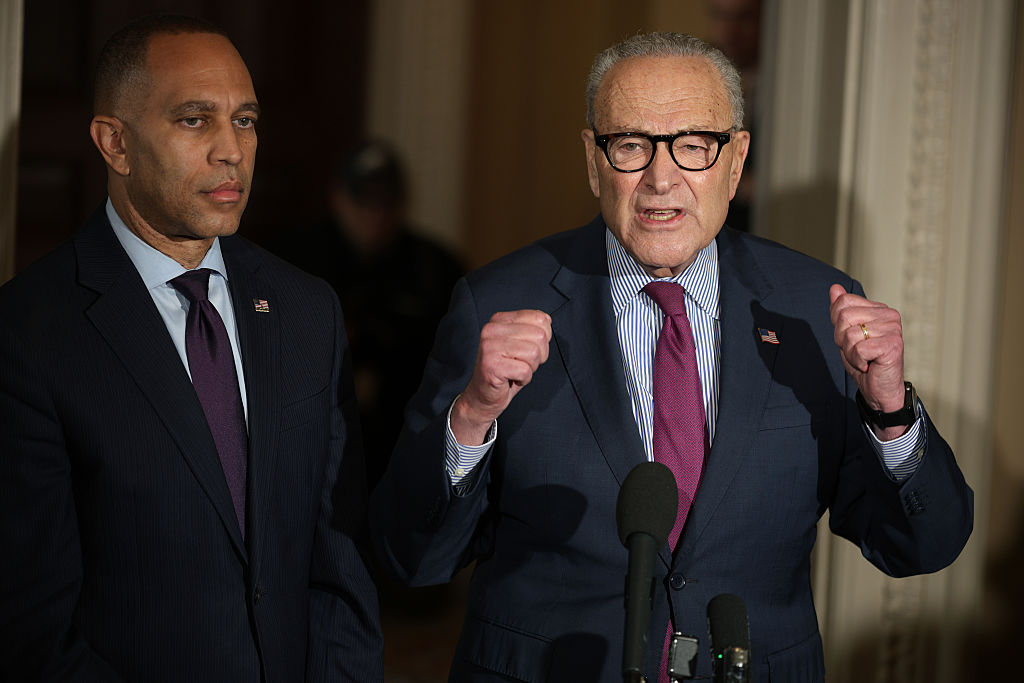 Senate Minority Leader Sen Chuck Schumer (D-NY) (R) and House Minority Leader Rep Hakeem Jeffries (D-NY) (L) brief members of the press during a news conference on the government shutdown at the US Capitol on October 16, 2025 in Washington, DC (Alex Wong/Getty Images)
Veteran New York political strategist Hank Sheinkopf believes party leaders are primarily focused on winning enough seats to regain control of Congress.
However, it remains unclear whether their statements reflect a calculated effort to avoid a public clash with Mamdani or simply their own views.
The episode highlights the challenge Democrats face in balancing the demands of progressives, Jewish voters and moderates.
Schumer and Jeffries face Mamdani criticism
Zorhan Mamdani’s October 7 statement acknowledged Hamas’ “horrific war crimes” but focused extensively on Israel’s military actions in Gaza, which he described as an ongoing “g*nocide.”
He also criticized US support for Israel, arguing that American tax dollars were funding what he called war crimes.
The statement drew criticism from Democratic Rep Dan Goldman, who called it “a reprehensible statement” on the anniversary of the attack.
The Associated Press reported that Mamdani’s remarks angered some Jewish critics while also drawing objections from pro-Palestinian activists who felt he had not done enough to condemn Israel.
Neither Schumer nor Jeffries responded to requests for comment on Mamdani’s remarks. Both issued their own statements on the October 7 attacks on Wednesday.
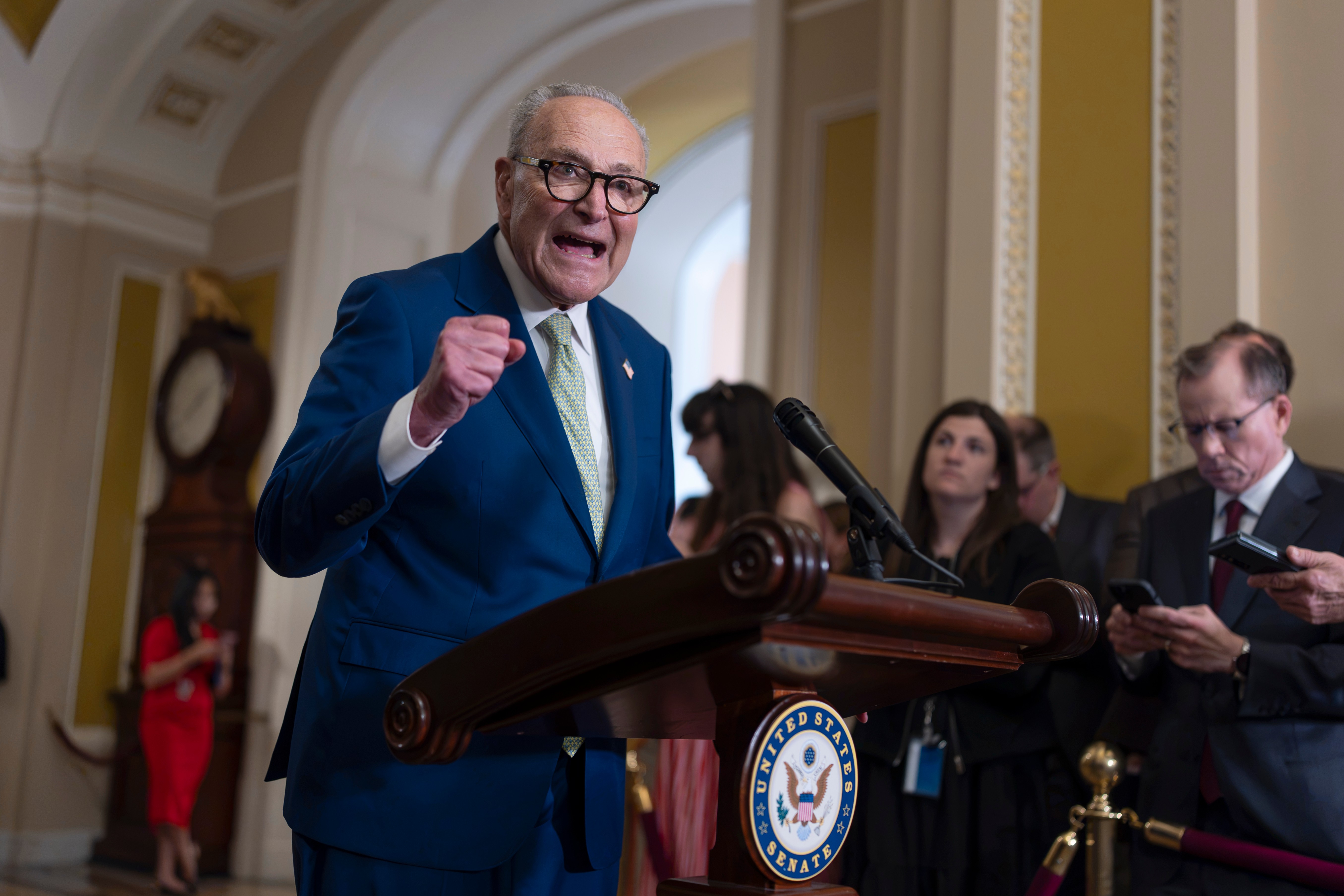
Schumer, who is Jewish, noted that the attack was the "single deadliest day in Jewish history since the Holocaust." His support for Israel has become a point of contention for some Senate Democrats, who have gradually pushed back against funding arms for Israel following three years of conflict in Gaza.
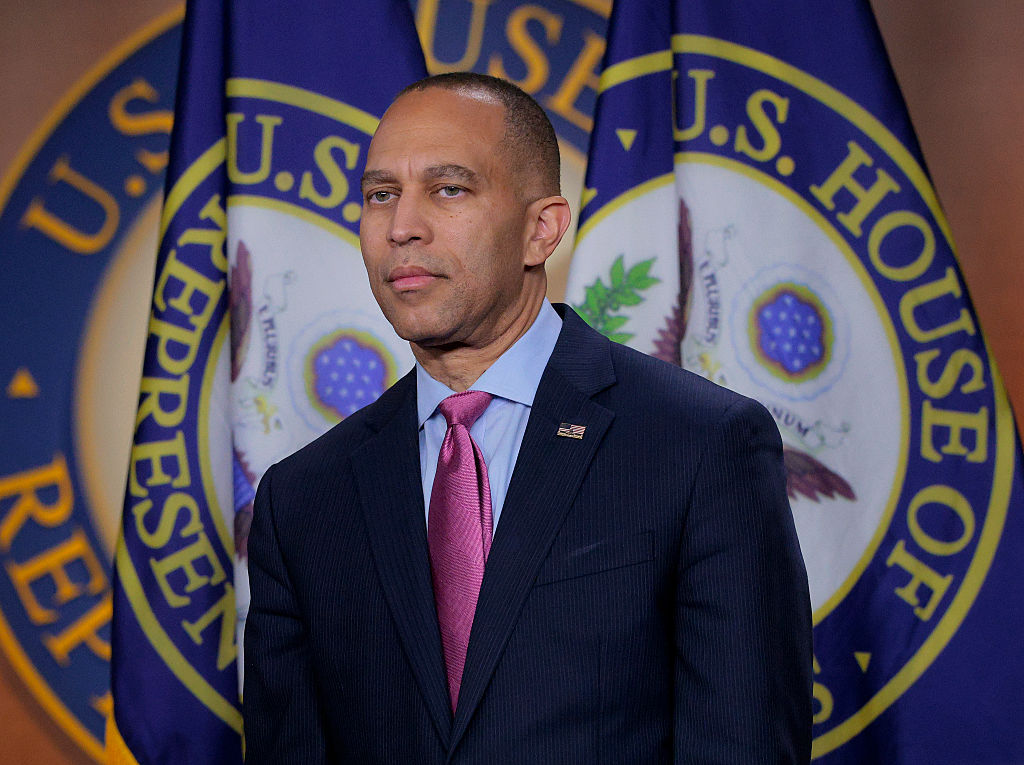
Jeffries appeared more aligned with Schumer’s left flank in his statement while recognizing that "we are reminded of the painful reality that the Jewish people are in a constant struggle for survival, as has been the case for thousands of years."
Democrats weigh political risks of criticizing Mamdani
Hank Sheinkopf, a seasoned New York political strategist who has advised candidates at the city, state and national levels, believes Schumer and Jeffries will focus on helping Democrats regain congressional majorities in the 2026 midterm elections.
“Their primary concern is securing enough seats away from the Republicans to secure majorities in the new Congress which opens in January 2027. They will do nothing to jeopardize that goal,” Sheinkopf said.
When asked about the political risks of publicly criticizing Mamdani versus allowing their own statements to speak for themselves, as well as the constituencies that might react differently, Sheinkopf said, “criticizing Mamdani might anger the deep left with which New York’s mayor identifies.”
“Angering that voting block could reduce turn outs making it more difficult to win marginal seats by reducing intensity of turn out.”
That calculation could discourage Schumer and Jeffries from openly challenging Mamdani, since his politics resonate with the party’s progressive base.
However, remaining silent could unsettle some Jewish voters and moderates, who want Democratic leaders to respond more forcefully to comments about October 7 and Israel.
The available evidence does not establish that either leader deliberately avoided criticizing Mamdani to protect a particular group of voters.
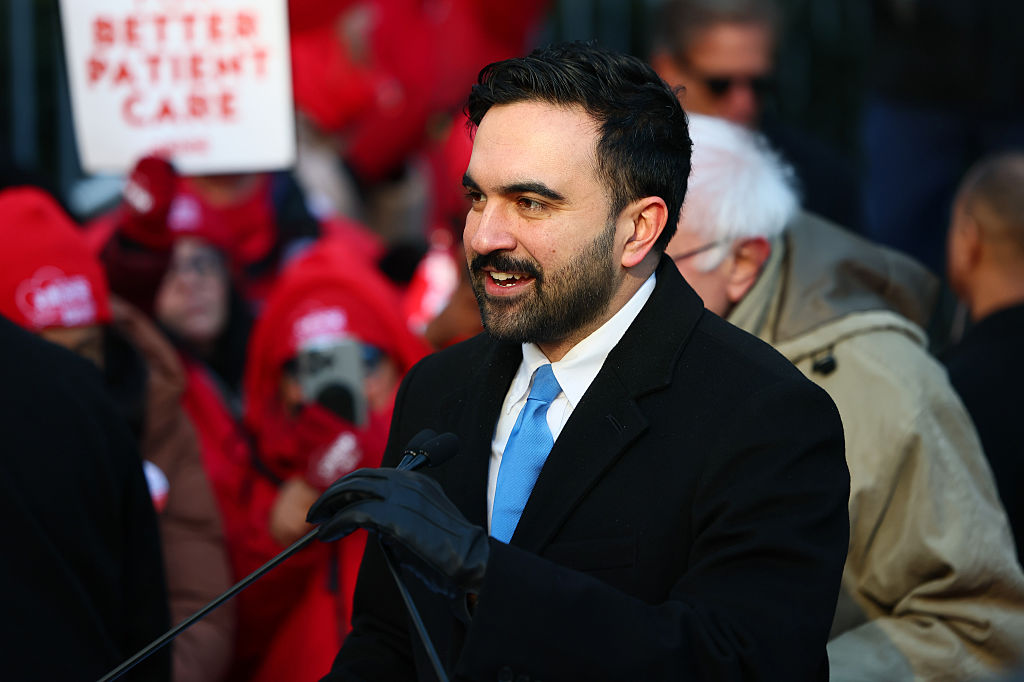
Expert explains Democrats’ 2026 election challenges
When asked whether the episode revealed a substantive divide within the Democratic Party or whether the dispute was being amplified by media coverage, Sheinkopf said, “The Democrats are in trouble. Their coalition is fractious. The vote to oust republicans should it occur on Election Day is a response to Trumpism not a support of democrats.”
Schumer and Jeffries appear to be stressing different points about Israel and Gaza, leaving some questions unanswered and prompting speculation about the political considerations shaping their positions.
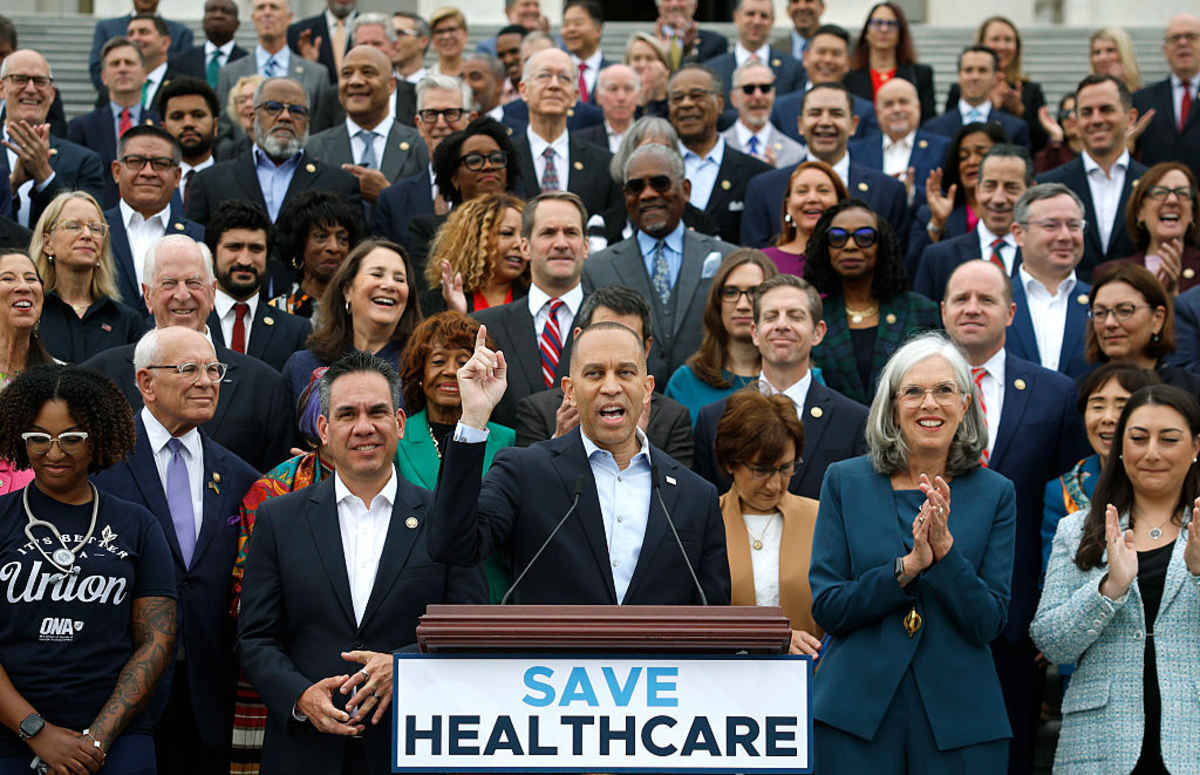
Sheinkopf argues that Democrats face real electoral pressure, but there is insufficient evidence to conclude that Schumer or Jeffries are deliberately sidestepping Mamdani or changing their strategies because of the controversy.
Asked whether he had seen any evidence of Democratic officials or campaign teams changing their messaging in response to the controversy, Sheinkopf said there was “no evidence to suggest that Mamdani’s comments are causing any changes in rhetoric,” adding that it would be a mistake to overstate the importance of Mamdani’s national support compared with voters’ desire for change.
Sheinkopf said he had seen no evidence that Mamdani’s remarks had prompted Democratic officials or campaign staff to shift their messaging.
He urged people not to exaggerate the mayor’s national political influence, suggesting that voters’ desire for change might play a bigger role. His assessment highlights a broader challenge for Democratic leaders.
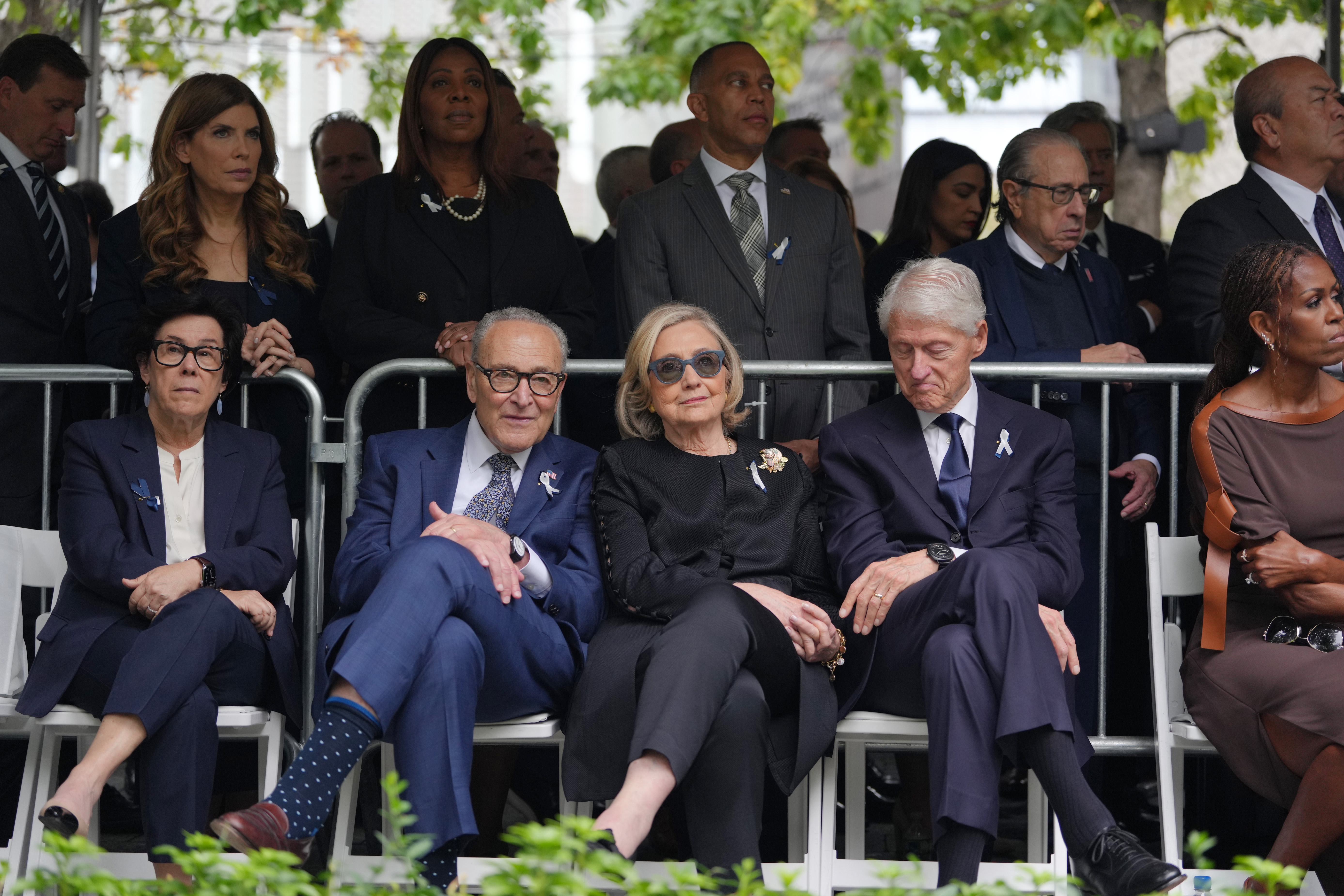
Democrats are struggling to keep their coalition together as members clash over Israel, Gaza and the extent to which the US should support the Israeli government.
If they criticize Mamdani publicly, they risk upsetting progressives. If they fail to address his remarks, they could alienate other groups within the party. It remains a delicate balancing act.