Why did Anthony Fauci invoke Fifth Amendment despite Joe Biden’s pardon?
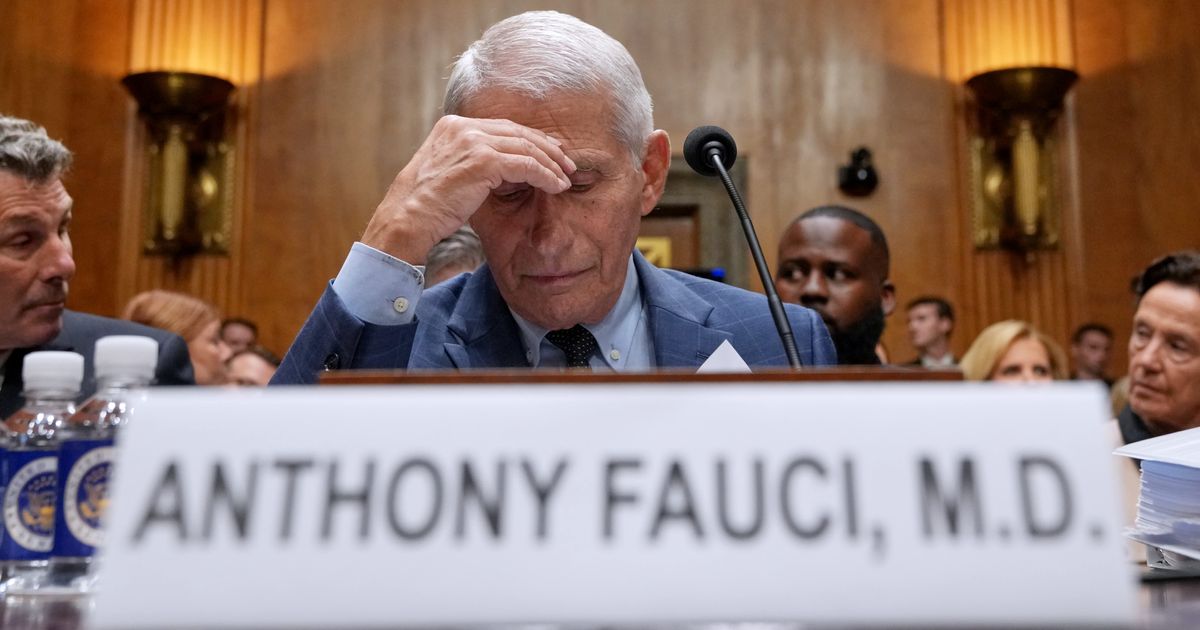
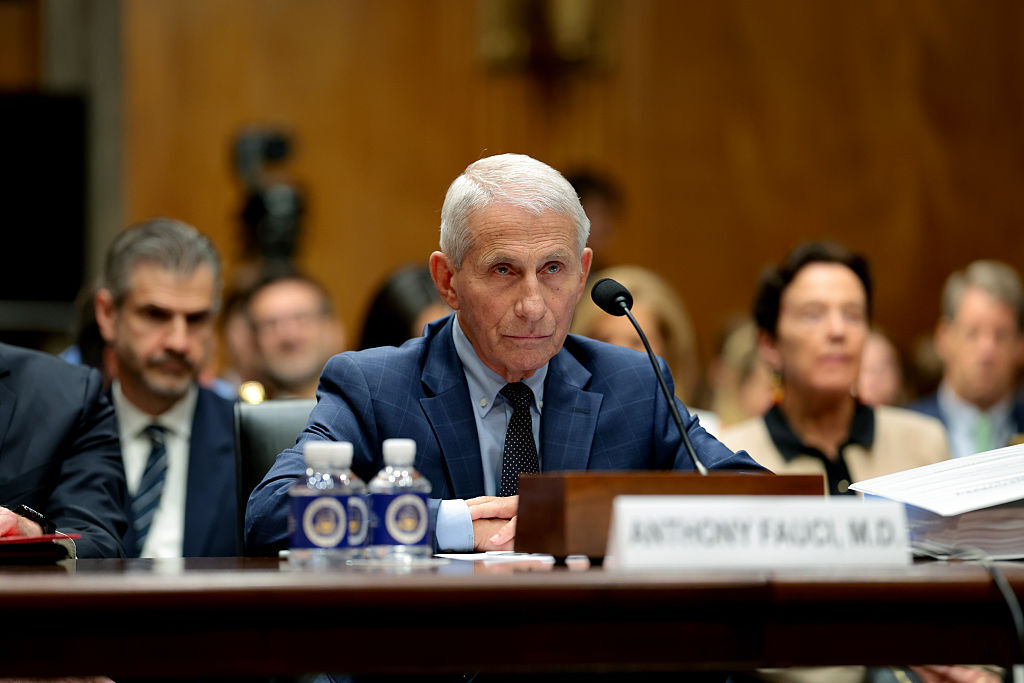
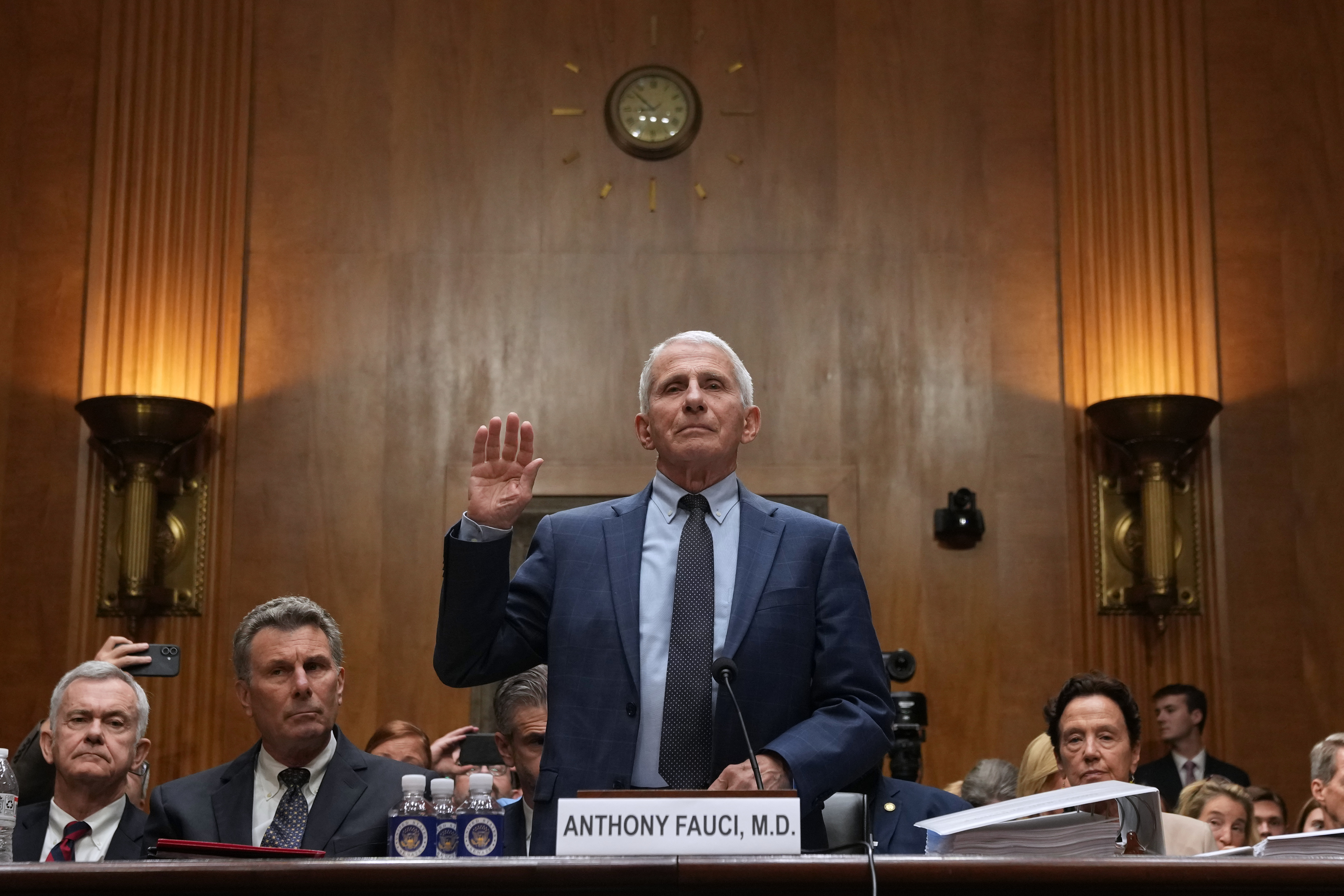
WASHINGTON, DC: Dr Anthony Fauci invoked his Fifth Amendment right against self-incrimination more than 100 times during a tense three-hour Senate hearing on July 29, declining to answer nearly every question put to him by the Republican-led Homeland Security and Governmental Affairs Committee about the origins of Covid-19 and his handling of the pandemic.
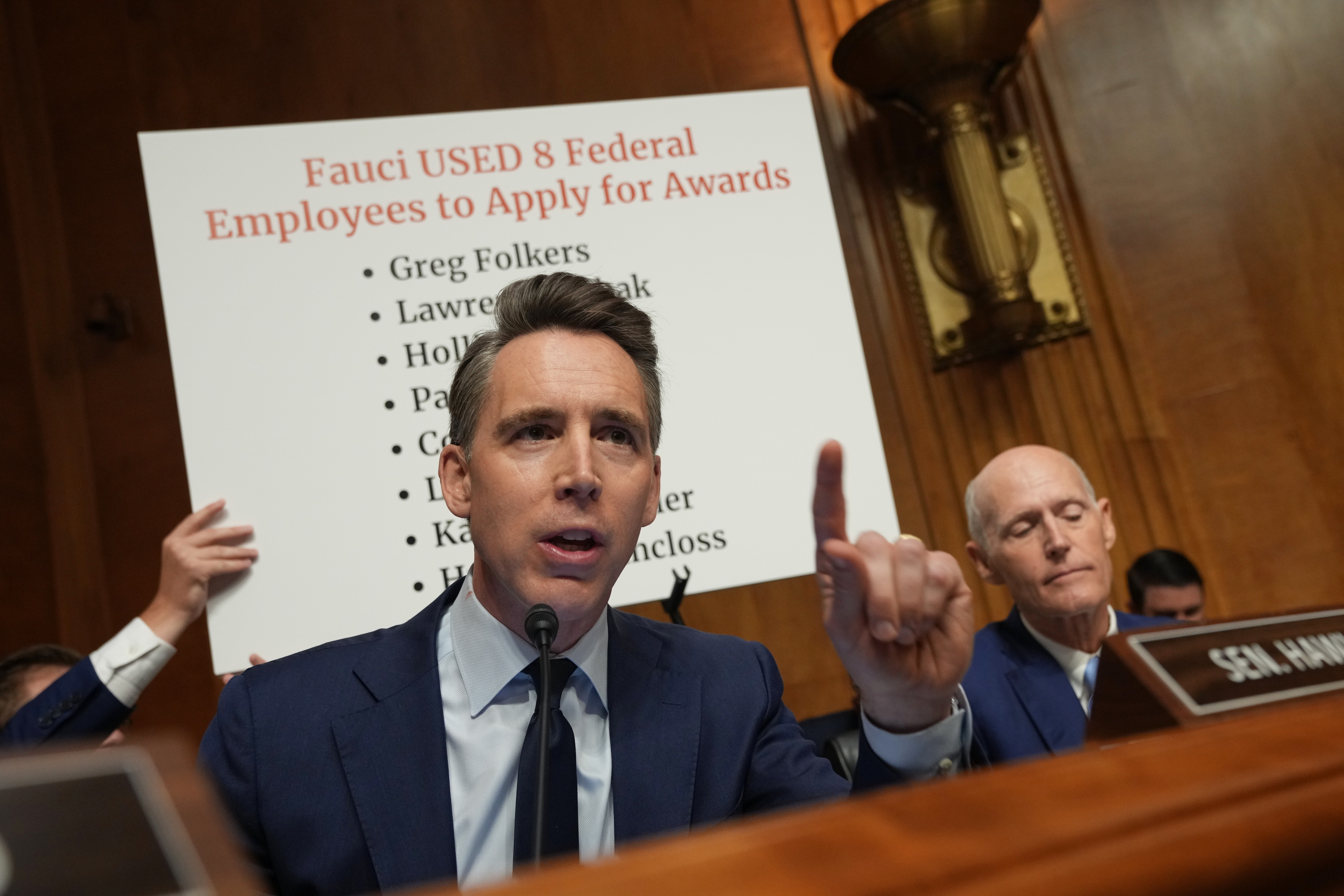
The refusal drew immediate pushback from GOP lawmakers, who argued Fauci had no legal basis to invoke the privilege in the first place. Sen Josh Hawley told Fauci directly that he had "no rights under the Fifth Amendment" because former President Joe Biden granted him a sweeping preemptive pardon in the final hours of his term, a pardon Republicans say erases any real risk of prosecution, and with it, any legitimate claim to silence.
Does a presidential pardon ‘cancel’ the Fifth Amendment?
The GOP’s argument isn’t just pulled out of thin air.
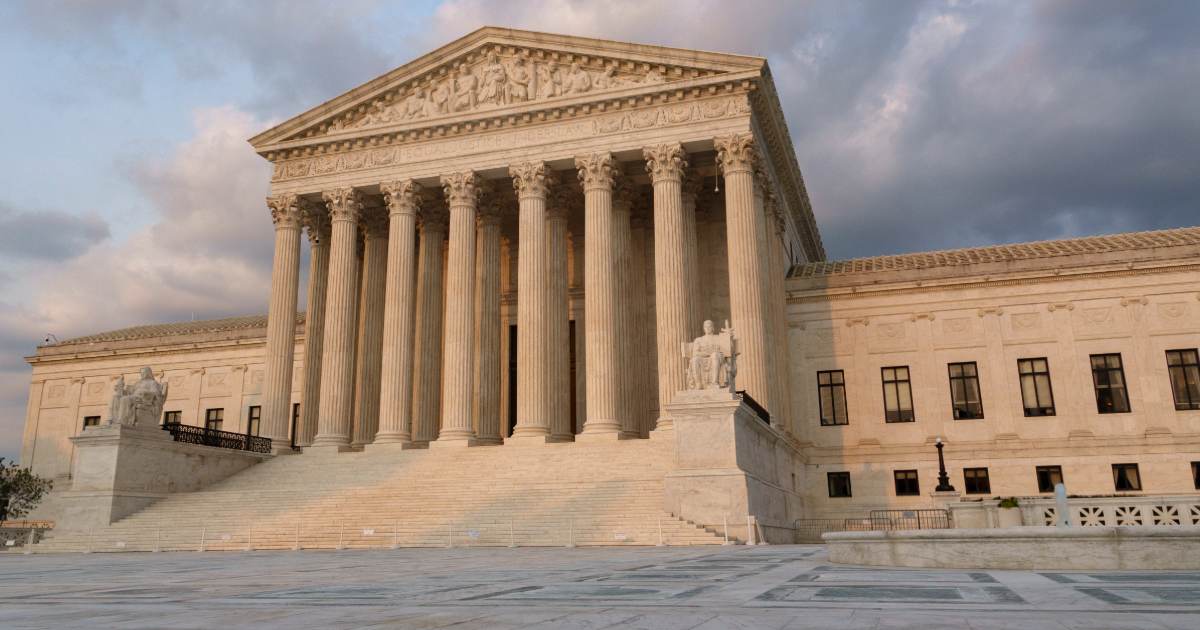
It actually goes back to the 1896 Supreme Court case Brown v Walker.
In that decision, the justices said if you’ve been granted full immunity for a crime, you can’t use the Fifth Amendment to avoid testifying about that crime anymore.
Their reasoning is pretty straightforward: the Fifth Amendment protects people from saying things that could get them into trouble, but if you’re already protected, if the law says you can’t be prosecuted for that offense, then you don’t have anything to worry about.
As the Court put it back then, once you’ve got a full pardon or immunity, you’re in the same position as if you’d never committed the crime at all.
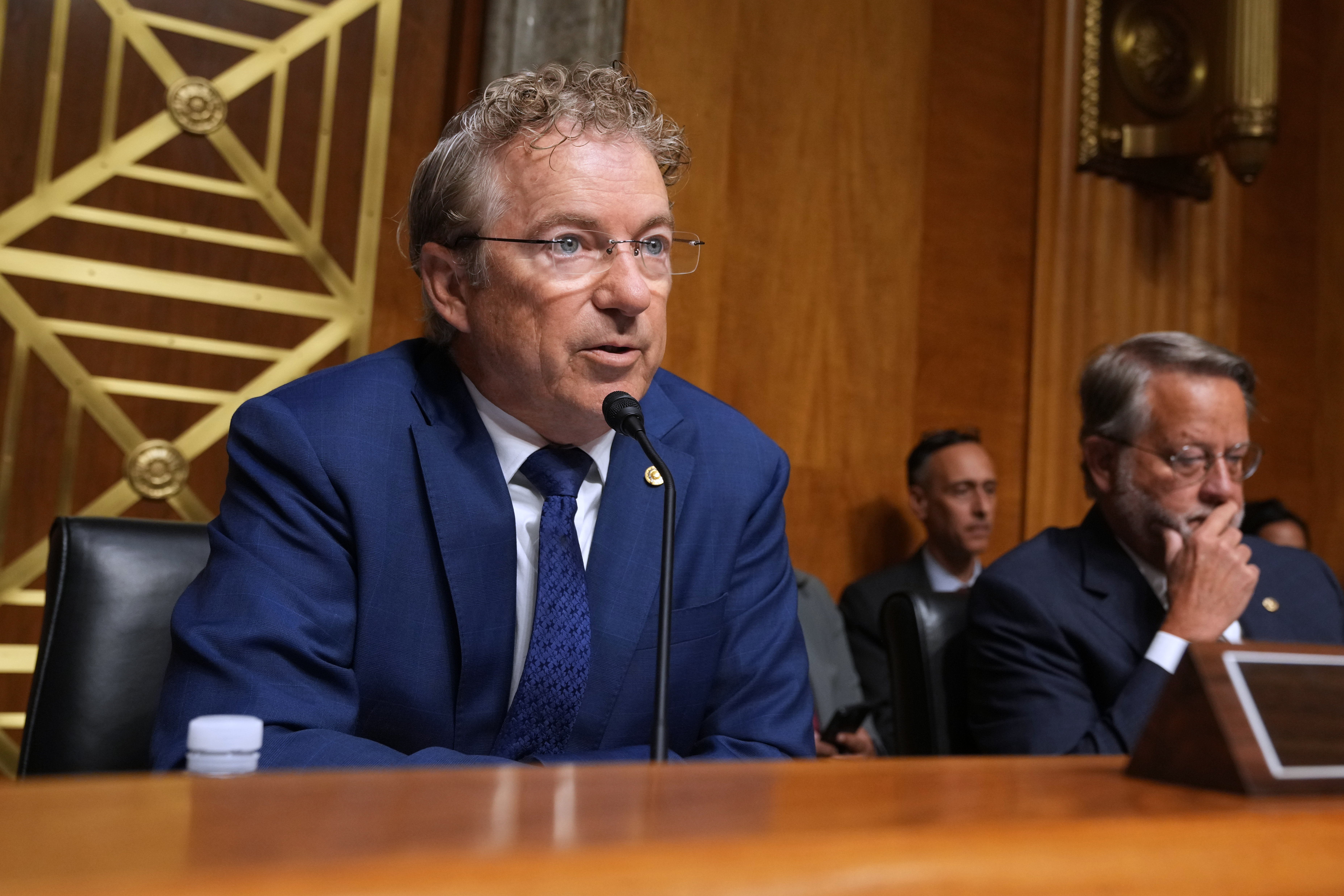
That precedent is the foundation Sen Rand Paul and other Republicans are leaning on, arguing Fauci's broad pardon should have stripped him of any Fifth Amendment cover for his pandemic-era conduct.
The final 90 seconds of Senator Josh Hawley’s questioning of Anthony Fauci is pure cinema.
— Overton (@overton_news) July 29, 2026
Hawley ended the exchange by cutting Fauci down to the bone with everything he had exposed.
The last two lines hit the hardest.
Fauci knew Hawley had him dead to rights, and the look on… pic.twitter.com/ngPOXRTdbN
Here's why Anthony Fauci can still take the Fifth Amendment
The trouble for that argument is that Biden's pardon has real limits, and legal experts say those limits are exactly what Fauci's team is relying on.
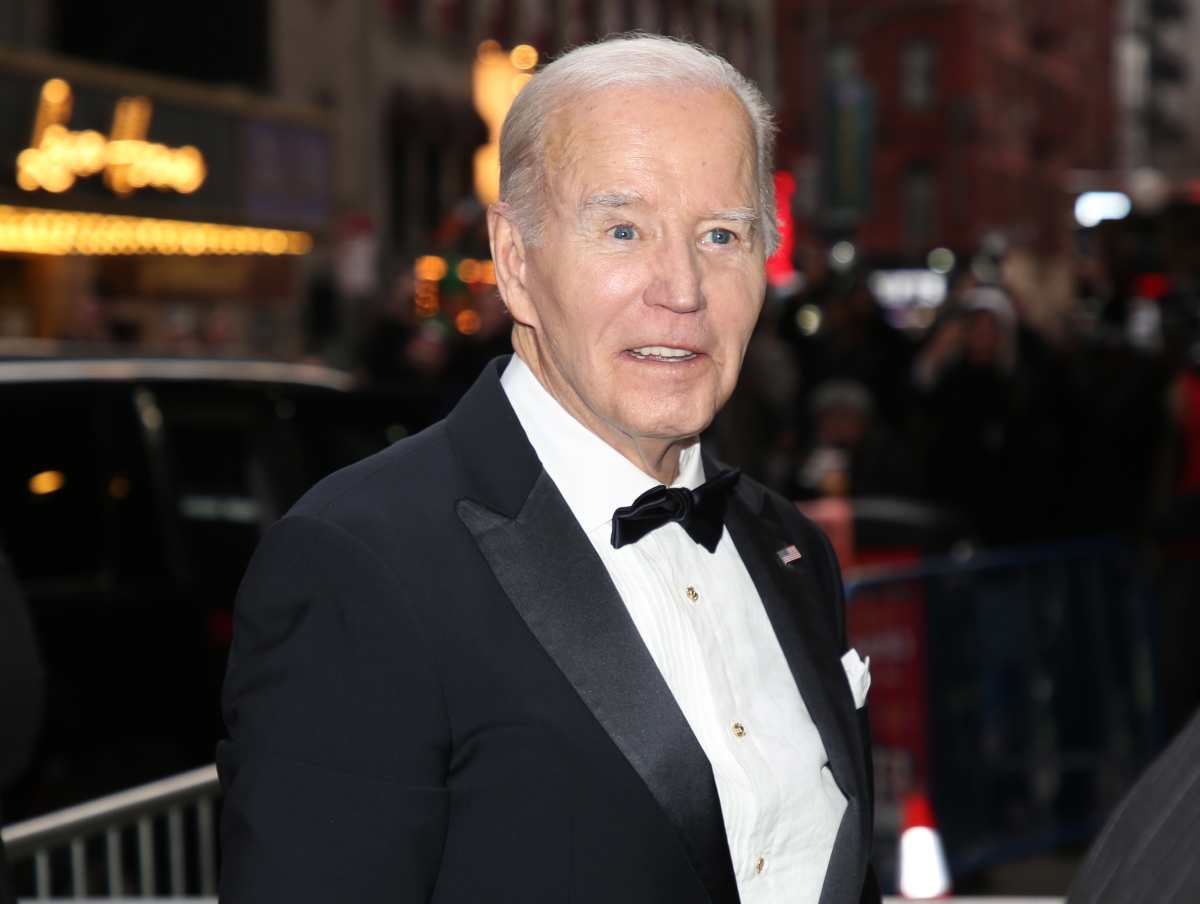
On January 19, 2025, Biden granted Fauci a full and unconditional pardon covering any federal offences he may have committed since 2014, saying the move aimed to protect Fauci from “politically motivated prosecutions”.
The pardon does not cover actions taken after it was issued. Fauci could face legal consequences if he were accused of committing a new crime, such as making false statements under oath during Wednesday’s Senate hearing.
The pardon applies to any offenses connected to Fauci’s government work from 2014 up to January 19, 2025.
After that date, he’s on his own; anything he says or does isn’t covered. That’s a big deal.
If Fauci testifies on Wednesday and prosecutors later find out his words don’t match what he wrote in his diary or said before, that opens the door for a new perjury charge, one based on acts from 2026, untouched by the original pardon.
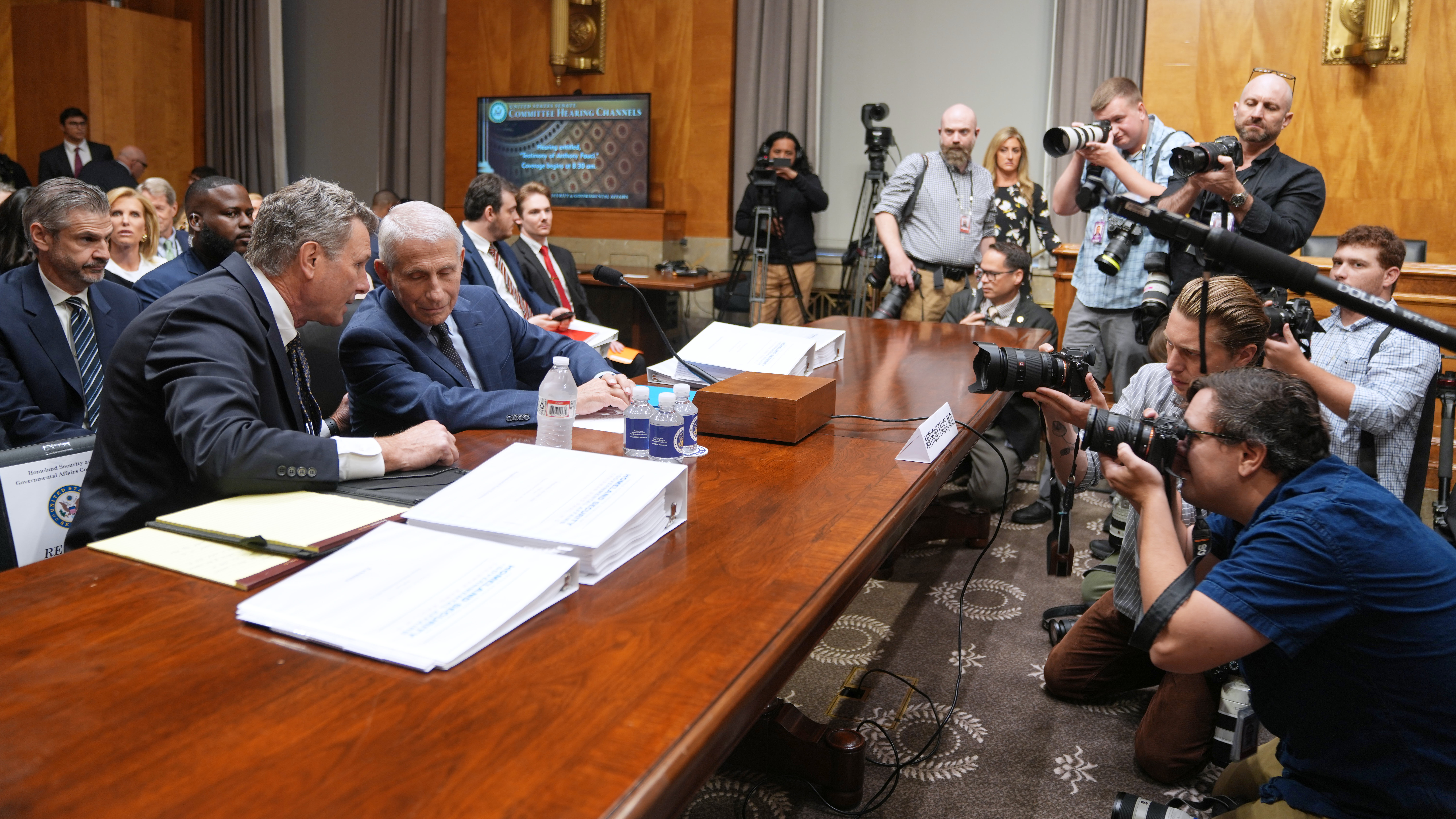
CNN legal analyst Elie Honig pointed out that Fauci can still plead the Fifth because he’s still exposed to charges outside of the pardon’s reach. And he is.
There's also a jurisdictional gap: presidential pardons only reach federal crimes. They offer no protection against a state-level prosecution, and Florida's attorney general has already opened an inquiry into Fauci following the hearing.
Fauci's lawyers have framed the hearing itself as a trap, with Fauci telling the committee he believed Paul's goal was to "get me to say something, anything" that could be twisted into a case against him.
What happens next?
Paul says the committee plans to vote next week on whether to hold Fauci in contempt of Congress for not answering their questions.
But let’s be clear, contempt doesn’t equal an automatic conviction. The full Senate would need to vote before sending anything to the Justice Department.
Paul has acknowledged the underlying legal question of whether a pardoned witness can invoke the Fifth is one "the courts may have to decide." For now, Fauci's silence stands, and so does the fight over whether it's allowed to.